
MOP and SOP Fertilizer: A Complete Guide to Potassium Choices

Potassium is a critical macronutrient for plants. It regulates processes like water retention, activating enzymes, and nutrient transportation. It increases the quality of the products. Among potassium fertilizers, MOP and SOP fertilizer are very popular. Farmers and agronomists aiming to maximize crop yield and quality often feel conflicted on which one to use.
While both supply the essential nutrient potassium, their different chemical compositions and effects on crops and soil make the choice between them crucial. This guide, with insights from LANE Heavy Industry Co., Ltd., a leader in designing and building state-of-the-art fertilizer production plants, will help you navigate this crucial decision.
Understanding the Basics: What Are MOP and SOP Fertilizer?
Both MOP and SOP fertilizer provide the essential nutrient potassium to the plants. But their chemical formula and elements are different from each other.
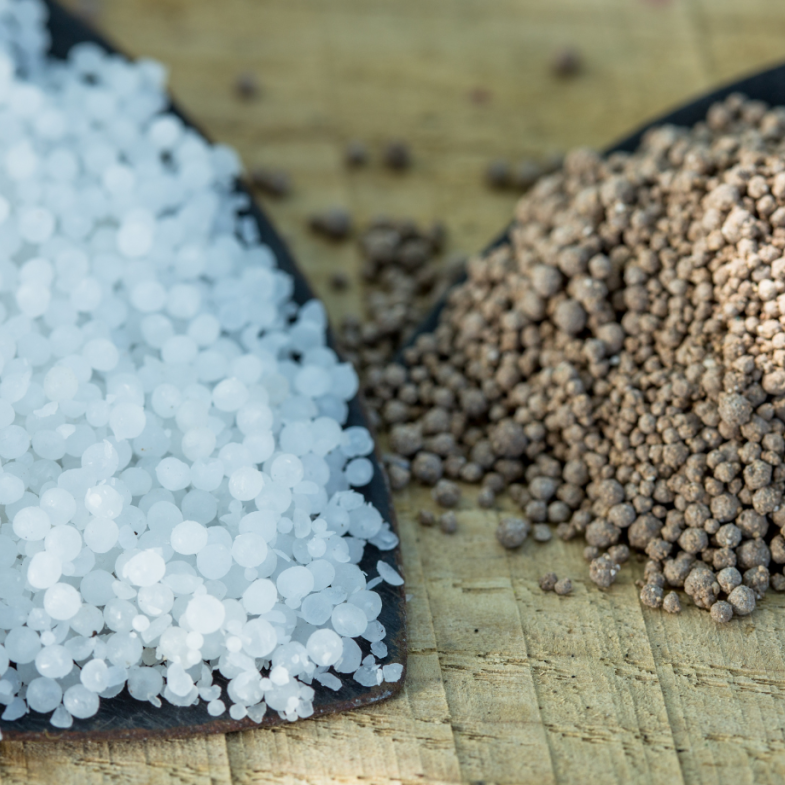
MOP (Muriate of Potash): It is chemically known as Potassium Chloride (KCl). It is the most widely used potassium fertilizer globally. It contains 60-62% K₂O, the highest among common potassium sources, and is prized for its high potassium content and relatively low cost. LANE Heavy Industry has elevated MOP production with automated granulation and multi-stage screening systems, ensuring consistent nutrient distribution.
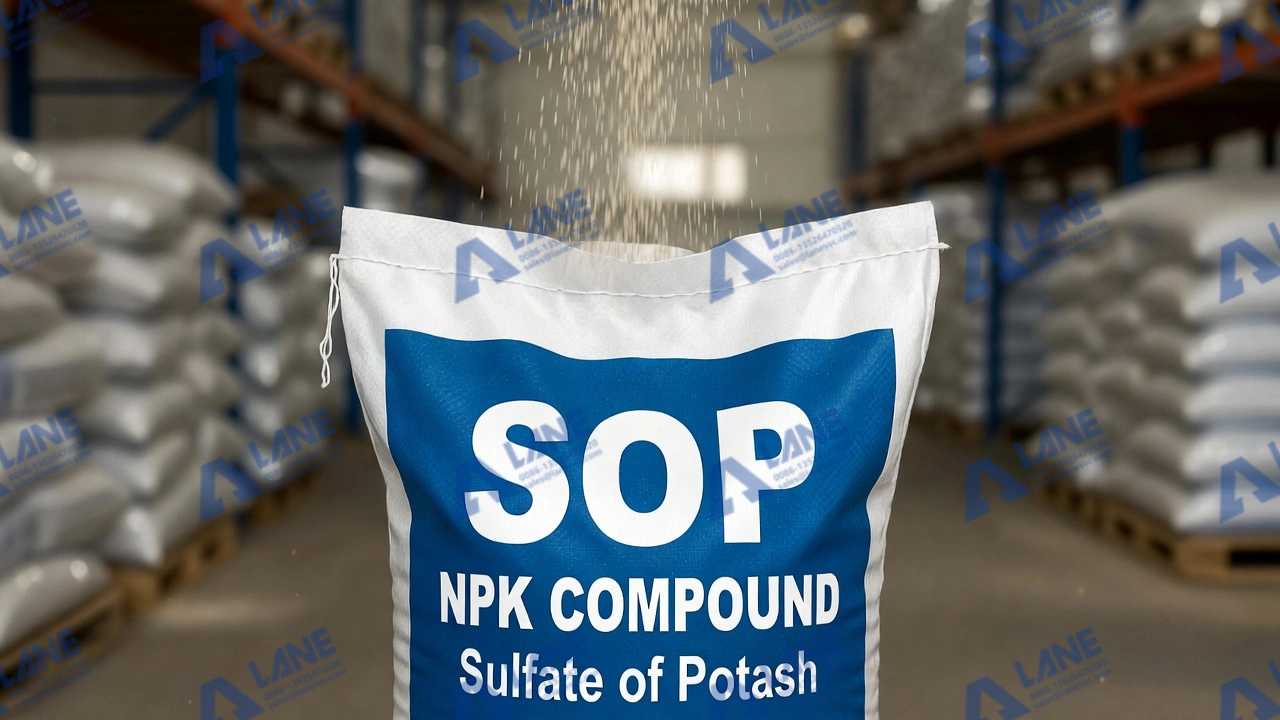
SOP (Sulfate of Potash): It is chemically known as Potassium Sulfate (K₂SO₄), it offers a balanced nutrient profile. SOP contains approximately 50-52% K₂O and 17-18% sulfur. Even though it has lower potassium, it makes up for this by being chloride-free and supplying valuable sulfur.
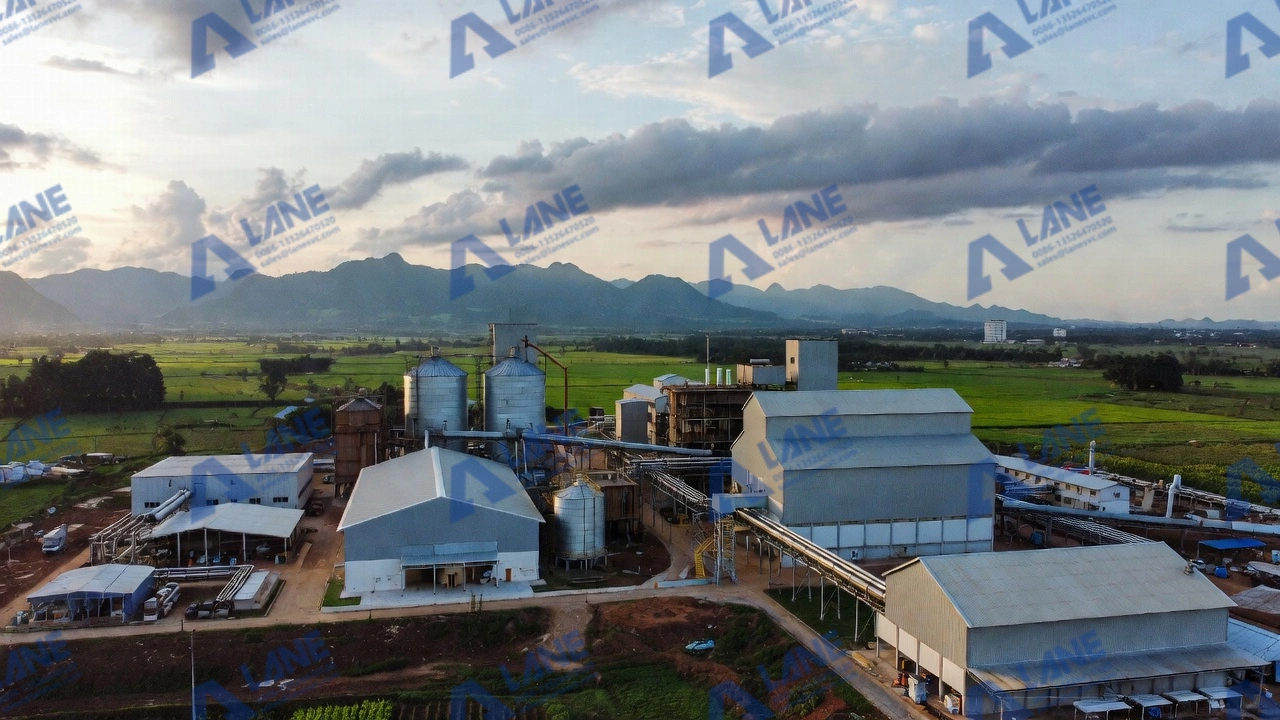
The production of these high-quality fertilizers relies on advanced, efficient manufacturing processes. LANE Heavy Industry Co., Ltd. specializes in engineering the complete production plants that transform raw potash into consistent, high-grade MOP and SOP fertilizer. They offer full turnkey services ensuring even farmers and small businesses can operate the production line with basic training.
The Key Differences Between MOP and SOP Fertilizer
Choosing between MOP and SOP fertilizer requires a careful analysis of their effects on crops and soil.
- Chloride Content:
The primary distinction between MOP and SOP fertilizer is its chloride content. MOP contains about 47% chloride, while SOP contains none. In lower quantity, it doesn’t affect crops and provides nutrients. It can be toxic to many crops at higher quantity levels. Chloride-sensitive crops like tobacco, potatoes, grapes, berries, nuts, and some legumes will suffer from reduced yield, poor root development, and scorched leaf margins when fertilized with MOP.
- Nutrient Profile:
MOP Fertilizer: Muriate of Potash delivers 60-62% potassium in a readily available form.
SOP Fertilizer: It supplies both potassium (50-52%) and sulfur (17-18%). Sulfur is a secondary macronutrient vital for protein synthesis, chlorophyll formation, and oil production. This makes it an excellent choice for soils that contain less sulfur.
- Impact on Soil Health:
Long term use of MOP can lead to chloride accumulation in the soil. This increases salinity which affects microbial activity, especially in poorly drained or arid regions. SOP, being a neutral salt, generally has a more favorable impact on soil structure.
- Cost Considerations:
MOP is more affordable per unit of potassium. The mining and refinement process of MOP is simple and can be done on a large scale.
SOP production often involves chemical conversion from MOP or extraction from specific mineral salts, making it a premium product. It’s an economic calculation of cost versus crop value and sensitivity.
Which Potassium Source is Right for Your Crop?
The selection between MOP and SOP fertilizer is very simple. It should be guided by clear decision on the crops and end result.
Use SOP Fertilizer When:
- You are growing high-value, chloride-sensitive crops like fruits, vegetables, tobacco, nuts.
- After testing your soil, you find out your soil tests show sulfur deficiency or high existing chloride/salinity levels.
- You are aiming to improve specific quality parameters like fruit sugar content, color, or oil concentration in crops.
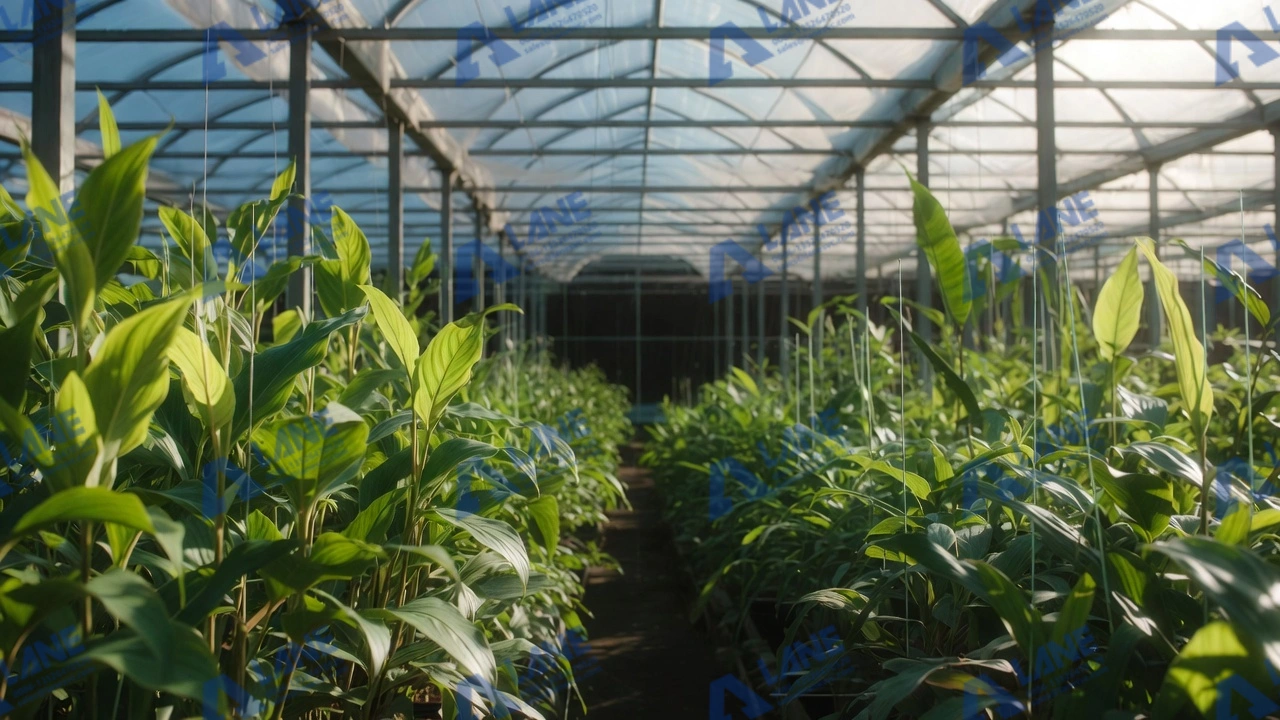
- You are farming in enclosed protected environments like greenhouses or hydroponic systems. A slight salt buildup can cause huge loss for them.
MOP Fertilizer is a Suitable Choice For:
- You are farming chloride-tolerant field crops like corn, cotton, cereals, and rice.
- Your area has adequate rain and drainage system where chloride leaching is possible.
- Your primary goal is the most cost-effective delivery of potassium without the crop quality concerns.
- You are blending with other nutrients where chloride is not a compounding issue.
A Note from LANE Heavy Industry Co., Ltd.
The consistent quality and quantity of MOP and SOP fertilizer are available because of advanced manufacturing and refinement processes. As an expert in fertilizer plant engineering, LANE Heavy Industry Co., Ltd. highlights that the efficiency, environmental controls, and product uniformity of these facilities are what makes producing these fertilizers profitable.
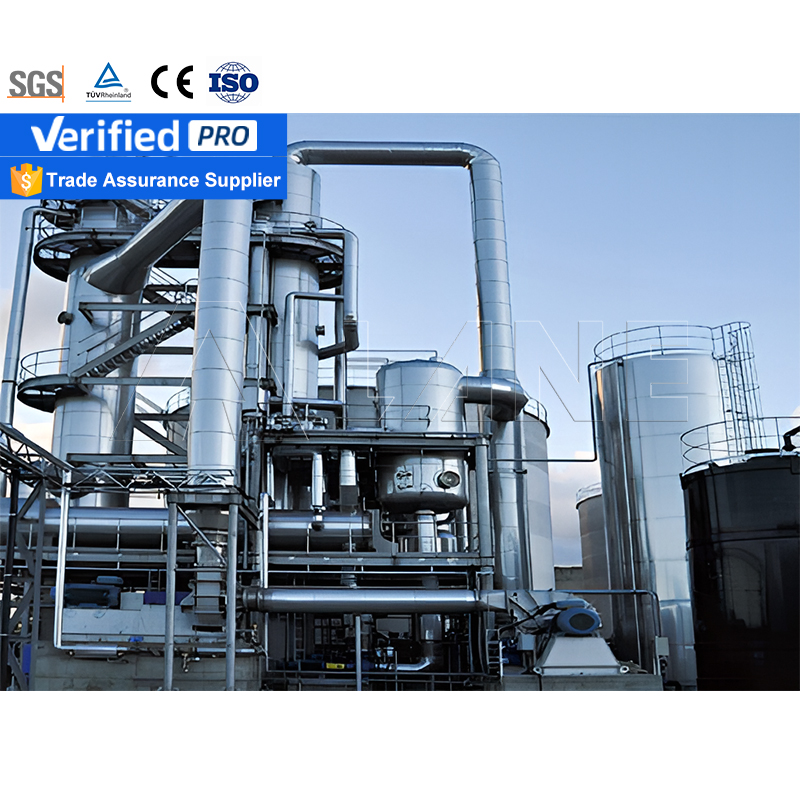
Advanced SOP plants use Mannheim furnace or salt conversion to ensure high-purity output without contaminants. Investing in such precision engineering ensures the global agricultural sector receives reliable, effective potassium fertilizer options.
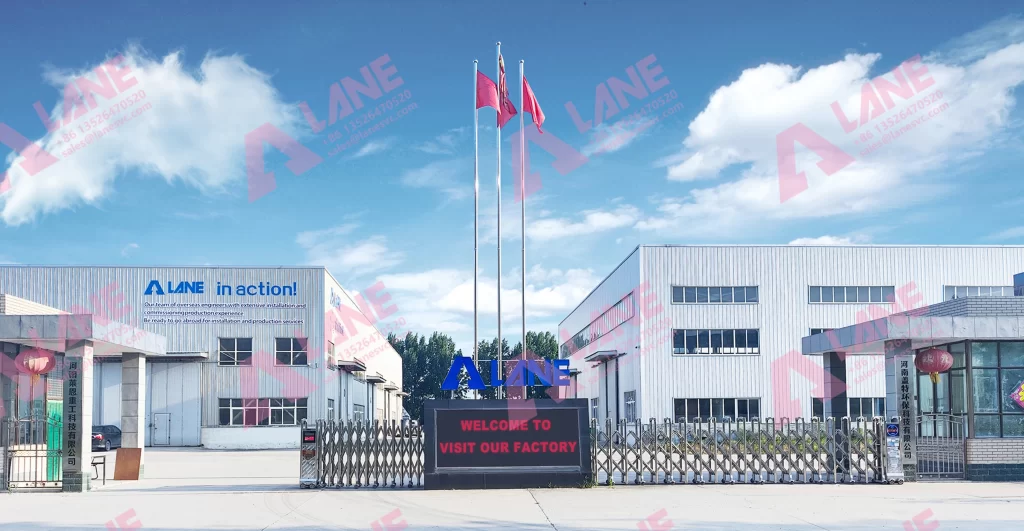
Of course, we also offer other types of products for your different needs, you can click to view.
For more information, please contact us by sending an inquiry today! We can help you!



Write a Reply or Comment