
From MOP to SOP: Conversion Processes in Modern Potassium Sulfate Fertilizer Production

Table of Contents
- The Premium Agronomic Need for Potassium Sulfate Fertilizer
- The Raw Material Bridge: Understanding MOP and SOP
- LANE Heavy Industry: Engineering Excellence in Fertilizer Production
- Core Conversion Process 1: The Mannheim Process
- Core Conversion Process 2: SOP from Sulfate Salts
- LANE’s Engineering Solutions for Efficiency and Quality
- Conclusion: The Strategic Value of Advanced Conversion
- Frequently Asked Questions (FAQ)
The Premium Agronomic Need for Potassium Sulfate Fertilizer
In premium, high-value agriculture, where crop quality, soil health, and chloride sensitivity are mandatory focuses, potassium sulfate fertilizer (SOP) is seen as the go-to nutrient source. Potassium sulfate fertilizer (SOP) is celebrated for its high potassium content (50-52% K₂O) and chloride-free properties.
The most common form of potassium source is Muriate of Potash (MOP, or potassium chloride). It has a high chloride content (up to 47%), which is harmful to many sensitive plants. SOP provides essential potassium and sulfur without adding harmful chlorides to the soil. This is why it has become the preferred nutrient for cash crops like citrus, tobacco, and potatoes.
In the world, most potash reserves yield MOP. This creates a critical industrial question: how do we transform potassium chloride into specialized potassium sulfate fertilizer? LANE Heavy Industry creates sophisticated conversion process production lines that are easy to handle and operate.
As global demand for SOP fertilizer increases, the conversion from cost-effective muriate of potash (MOP) to premium SOP is gaining traction every day. LANE Heavy Industry, a leader in industrial equipment and process integration, has been instrumental in advancing efficient and eco-friendly conversion technologies.
The Raw Material Bridge: Understanding MOP and SOP
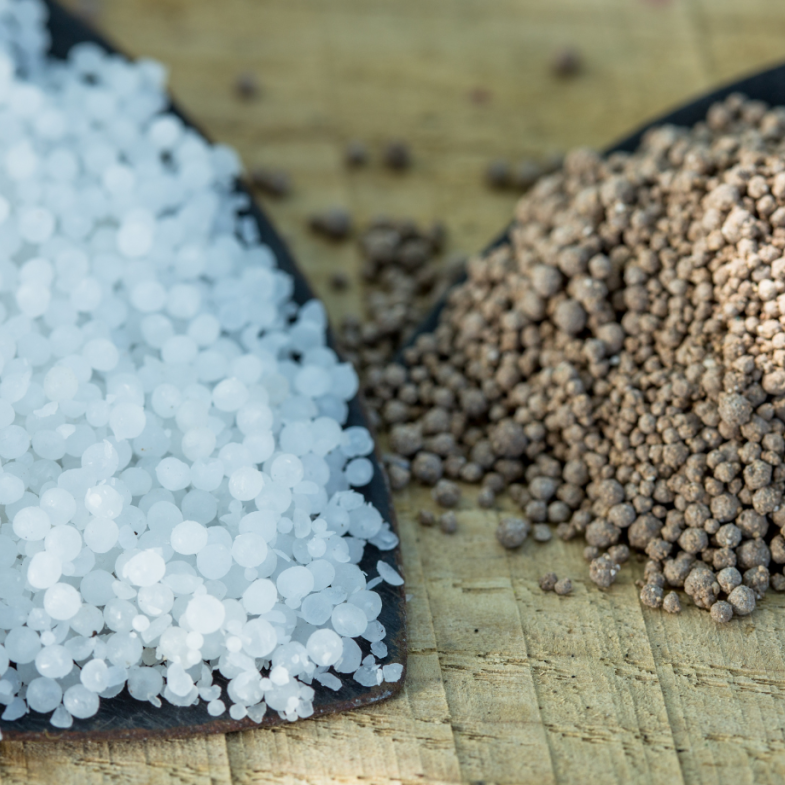
To understand the conversion processes, we first have to understand MOP and SOP.
- MOP (Muriate of Potash – KCl):This is one of the most used and mined potassium fertilizers globally. It is very cost-effective but contains chloride, which can be harmful to certain crops and soil health.
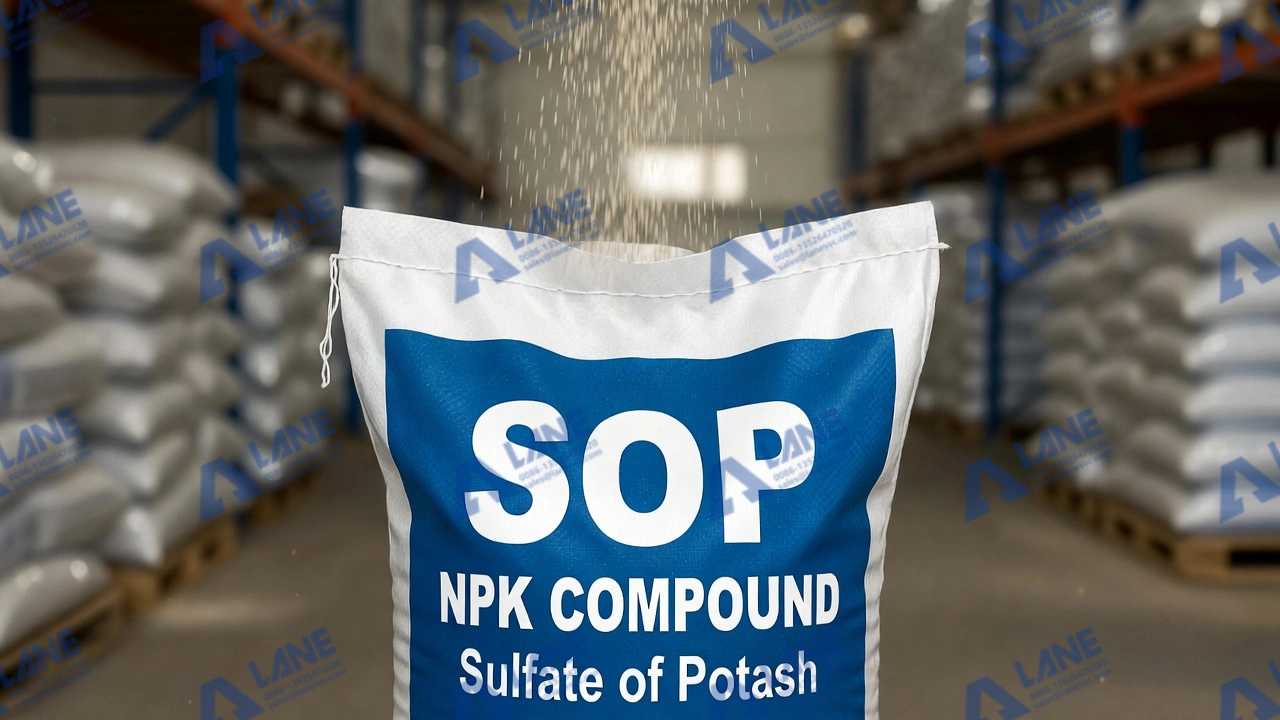
- SOP (Potassium Sulfate – K₂SO₄):This is the premium potassium fertilizer. It is chloride-free potassium sulfate fertilizer and it offers both potassium and sulfur.
The economic and logistical logic of conversion is clear: create the premium SOP fertilizer from low-cost MOP. The process is controlled through chemical reactions.
LANE Heavy Industry: Engineering Excellence in Fertilizer Production
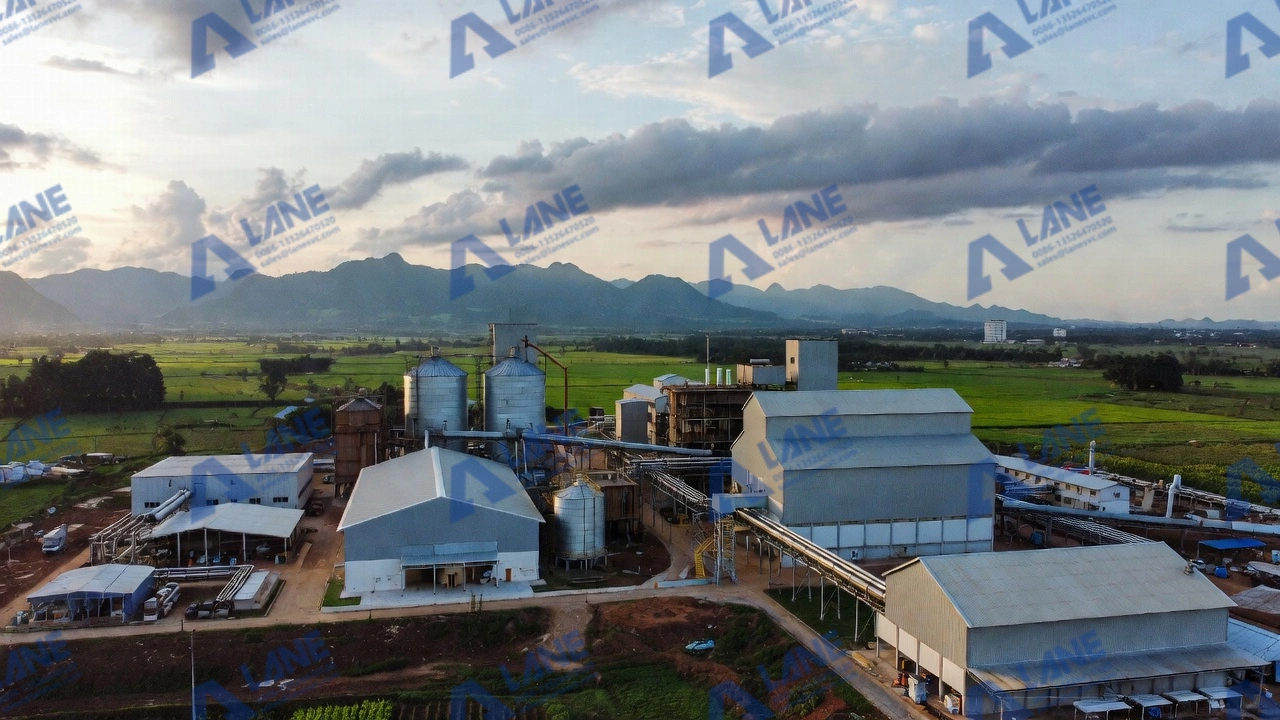
LANE Heavy Industry, one of the global leaders in the fertilizer industry, has positioned itself at the forefront of designing and delivering turnkey production plants for complex chemical fertilizers. LANE doesn’t provide only equipment solutions; they encompass process optimization, energy integration, and automation to make sure that the conversion from MOP to SOP is economically viable and environmentally friendly. LANE’s engineers focus on designs that maximize yield, ensure higher product purity, and increase plant longevity.
Core Conversion Process 1: The Mannheim Process
The Mannheim Process is the most direct chemical route for producing potassium sulfate fertilizer from MOP. In this process, the reaction between potassium chloride and sulfuric acid under controlled temperature creates SOP.
The Chemical Heart:
The main reaction takes place in a dedicated Mannheim reactor. The temperatures in the reactor must be maintained between 500-600°C:
2 KCl + H₂SO₄ → K₂SO₄ + 2 HCl
This process yields solid potassium sulfate and hydrogen chloride gas as a by-product. The hydrogen chloride gas is later reacted with water to create valuable hydrochloric acid as a by-product.
LANE Heavy Industry’s Role in Optimizing Mannheim:
LANE engineers tackle key challenges with their design in this process:
- Reactor Design:LANE designs, manufactures, and installs molybdenum-lined Mannheim reaction chambers. These chambers can withstand the extreme corrosiveness of the reaction mix at high temperatures.
- Heat Recovery and Energy Integration:The reaction is highly exothermic. LANE designs heat recovery systems that capture this heat to be converted into energy for other plant operations.
- By-Product HCl Management:LANE design production lines focus on environmental compliance. We integrate absorption systems to convert HCl gas into commercial-grade hydrochloric acid. This transforms a waste stream into a valuable co-product and increases revenue.
- Product Finishing:The crude potassium sulfate fertilizer from the reactor is then cooled with LANE coolers, milled, and granulated with LANE granulators. LANE designs integrated granulation production lines to create a dust-free, easily spreadable final product.
Core Conversion Process 2: SOP from Sulfate Salts
There is another alternative way to create SOP from MOP: reacting MOP with sulfate salts (like magnesium sulfate, sodium sulfate, or calcium sulfate) in an aqueous solution. This is popular in regions where these sulfates are available as by-products from other industries, e.g., salt lake operations or chemical manufacturing.
The Process Principle:
This process relies on solubility conditions. For example, when KCl is reacted with a salt like sodium sulfate (Na₂SO₄) in water, potassium sulfate fertilizer precipitates out of solution due to its lower solubility under controlled conditions, while more soluble by-product salts remain in the brine.
LANE’s Expertise in Solution-Based Processing:
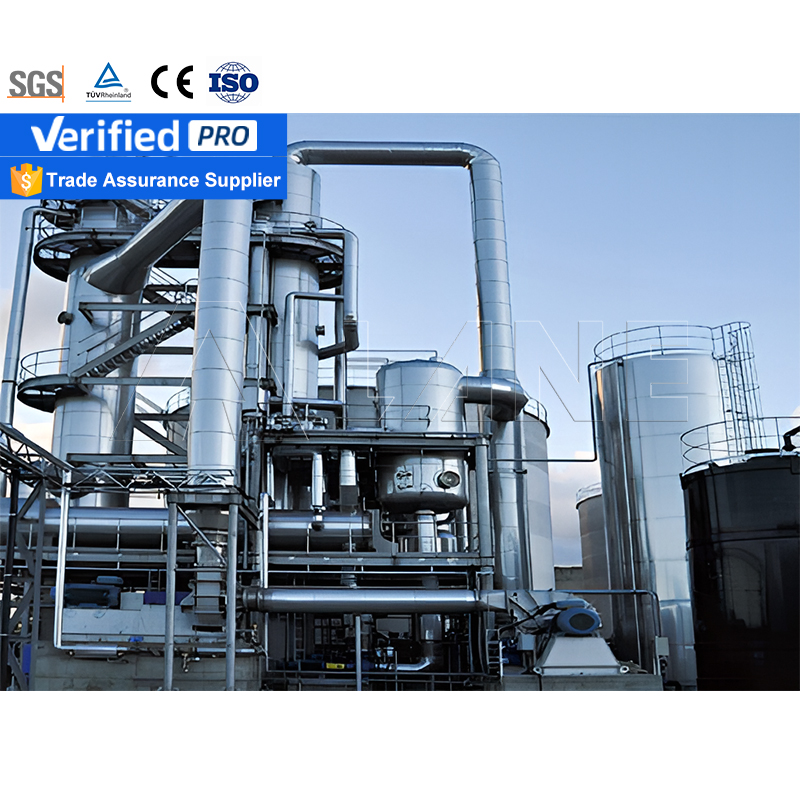
- Crystallization Mastery:The heart of these methods is controlled crystallization. LANE engineers design and supply multi-stage vacuum crystallizers that precisely control temperature, pressure, and evaporation rates. This process optimizes the crystal growth, size, and purity of the potassium sulfate fertilizer.
- Brine Management & Recycling:The separation and washing of the crystal is a core process of this sulfate salts method. LANE implements advanced solid-liquid separation systems (centrifuges, filters) and designs complex brine recirculation loops to maximize potassium recovery and minimize waste.
- Co-Product Valorization:These processes often generate valuable co-products. LANE designs and implements processing methods for these valuable co-products, such as magnesium chloride or sodium chloride. This enhances the project’s overall economic benefits.
Process Feature Comparison
| Process Feature | Mannheim Process | Sulfate Salt Conversion Process |
| Primary Raw Materials | Potassium Chloride (KCl) + Sulfuric Acid (H₂SO₄) | Potassium Chloride (KCl) + Sulfate Salts (e.g., MgSO₄) |
| Core Technology | High-Temperature Solid/Gas Reaction | Aqueous Solution Crystallization |
| Key By-Product | Hydrochloric Acid (HCl) | Various Salts (e.g., MgCl₂, NaCl) |
| LANE’s Focus | Corrosion-resistant reactor design, heat recovery, HCl absorption | Crystallizer design, brine management, co-product recovery |
| Typical Use Case | Large-scale, dedicated SOP plants with acid market access | Regions with available sulfate brines or by-products |
LANE’s Engineering Solutions for Efficiency and Quality
Beyond the core reactors and crystallizers, LANE Heavy Industry delivers plant solutions that define modern potassium sulfate fertilizer production.
- Integrated Process Control & Automation:LANE provides advanced PLC and DCS control systems to ensure control over temperature, feed rates, pH, and density. This guarantees control over product formulation and quality along with operational safety.
- Material Handling & Logistics:LANE designs seamless automatic conveying and storage systems for MOP raw materials and final products.
- Environmental & Safety Systems:LANE provides pulse-jet and cyclone dust control systems that can help keep the factory free from dust and harmful gases. This ensures that production meets the strictest international environmental and workplace safety standards.
Conclusion: The Strategic Value of Advanced Conversion
The conversion of MOP to SOP is a complex chemical process which can’t be done without the help of an expert fertilizer industry leader. The conversion process embodies the fertilizer industry’s shift toward quality and sustainability. LANE Heavy Industry’s engineering innovation and designs have not only optimized traditional technologies but also unlocked new pathways for resource utilization.
Frequently Asked Questions (FAQ)
Q1: Why is potassium sulfate fertilizer (SOP) more expensive than MOP?
A1: SOP commands a premium price because it is chloride-free, has a dual-nutrient (K+S) composition, and has benefits for sensitive crops. The production cost of SOP is also higher as it involves complex chemical conversion processes and specialized equipment (like corrosion-resistant reactors) and requires advanced crystallization systems engineered by LANE Heavy Industry to transform raw MOP into the final potassium sulfate fertilizer.
Q2: What happens to the hydrochloric acid (HCl) produced in the Mannheim process?
A2: Production lines designed by LANE do not treat HCl gas as waste. LANE thinks of HCl as a valuable co-product. It is captured in absorption towers to produce commercial-grade hydrochloric acid. HCl is used in steel pickling, chemical synthesis, and water treatment. This co-product recovery is essential for the production line’s economics and environmental sustainability.
Q3: Can potassium sulfate fertilizer be produced directly from mining?
A3: Yes, in some locations, minerals like kainite or langbeinite are mined and processed to extract SOP directly. However, these deposits are very rare and less common than MOP deposits. Conversion from MOP provides geographical flexibility, allowing production closer to agricultural markets where sulfate raw materials are available.
Q4: How does LANE Heavy Industry ensure the quality of the final SOP product?
A4: LANE integrates quality control at every stage. Their plant designs include feed control systems, automated process monitoring loops, granulation drums, and screening units. This ensures the final potassium sulfate fertilizer has a consistent chemical composition, even granule size, high strength, and low dust formation.
Of course, we also offer other types of products for your different needs, you can click to view.
For more information, please contact us by sending an inquiry today! We can help you!



Write a Reply or Comment