
SOP-Based Fertilizer the Premium Choice for Chloride-Sensitive Crops
Introduction: The Hidden Threat in Fertilization
Farmers, growers, and greenhouse cultivators are focused on maximum yield and quality for better prices for their crops. Potassium is the nutrient which controls the growth of crops. However, the source of the potassium makes a huge difference when it comes to chloride-sensitive crops.
The most popular source of potassium is Muriate of Potash or MOP (potassium chloride). It is a common and cost-effective fertilizer, but it has a huge downside: high chloride content (up to 47%). SOP-based fertilizer, however, doesn’t have this weakness. It is a highly refined, premium fertilizer designed specifically for crops that react poorly to chloride.
SOP-based fertilizer delivers essential potassium without the associated risk of chloride. It unlocks the full genetic potential of sensitive plants and ensures superior marketable quality.
What is SOP-Based Fertilizer?
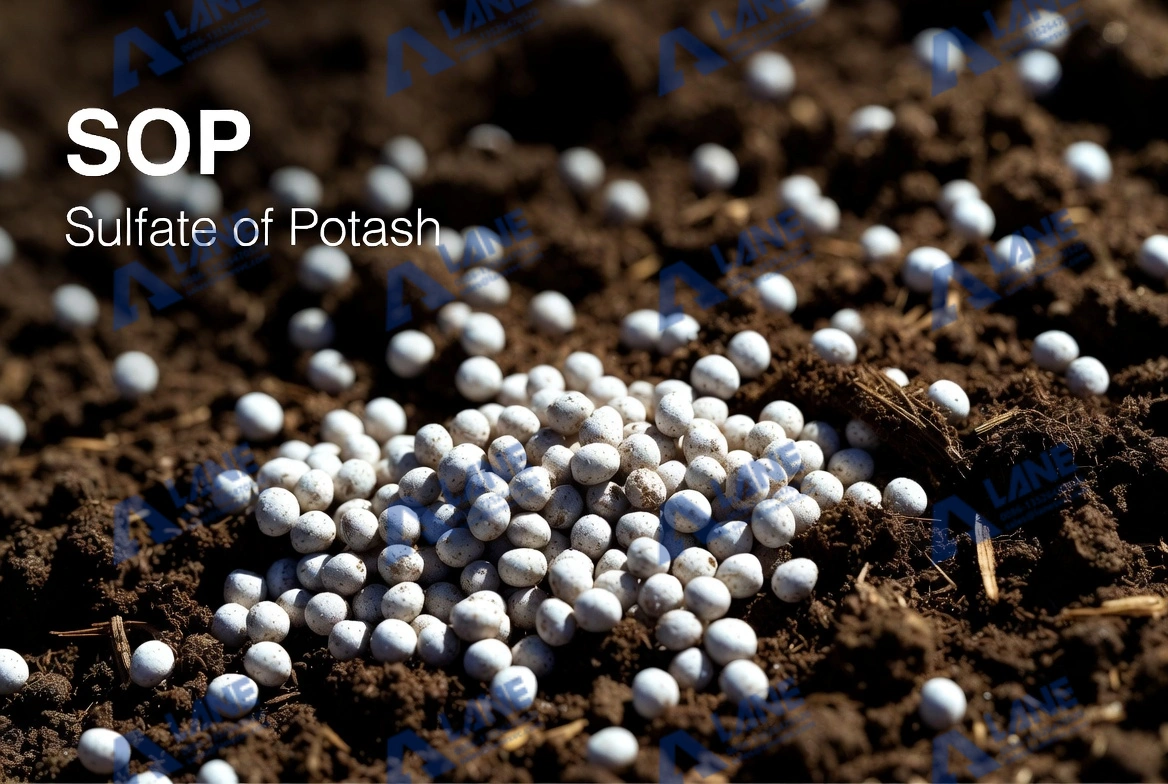
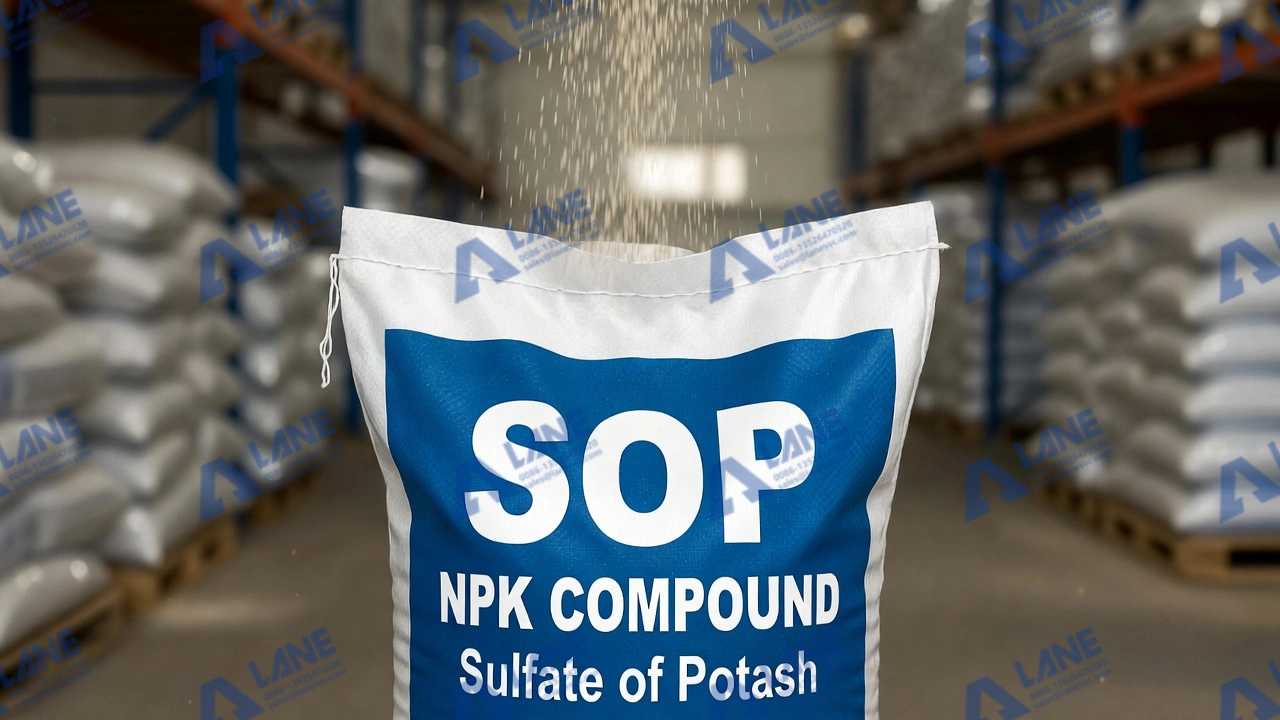
SOP-based fertilizer refers to any fertilizer formulation where the primary source of potassium is Sulfate of Potash (K₂SO₄). Unlike Muriate of Potash or MOP, SOP contains zero chloride. Instead, it provides potassium (K) in combination with sulfate (SO₄). Sulfate is a valuable secondary nutrient, often known as the 4th major nutrient.
There are two popular methods of SOP production: the Mannheim Process, which reacts potassium chloride with sulfuric acid, and the mining and purification of natural mineral deposits like langbeinite. The result is a fertilizer containing 50-52% K₂O (potash) and 17-18% sulfur in a readily available sulfate form.
This dual-nutrient profile is what sets SOP-based fertilizer apart from MOP. It is not merely a “chloride-free” option. It is a nutrient source that addresses two of the most critical nutrients plants need.
Understanding Chloride Sensitivity in Crops
Chloride is an essential micronutrient for plants but in very small quantities. It helps with photosynthesis and osmosis. However, many crops are chloride-sensitive. They have low tolerance for chloride ions in soil or irrigation water. Applying a chloride-heavy fertilizer like MOP can trigger several problems. The most common chloride-sensitive crops include:
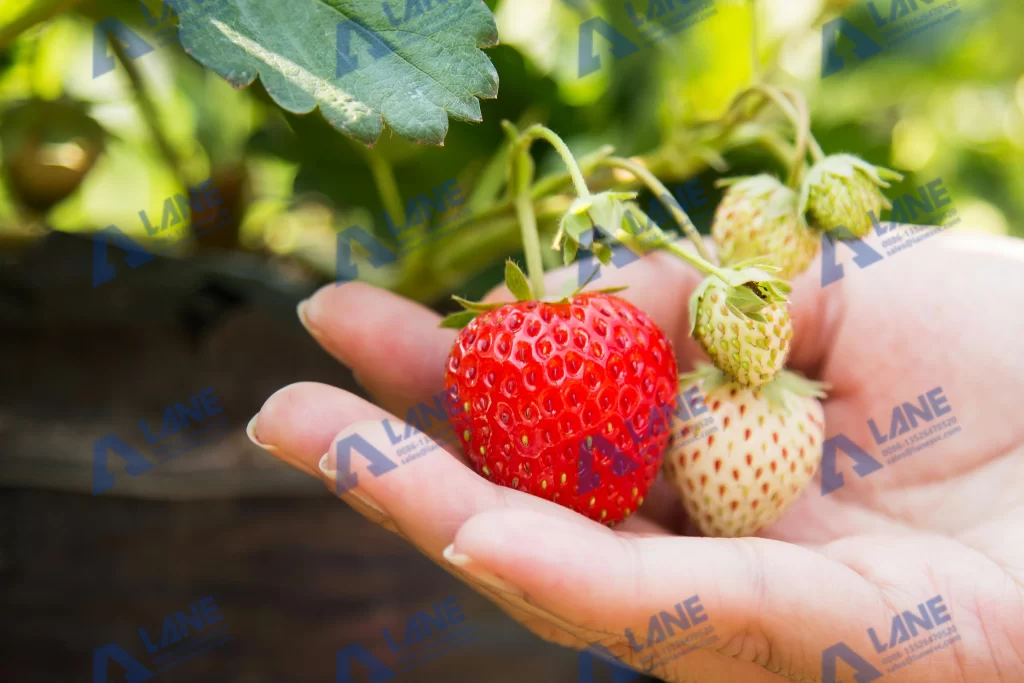
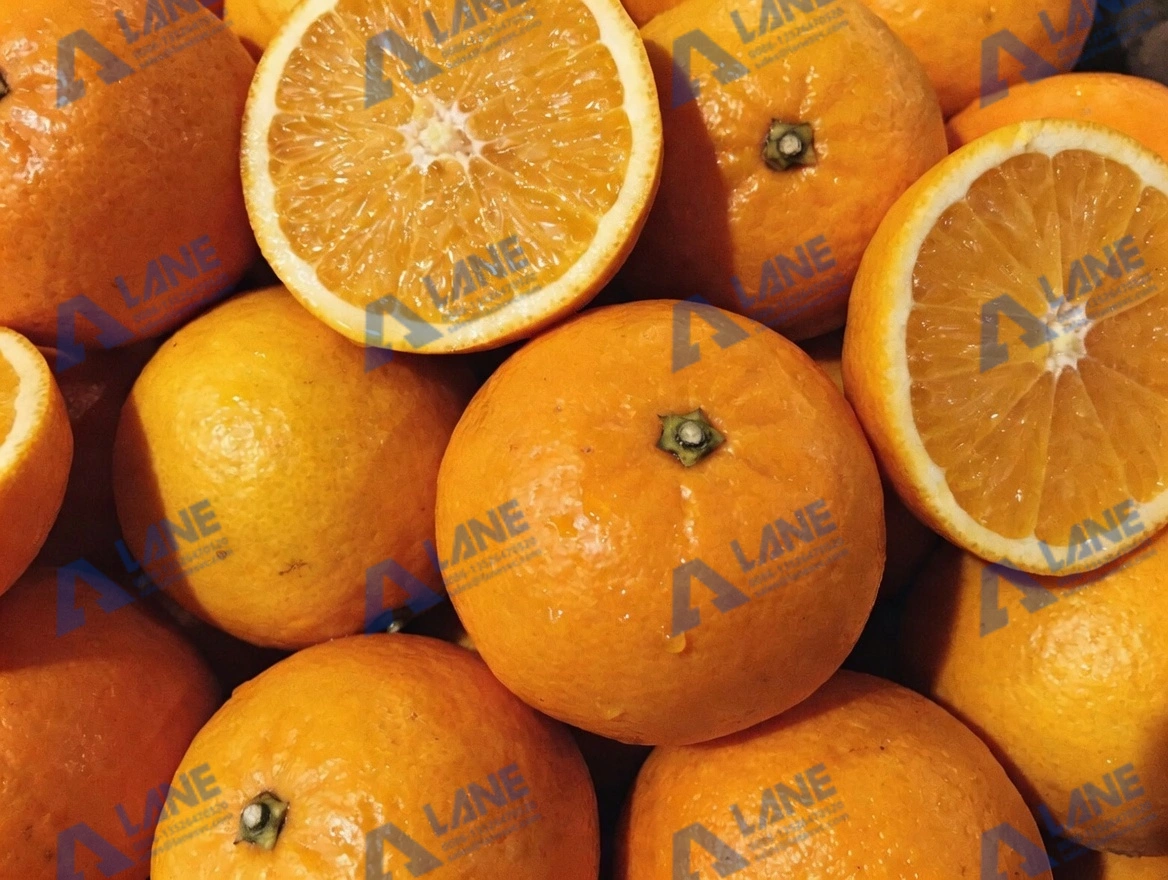
- Fruits:Avocados, berries (strawberries, blueberries, raspberries), citrus, grapes, stone fruits (peaches, cherries), pineapples.
- Vegetables:Potatoes, tomatoes, peppers, lettuce, onions, beans.
- Legumes:Soybeans.
- Specialty Crops:Tobacco, hemp, nuts (pecans, almonds), coffee.
Symptoms of Chloride Toxicity:
- Leaf Burn: Scorching or necrosis (death) at the leaf margins and tips. It starts with older leaves and then spreads to the whole plant.
- Stunted Growth: High chloride disrupts osmotic balance and water uptake, reducing root and shoot development.
- Reduced Yield & Quality: It leads to smaller fruits, uneven ripening, and lower brix (sugar) levels.
- Increased Water Stress: High chloride levels can increase drought stress by impairing the plant’s ability to regulate water.
- Soil Degradation: Chloride can accumulate in the soil because of plants’ reduced ability to process it. This increases soil salinity, harming microbial life and long-term soil health.
By choosing a SOP-based fertilizer, growers eliminate this source of chloride stress. This creates a root-zone environment where sensitive crops can thrive without inhibition.
Key Benefits of Using SOP-Based Fertilizer
The advantages of SOP-based fertilizer extend far beyond simply avoiding chloride damage. It offers a package of benefits that justifies its premium status.
- Eliminates Chloride Stress:This is the primary benefit of SOP-based fertilizer. It allows optimal potassium nutrition in sensitive crops, leading to healthier root systems and more vigorous plant growth.
- Provides Essential Sulfur:Sulfur is a key component of amino acids, proteins, and enzymes. It is critical for oil synthesis in oilseed crops, flavor compounds in alliums (onions, garlic), and overall protein quality.
- Improves Crop Quality Attributes:Research shows that crops grown with SOP-based fertilizer have higher sugar content (brix) in fruits, improved color, better storage and shelf-life, and more uniform sizing.
- Lowers Salt Index:SOP is almost chloride-free. This means it doesn’t pose the risk of “burning” seeds or seedlings in sensitive germination stages. It is better suited for arid regions or soils where salinity management is a concern.
Promotes Sustainable Soil Health: SOP-based fertilizer doesn’t add chloride, so soil avoids chloride accumulation. This helps maintain a healthier soil microbiome and prevents the long-term buildup of salts that can degrade soil structure and fertility
Application Guidelines and Best Practices
The application of SOP-based fertilizer should follow these guidelines:
- Conduct Soil & Tissue Tests: Always start with a soil test before applying any fertilizer. It can help you assess existing potassium, sulfur, and chloride levels. Tissue tests can confirm nutrient uptake and identify hidden deficiencies.
- Determine the Right Rate: Don’t over-apply your fertilizer. Depending on the soil test, apply the fertilizer in a timely routine based on crop needs.
- Choose the Right Application Method:
- Banding at Planting: Excellent for row crops and vegetables. This provides readily available K and S near the root zone.
- Side-Dressing: Effective for top-dressing growing crops like potatoes or tomatoes.
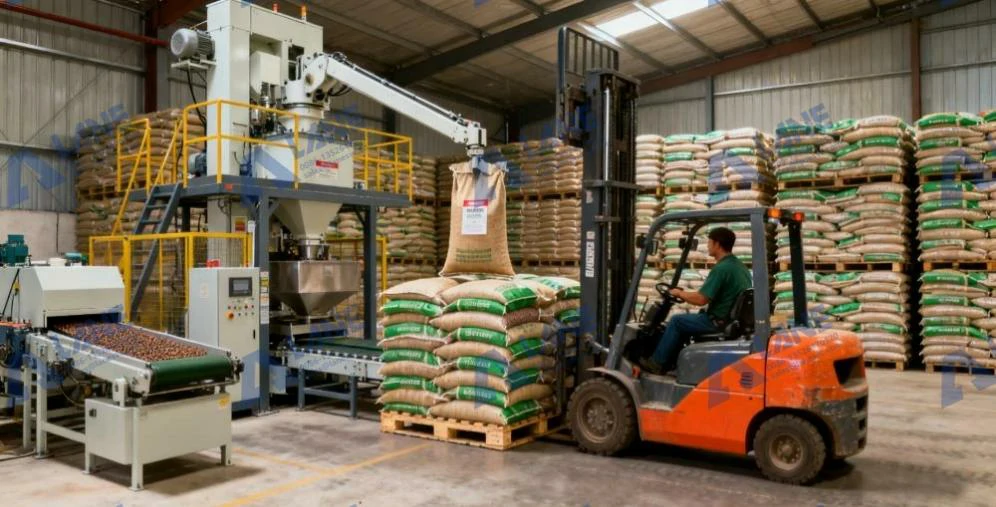
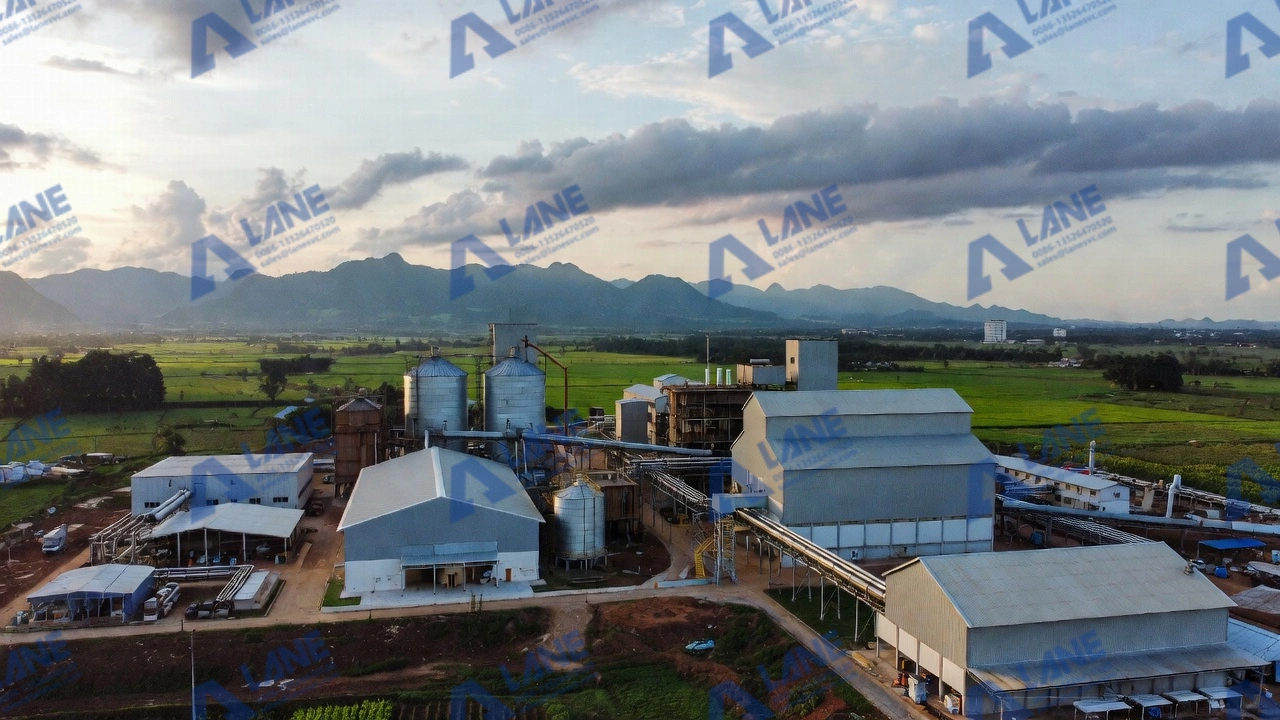
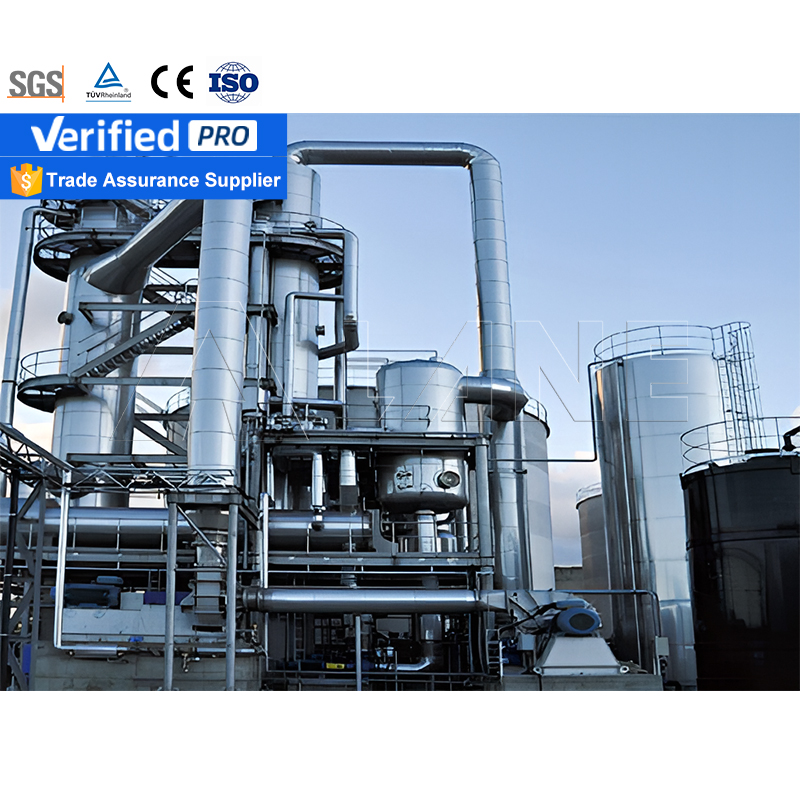
- Fertigation: SOP produced with the help of a LANE SOP production line is highly soluble, making it perfect for drip or sprinkler irrigation systems.
- Broadcast: Suitable for pre-plant application on perennial crops like orchards or vineyards.
- Time Applications to Demand: Split applications often yield better results than a single heavy dose. Key timings include pre-planting, during vegetative growth, and at fruit/tuber bulking or filling stages.
- Store Properly: Like all fertilizers, store SOP in a cool, dry place to prevent caking and maintain its quality.
Frequently Asked Questions (FAQ)
Q1: Can I use SOP-based fertilizer on all my crops, or just sensitive ones?
A1: You can absolutely use it on all crops. It is perfectly safe and beneficial for chloride-tolerant crops like corn or wheat. The decision often comes down to economics and soil quality. Many growers use SOP for high-value, sensitive crops and MOP for tolerant field crops.
Q2: Is it worth the higher cost compared to MOP?
A2: For chloride-sensitive crops, the answer is always yes. The higher cost is offset by the prevention of yield and quality losses from chloride toxicity. It also adds value with sulfur nutrition. It is an investment in both crop performance and risk mitigation.
Q3: How does the sulfur in SOP compare to other sulfur fertilizers (e.g., gypsum, ammonium sulfate)?
A3: The sulfur in SOP-based fertilizer is in the immediate sulfate (SO₄²⁻) form, which is readily available for plant uptake. Gypsum (calcium sulfate) also provides sulfate but is less soluble and acts more as a soil amendment. Ammonium sulfate provides fast-acting sulfate but also adds nitrogen, which may not be needed. SOP delivers pure, chloride-free potassium with readily available sulfur in sulfate form.
Q4: Can I blend SOP with other fertilizers?
A4: Yes, SOP-based fertilizer is an excellent component in bulk blends. However, always follow compatible blending guidelines. Avoid blending it with high-calcium materials (like some liming agents) without proper additives, as this can create moisture-absorbing compounds. Consult with your fertilizer blender or producers who use LANE production lines for ideal formulations.
Conclusion: Investing in Quality and Sustainability
In the modern agricultural industry, consistent, high-quality yields are essential for profitability and sustainability. By relying on SOP-based fertilizer, growers can ensure that their crops receive the right nutrients at the right time, leading to consistent results that meet market demands and drive sustainable growth.
For growers of avocados, berries, potatoes, tobacco, and countless other chloride-sensitive crops, SOP-based fertilizer is not an alternative but the premium choice.
SOP-based fertilizer is not merely an alternative—it is the strategic, premium choice. It moves beyond basic nutrition to a philosophy of crop stewardship, eliminating the hidden threat of chloride toxicity while delivering the synergistic benefits of potassium and sulfur.
Of course, we also offer other types of products for your different needs, you can click to view.
For more information, please contact us by sending an inquiry today! We can help you!



Write a Reply or Comment