
Reclaiming Productivity: SOP Fertilizer for Saline Soils
Introduction: The Silent Threat of Soil Salinity
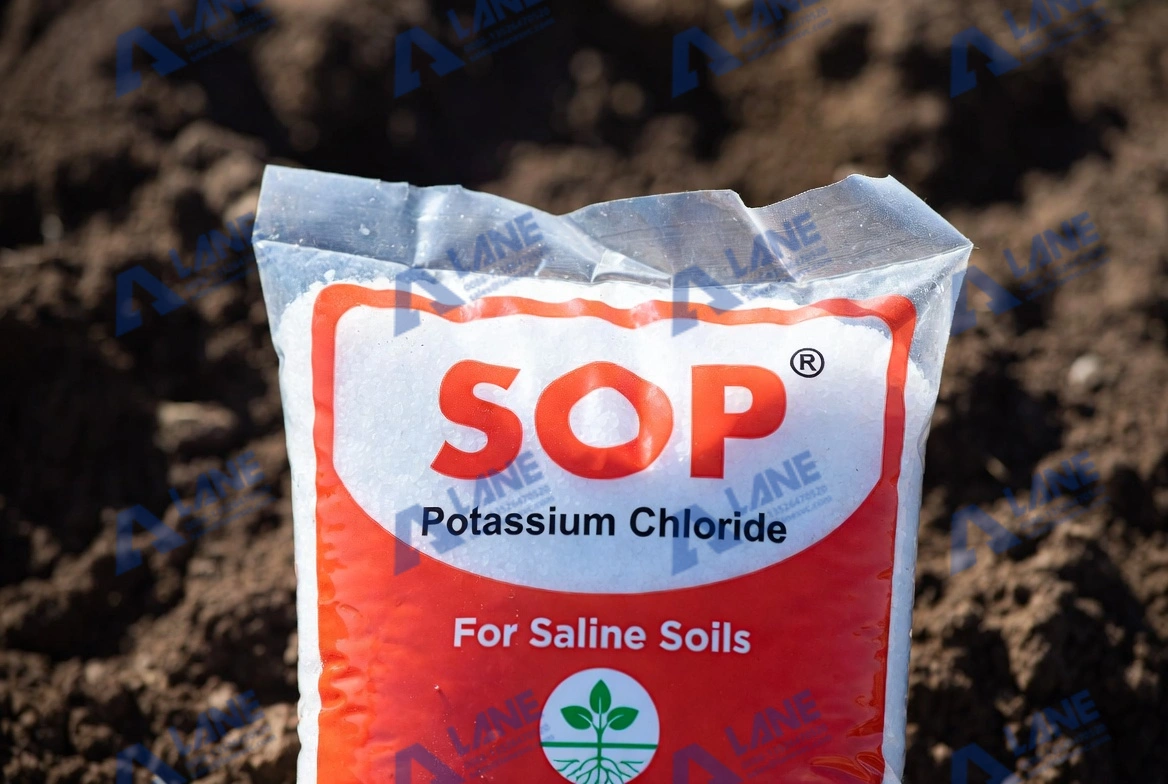
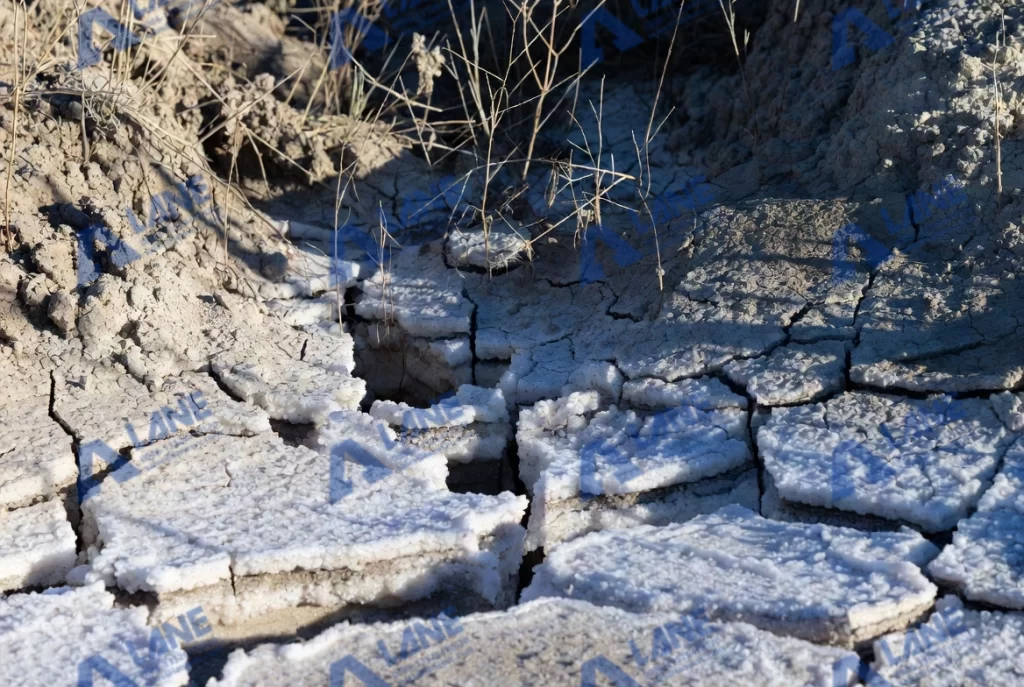
Soil salinity stands as one of the most pressing threats to global agricultural productivity. Worldwide, it is affecting over 831 million hectares of land. This is equivalent to more than 5% of the planet’s arable area. Saline soils occur because of the accumulation of soluble salts, jeopardizing food security for billions of people, especially in arid and semi-arid regions where water scarcity exacerbates salt buildup.
Saline soils lead to stunted growth, leaf burn, and reduced yields, turning fertile fields into challenging landscapes. However, a strategic nutrient management plan, including SOP fertilizer for saline soils, is having a positive effect. SOP fertilizer for saline soil reduces salt stress and helps restore soil productivity.
This article explores the unique role of SOP fertilizer in addressing the challenges of saline soils.
What is SOP Fertilizer? Beyond Basic Nutrition
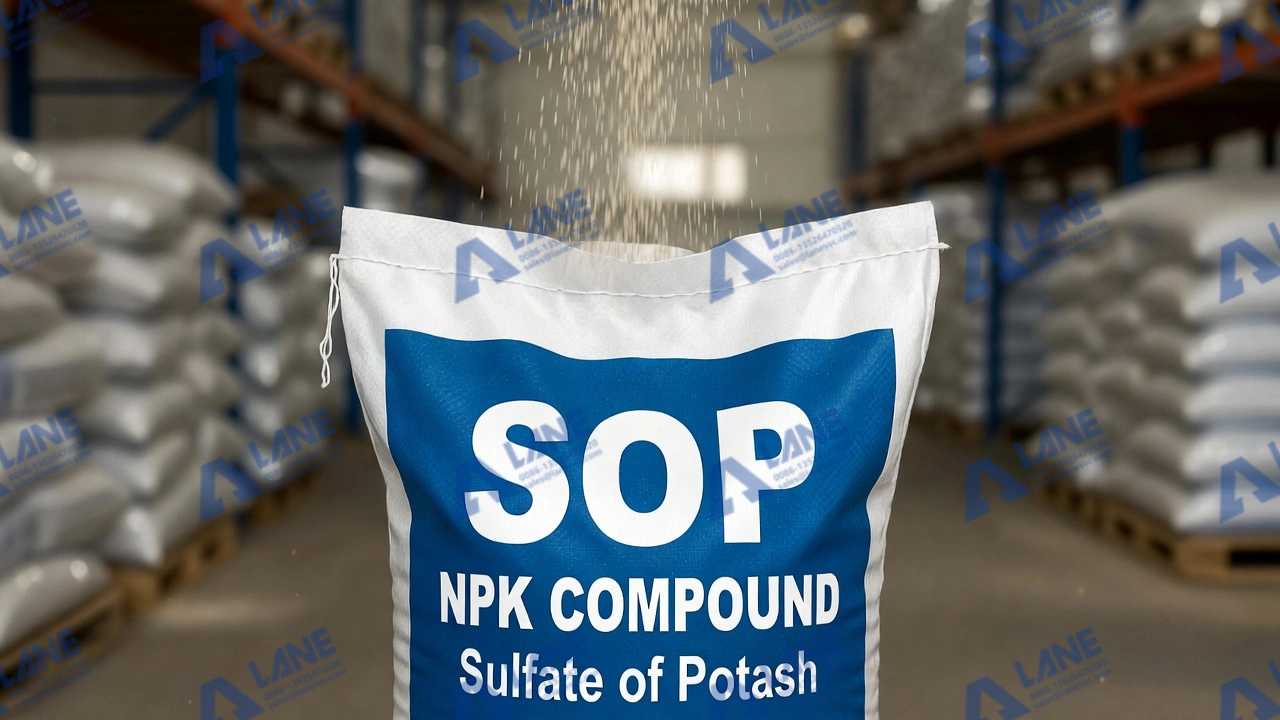
SOP stands for Sulfate of Potash (chemical formula K₂SO₄). It is a premium chloride-free source of potassium (K) and sulfur (S). The most common potassium source is Muriate of Potash (MOP or KCl), but it contains high chloride (up to 47%), which increases soil salinity. SOP is a refined potassium source which does not contain any chloride. This fundamental difference is what makes it valuable.
Potassium is a macronutrient regulating water uptake, enzyme activation, and overall plant vigor, while sulfur is a key component of amino acids and proteins. SOP provides both in a readily available, low-salt-index form.
The Salinity Problem: Why Common Fertilizers Can Make It Worse
Saline soils have an excess of salts like sodium (Na⁺) and chloride (Cl⁻). These ions:
- Cause Osmotic Stress:They make it harder for plant roots to absorb water.
- Induce Ion Toxicity:Chloride and sodium ions can accumulate in leaves, causing necrosis (scorching) and disrupting photosynthesis.
- Degrade Soil Structure:An excess amount of sodium can disperse soil particles, destroy aggregation, and lead to poor drainage and compaction.
Applying salt-based fertilizer like MOP in this scenario is akin to adding fuel to a fire. It directly increases the concentration of the chloride ions that cause toxicity.
How SOP Fertilizer Acts as a Reclamation Tool
SOP fertilizer for saline soils facilitates a physiological and biochemical reclamation process:
- Chloride Avoidance:SOP applies potassium as sulfate; it meets the crop’s high K demand without any chloride. This prevents further chloride accumulation in plant tissues.
- Sulfur’s Role in Detoxification:Sulfur is essential for synthesizing cysteine and methionine. These amino acids are precursors to glutathione and phytochelatins (PCs), compounds that help plants mitigate oxidative stress caused by salinity.
- Supporting Root Health:Potassium strengthens plants’ root systems. It enables plants to explore a larger soil volume and makes them more durable to withstand osmotic stress.
Key Benefits of Using SOP Fertilizer for Saline Soils
An SOP fertilizer for saline soils program offers multiple benefits:
- Reduced Chloride & Sodium Toxicity: SOP fertilizer doesn’t contain chloride, so it directly lowers the risk of leaf burn and improves overall plant health.
- Enhanced Osmotic Regulation: Potassium is the main nutrient for stomatal function and osmoregulation. This helps plants maintain water balance under salty conditions.
- Improved Crop Quality: SOP is known for its ability to improve fruit size, color, sugar content, and shelf-life. Those are all the elements of a high-value premium crop.
- Better Nutrient Use Efficiency: Potassium makes for healthier root systems. It improves the uptake of all nutrients, not just potassium and sulfur.
- Compatibility with Soil Amendments: SOP works synergistically with gypsum (calcium sulfate). While gypsum replaces sodium in the soil with calcium, SOP provides the essential potassium nutrient. This creates a comprehensive reclamation approach.
Practical Guidelines for Application
Implementing SOP fertilizer for saline soils requires a managed approach:
- Soil Testing:This is a non-negotiable step. You first have to do a soil analysis to determine the severity of salinity, the specific ions present, and baseline potassium levels.
- Calculate Potassium Needs:You have to determine the potassium requirements of the crop. Use SOP to meet that demand, especially during sensitive growth stages.
- Split Applications:It is better to use a split application system. Split the total SOP dose into pre-planting and side-dressing applications to ensure consistent availability and minimize any localized salt effect.
- Incorporate with Irrigation:Apply SOP before or during irrigation to help dissolve and move the nutrients into the root zone.
- Monitor and Adapt:You have to regularly observe crop response and conduct follow-up soil tests to adjust the program over time.
Conclusion: A Strategic Investment for Sustainable Yields
Soil salinity is a growing threat to global agriculture. Reclaiming the productivity of saline soils is a multi-faceted challenge. Solutions like SOP fertilizer for saline soils offer a path to reclaim productivity and ensure sustainable food production. It provides essential nutrients (potassium and sulfur) without adding harmful chloride.
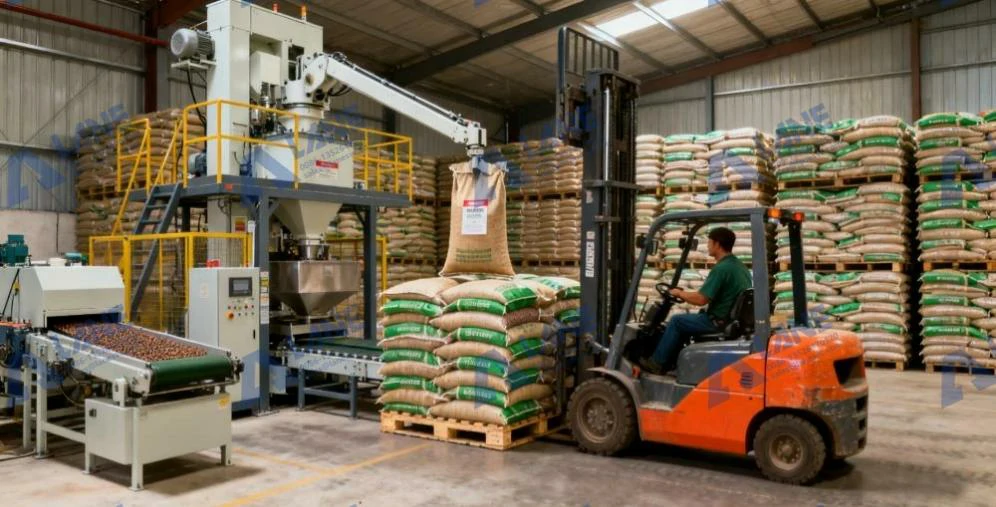
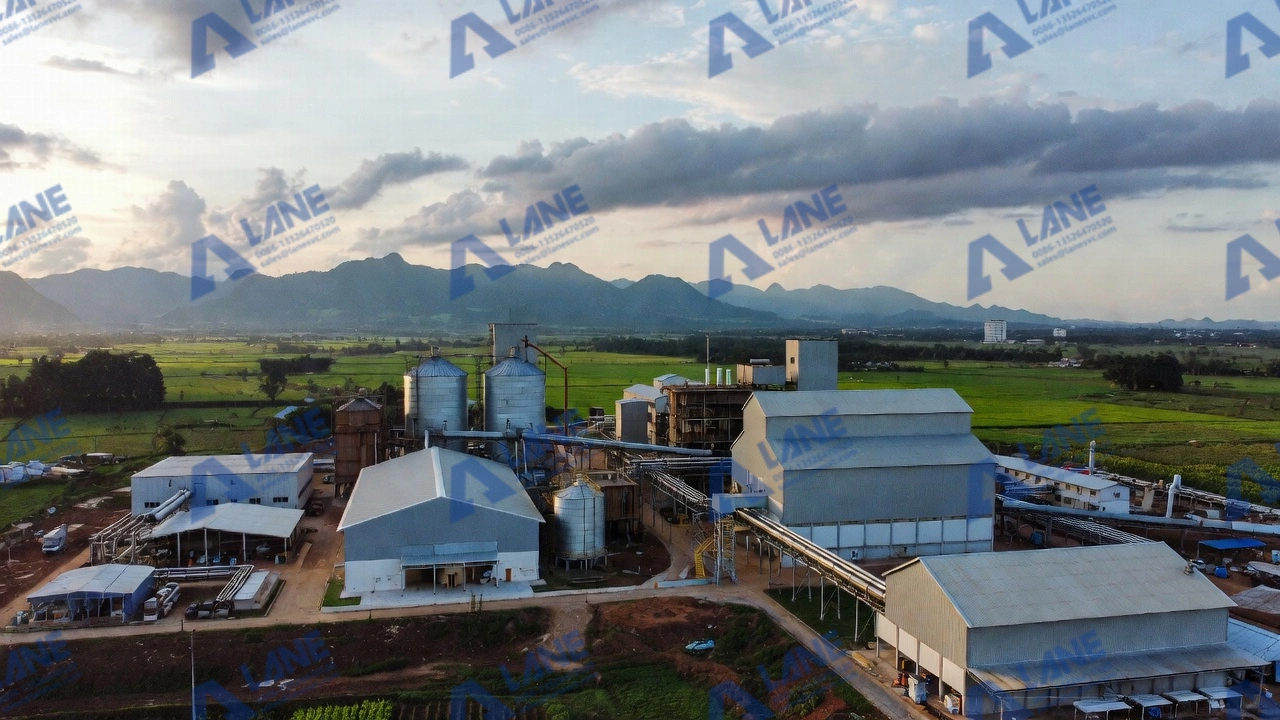
SOP fertilizer mitigates salt stress, improves nutrient balance, and enhances soil structure. It addresses the core challenges of saline soils. It is a strategic investment that shifts fertilization from being a potential contributor to the salinity problem to becoming an active part of the solution. LANE Heavy Industry can manufacture SOP production lines and BB production lines to help you create a successful fertilizer business.
Frequently Asked Questions (FAQ)
Q1: Is SOP fertilizer significantly more expensive than MOP, and is it worth the cost for saline soils?
A1:Yes, SOP has a higher per-unit cost than MOP (Muriate of Potash). However, on saline soils, SOP fertilizer for saline soilsmitigates this cost difference by helping to prevent lost yield and poor crop quality. The ROI of SOP fertilizer for saline soils comes from protecting your crop investment and improving harvest value, making it a cost-effective choice for managing salinity.
Q2: Can I use SOP fertilizer along with other soil amendments for salinity?
A2: Absolutely. In fact, an integrated approach is best. SOP fertilizer for saline soils is highly compatible with gypsum (for sodic soils) and organic fertilizer. Gypsum addresses excess sodium while SOP provides essential potassium nutrition, while organic fertilizer introduces soil-beneficial bacteria.
Q3: How quickly will I see results after switching to SOP on my saline fields?
A3: Plant response can be seen within a single growing season. However, significant reclamation of soil health is a multi-year process. You have to combine good irrigation management and good nutrient management to get a cumulative benefit.
Q4: Are all crops equally responsive to SOP on saline soils?
A4: Yes and no. Chloride-sensitive crops face the most damage in saline soil. This is why they also get the most benefits. These include high-value fruits like berries, grapes, citrus, stone fruits, and vegetables like tomatoes, potatoes, and lettuce. Field crops like tobacco and legumes also respond very well. Even chloride-tolerant crops benefit from SOP fertilizer under stress conditions.
Q5: Can SOP fertilizer lower the salinity level (EC) of my soil?
A5: It cannot do it directly. SOP itself is a salt, though it has a lower salt index than MOP. Its primary role is not to leach salts but to enable the plant to cope with existing salinity. SOP fertilizer for saline soils ensures that you are fertilizing with a nutrient source that won’t add to the chloride burden.
Of course, we also offer other types of products for your different needs, you can click to view.
For more information, please contact us by sending an inquiry today! We can help you!



Write a Reply or Comment