
Navigating the Growing SOP Fertilizer Market: Key Considerations for New Production Line Investment
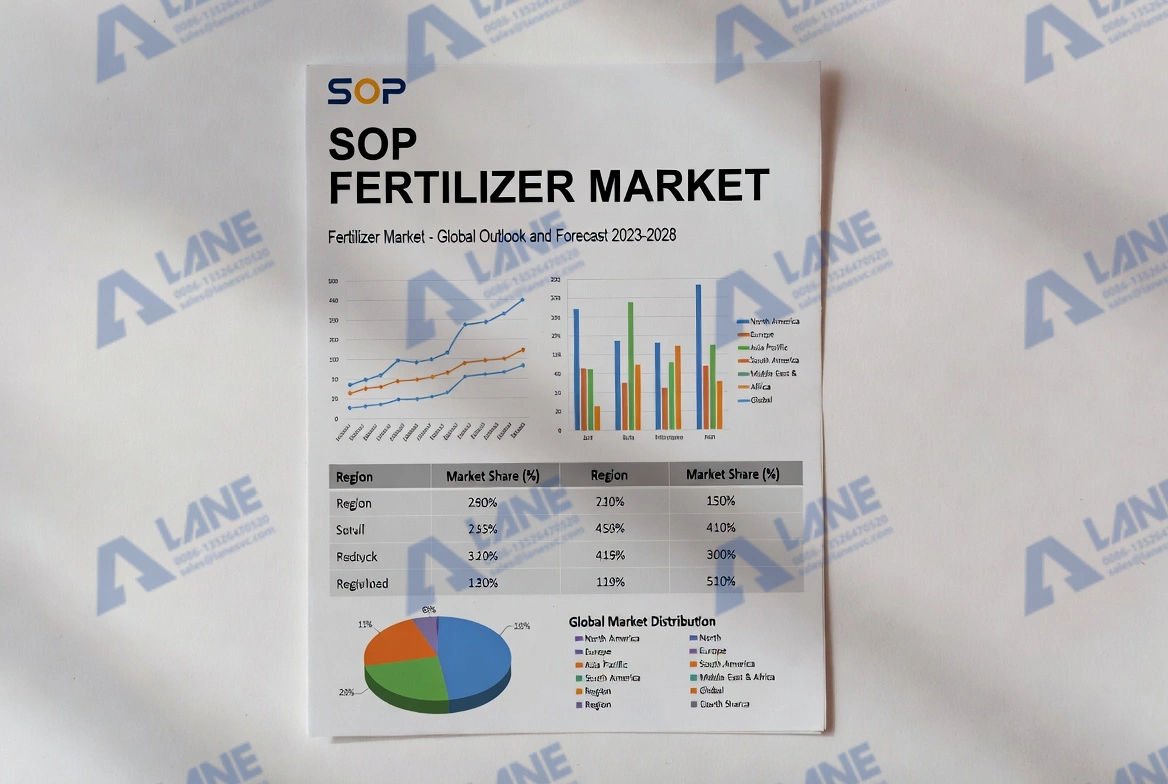
With the continuous advancement of the agricultural market and production technology, the demand for high-quality, environmentally friendly fertilizers has increased. Among them, SOP fertilizer is getting popular because of the rise of high-value chloride-sensitive crops like fruits, vegetables, nuts, tobacco, and coffee. The SOP fertilizer market has thus entered a stage of rapid growth in both market scale and application scope.
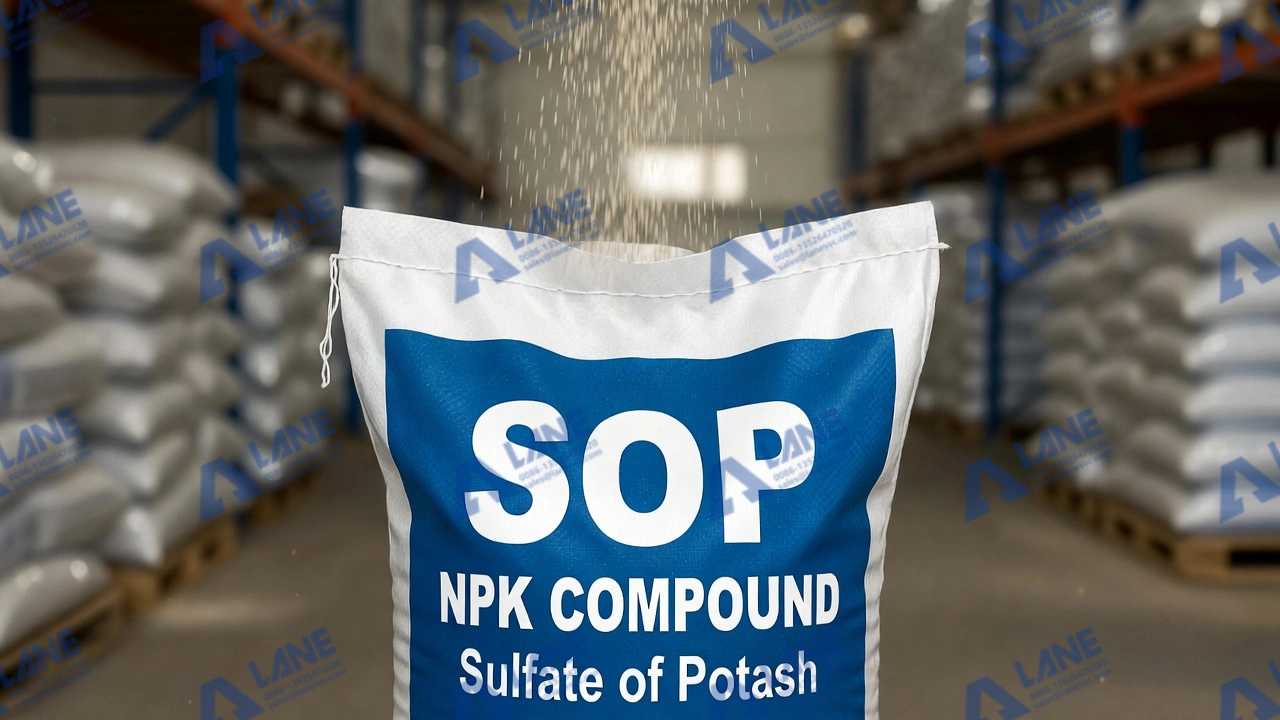
SOP is the premium potassium fertilizer because of its chloride-free formulation. The most common potassium fertilizer is Muriate of Potash (MOP), which has a chloride content of up to 47%. This makes MOP dangerous for chloride-sensitive crops. However, entering and expanding within the SOP fertilizer market requires more than just recognizing the demand; it requires properly planned and efficient machinery.
Understanding the SOP Market Dynamics
Before entering a market, it is necessary to understand what you are producing and why it is valuable in your region. SOP (K₂SO₄) is a premium potassium fertilizer that provides both potassium and sulfur without chloride. Chloride can harm soil health and reduce the yield and quality of many crops. This dual nutrient advantage, along with its chloride-free nature, adds value and commands a premium price in the SOP fertilizer market. But success in the market also hinges on producing a consistent, high-purity product that meets industry standards. This is directly dependent on the precision and reliability of your production line.
Core Process Selection: The Foundation of Your Investment
The choice of production process is the first and most important technical decision. This decision influences your raw material sourcing, capacity, and final product quality. The two primary commercial routes are:
The Mannheim Process: This is the most common method. In this process, a high-temperature reaction between Potassium Chloride (MOP) and Sulfuric Acid is used to create premium-quality SOP. It requires a specialized Mannheim Furnace and Reaction Chamber. Both machines are important for creating SOP. This process is known for creating high-purity SOP and valuable Hydrochloric Acid as a by-product.
The Sulfate Raw Salt Conversion Process: This method uses natural sulfate salts like langbeinite, kainite, or by-product sulfates and reacting them with potassium chloride solution. This is a more economical route if low-cost sulfate sources are available locally. This process involves a complex liquid handling process.
For most new businesses who want to enter the SOP fertilizer market, the Mannheim Process offers a proven, scalable path. LANE Heavy Industry, a fertilizer production line manufacturer with over 20 years of history, has deep expertise in designing and fabricating the critical reactor systems for these aggressive chemical environments. We can create production lines for both processes.
Beyond Reactors: The Integral Role of Material Handling & Granulation
A production line is only as strong as its weakest link. The reactors make the raw SOP, but the surrounding production line offers product form, custom formulation, and profitability.
Raw Material Preparation & Feeding: Precision is the most important factor in a fertilizer production line. LANE offers a dynamic batching system that accurately feeds the SOP and other micronutrients to the production line. The system is accurate and corrosion-resistant. LANE’s dosing system ensures a precise dose of raw materials in the reaction chambers.
Product Cooling & Sizing: The hot cake exiting the Mannheim furnace must be cooled efficiently. LANE uses a rotary cooler for this purpose. LANE’s hammer crusher can effectively crush the SOP crystal into fine powder.
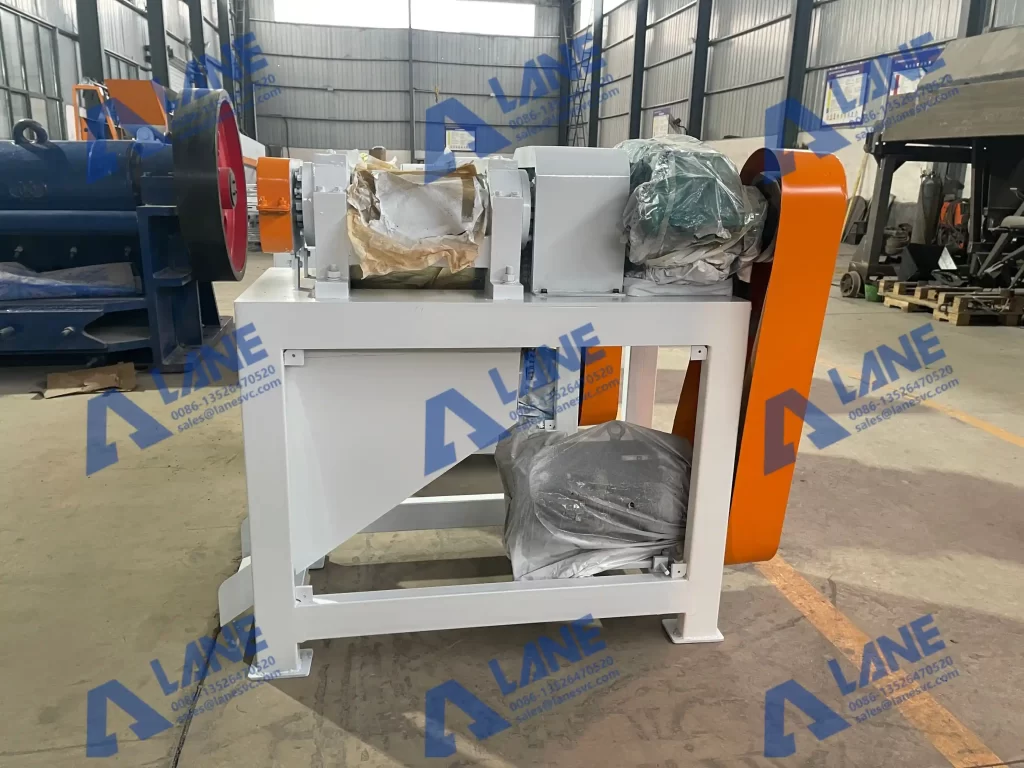
Granulation: This adds market value to the SOP fertilizer. Granules are easy to store and apply. They are preferred for bulk blending, mechanical spreading, and controlled-release applications. It is the fastest-growing segment in the SOP fertilizer market. Adding a rotary drum granulator or a double roller granulator can enhance your product’s marketability and price. LANE Heavy Industry’s granulation systems are engineered to handle SOP’s characteristics and produce hard, dust-free, uniformly-sized granules.
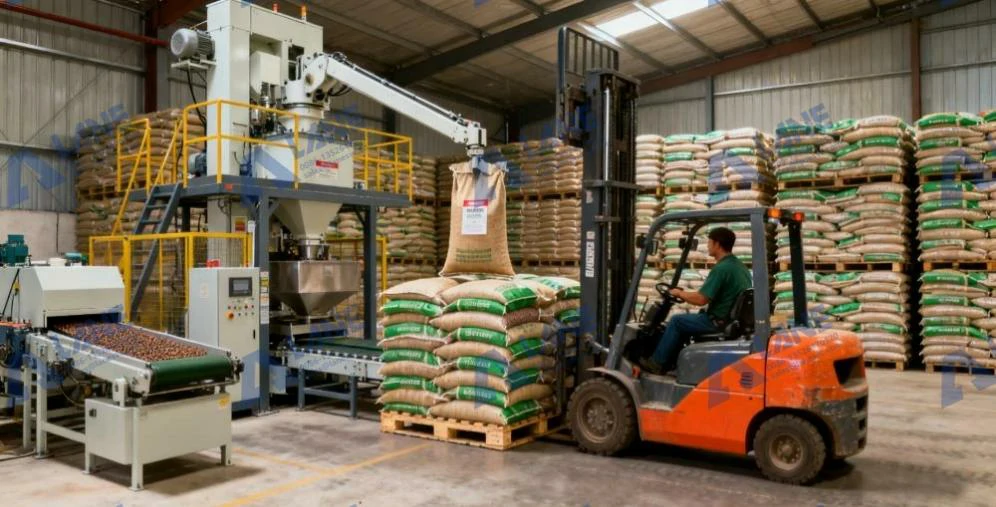
Screening, Coating, and Packaging: After granulation, the granules are sent to the screening machine to separate on-size granules from oversized granules. The on-size granules are then sent to a coating machine to improve storage and handling, while the others are sent to the crusher to reenter production. After coating, the fertilizers are sent to the packing machine for marketing.
Key Machinery Considerations for a Reliable SOP Line
When selecting equipment, it is important to prioritize durability, precision, and vendor support. For a production line centered on the Mannheim process, the following equipment is necessary:
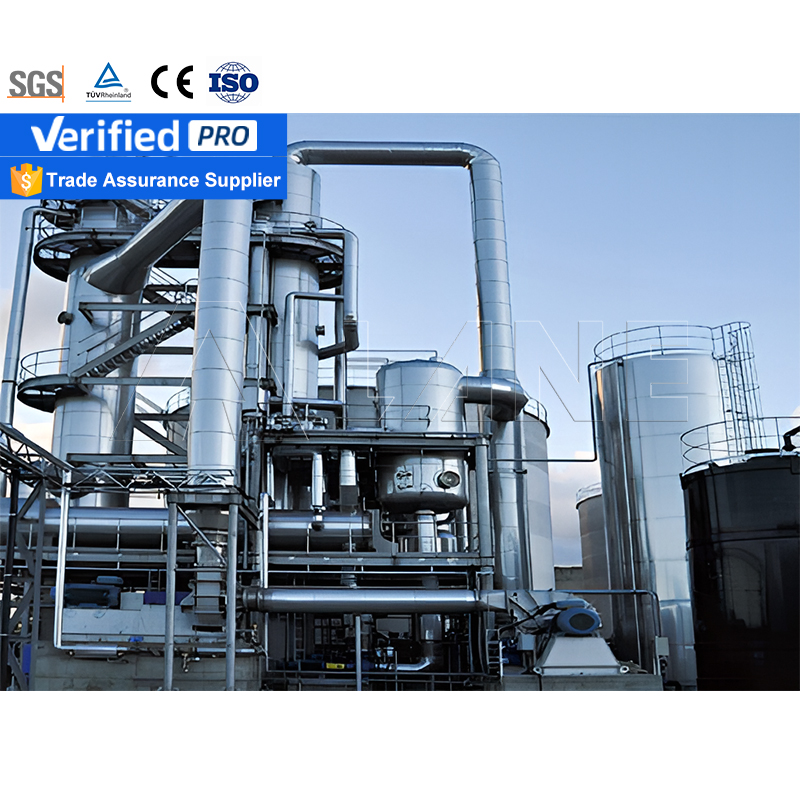
The Mannheim Reactor: The Mannheim furnace works at high temperature. It must be constructed with specialized alloys to withstand the high temperatures and corrosive reactants/by-products.
Corrosion-Resistant Material Handling: All equipment directly involved with the product material must be constructed with appropriate materials like specialized steels or linings.
Robust Granulation & Size Control: Granulators, compactors, and coolers must be built for 24/7 operation with minimal downtime. LANE’s heavy-duty machinery is known for easy maintenance access and customizable designs to match specific capacity and product goals.
Integrated Automation & Control: A modern PLC or DCS is a necessity for an SOP fertilizer production line. It ensures precise control over reaction parameters, feed rates, and temperatures. This helps in granulating with consistent product quality and operational safety.
The growing SOP fertilizer market brings huge investment opportunities for enterprises. But with opportunities come challenges. Buying a production line from LANE Heavy Industry secures you from production-related challenges. You just have to find buyers and market your SOP fertilizer. LANE Heavy Industry not only provides machines but integrated solutions from design to commissioning.
FAQs: Investing in SOP Fertilizer Production
Q1: What is the main driver of growth in the SOP fertilizer market?
A: The primary driver is the expanding cultivation of chloride-sensitive crops (e.g., fruits, vegetables, nuts, tobacco) and the rising demand for high-quality, premium fertilizers that improve yield, taste, and shelf-life without damaging soil health.
Q2: What is the difference between MOP and SOP?
A: MOP (Muriate of Potash, KCl) is the most common potassium fertilizer but contains chloride. SOP (Sulfate of Potash, K₂SO₄) is chloride-free and supplies potassium in a sulfate form, making it ideal for sensitive crops and soils where chloride buildup is a concern. SOP typically commands a higher price in the fertilizer market.
Q3: Why is the Mannheim Furnace so critical, and what should I look for in this equipment?
A: The Mannheim Furnace is where the core chemical reaction occurs. It must endure extremely corrosive and high-temperature conditions. Look for a supplier with proven expertise in metallurgy and fabrication for this specific application, like LANE Heavy Industry, to ensure longevity, safety, and consistent product quality.
Q4: Is granulation necessary for entering the SOP fertilizer market?
A: While you can sell powdered SOP, the market strongly prefers granular SOP for its handling, blending, and application properties. Investing in a granulation line (e.g., a rotary granulator or compaction system) significantly broadens your customer base and allows you to command a better price, improving ROI.
Q5: Can LANE Heavy Industry provide a complete SOP production line solution?
A: Yes. LANE Heavy Industry specializes in providing integrated solutions for fertilizer production. From the core Mannheim reactor system and raw material handling to granulation, cooling, screening, and coating equipment, they can engineer, manufacture, and support a complete, turnkey SOP production line tailored to your capacity and product goals.
Of course, we also offer other types of products for your different needs, you can click to view.
For more information, please contact us by sending an inquiry today! We can help you!



Write a Reply or Comment