
SOP Fertilizer NPK Ratio Control: Best Practices in Granulation and Coating Processes
Introduction: The Precision Challenge of SOP Fertilizer
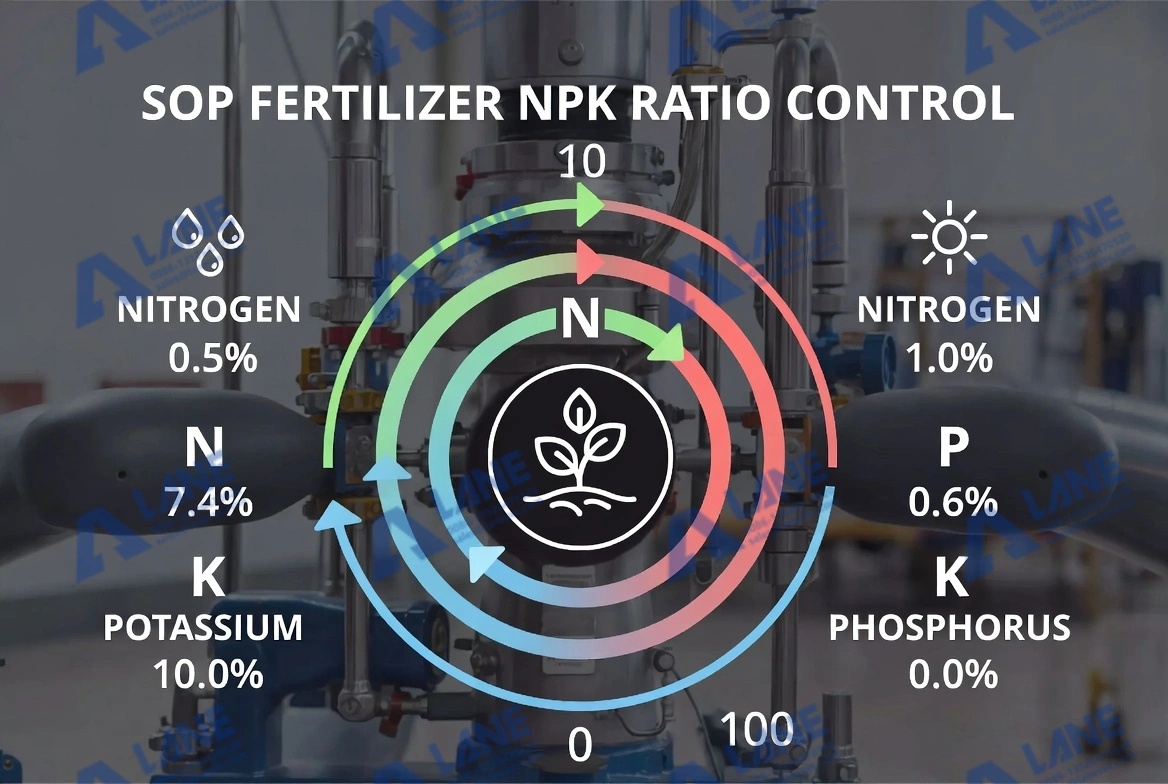
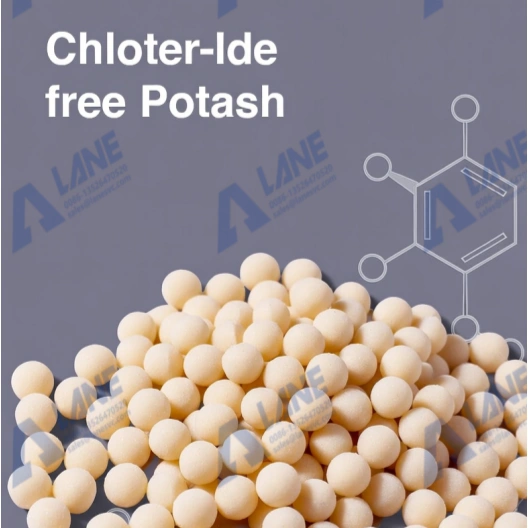
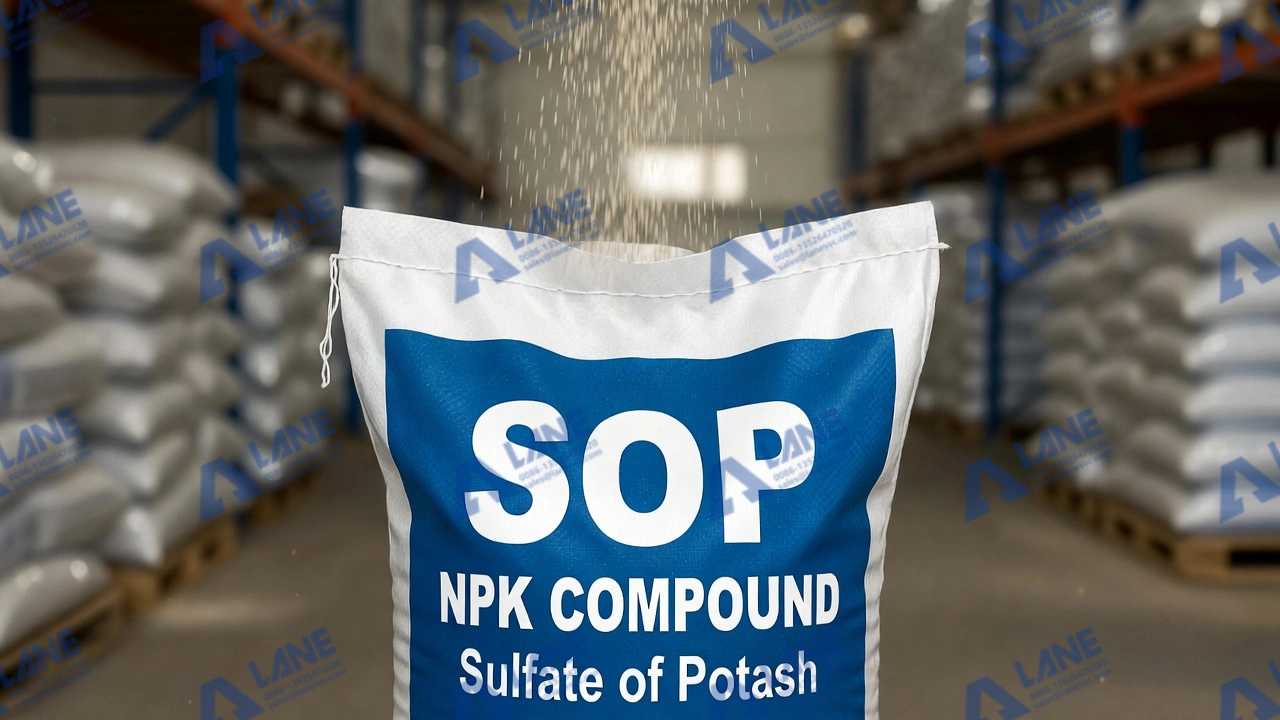
Sulfate of potash (SOP) fertilizer is a premium fertilizer which is prized for its high potassium and sulfur content and chlorine-free nature. This chloride-free nature is essential for sensitive crops. A standard SOP fertilizer NPK ratio grade is 0-0-50-18S. This means zero nitrogen, zero phosphate, 50% potash (K₂O), and 18% sulfur. Accurate control of the nitrogen (N), phosphorus (P), and potassium (K) ratio is essential for crop yield, soil health, and the ecological environment. Maintaining the “N” and “P” as zero while achieving the potassium-to-sulfur balance is what makes a quality SOP fertilizer.
The challenge of an SOP fertilizer production line is to transform raw materials into uniform, dust-free granules that accurately deliver the SOP fertilizer NPK ratio. Slight changes to this ratio can affect crop yield, soil health, and brand trust. There are many stages in the production when this integrity can be compromised. This article explains the best practices for SOP production with the help of LANE Heavy Industry Company Limited.
The Granulation Phase: Foundation of Ratio Integrity
Granulation is what transforms SOP powder into dense, dust-free, easy-to-sell granules. Granules fetch a premium price. A granulation machine must be consistent. Inconsistent granule size or density leads to nutrient inconsistency. This undermines the consistent SOP fertilizer NPK ratio.
Best Practices:
Pre-Mixing Precision: Adding a double-shaft horizontal mixer to mix the SOP fertilizer with any necessary binders before granulation.
Moisture Control: The binder must be uniformly sprayed. Inconsistent moisture leads to “over-wet” soft cores and “under-wet” fine dust.
Granule Hardness & Size Distribution: A standard SOP fertilizer granulation size is between 2-4mm. This narrow particle size distribution, along with high crushing strength, prevents size-based nutrient separation.
LANE Granulation Technology: Ensuring Homogeneous NPK
Distribution
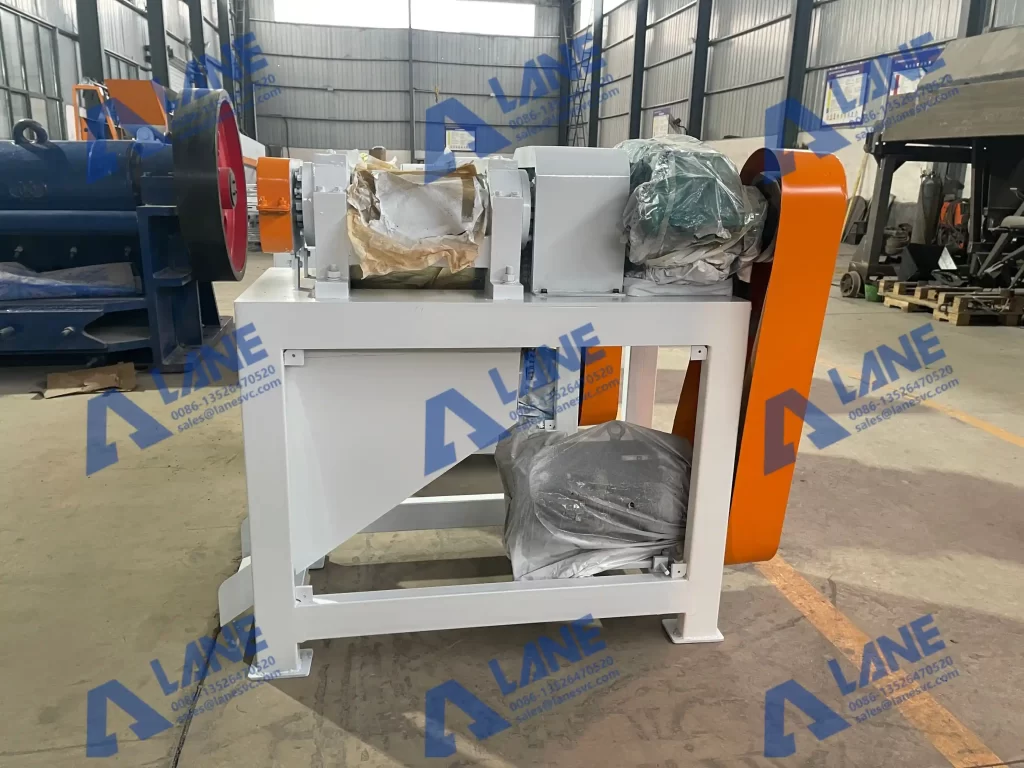
LANE Heavy Industry has developed several granulation solutions that tackle these challenges. Our Double Roller Granulator and Rotary Drum Granulator are the cornerstones of granulation.
Engineered Design: LANE’s designed granulators ensure every particle is evenly exposed to the liquid spray. This creates uniform granules. The LANE Double Roller is a dry granulator which uses compression to create granules.
Advanced Spray Systems: LANE integrates nozzle arrays with controlled droplet size. This eliminates over-wetting and ensures uniform moisture distribution for the SOP fertilizer NPK ratio per granule.
Robust Construction & Inclination Control: The operator can change the speed/angle of the granulators to fine-tune the granulation time of rotary drum granulators. For the Double Roller Granulator, changing the roller is easy. You can just change the roller to adjust the size.
The Coating Phase: Sealing and Stabilizing the NPK Ratio
Coating is essential to preserve the granules. A well-applied coating serves to:
Seal the Nutrient Core: Prevents moisture absorption and caking. Without coating, there is a chance of chemical breakdown and nutrient leaching.
Reduce Dust: Coating your granules will minimize the loss of nutrient-rich fines during handling.
An ineffective coating degrades the granules; this directly affects the physical form that carries the guaranteed SOP fertilizer NPK ratio.
Best Practices:
Uniform Film Formation: The coating oils or specialized polymers must form a thin, continuous film around every granule.
Temperature Management: The ventilation system of the coating drum allows the coating to set without “cooking” the fertilizer.
LANE Coating Systems: Precision Application for Nutrient Preservation
LANE’s Rotary Coating Drum is designed for consistent performance. It provides:
Homogeneous Tumbling: The drum promotes a gentle, rolling, cascading action. This action exposes every granule to the coating agent.
Integrated Spray & Ventilation Systems: LANE systems feature high-efficiency nozzles and coordinated air-flow systems. This allows our machine to distribute the coating evenly.
Integrated Process Control: The Key to Consistent “0-0-50-18S”
The production line designed by LANE works as an integrated system. We view our granulation and coating machines as part of the same unit. We use a fully automated, highly controlled PLC system to maintain and monitor the whole production line. Real-time monitoring of parameters like feed rate, moisture addition, drum speed, and temperature allows for immediate adjustments.
Conclusion: Building a Reputation on Consistency
The SOP fertilizer NPK ratio control is the key to ensuring the stability and accuracy of the fertilizer. In the fertilizer market, consistency is brand equity. By implementing best practices with the precision engineering of LANE Heavy Industry’s machinery, producers can create the high-quality, premium SOP fertilizer that the market demands.
Frequently Asked Questions (FAQ)
Q1: Why is the NPK ratio so important if SOP is just potassium and sulfur?
A: The stated SOP fertilizer NPK ratio (0-0-50-18S) is a legal and agronomic guarantee. It certifies the minimum concentrations of plant-available nutrients. Precise ratios ensure farmers can calculate exact application rates for their crops’ needs. Inconsistency forces them to over-apply to meet minimum needs, wasting money and potentially harming soil balance.
Q2: Can’t I just mix the powders accurately to control the ratio? Why is granulation so critical?
A: Accurate mixing is the essential first step, but without proper granulation, the blend will segregate during handling, transport, and spreading. Granulation “locks” the homogenous powder mix into individual, durable granules, ensuring every handful or machine spreader pass delivers the same SOP fertilizer NPK ratio.
Q3: What happens if the coating process fails?
A: A failed coating leads to hygroscopic (moisture-absorbing) granules. This causes caking, which creates hard lumps that do not spread evenly. It also increases dust, which is a loss of product and a potential hazard. Most critically, moisture can initiate chemical reactions that degrade the nutrient, altering the actual available SOP fertilizer NPK ratio by the time it reaches the soil.
Q4: How does LANE Heavy Industry’s machinery specifically prevent NPK ratio drift?
A: LANE equipment is designed for uniformity at every stage: their mixers ensure a homogenous raw feed, their granulators create evenly-sized and dense granules, and their coaters apply a consistent protective layer. This end-to-end uniformity, coupled with design features that minimize dust loss and segregation, ensures the ratio formulated at the start is the ratio bagged at the end.
Q5: Is this level of precision only for large-scale SOP producers?
A: While scale benefits from high automation, the principles of ratio control apply to any operation. LANE Heavy Industry offers solutions scalable to different production capacities. The investment in precise granulation and coating technology protects the quality and reputation of any brand, regardless of size, by ensuring every batch meets its guaranteed analysis.
Of course, we also offer other types of products for your different needs, you can click to view.
For more information, please contact us by sending an inquiry today! We can help you!



Write a Reply or Comment