
Integrating a Dedicated SOP Fertilizer Production Line for Tobacco Cultivation
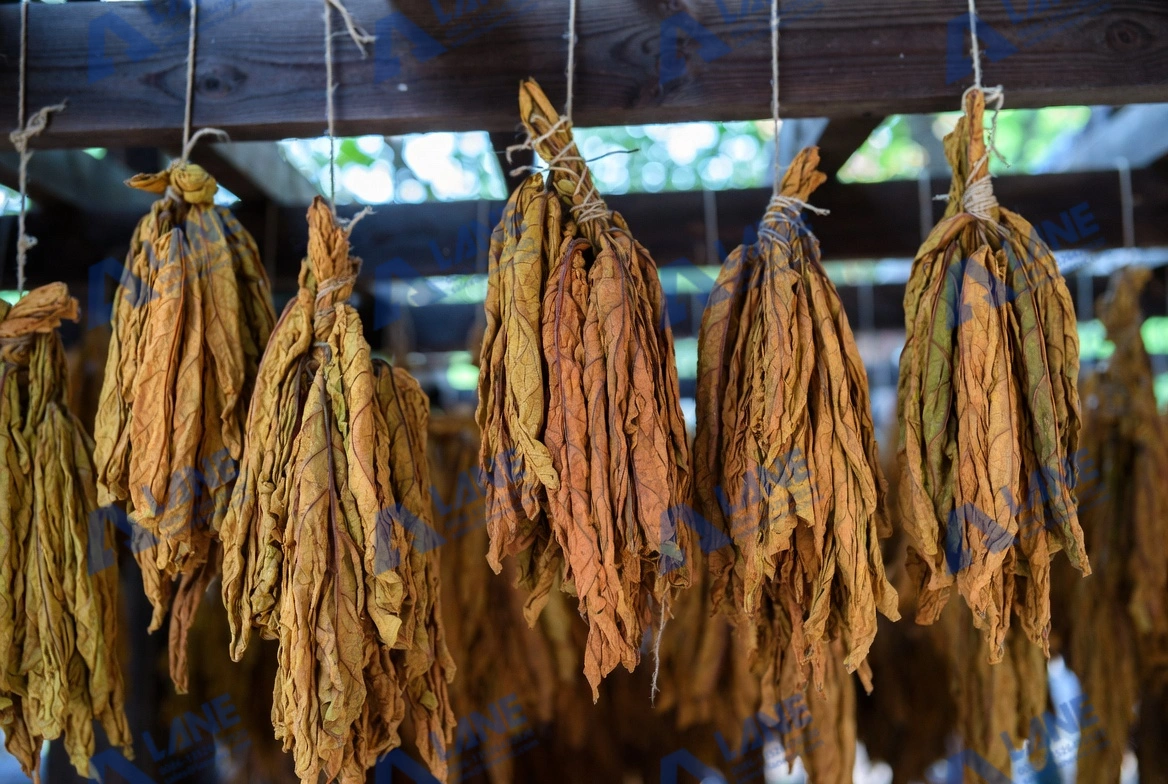
Table of Contents
- Introduction: The Tobacco Quality Imperative
- Why Tobacco Demands Specialized SOP Fertilizer
- The Core of the Solution: LANE Heavy Industry’s Dedicated SOP Production Line
- Process Flow: From Raw Materials to Tobacco-Grade SOP
- Key Benefits of a Dedicated Production Line for Tobacco Growers & Producers
- Conclusion: A Foundation for Premium Crops and Sustainable Growth
- Frequently Asked Questions (FAQ)
Introduction: The Tobacco Quality Imperative
Tobacco is a high-value cash crop. The cultivation of tobacco does not only depend on its yield. The price of a tobacco leaf depends on leaf quality, burn characteristics, aroma, and chemical composition. These characteristics are influenced by crop nutrition. The most important nutrient for these characteristics is potassium. It is responsible for leaf vigor, disease resistance, and optimal curing properties. The most popular potassium source is muriate of potash or MOP. But it has up to 42% chloride, which is harmful for tobacco as tobacco is a chloride-sensitive crop.
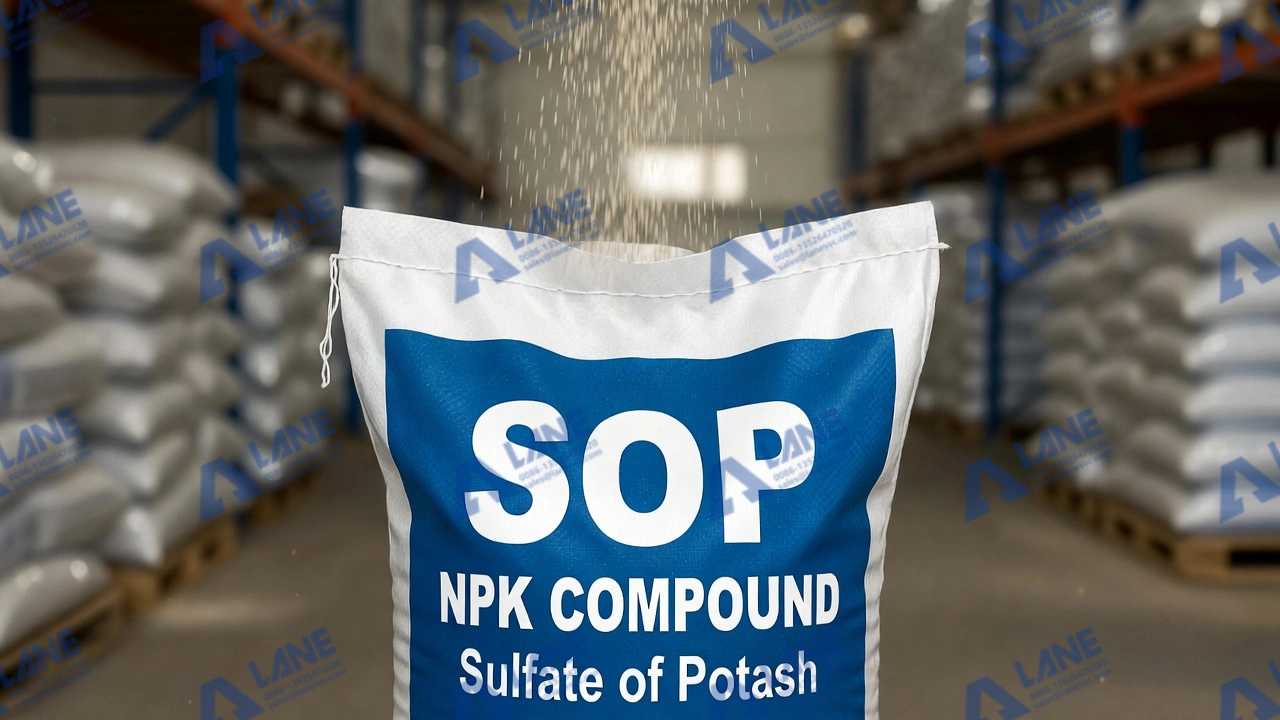
Sulfate of Potash (SOP) is a premium, chloride-free potassium fertilizer and is the gold standard for potassium fertilizer. SOP fertilizer enhances tobacco’s drought resistance, pest resistance, and improves the aroma and combustibility of cured leaves. Forward-thinking agricultural cooperatives and fertilizer producers are now integrating dedicated SOP fertilizer production lines for tobacco.
The production of tobacco-specific SOP fertilizer requires precise control over nutrient ratio, particle size, and production processes. It cannot be produced using ordinary fertilizer equipment. This is where integrating a dedicated SOP Fertilizer Production Line for Tobacco becomes a strategic opportunity for agribusinesses and investors. LANE Heavy Industry’s specialized SOP Fertilizer Production Line for Tobacco is engineered specifically to meet the strict requirements of tobacco cultivation, ensuring consistent quality, high efficiency, and long-term production stability.
Why Tobacco Demands Specialized SOP Fertilizer
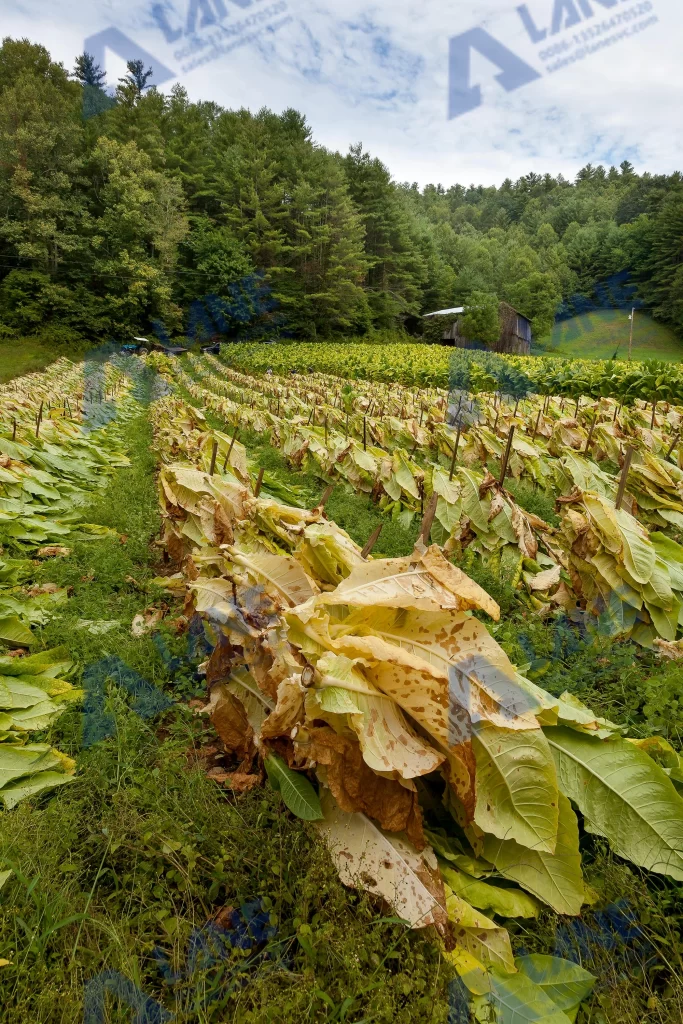
Tobacco is a chloride-sensitive crop. Potassium sources like Muriate of Potash (MOP) contain up to 42% chloride, which is poison to tobacco. It can impair leaf combustibility, increase moisture retention, and ultimately degrade smoking quality. SOP (K₂SO₄) provides the essential potassium without the chloride.
- Enhanced Combustibility: Tobacco fertilized with SOP has a clean, steady burn.
- Improved Aroma & Flavor: Potassium is critical for the development of the compounds inside tobacco.
- Stronger Physical Structure: Potassium contributes to leaf thickness and resilience. It reduces waste during handling and processing.
- Sulfur Contribution: Sulfur in the SOP is a vital secondary nutrient. It is involved in protein synthesis and oil production, which further refines leaf quality.
A generic SOP is okay for some crops, but a dedicated SOP fertilizer production line for tobacco allows for precise control over granule size, hardness, and supplemental micronutrients. This ensures perfect soil dispersion and uptake for the tobacco plant’s specific rooting pattern.
The Core of the Solution: LANE Heavy Industry’s Dedicated SOP Production Line
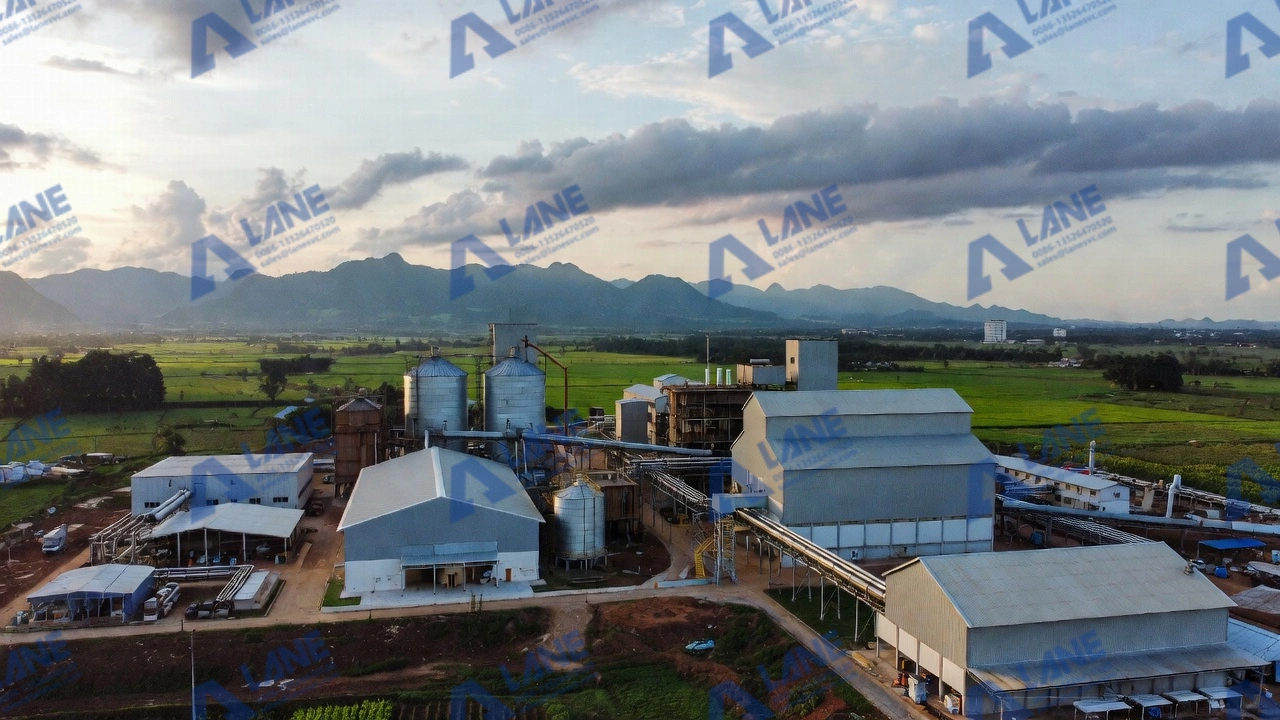
Investing in a dedicated SOP fertilizer production line for tobacco is the first step toward a high-quality premium tobacco product. LANE Heavy Industry provides customized engineering solutions which are designed to produce premium granules. Our SOP fertilizer production line for tobacco is engineered with efficiency and durability with the crop’s needs in mind.
LANE’s SOP fertilizer production line for tobacco contains several key modules.
- Raw Material Preparation System: This ensures consistent feedstock quality and uniform nutrient output.
- Chemical Synthesis: In this process, the raw materials like potassium chloride and sulfuric acid go through the Mannheim furnace and create high-quality SOP.
- Granulation & Compaction: This process uses dry compaction granulation technology. It is ideal for SOP as it avoids heat-induced chemical changes, preserves nutrient availability, and produces dense, dust-free granules with excellent physical strength for storage and handling.
- Drying & Cooling Equipment: This is critical for achieving the optimal moisture content and granule hardness that prevents caking during storage.
- Screening & Coating Units: A rotary screen separates on-size product, while a coating drum applies a protective layer to minimize dust and enhance storage stability.
- Automated Packaging & Control System: This ensures final product marketability and storage capability.
Process Flow: From Raw Materials to Tobacco-Grade SOP
A streamlined process is key to efficiency and continuous operation. Here is how a dedicated line from LANE functions.
Weighing & Batching: Raw materials like potassium chloride and sulfate sources are accurately weighed and stored.
Raw Material Pre-Treatment & Reaction: High-purity potassium chloride and sulfuric acid are sent to the reactor (Mannheim furnace). The result is crude potassium sulfate. It is then cooled down and crushed with a primary crusher.
Crushing and Mixing: After the primary crushing, the crude fist-sized chunks are sent to chain mills to be crushed into fine powder and then sent to the mixer. Here, with LANE’s advanced technology, they are mixed with trace elements like boron or magnesium, tailored to regional soil test data.
Granulation: The mixed dry powder is then sent to the LANE Double Roller Granulator. Here, it is compacted by two counter-rotating rollers to create granules.
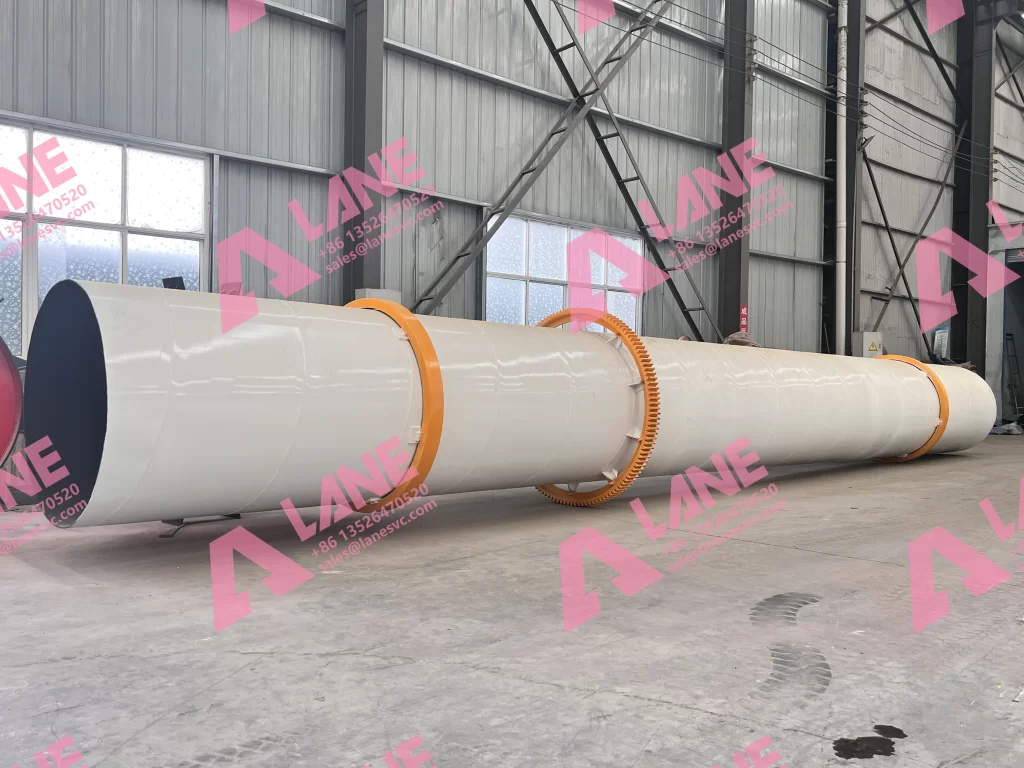
Drying & Cooling: Granules pass through a rotary dryer to reduce moisture, then a cooler to stabilize their temperature.
Screening & Coating: On-size granules are separated, while oversize and undersize materials are recycled. A light coating is applied with the help of a coating machine.
Packaging: The finished, premium SOP is packaged into bags or bulk containers. It is ready for distribution to tobacco farms.
Key Benefits of a Dedicated Production Line for Tobacco Growers & Producers
- It eliminates cross-contamination risk from chloride-based fertilizers produced on shared lines.
- LANE’s SOP fertilizer production line for tobacco delivers batch-to-batch uniformity in nutrient content and physical properties. It allows farmers to trust their fertilization program completely.
- You can produce your ideal granule size, dissolution rate, and hardness for tobacco soil conditions.
- This production line will reduce your dependence on external fertilizer suppliers and mitigate market price volatility.
- Producing tobacco-specific SOP will enhance your market value and brand quality.
Conclusion: A Foundation for Premium Crops and Sustainable Growth
Integrating a dedicated SOP fertilizer production line for tobacco is a profitable investment for agricultural enterprises looking to improve tobacco quality and production efficiency. It is a commitment to quality, control, and long-term sustainability. By partnering with an experienced equipment provider like LANE Heavy Industry, tobacco growers and fertilizer manufacturers can secure the foundation for their premium quality SOP fertilizer.

Frequently Asked Questions (FAQ)
Q1: Why can’t I just use standard MOP (Muriate of Potash) on my tobacco crop?
A1: MOP contains high levels of chloride, which tobacco plants are highly sensitive to. Chloride accumulation can lead to poor burn quality, thicker leaves with higher moisture content, and an overall reduction in leaf grade and market value. SOP is chloride-free and provides beneficial sulfur.
Q2: Is it economically feasible to set up a dedicated SOP line for a specific crop like tobacco?
A2: For a large-scale tobacco growing cooperative, a regionally focused fertilizer company, or a government-led agricultural initiative, it is highly feasible. The economics improve by securing a stable, high-quality input for a high-value crop, reducing long-term costs, and potentially serving a niche market of premium growers.
Q3: What is the key advantage of LANE Heavy Industry’s compaction granulation method for SOP?
A3: The compaction-granulation method used by LANE Heavy Industry’s SOP fertilizer production line for tobacco produces hard, dense, low-dust granules with excellent storage and handling properties. It is also a highly efficient and controllable process that allows for precise adjustment of granule characteristics, which is essential for creating a crop-specific product.
Q4: Can the production line be adjusted to make different SOP blends or add micronutrients?
A4: Yes, a significant advantage of a dedicated, modern line like those from LANE is its flexibility. The formulation can be adjusted, and systems can be integrated to coat granules with specific micronutrients (like Boron or Zinc) that are also crucial for tobacco health, creating a truly customized fertilizer product.
Of course, we also offer other types of products for your different needs, you can click to view.
For more information, please contact us by sending an inquiry today! We can help you!



Write a Reply or Comment