
SOP vs MOP Fertilizer Comparison: Which Potassium Source is Right for Your Crops?

Potassium is one of the major nutrient sources of plants. It helps with crop growth, regulate water balance, enhance disease resistance and improves yield and quality. In modern agriculture farmers and agronomists are looking for fertilizer that not only help with maximizing yield but also improve quality. However, not all potassium fertilizers are created equal. To farmers the choice between sulfate of potash (SOP) and Muriate of Potash (MOP) is one of the most significant decisions for their plant nutrient plan.
This article provides a detailed SOP vs MOP fertilizer comparison, breaking down the science, benefits, and drawbacks of each type of potassium fertilizer to help you select the right source for your crops and soil. Understanding this SOP vs MOP fertilizer comparison also highlights how LANE Heavy Industry’s SOP and MOP production line ensures the creation of the highest quality fertilizer for modern agriculture.
Understanding the Basics: What Are SOP and MOP?
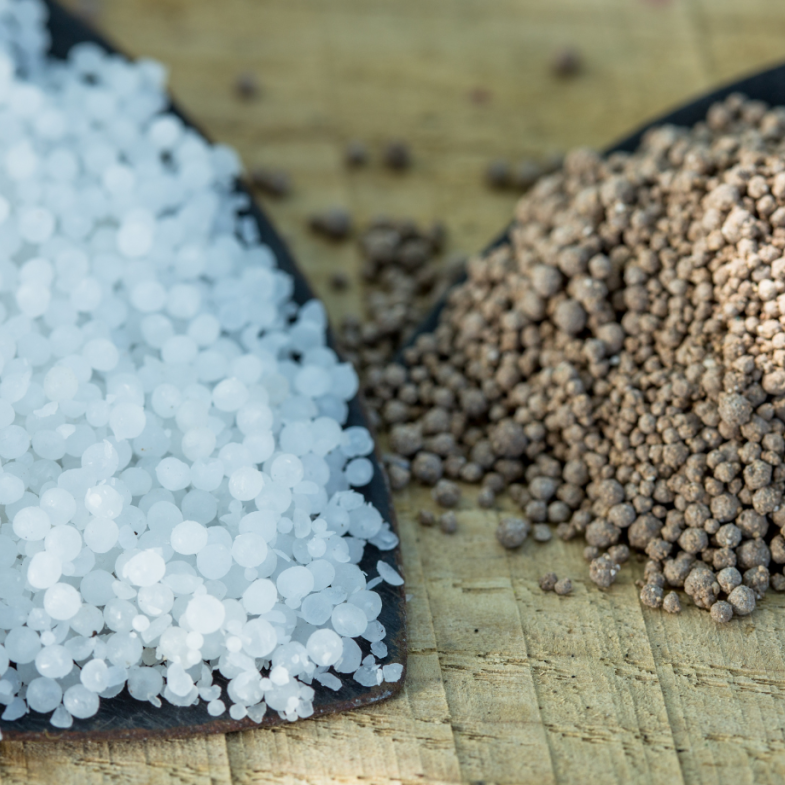
- MOP (Muriate of Potash / Potassium Chloride – KCl): This is the most common source of potassium fertilizer. It typically contains 60-62% K₂O and is derived from ancient marine deposits. The high potassium content and low cost make this fertilizer a staple in broadacre agriculture.
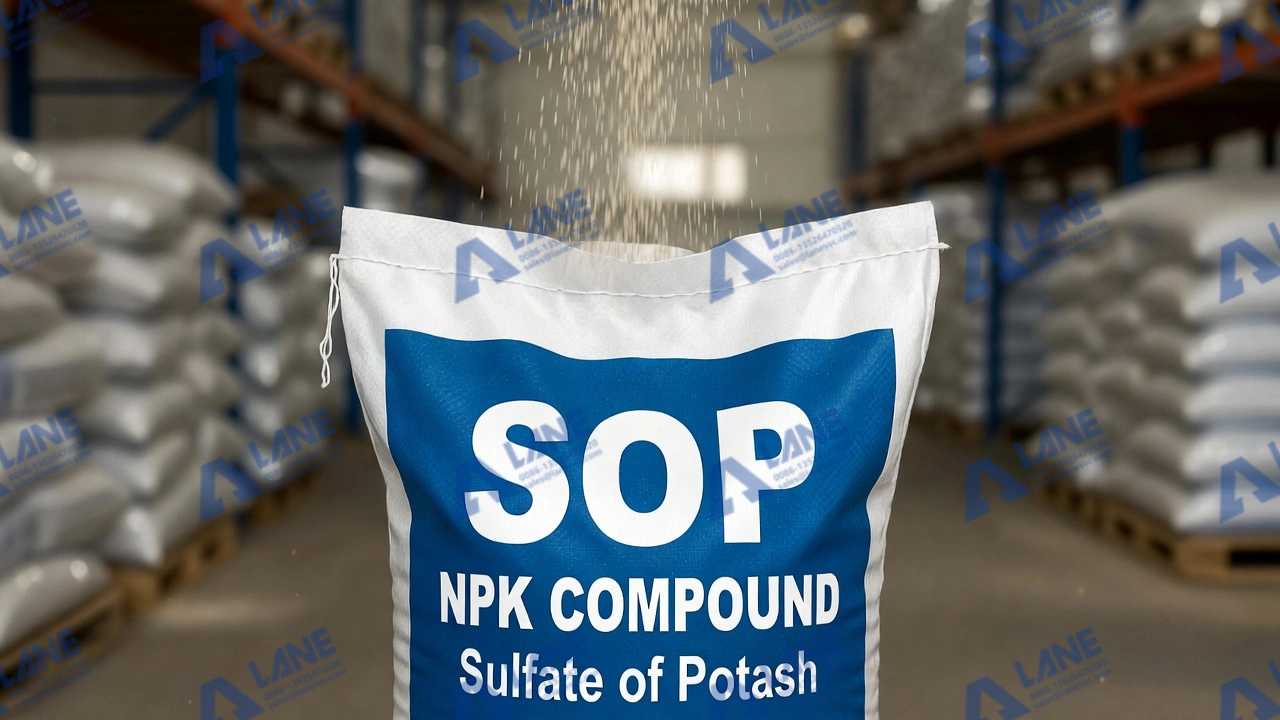
- SOP (Sulfate of Potash – K₂SO₄):It’s a premium fertilizer which contains approximately 50-52% K₂O and 18% sulfur (S). SOP is valued for its chloride-free composition and also supplies sulfur, an essential secondary macronutrient crucial for protein synthesis and oil formation.
Key Differences: A Side-by-Side SOP vs MOP Fertilizer Comparison
| Feature | SOP (Sulfate of Potash) | MOP (Muriate of Potash) |
| Chemical Formula | K₂SO₄ | KCl |
| K₂O Content | ~50-52% | ~60-62% |
| Secondary Nutrient | 17-18% Sulfur (S) | ~47% Chloride (Cl) |
| Salt Index | Lower | Higher |
| Effect on Soil | Lowers soil pH slightly; no chloride accumulation. | Can increase soil salinity and chloride levels. |
| Primary Use | High-value, chloride-sensitive crops; quality-focused programs. | Broadacre crops tolerant to chloride; cost-sensitive programs. |
Impact on Crops and Soil Health
This is where the SOP vs MOP fertilizer comparison becomes critical for on-farm results.
- Chloride Sensitivity:MOP contains up to 47% chloride. Chloride is poisonous to many high-quality cash crops like tobacco, potatoes, berries, grapes, nuts, and some legumes. Excess chloride can cause leaf burn, reduce potato quality, and negatively impact the flavor and burning quality in tobacco. SOP fertilizer is the clear choice for these crops.
- Sulfur Benefits:SOP provides readily available sulfate-sulfur to plants. Sulfur is increasingly deficient in many soils and is critical for nitrogen efficiency and the synthesis of amino acids, oils, and aromatics. It directly influences crop quality, protein content, and marketability.
- Soil Salinity and Health: MOP has a higher salt index. It contributes to more soil salinity issues in arid regions or poorly drained soils. Long-term, excessive MOP use can lead to chloride buildup. A proper SOP vs MOP fertilizer comparison ensures the selection of the right potassium source, minimizing risks and improving crop outcomes. SOP poses a much lower risk and is recommended for saline or sodic soils.
The Cost-Benefit Analysis: Price vs. Performance
A careful SOP vs MOP fertilizer comparison highlights the importance of considering:
- Yield Protection:Using MOP on chloride-sensitive crops poses a risk of yield loss or quality downgrades. This can wipe out any savings made from not buying SOP.
- Quality Premiums:SOP can enhance qualities in crops that command higher prices: better fruit color, higher sugar/oil content, and improved storage ability.
- Soil Longevity:In fragile soils, the cost of mitigating salinity or chloride toxicity can far outweigh the initial fertilizer savings.
Modern SOP Production: The Role of Advanced Granulation Technology
While SOP occurs naturally, it’s rare. Much of the world’s SOP supply is produced through chemical conversion (like the Mannheim Process) or from sulfate-containing brines. A careful SOP vs MOP fertilizer comparison helps determine when SOP production is preferred over MOP. The material is then sent to a granule production line to create a final hard, uniform, dust-free granule suitable for modern blending and spreading.
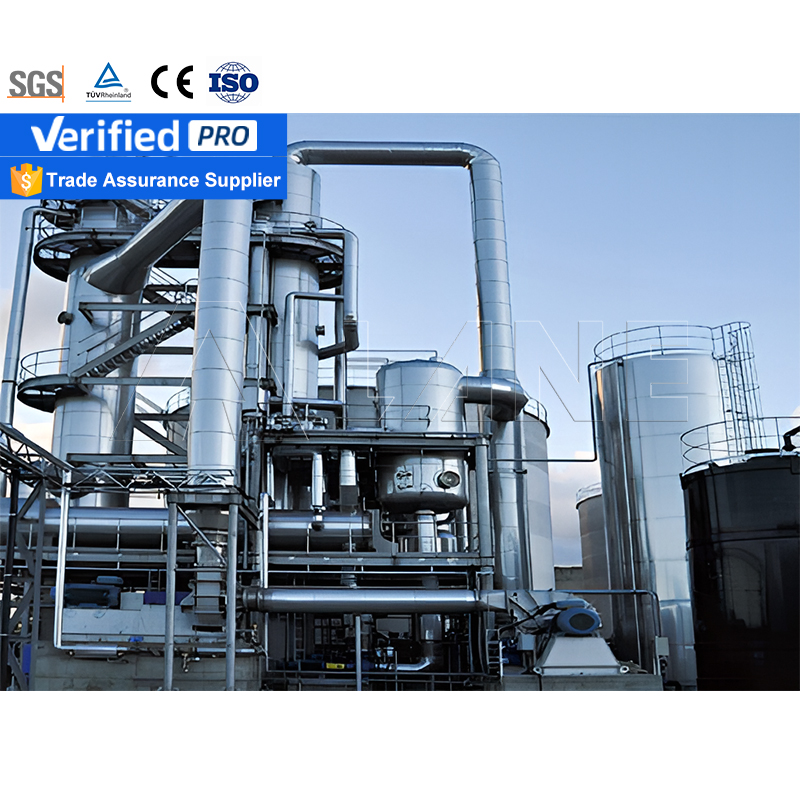
LANE Heavy Industry, a professional manufacturer of organic and chemical fertilizer production lines, has created solutions for both chemical conversion and granulation. Our specialized SOP fertilizer production lines are engineered to handle the unique properties of potassium sulfate, addressing insights gained from the SOP vs MOP fertilizer comparison. The process typically involves:
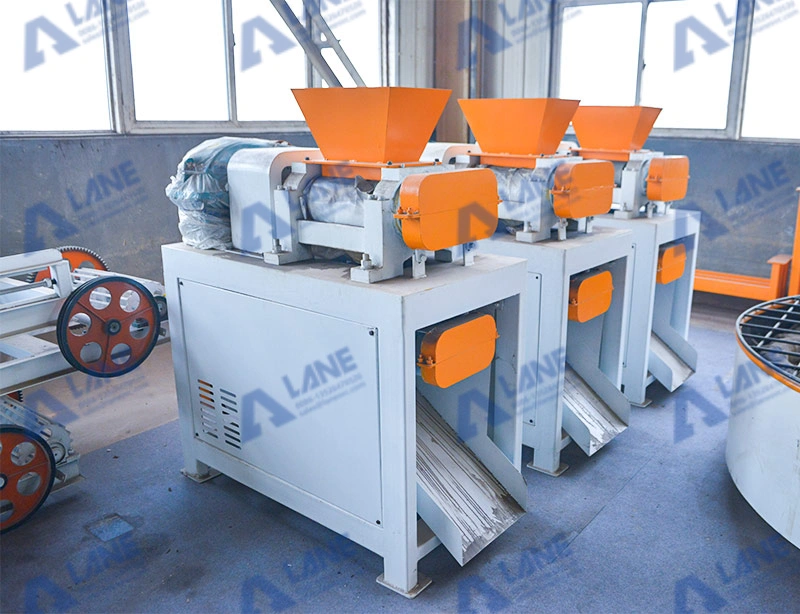
- Compaction & Granulation:LANE’s heavy-duty double roller granulators compact fine powder into solid granules. It uses two counter-rotating rollers to compress the powder.
- Finishing & Hardening:A polishing drum smooths the granules, increasing their strength and reducing dust.
- Drying & Cooling:Rotary dryers and coolers remove excess moisture and solidify the granules, ensuring stability during storage and transport.
- Screening & Coating:Final granules are sent to the LANE rotary screening machine. It separates on-spec granules from fines and oversized granules. Fines and oversized granules are sent to a crusher and are recycled back to the granulator. The on-spec granules are sent to a coating machine to be coated with anti-caking agents in a coating drum.
This engineered granulation process, enabled by robust machinery, ensures that SOP fertilizer is physically reliable. It prevents segregation in blends and ensures accurate field application.
How to Choose: Decision Factors for Your Farm
Use this checklist to guide your SOP vs MOP fertilizer comparison for your farm:
- Crop Type: Is it chloride-sensitive (choose SOP) or chloride-tolerant (MOP is an option)?
- Soil Test: What are your soil chloride and sulfur levels? What is the salinity and drainage status?
- Water Quality: Does your irrigation water already contain high chloride levels?
- Quality Goals: Are you growing for a premium market where taste, appearance, or specific gravity is paramount?
- Total Program Cost: Factor in potential risks, quality premiums, and long-term soil health, not just the fertilizer invoice.
Frequently Asked Questions (FAQ)
Q: Can I mix SOP and MOP together?
A: Yes, blending is common. It’s a strategic way to reduce chloride load while managing costs. A 50/50 blend, for example, halves the chloride applied compared to pure MOP and adds valuable sulfur.
Q: Is SOP considered an organic fertilizer?
A: Certain forms of mined SOP are approved for use in organic agriculture under major certification programs (like OMRI). Always verify with your certifier and supplier.
Q: In this SOP vs MOP fertilizer comparison, which one is better for yield?
A: For chloride-tolerant crops like cereals and cotton in non-saline soils, MOP can produce equal yields at a lower cost. For sensitive crops or poor-quality soils, SOP will protect and often enhance yield potential.
Q: Why is granule quality important in SOP production?
A: Hard, uniform granules from a reliable production line prevent dust, ensure even spreading, and resist crushing during handling and blending. This precision translates to consistent nutrient application across your field.
Q: Does LANE Heavy Industry provide full production solutions for SOP?
A: Yes, LANE provides complete, customized SOP fertilizer production lines, including granulation, drying, cooling, screening, and coating systems, ensuring high-quality finished product.
Conclusion
The SOP vs MOP fertilizer comparison shows MOP is cost-effective for tolerant crops and large-scale grain cultivation, while SOP excels in high-value, chloride-sensitive crops and saline soils. It’s not about finding the universal winner but about matching the right tool for the job. A thorough SOP vs MOP fertilizer comparison helps farmers understand which potassium source best meets their crop needs and soil conditions. By matching fertilizer type to crop requirements and leveraging advanced production technology, growers can maximize yield and profitability. High-quality chemical synthesis and granulation technology from providers like LANE Heavy Industry is an indispensable investment for protecting sensitive crops, enhancing quality, and preserving soil health for future seasons.
Of course, we also offer other types of products for your different needs, you can click to view.
For more information, please contact us by sending an inquiry today! We can help you!



Write a Reply or Comment