
Mitigating Salinity Stress: A Mechanistic Review of SOP fertilizer in salt-tolerant soils
Introduction: The Global Challenge of Soil Salinity
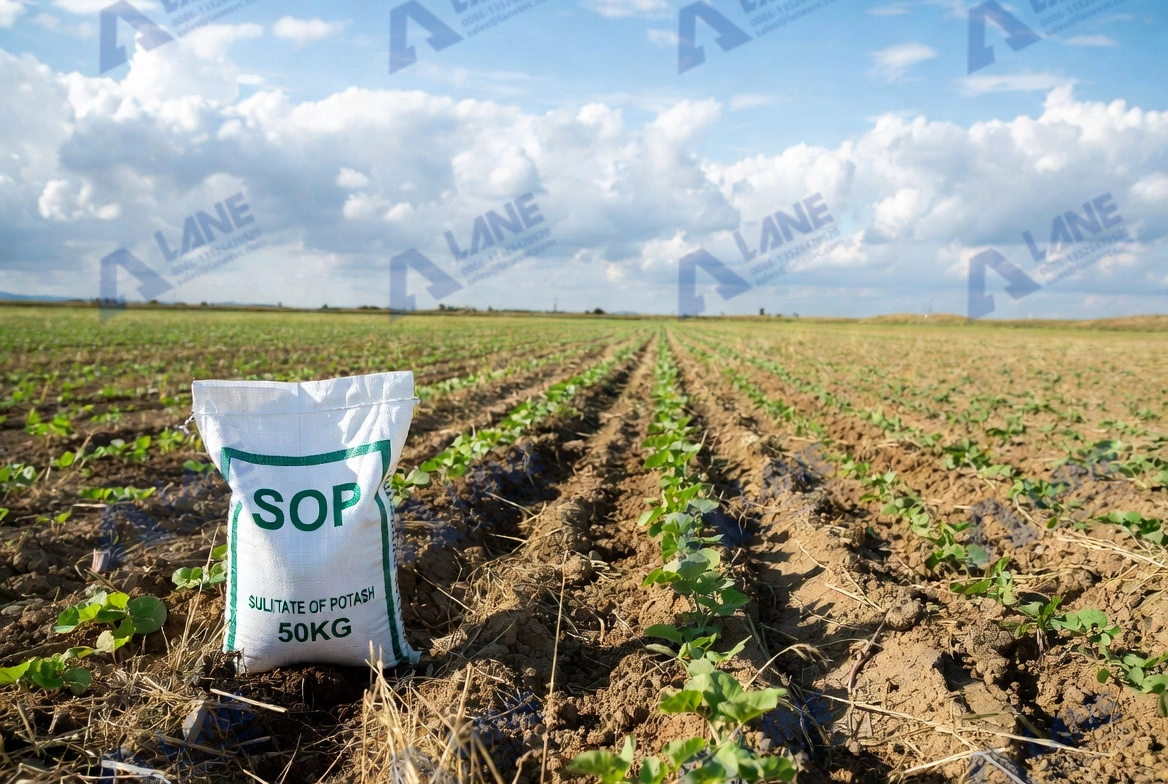
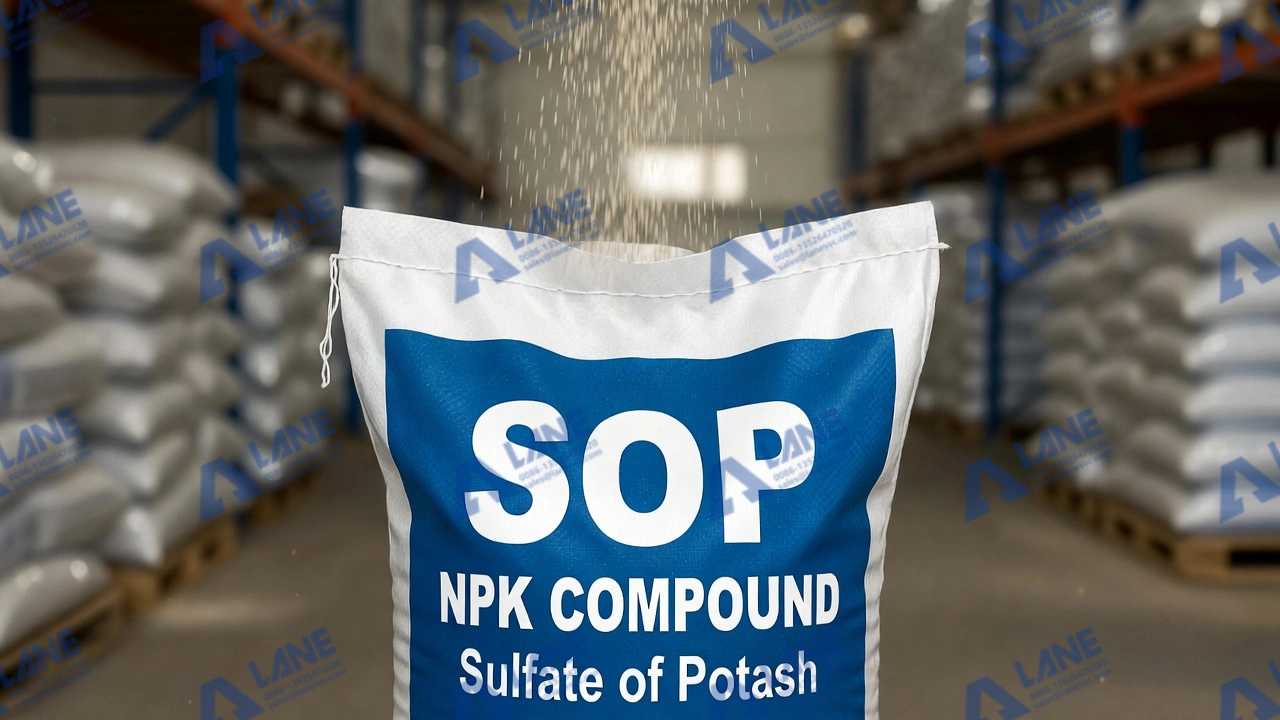
Soil salinity is a huge problem for modern agriculture, affecting over 800 million hectares of land globally. It’s a threat to agricultural productivity. As irrigation practices intensify and sea levels rise, managing soils has become a priority of sustainable agriculture. In the current agricultural system, nutrient management is about fertility as well as stress mitigation. SOP fertilizer in salt-tolerant soils (Sulfate of Potash, K₂SO₄) has become one of the premium fertilizers that helps with stress mitigation.
Salt-tolerant soils, while resilient to moderate salinity, still require targeted nutrient management to maintain productivity. Conventional potassium fertilizers like muriate of potash (MOP) contribute to soil salinity due to their high chloride content. This article provides a mechanistic review of SOP fertilizer in salt-tolerant soils.
The Salinity Stress Mechanism in Plants
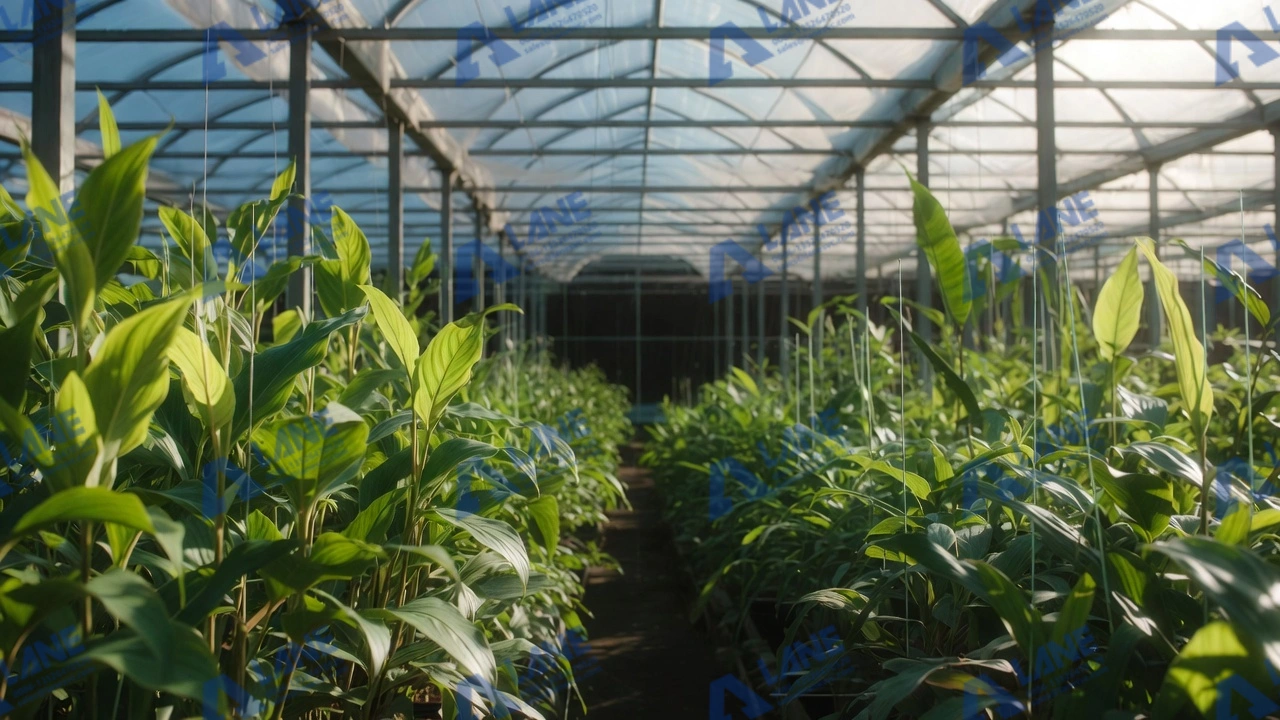
Salinity disrupts the Na⁺/K⁺ ratio in plant cells, a key driver of ion toxicity. Salinity also harms plants through osmotic stress. High salt concentrations in the soil solution make it harder for roots to absorb water, causing physiological drought. Concurrently, the excessive uptake of sodium (Na⁺) and chloride (Cl⁻) ions disrupts critical cellular processes. The result is stunted growth, leaf scorch (necrosis), and drastically reduced yields.
SOP Fertilizer: A Dual-Action Solution for Salt Tolerant Soils
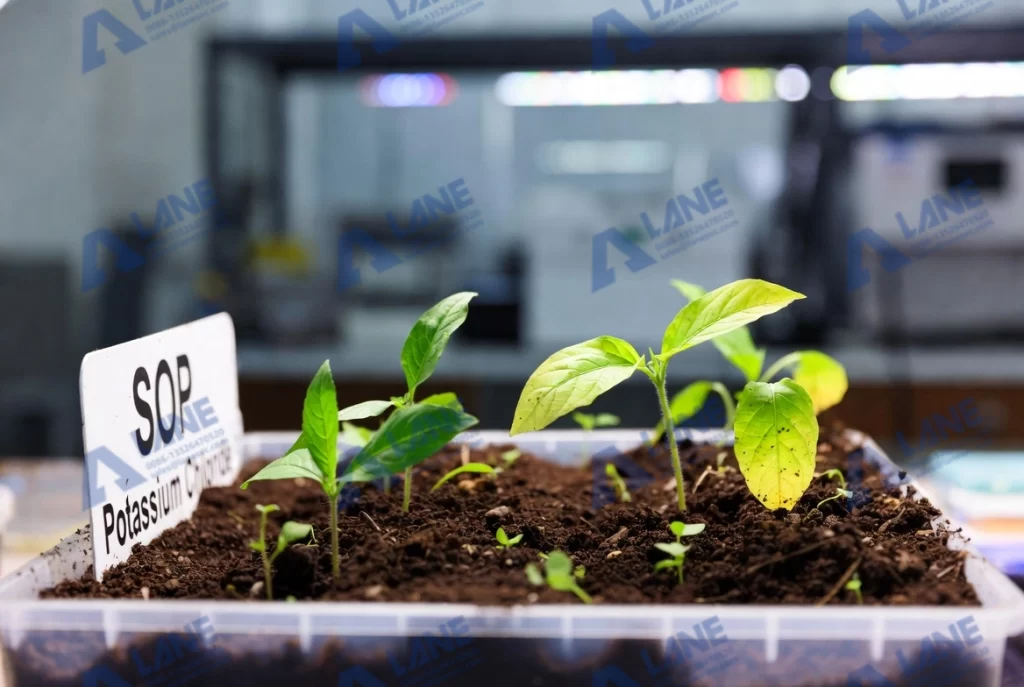
The most popular potassium fertilizer is Muriate of Potash (MOP, KCl), but it has up to 47% chloride. SOP fertilizer in salt-tolerant soils offers a chloride-free potassium source. This makes it suited for both salt-tolerant and saline conditions. Its benefits are multi-faceted and mechanistic.
3.1. The Chloride Avoidance Advantage
The most direct benefit of SOP fertilizer in salt-tolerant soils is the absence of chloride. Applying MOP in saline soils adds to the existing chloride burden and increases soil salinity. SOP eliminates this risk by providing essential potassium without chloride. This “chloride avoidance” is fundamental to managing salt-tolerant soils.
3.2. Potassium: The Osmotic Regulator and Stress Signal
The sulfate (SO₄²⁻) in SOP fertilizer in salt-tolerant soils is essential for synthesizing sulfur-containing amino acids (cysteine and methionine). These are the building blocks of antioxidants like glutathione. Glutathione scavenges reactive oxygen species (ROS) produced abundantly under salinity stress. SOP provides the raw materials for the plant’s internal detoxification pathway.
3.3. Sulfur’s Critical Role in Detoxification
The sulfate (SO₄²⁻) in SOP fertilizer in salt-tolerant soils is essential for synthesizing sulfur-containing amino acids (cysteine and methionine). These are the building blocks of antioxidants like glutathione. Glutathione scavenges reactive oxygen species (ROS) produced abundantly under salinity stress. SOP provides the raw materials for the plant’s internal detoxification pathway.
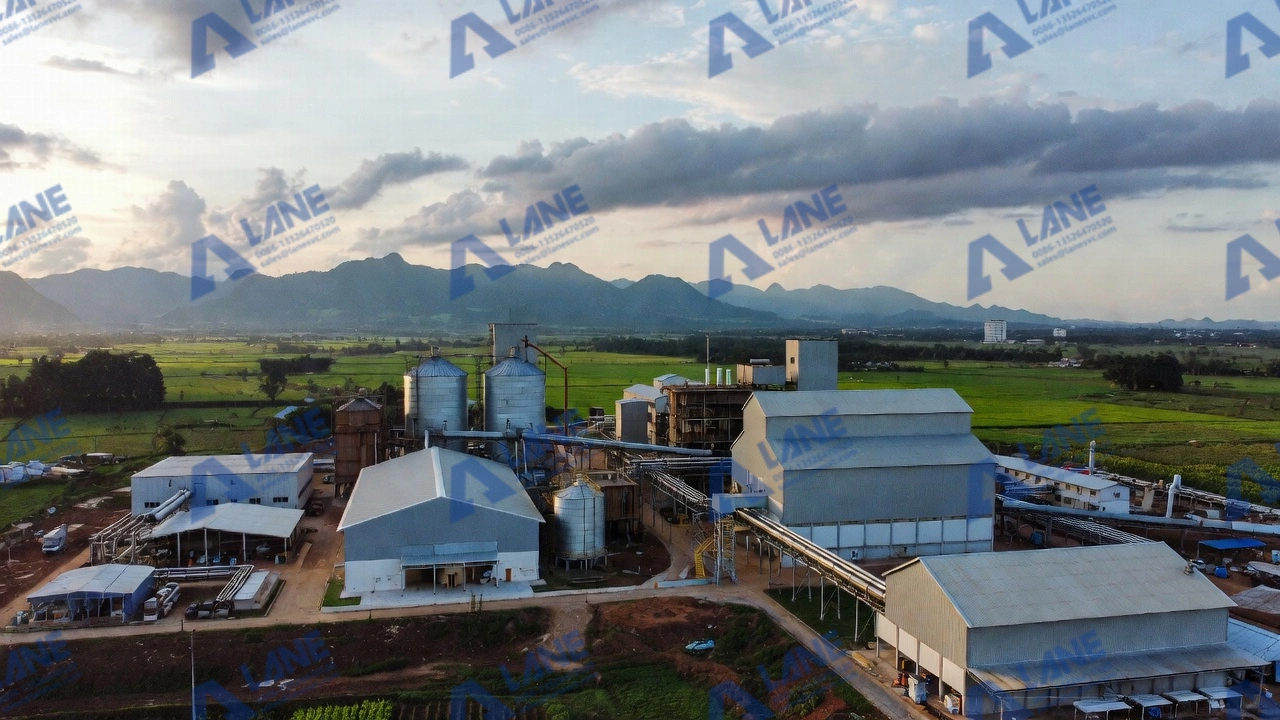
Engineering Quality: The SOP Fertilizer Production Line
The efficiency of SOP fertilizer in salt-tolerant soils depends on its purity and physical quality. This is where advanced production lines from LANE Heavy Industry become critical. High-quality SOP fertilizer is produced via the Mannheim Process or from natural brine evaporation, and both require precise machinery.
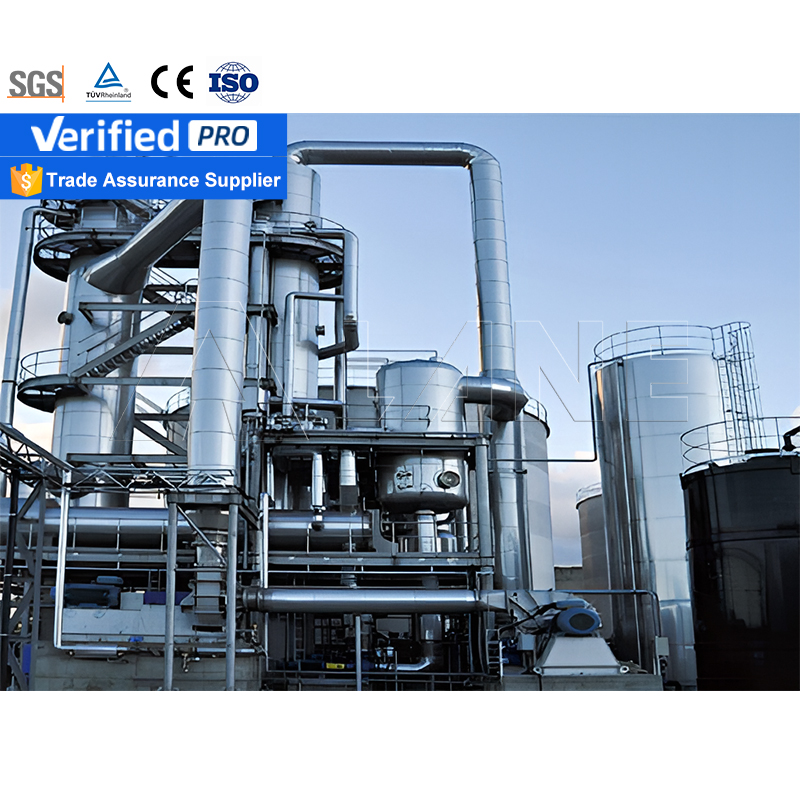
A modern SOP fertilizer production line integrates several key stages:
- Reaction & Synthesis: For the Mannheim process, this involves reacting KCI with sulfuric acid in a specially made corrosion- and heat-resistant furnace. LANE’s machinery ensures complete reaction and efficient heat transfer for optimal K₂SO₄ formation.
- Crystallization & Cooling: The molten cake is cooled under controlled temperature conditions to form uniform crystals. Precise temperature control in this stage dictates the final granule size and hardness.
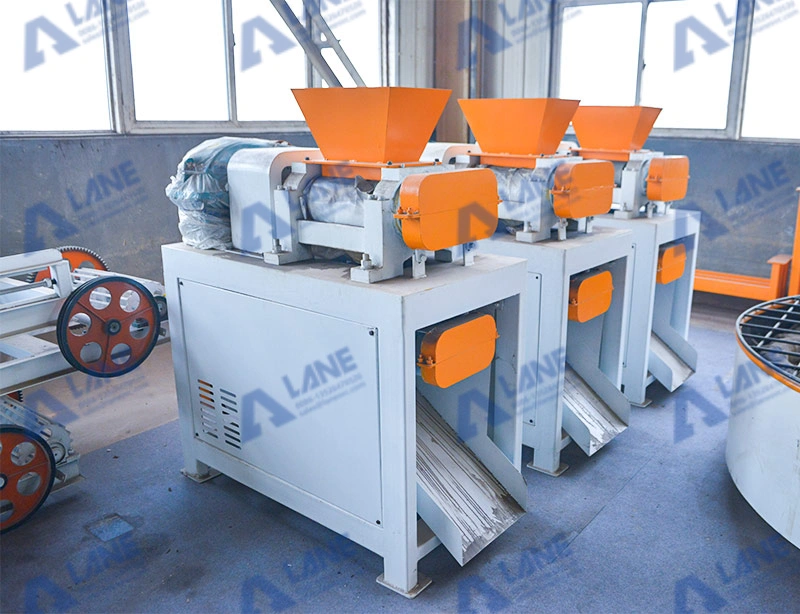
- Granulation & Compaction: To create a durable, dust-free, and easy-to-handle product, fine crystals are sent to a double roller granulator to be compacted into granules. LANE’s heavy-duty granulators and compactors ensure strong, uniform granules that resist caking and allow for even field application.
- Drying, Screening, and Coating: The granules are dried and screened to a specific size for distribution (e.g., 2-4 mm). After screening, it is often coated with anti-caking agents. This final treatment guarantees product stability and flowability, which is essential for the precision application of SOP fertilizer in salt-tolerant soils.
A LANE SOP fertilizer production line ensures farmers receive a consistent, high-analysis product where every granule delivers the intended nutrients without unwanted impurities.
Agronomic Implications and Best Practices
Implementing SOP fertilizer in salt-tolerant soils requires following management practices:
- Soil Testing: The first step is always a comprehensive analysis of your soil to understand baseline salinity and potassium and sulfur status.
- Timing: It is better to follow a split application program for SOP fertilizer in salt-tolerant soils. You can apply part of the fertilizer at planting and part during critical growth stages to maximize uptake efficiency.
- Placement: Banding or fertigation can improve accessibility in soils with poor hydraulic conductivity.
- Crop Selection: SOP is best for chloride-sensitive cash crops like potatoes, tobacco, fruits, and nuts.
Conclusion: A Strategic Input for Resilient Agriculture
SOP fertilizer mitigates salinity stress in salt-tolerant soils via three core mechanisms: regulating ion homeostasis, enhancing osmotic adjustment, and protecting against oxidative stress. The challenge is to produce high-quality SOP that works in harmony with plant physiology. SOP fertilizer in salt-tolerant soils acts as a dual-nutrient, stress-mitigating solution. When SOP fertilizer is produced through an engineered, high-precision production line from LANE Heavy Industry, farmers gain a resource to build resilience, protect yields, and cultivate a sustainable future on challenging lands.
Frequently Asked Questions (FAQ)
Q1: Is SOP fertilizer better than MOP for all soils?
A1: SOP is superior for chloride-sensitive crops (e.g., berries, potatoes, tobacco) and, crucially, for salt-tolerant soils or any saline-affected area. For chloride-tolerant crops in non-saline soils, MOP can be a cost-effective potassium source.
Q2: Can SOP fertilizer reduce soil salinity?
A2: SOP itself does not directly lower soil salinity (measured as EC). Its role is to mitigate the stress salinity causes in plants. It improves the plant’s ability to cope with existing salt. Reclamation requires leaching and often gypsum (calcium sulfate) application to displace sodium.
Q3: How does the quality of the SOP production process affect my crops?
A3: High-quality production ensures high nutrient concentration, uniform granule size for even spread, low chloride content, and good physical properties (no dust, no caking). Inferior SOP may contain impurities or have poor handling characteristics, reducing its effectiveness and making accurate application difficult.
Q4: What is the typical application rate for SOP in saline conditions?
A4: There is no universal rate. It depends entirely on soil test K levels, crop removal demands, and the degree of salinity stress. Rates can range from 100 to 300 kg/ha per season. Always base application on a professional soil test and crop recommendation.
Q5: Why is the sulfate in SOP important for stress tolerance?
A5: Sulfate is essential for producing the amino acids cysteine and methionine. These are used to synthesize glutathione, a master antioxidant that neutralizes the harmful reactive oxygen species (ROS) generated when plants are under salinity (and other) stresses.
Of course, we also offer other types of products for your different needs, you can click to view.
For more information, please contact us by sending an inquiry today! We can help you!



Write a Reply or Comment