
Manufacturing Low Salt Index SOP Fertilizer: The LANE Production Line Advantage
Introduction: The Rising Demand for Soil-Health Solutions
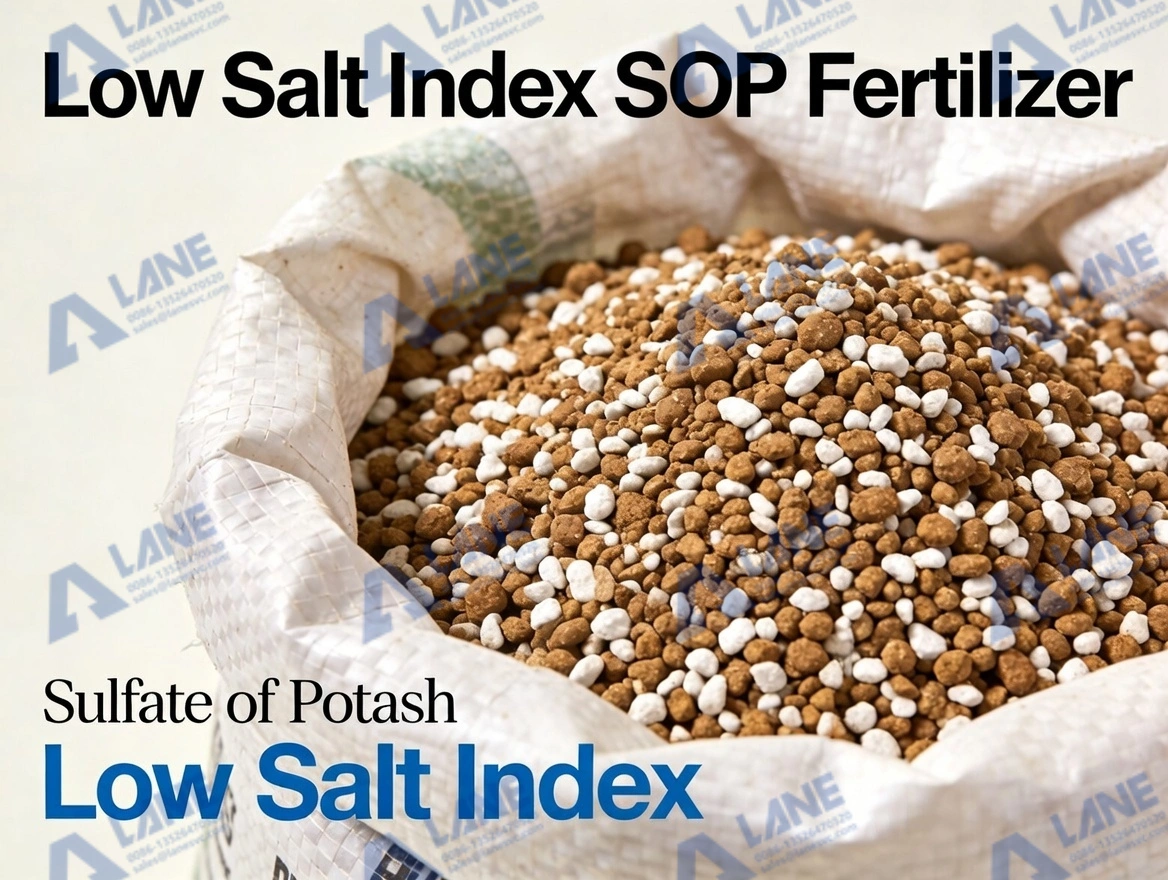
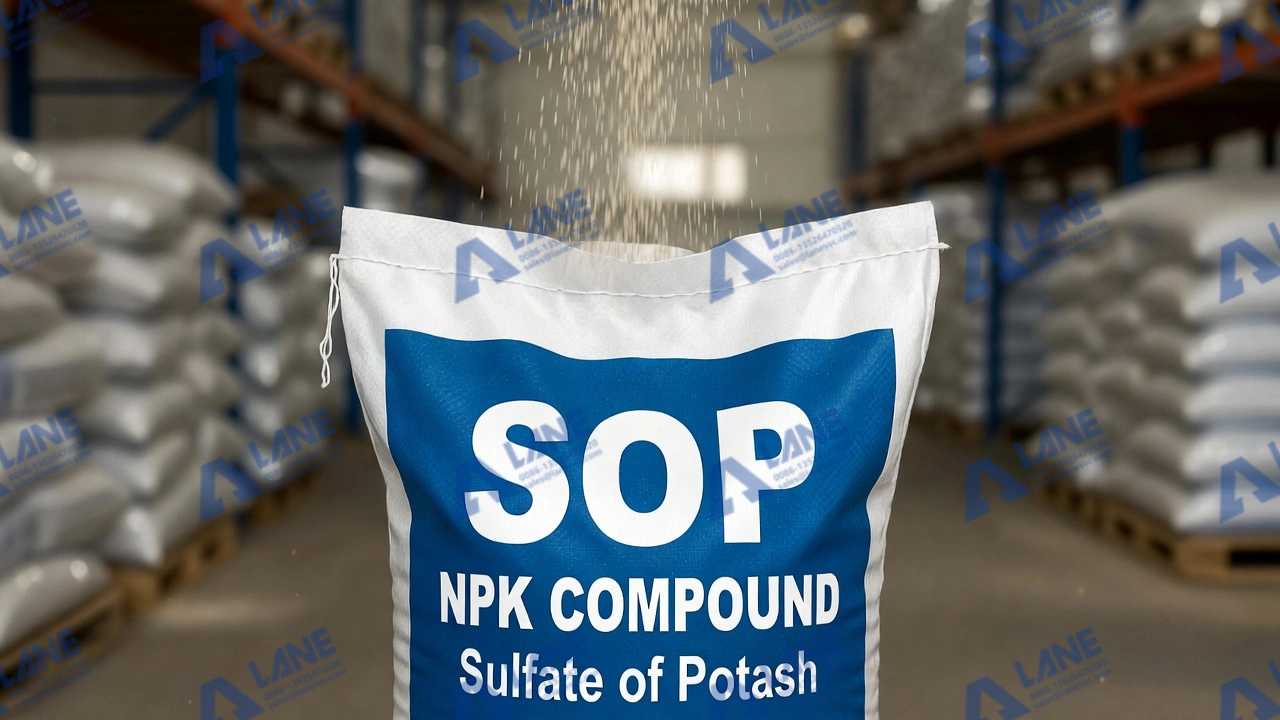
Farming has evolved over time throughout history. The focus of growers has shifted from quantity to both quality and quantity. But maintaining both quality and quantity of harvest without damaging the land requires advanced technology. With issues like soil salinization affecting crop yields and sustainability, producers are seeking smarter solutions. Low Salt Index SOP Fertilizer is a premium potassium fertilizer tailored for modern precision agriculture. Unlike other potassium fertilizers, Low Salt Index SOP Fertilizer delivers essential potassium (50-52% K₂O) and sulfur (17-18% S) without excessive chloride, boasting a salt index as low as 46.
The plant-friendly profile of Low Salt Index SOP Fertilizer makes it popular for chloride-sensitive crops or high-salinity soils. However, consistently manufacturing a high-quality, low salt index SOP fertilizer requires more than just the right chemistry. It requires a controlled production process. This is where the SOP fertilizer production line from LANE excels.
Understanding Salt Index: Why Your Fertilizer Choice Matters
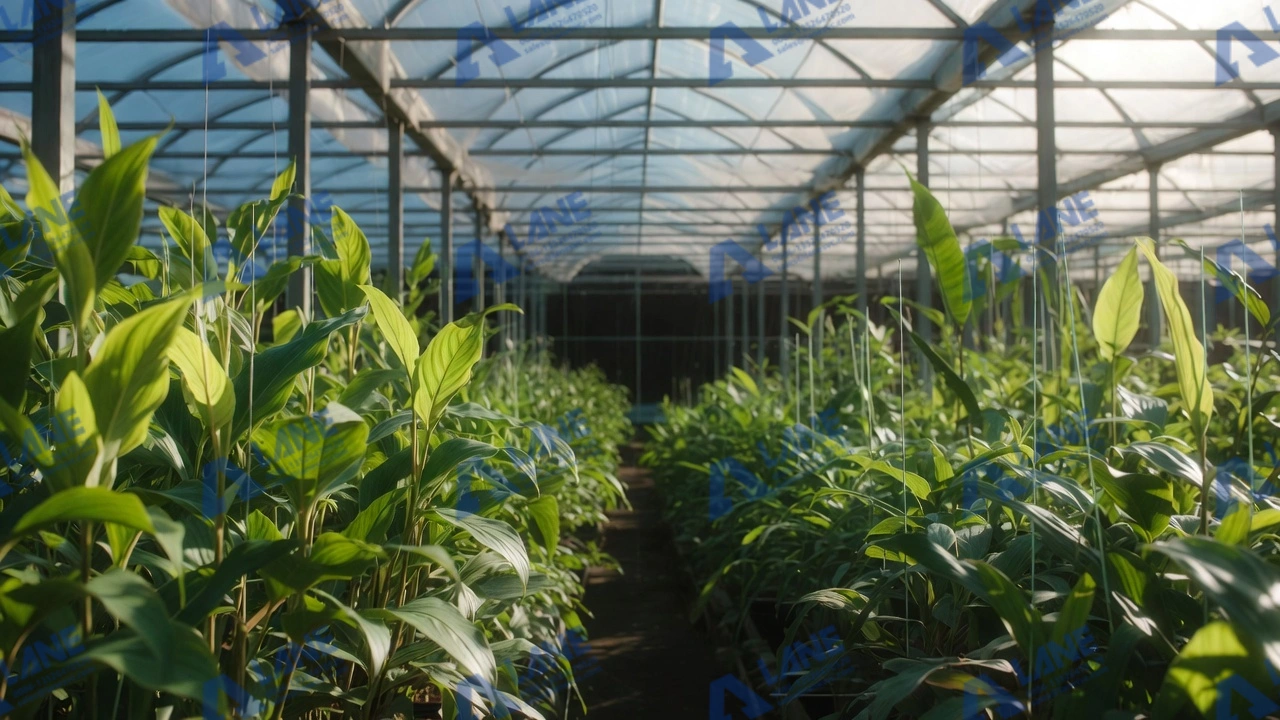
The salt index of a fertilizer measures its potential to increase the osmotic pressure of the soil solution. A high salt index can hinder a plant’s ability to absorb water. Common potassium fertilizer like potassium chloride (MOP) has a very high salt index of 116, while SOP has a low salt index of 46. This difference makes low salt index SOP fertilizer the preferred choice for salt-sensitive crops (like fruits, vegetables, and tobacco), in arid regions, and in protected cultivation (greenhouses), where salt accumulation is a major risk.
Choosing to produce SOP is the right choice, but you need proper guidance and a trusted production line manufacturer. The final product’s quality, consistency, and physical properties are dictated by the manufacturing process. The production process is what separates a standard product from a premium low salt index SOP fertilizer that commands better prices and farmer loyalty.
The LANE Production Line: Engineered for Quality
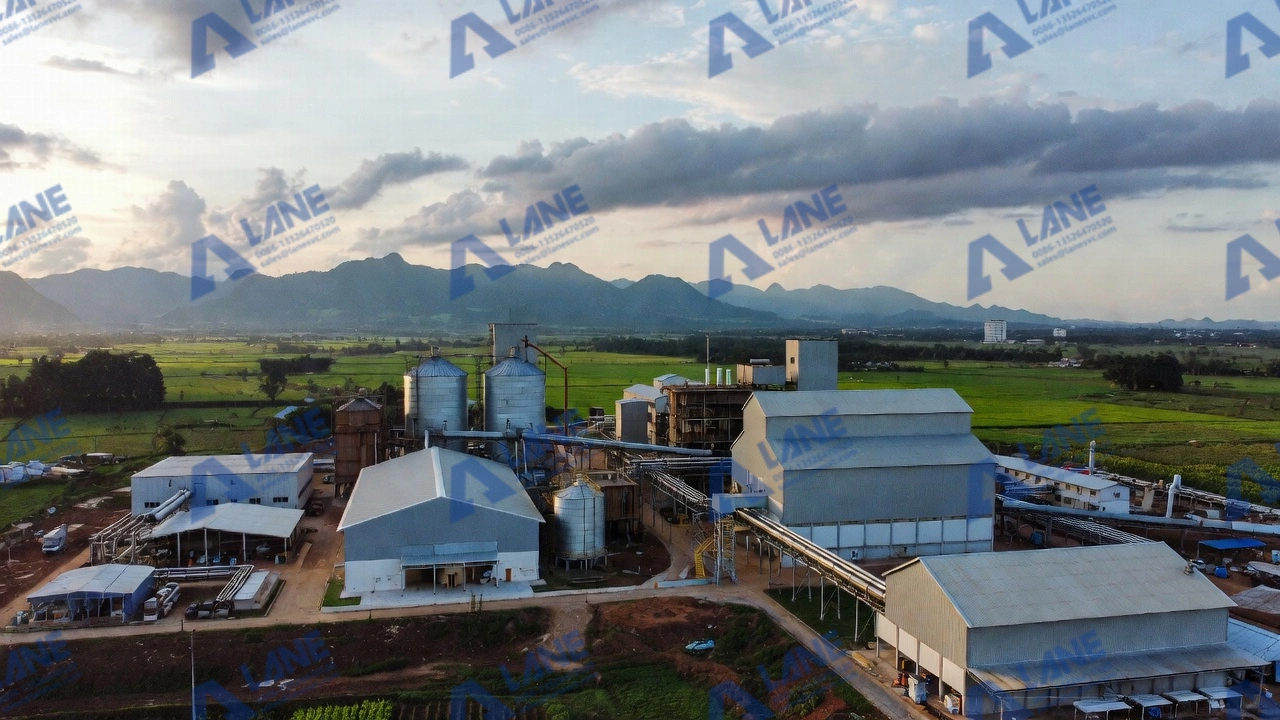
LANE Heavy Industry Machinery provides specialized production lines that inherently support the creation of high-grade fertilizers. Our SOP fertilizer production line offers the technological backbone necessary for premium output.
Specifications of the LANE Low Salt Index SOP Fertilizer production line include:
- Controlled Production Capacity: Our production capacity is customizable, with capacity ranges from a minimum of 1 ton per hour to 100 tons per hour or more. The system allows for scalable and manageable production runs.
- Precision Granulation: The line produces uniform granules in a size range of 2-10 mm (can be controlled by the operator). This size is ideal for consistent spreading and solubility.
- Gentle Drying Process: Our production doesn’t use a direct heating system. Excessive heat can degrade product quality and affect the final composition. This drying process preserves the integrity of the low salt index SOP fertilizer.
- Built for Consistency: The whole production line is controlled by a PLC or computer control system. The machine is designed to withstand the corrosive nature of the raw materials.
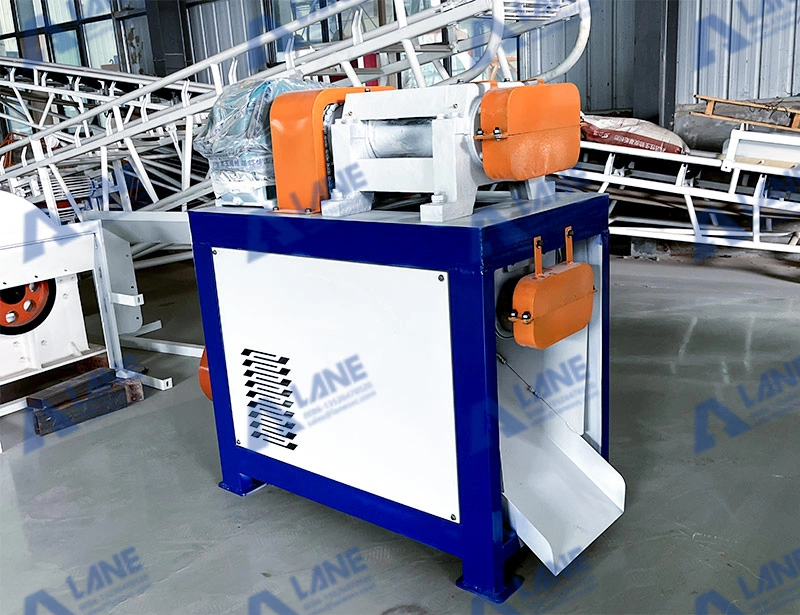
Table: Comparison of Fertilizer Salt Indices and LANE Production Line Advantages
| Factor | Traditional High-Salt Fertilizer (e.g., MOP) | Low Salt Index SOP Fertilizer (Target) | How LANE Machinery Supports Low-Salt SOP Production |
| Typical Salt Index | 116 (for KCl/MOP) | 46 (for SOP) | Enables precise reaction and crystallization control. |
| Soil Impact | High risk of salinization & root burn. | Minimizes salt stress, protects soil health. | Gentle, low-temperature drying preserves chemical structure. |
| Key Process Need | Less focus on salt content control. | Precise control over chemical conversion and purity. | Automated, closed system reduces variability and contamination. |
| Granule Quality | Can vary, leading to dust and poor flow. | Requires hard, uniform granules for even application. | Rotary drum granulation creates consistent 2-10mm granules. |
How Precision Manufacturing Enables Superior Low Salt Index SOP Fertilizer
Producing low salt index SOP fertilizer is about executing a formula with precision. The LANE production line facilitates this through controlled engineering.
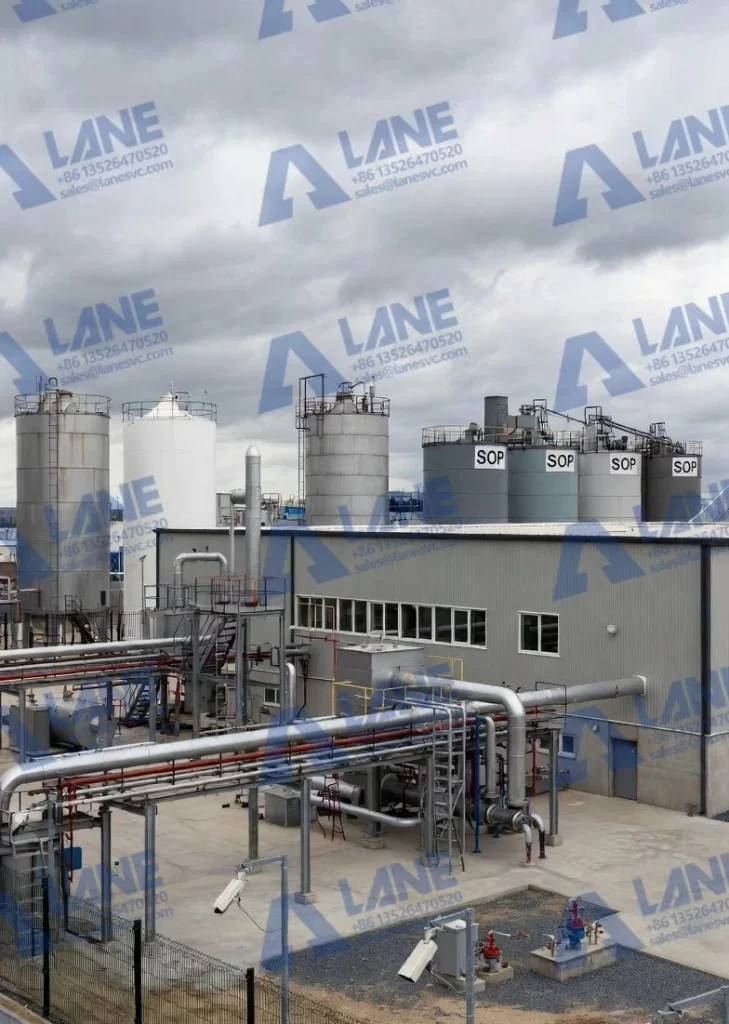
The process begins with the precise reaction of raw materials. Consistent feeding and mixing are automated, ensuring the correct stoichiometry for complete conversion to potassium sulfate, with minimal leftover reactants that could contribute to a higher salt index. Following granulation in a rotary drum, the granules are dried. The LANE line’s dedicated low-temperature dryer is a critical component. By avoiding high heat, it prevents the formation of unwanted by-products or the breakdown of the SOP, safeguarding the chemical purity that defines an effective low salt index SOP fertilizer.
From Granule to Field: The Tangible Benefits
Investing in a production line capable of manufacturing premium low salt index SOP fertilizer translates into direct competitive and agronomic benefits. It opens the high-value market to producers and helps farmers who are struggling with soil salinity. A producer who is known for producing consistent quality will have increased brand reputation. It allows him to set a premium price. For the end user, the benefits are clear. It improves crop safety and reduces the risk of fertilizer-induced stress. SOP fertilizer has better nutrient uptake and it supports sustainable soil practices, which is a key selling point in today’s market.
Conclusion: A Strategic Investment for Sustainable Growth
The global push for sustainable agriculture is not a trend but a necessary shift. Low salt index SOP fertilizer is a solution for long-term productivity which helps farmers manage their soil health better. By integrating energy efficiency, precision control, and modular design, LANE’s equipment ensures consistent, high-quality Low Salt Index SOP Fertilizer production at lower costs. As farmers are increasingly prioritizing crop quality and soil health, Low Salt Index SOP Fertilizer will remain in high demand, and LANE Heavy Industry’s production solutions will continue to drive its sustainable, scalable production worldwide.
Frequently Asked Questions (FAQ)
Q1: What exactly is the “salt index” in fertilizers?
A1: The salt index measures a fertilizer’s potential to raise the salt concentration in the soil solution, which can reduce a plant’s water uptake and cause root damage. A lower index is safer for crops and soil health.
Q2: Why is SOP considered a “low salt index” fertilizer?
A2: Compared to the most common potassium fertilizer, Muriate of Potash (MOP, or KCl), which has a salt index of 116, SOP has a much lower index of 46. This makes it a low salt index SOP fertilizer suitable for sensitive crops and vulnerable soils.
Q3: Can any SOP production line make a true low salt index product?
A3: Not all lines are equal. Consistent production of premium low salt index SOP fertilizer requires precise control over the chemical reaction, purification, and a gentle drying process (like low-temperature hot air drying) to maintain chemical purity and prevent by-products.
Q4: What is the capacity of a typical LANE SOP fertilizer production line?
A4: LANE offers lines with scalable capacities. Their standard SOP fertilizer production line has a capacity range of 1 to 10 tons per hour, allowing manufacturers to choose a model that fits their production goals.
Q5: Besides the salt index, what are other benefits of using SOP from a production line like LANE’s?
A5: Beyond the low salt index, SOP provides potassium in a sulfate form, which also delivers essential sulfur to plants. A modern line like LANE’s ensures the fertilizer is in a hard, uniform granular form (2-10mm) for excellent storage, handling, and field application properties.
Of course, we also offer other types of products for your different needs, you can click to view.
For more information, please contact us by sending an inquiry today! We can help you!



Write a Reply or Comment