
SOP Fertilizer for Coffee in Ethiopia: Production Advantages & Seasonal Usage
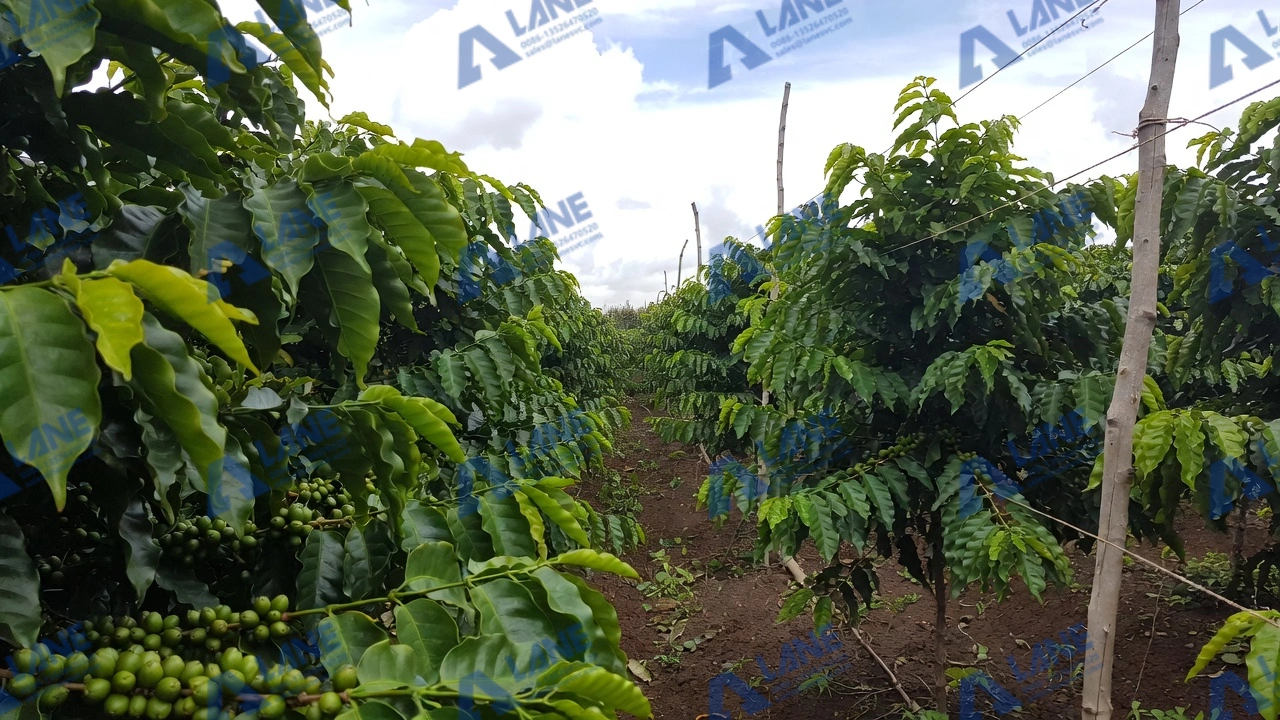
Ethiopia is the birthplace of Arabica coffee. It is also known as the birthplace of coffee. Coffee is a vital part of the Ethiopian economy. It supports millions of farmers and exporters and creates countless jobs. But soil degradation and nutrient depletion are hindering the production potential of coffee. To overcome these challenges, modern farming techniques and fertilizers have become essential to sustain coffee yields. SOP fertilizer for coffee in Ethiopia offers a premium solution, particularly for chloride-sensitive crops like Arabica coffee.
The use of SOP fertilizer for coffee in Ethiopia is recognized as the gold standard for maintaining the quality that the Sidama , Yirgacheffe, and Harrar regions are famous for. This article explores the advantages of SOP fertilizer for coffee in Ethiopia and how LANE Heavy Industry’s machinery is revolutionizing the production of SOP fertilizer.
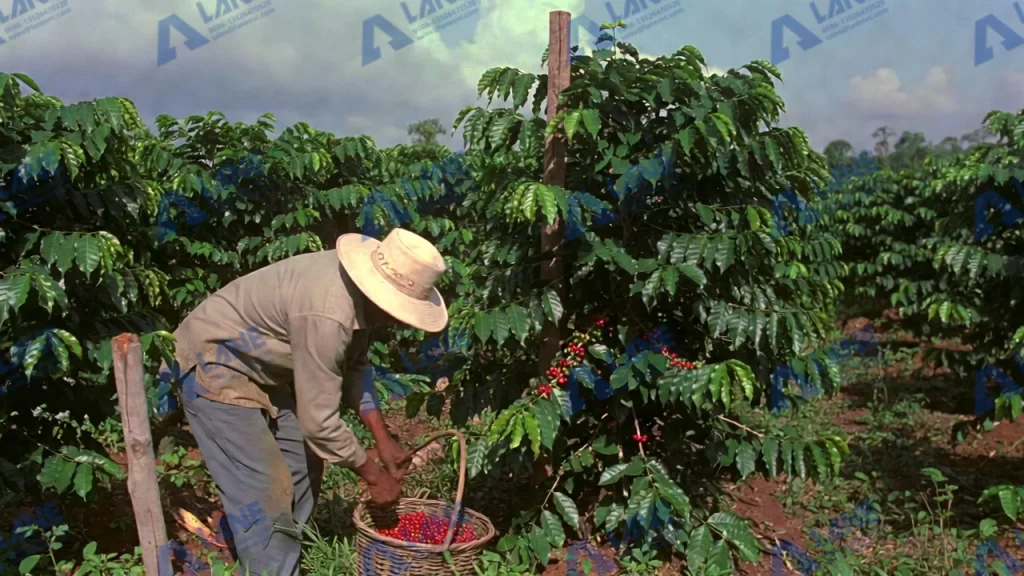
Why SOP is the Superior Choice for Ethiopian Coffee
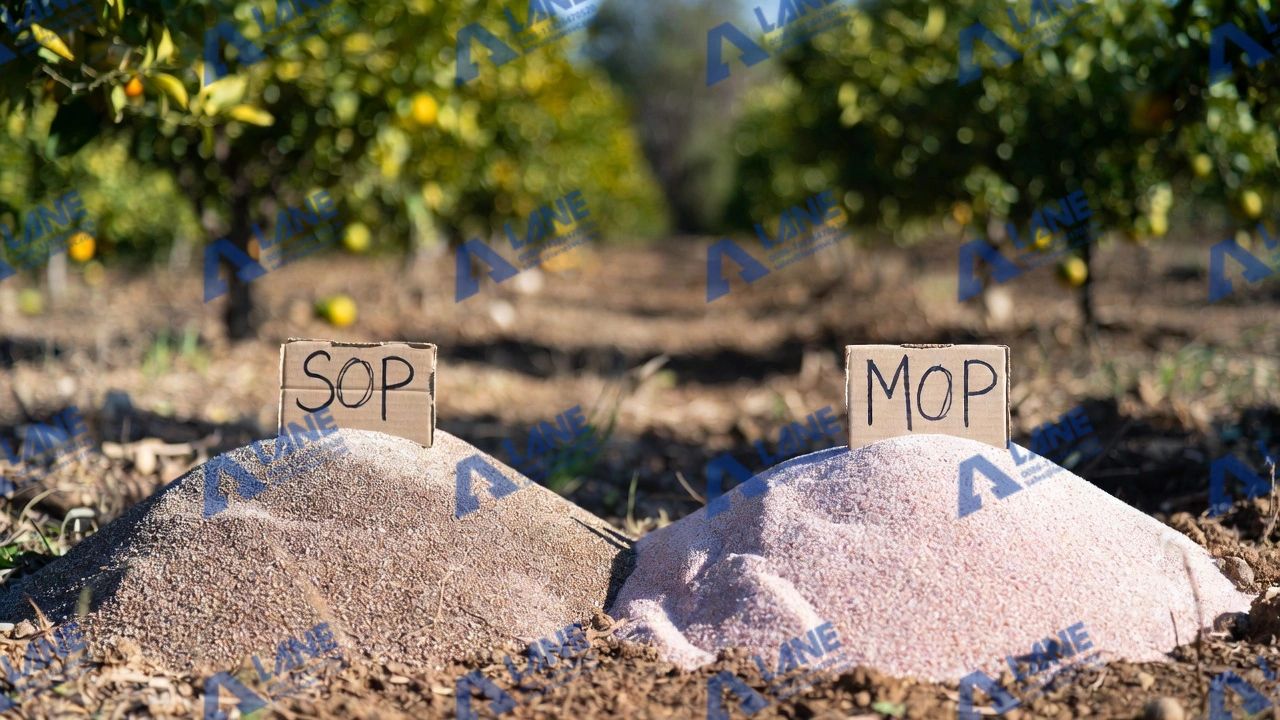
In the world of potassium fertilizers, two fertilizers dominate the entire market: Muriate of Potash (MOP/Potassium Chloride) and Sulphate of Potash (SOP/Potassium Sulfate). For Ethiopian coffee farming, the choice is clear.
- Chloride Sensitivity
Coffee is a chloride-sensitive cash crop. Muriate of Potash is known for high concentrations of chloride. It leads to salt stress and can cause leaf burn and reduce root efficiency. SOP fertilizer for coffee in Ethiopia provides the necessary potassium without toxic chloride buildup. It ensures that the delicate soils of Ethiopia remain fertile for generations.
- The Sulfur Advantage
SOP contains approximately 18% sulfur. Sulfur is also a major micronutrient that is increasingly deficient in many soils. It plays a primary role in protein synthesis and the formation of aromatic oils. These oils are exactly what give Ethiopian coffee its prized floral and citrus notes. Without adequate sulfur, the complex flavor profile of the bean is diminished.
- Improved Water Use Efficiency
Many regions in Ethiopia face erratic rainfall. Potassium regulates the opening and closing of stomata (pores on the leaves). High-quality SOP fertilizer for coffee in Ethiopia helps the tree retain moisture during dry seasons. It reduces dieback and drought-induced stress.
Production Excellence: LANE Heavy Industry’s SOP Production Line
To meet the rising demand for SOP fertilizer, LANE Heavy Industry offers a sophisticated SOP fertilizer production line designed to transform raw potassium chloride and sulfuric acid into high-purity granules through the Mannheim Process.
Key Stages of the LANE Production Line
The efficiency of SOP fertilizer for coffee in Ethiopia depends on the quality and physical properties of the granule. Its formulation, hardness, size uniformity, and solubility determine the quality of the fertilizer. LANE Heavy Industry’s machinery ensures these standards are met through a streamlined process.
- Reaction (Mannheim Furnace):This is the core process of the SOP production line. It determines the quality of the end fertilizer. In this process, a chemical reaction occurs under controlled high temperatures. LANE’s furnaces are built with acid-resistant materials to ensure a long service life and high conversion rates. This process creates a highly sought-after byproduct, HCl.
- Neutralization and Crushing: After reaction and processing, the raw SOP powder is neutralized to reach the optimal pH for coffee-growing soils.
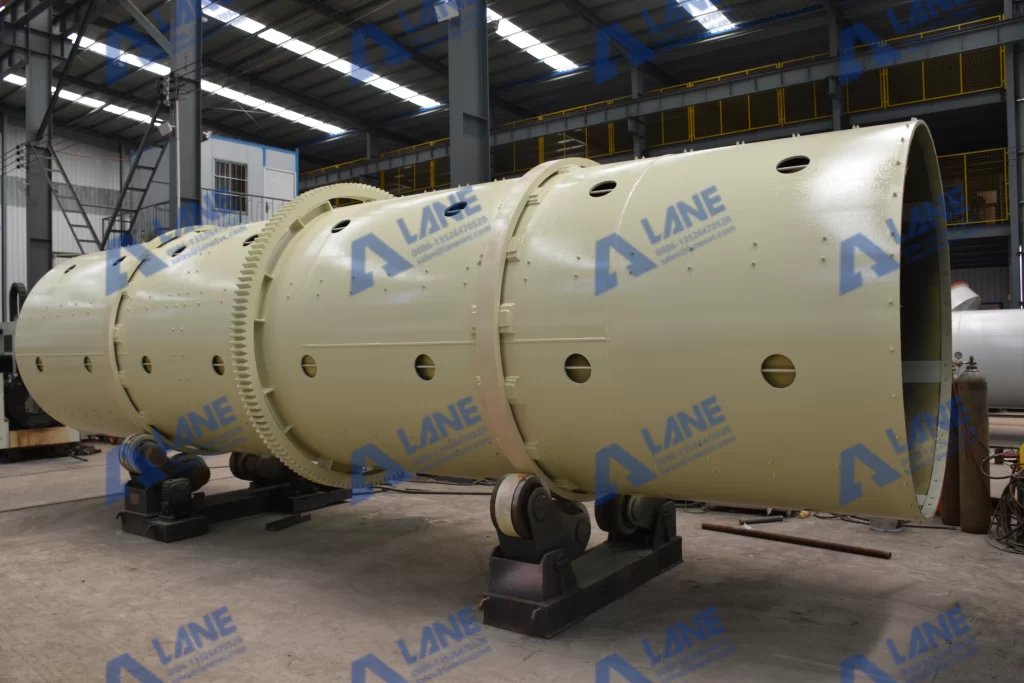
- Granulation (Rotary Drum or Double Roller):Ethiopian terrains are harsh. Granulated fertilizer is preferred over powder. LANE’s granulators produce spherical particles that resist moisture absorption during storage in humid tropical climates.
- Cooling and Coating: To prevent caking during transport and packaging, the granules are cooled and coated with a thin protective layer.
By establishing a local production facility using LANE Heavy Industry machinery, the cost of SOP fertilizer for coffee in Ethiopia can be reduced, and it will save you from volatile international pricing.
Seasonal Usage: Maximizing Yield in the Ethiopian Climate
Timing the application of SOP fertilizer for coffee in Ethiopia is as important as the fertilizer itself. Ethiopian coffee production is dependent on rainfall patterns. The SOP fertilizer application must synchronize with the tree’s phenological stages.
The Pre-Flowering Phase (Late Dry Season)
A base application of SOP helps prime the tree’s vascular system. This ensures that when the flowers bloom, the tree has the energy reserves to support a high “fruit set” percentage.
The Cherry Expansion Phase (Main Rainy Season)
During June to September, the coffee cherries undergo rapid expansion. Trees need potassium during this season. Applying SOP fertilizer for coffee in Ethiopia during this window ensures that sugars are effectively transported from the leaves to the fruit. This results in larger and denser beans, often referred to as bold beans.
Post-Harvest Recovery
After the harvest in November or December, the trees are exhausted. A light application of SOP helps repair the root tissues and prepares the tree for the next cycle. This prevents the “biennial bearing” effect where a tree produces well one year and poorly the next.
Economic and Soil Benefits of Localized SOP Production
The integration of SOP fertilizer for coffee in Ethiopia offers economic sovereignty. Including an SOP fertilizer production line into the national agricultural strategy will offer more than just bigger harvests.
- Soil Health Preservation: Traditional fertilizers like urea or MOP contribute to soil acidification. It’s a major problem in the humid western regions of Ethiopia. SOP does not contribute to soil acidification.
- Foreign Exchange Savings: By producing SOP locally using LANE Heavy Industry equipment, Ethiopian businesses can reduce their reliance on foreign currency for fertilizer tenders.
- Custom Blending: A local LANE production line allows for “coffee-specific” blends. You can customize your SOP fertilizer by adding zinc and boron or other micronutrients. Zinc and boron are deficient in Ethiopian soils.
Conclusion
The pursuit of the perfect cup of coffee begins in the soil. The market demands sustainable farming practices. SOP fertilizer for coffee in Ethiopia addresses soil nutrient depletion and improves the yield and quality of the coffee. With SOP fertilizer for coffee in Ethiopia produced locally, high-quality, sulfate-based potassium is accessible. Using LANE Heavy Industry’s advanced SOP fertilizer production line, this fertilizer offers cost-effective, customizable, and environmentally friendly production advantages that meet the unique needs of Ethiopia’s coffee industry.
FAQ
Q1: Why can’t I just use NPK 15-15-15 for my coffee trees?
While general NPK fertilizers provide basic nutrients, many contain Muriate of Potash (MOP) as the potassium source. For high-value crops like coffee, the chloride in MOP can damage the roots. Using dedicated SOP fertilizer for coffee in Ethiopia ensures safety and better flavor.
Q2: How much SOP does a mature coffee tree need?
On average, a mature tree requires 100g to 200g of SOP per year, split into two applications, depending on soil test results and expected yield.
Q3: Is the LANE Heavy Industry production line suitable for small cooperatives?
LANE Heavy Industry provides various scales of production lines, from small-scale modular units to large industrial plants, making it possible for large unions or regional governments to invest in local production.
Q4: Does SOP help with Coffee Berry Disease (CBD)?
While SOP is not a fungicide, a tree nourished with proper SOP fertilizer for coffee in Ethiopia has thicker cell walls and better systemic health, making it more resilient against fungal infections and pests.
Of course, we also offer other types of products for your different needs, you can click to view.
For more information, please contact us by sending an inquiry today! We can help you!



Write a Reply or Comment