
SOP Fertilizer for Coffee Quality and Taste: Production & Usage Guide
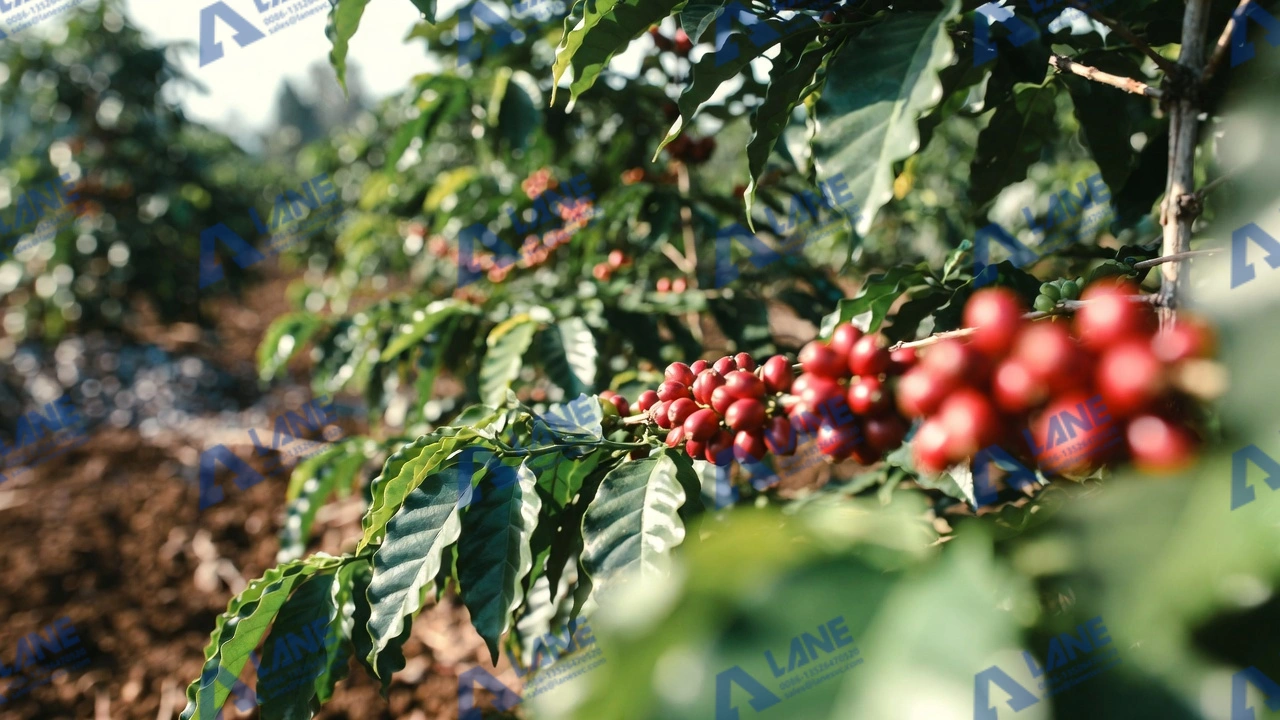
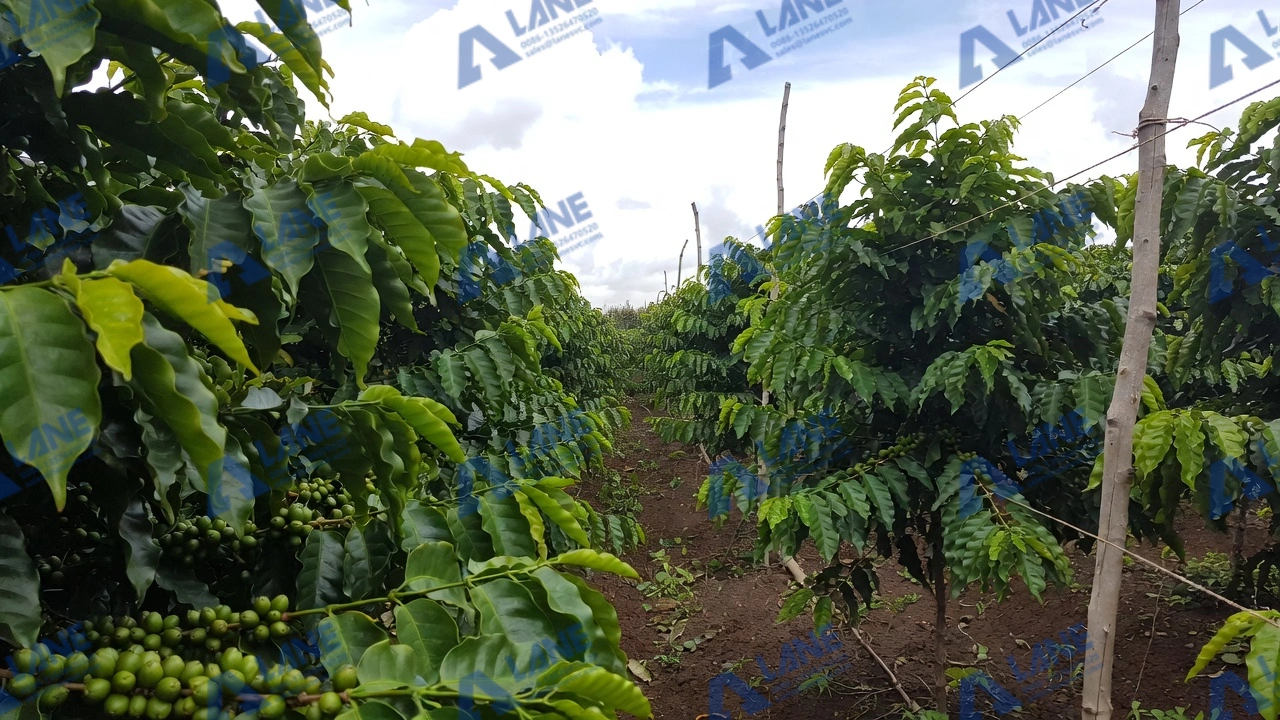
Coffee is one of the world’s most beloved beverages. It has its own distinct flavor and not all coffee is the same. The taste of coffee depends on a combination of terroir, cultivation practices, and nutrient management. While climate and weather quality play their part, nutrition is the silent architect of flavor. Among them, SOP fertilizer for coffee quality and taste has emerged as the gold standard for coffee farmers worldwide. SOP (Sulfate of Potash) is chloride-free, rich in potassium and sulfur. It is tailored to enhance the natural sweetness, acidity, and aromatic complexity that define premium coffee.
LANE Heavy Industry’s SOP fertilizer production line is engineered for precision, efficiency, and reliability. It creates premium quality SOP fertilizer that farmers can use to unlock the full potential of their coffee plants and achieve superior taste. This article explores the production methods of SOP fertilizer for coffee quality and taste, and its proper usage.

Why SOP Fertilizer for Coffee Quality and Taste is Essential
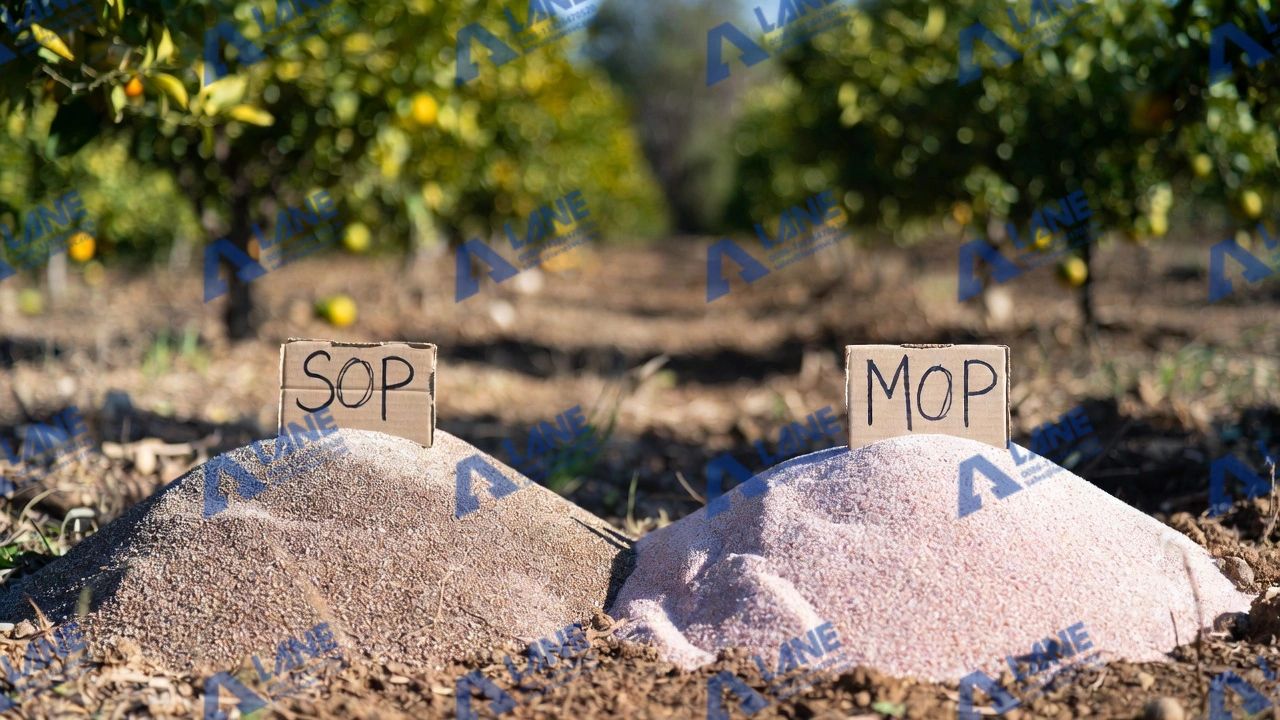
Coffee plants are “chloride-sensitive.” The most used potassium fertilizer is Potassium Chloride (MOP). It contains high levels of chlorine, which can be toxic to coffee roots and negatively impact the osmotic pressure within the plant. This leads to harsh metallic notes in the final brewed coffee.
By opting for SOP fertilizer for coffee quality and taste, farmers ensure:
- Sugar Accumulation: Potassium regulates the brix content of the coffee cherries. It trans locates sugar from leaves to cherries.
- Acidity Balance: Proper potassium levels manage the organic acid synthesis that gives coffee its “bright” characteristic.
- Aromatic Precursors: SOP contains about 17–18% sulfur. It is a critical component for synthesizing amino acids and oils. Amino acids and oils are responsible for the coffee’s complex aroma.
The Production Secret: LANE Heavy Industry’s SOP Fertilizer Line
To create high-quality SOP fertilizer, the manufacturing process must be precise and controlled. LANE Heavy Industry provides state-of-the-art machinery specifically designed for high-efficiency SOP production.
- The Mannheim Process Integration
LANE Heavy Industry utilizes the advanced Mannheim furnace method. In this process, Potassium Chloride (KCl) reacts with Sulfuric Acid (H₂SO₄) to produce high-purity K₂SO₄.
2KCl + H₂SO₄ → K₂SO₄ + 2HCl
The reactors ensure controlled reaction and minimize residual chlorides. This is vital when producing premium SOP fertilizer for coffee quality and taste.
- Granulation and Conditioning
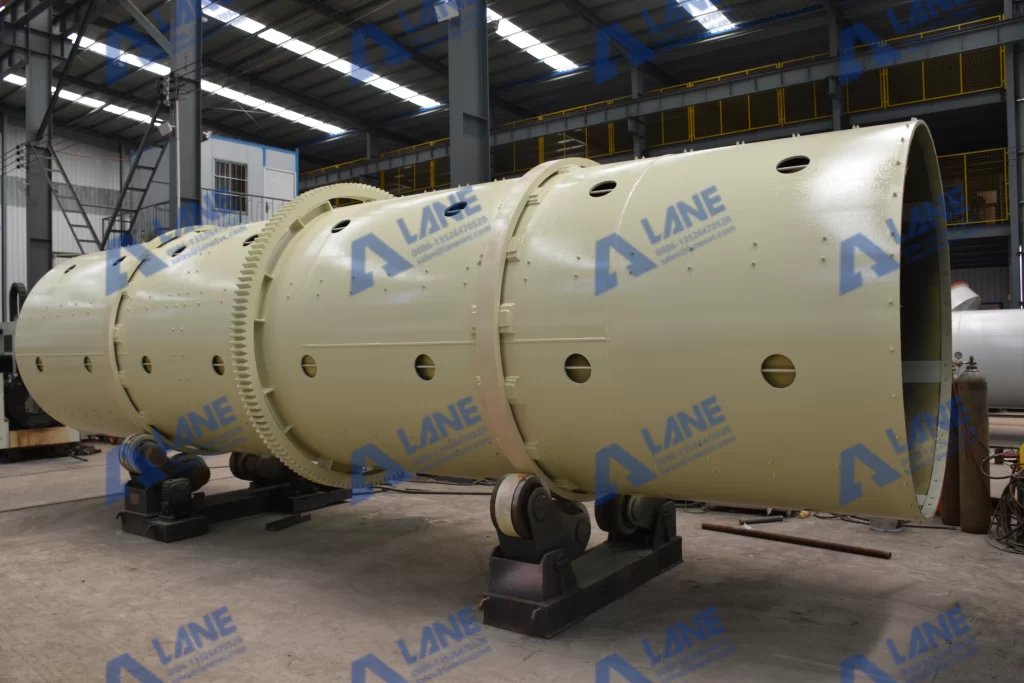
Coffee plantations often require granulated fertilizer to prevent leaching in high-rainfall “coffee belt” regions. LANE deploys Double Roller Granulators or Rotary Drum Granulators in the SOP fertilizer production line. These granulators create uniform, dust-free granules. This ensures that the SOP fertilizer for coffee quality and taste is released steadily into the soil rather than washing away during a tropical downpour.
After granulation, the granules often remain wet and need drying to prevent them from caking during storage. LANE uses Rotary dryers to dry the granules without harming the nutrients. Then the granules are sent to the cooling machine. Here, ambient air is used to cool the granules to an optimal temperature.
- Screening and Recycling
After cooling, granules pass through multi-deck vibrating screens or rotary screens that separate particles by size:
- On-size granules(target range) proceed to coating and packaging
- Oversized material returns to crushing equipment
- Undersized fines recycle back to the granulation stage
This closed-loop system exemplifies LANE’s efficiency philosophy. Nothing goes to waste; every particle of SOP fertilizer for coffee quality and taste eventually becomes part of the final product.
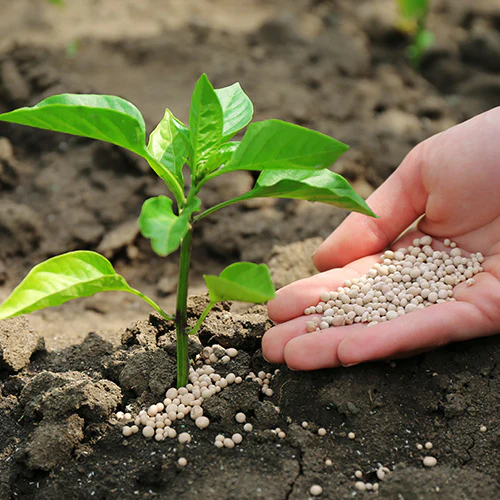
Strategic Usage for Superior Taste
Applying SOP fertilizer for coffee quality and taste is not a “one-and-done” task. Timing is everything in the nutrient cycle of the coffee tree.
The Flowering Stage
The plant needs a boost during flowering to ensure fruit set. Using a balanced SOP-based NPK blend provides the energy needed for the tree to support a heavy load of cherries without depleting internal nutrients.
The Cherry Filling Stage
This is the most critical window for SOP fertilizer for coffee quality and taste. As the cherries expand, the demand for potassium peaks. High-quality SOP facilitates the movement of carbohydrates into the fruit. It directly increases the density of the bean. High-density beans (Strictly Hard Bean or SHB) are more flavorful and command higher market prices.
Post-Harvest Recovery
After the stress of harvest, applying SOP fertilizer for coffee quality and taste helps the tree recover. During this period, it strengthens its resistance to pests and diseases like Coffee Leaf Rust. This ensures consistent quality for the next season.
The Economic Impact of Quality Fertilization
SOP is a premium fertilizer. It has a higher price than MOP, but the Return on Investment (ROI) for coffee producers makes up for that difference. Coffee markets pay a premium for “Cup of Excellence” quality. By using SOP fertilizer for coffee quality and taste, producers can move their coffee from the “commodity” category to the “specialty” category. It often doubles or triples their per-pound revenue.
Furthermore, SOP fertilizer is a soil-friendly fertilizer. It preserves soil fertility. Because LANE Heavy Industry’s machinery produces a low-salt index fertilizer, the soil microbiome remains healthy, ensuring that the SOP fertilizer for coffee quality and taste works in harmony with natural soil biology. SOP can also be used with organic fertilizer.
FAQ: SOP Fertilizer and Coffee Production
Q: Can I mix SOP with other fertilizers?
A: Yes, SOP is highly compatible with most other fertilizers. In fact, many producers use LANE Heavy Industry’s equipment to create custom NPK blends that prioritize SOP fertilizer for coffee quality and taste.
Q: How does sulfur in SOP help the flavor?
A: Sulfur is a key component of certain proteins and enzymes. It aids in the development of the volatile compounds that give coffee its distinct “nutty” or “chocolaty” undertones.
Q: Is LANE Heavy Industry’s machinery suitable for small-scale plants?
A: LANE offers modular production lines. Whether you are a local cooperative or a large-scale industrial manufacturer, the technology used to create SOP fertilizer for coffee quality and taste is scalable.
Q: Why is MOP (Potassium Chloride) bad for coffee?
A: Chlorine increases the salt content in the soil and can lead to “leaf burn.” More importantly, it interferes with the delicate chemical balance required for bean development, whereas SOP fertilizer for coffee quality and taste supports it.
Conclusion
Producing premium, world-class coffee requires a commitment to excellence at every stage of the supply chain. By leveraging the advanced production technology of LANE Heavy Industry, manufacturers can provide farmers with the high-purity SOP fertilizer for coffee quality and taste needed to thrive in the competitive specialty market. LANE’s commitment to low-dust, high-purity SOP production ensures that coffee growers receive a consistent, effective product that delivers on its promise.
Of course, we also offer other types of products for your different needs, you can click to view.
For more information, please contact us by sending an inquiry today! We can help you!



Write a Reply or Comment