
The ROI of Potash: How Improving Citrus Quality with Potassium Sulphate Fertilizer Increases Grower Profits
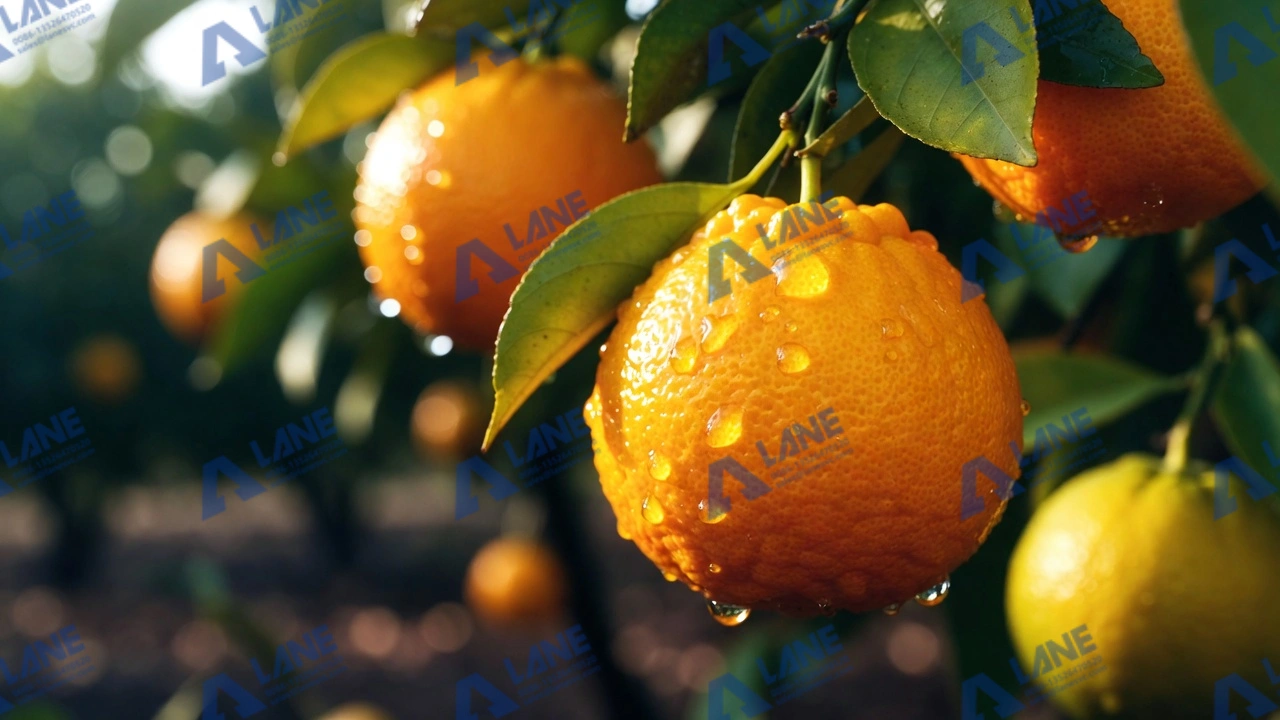
Citrus growers have two core goals when growing citrus: increasing yield and enhancing fruit quality. The citrus market demands premium fruit. While many fertilizers claim to support citrus growth, potassium sulphate (SOP) stands out as a proven fertilizer. Improving citrus quality with potassium sulphate fertilizer is not just a farming practice; it’s a strategic investment. This investment leads to bigger profits. By improving citrus quality with potassium sulphate fertilizer, growers can command higher prices, reduce waste, and ensure long-term grove health.
The foundation of a successful harvest lies in using high-quality SOP produced through a reliable, customized production line. LANE Heavy Industry’s SOP fertilizer production line ensures consistent, high-purity potassium sulphate that maximizes the benefits of improving citrus quality with potassium sulphate fertilizer.
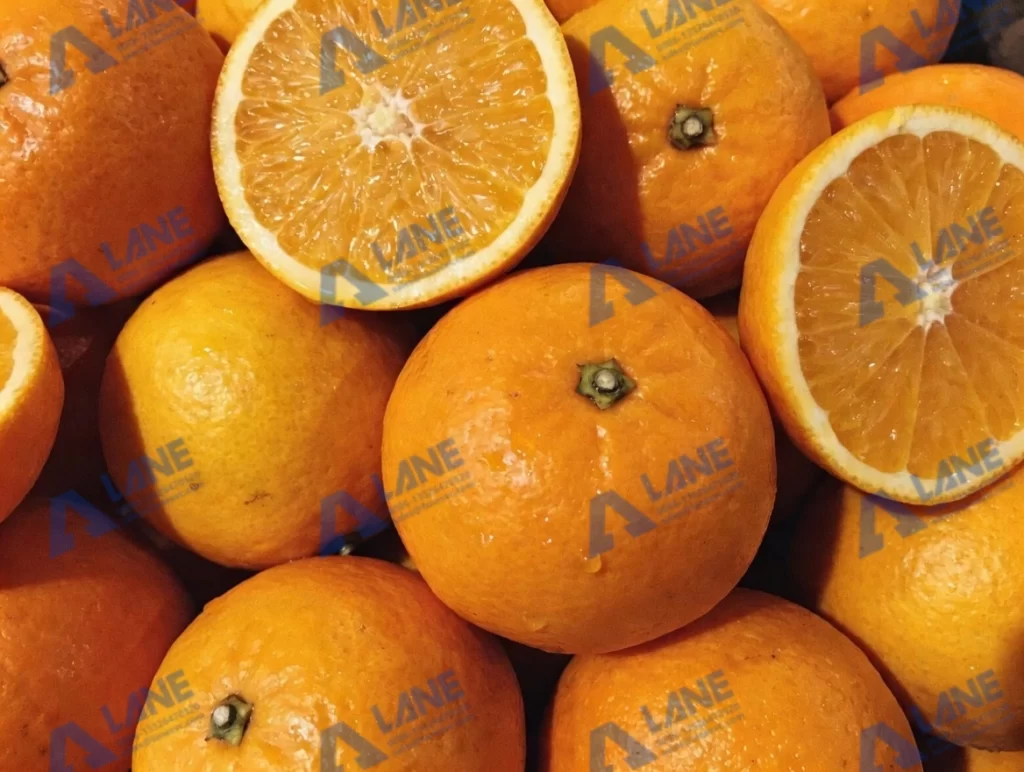
The Nutritional Powerhouse: Why SOP Matters for Citrus
Citrus trees are nutrient-hungry crops. Potassium is the quality element of the nutrient, while nitrogen drives growth and phosphorus supports energy transfer. However, not all potassium sources have the same nutrient composition.
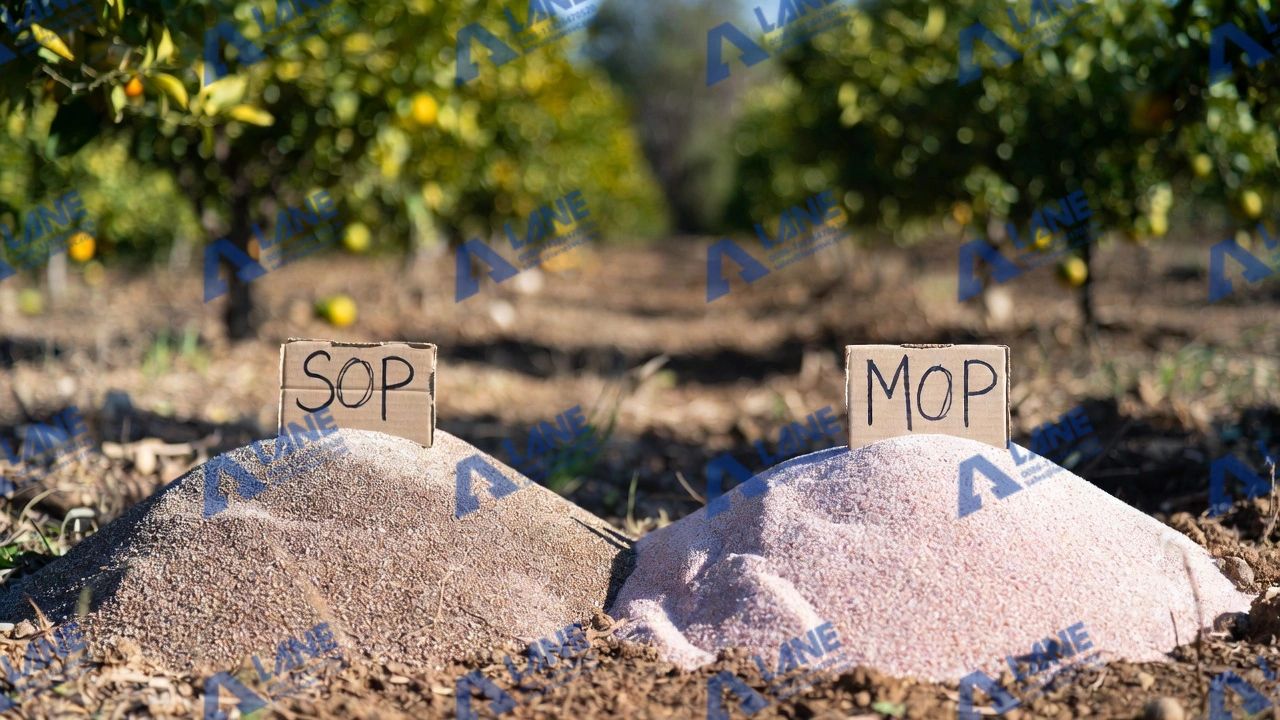
The most common potassium fertilizer is Muriate of Potash (MOP). It contains chloride, which is toxic to citrus in high concentrations. It leads to leaf burn and reduced fruit size. Potassium Sulphate (SOP), however, provides essential potassium and sulfur without the chloride. Improving citrus quality with potassium sulphate fertilizer also helps optimize the tree’s internal water regulation and enzyme activation.
Key Quality Benefits of SOP:
- Enhanced Sugar Content (Brix):Potassium facilitates the transport of sugars from leaves to fruit.
- Rind Integrity: Stronger rinds mean less fruit splitting and a longer shelf life.
- Acidity Balance: A better sugar-to-acid ratio results in the premium taste consumers crave.
- Size and Color: SOP ensures fruit reaches marketable size classes with vibrant, deep coloration.
Calculating the ROI: Turning Quality into Cash
When we talk about the ROI of improving citrus quality with potassium sulphate fertilizer, we consider three specific financial levers:
- Price Premium for Grade-A Fruit
In markets like North America, Europe, and East Asia, “Choice” or “Fancy” grade citrus can fetch 20–40% more than standard processing-grade fruit. By improving citrus quality with potassium sulphate fertilizer, a grower shifts a larger percentage of their harvest into these premium categories.
- Reduced Post-Harvest Losses
Citrus treated with SOP has thicker, more resilient skins. This leads to fewer bruises during transport and a lower incidence of post-harvest decay. If you can reduce your waste by even 5%, that creates more profits for you.
- Stress Resilience
Potassium regulates the leaf’s stomatal opening. Trees well-fed with SOP are more drought-tolerant and frost-resistant. This protects the tree against volatile weather. Your crop becomes more disaster-tolerant.
Industrial Efficiency: The LANE Heavy Industry Advantage
For large-scale plantations or fertilizer distributors, the cost of purchasing bagged SOP can be a barrier. This is where LANE Heavy Industry comes in. By implementing a dedicated SOP fertilizer production line, businesses can manufacture their own high-purity fertilizer, drastically reducing the input cost of improving citrus quality with potassium sulphate fertilizer.
The Mannheim Process Excellence
LANE Heavy Industry uses the Mannheim Process for SOP synthesis. It is the industry standard for producing SOP. In this process, we react raw materials like Potassium Chloride (MOP) and Sulphuric acid in our advanced reactor.
2KCl + H₂SO₄ → K₂SO₄ + 2HCl
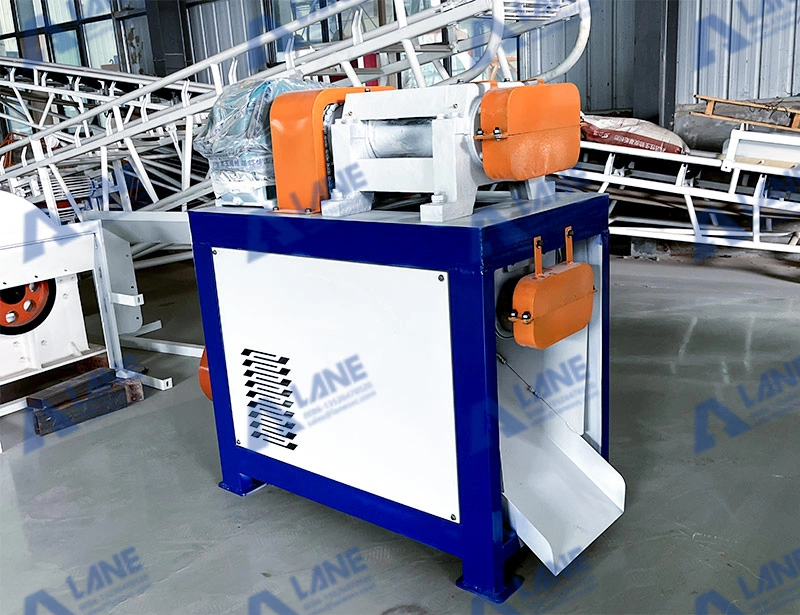
After that, the granulation process begins. LANE’s double roller granulators or rotary drum systems transform fine SOP powder into uniform, dust-free granules typically sized between 2–4mm.
The production line’s advanced drying and cooling systems maintain optimal moisture content, preventing the caking that can plague lower-quality fertilizers. Finally, multi-deck screening systems guarantee 99%+ accuracy in particle size separation and send the fines and undersized granules to the crusher to be recycled back to the granulator.
LANE Heavy Industry’s machinery offers several advantages:
- High Purity Output: Produces SOP with minimal chloride content (less than 1.5%). It is essential for citrus tree root sensitivity.
- Durability: Our reactors are built with specialized heat-resistant and anti-corrosive materials to withstand high-temperature reactions.
- Automation: We provide an integrated control system. This gives you complete control over the production line. It ensures consistent nutrient ratios.
- By-product Management: Our lines efficiently capture Hydrochloric Acid (HCl), which can be sold as a secondary revenue stream, further boosting ROI.
Implementation: Best Practices for Growers
You must maintain timing and proper application methods for improving citrus quality with potassium sulphate fertilizer.
- Soil Testing: Before application, analyze the soil to find out current potassium levels.
- Fertigation: SOP is highly soluble. Using it in a fertigation system allows for “spoon-feeding” the trees during the critical fruit-expansion phase.
- Foliar Sprays: In cases of acute deficiency, foliar application of SOP can provide an immediate boost to fruit sugar levels.
The consistency provided by a LANE Heavy Industry production line ensures that the SOP particles are of a uniform size, preventing clogs in irrigation systems and ensuring even distribution across the grove.
Sustaining the Future of the Grove
After harvest, trees need nutrients to recover. Providing them with SOP at that time is an investment in the “capital” of the tree. A potassium-replete tree develops a more robust root system and enters the next flowering season with higher carbohydrate reserves.
In-house SOP production means you are not affected by global disruptions in the supply chain, and your mission of improving citrus quality with potassium sulphate fertilizer remains affordable year after year.
Conclusion: The Bottom Line
The economics of citrus farming are heavily influenced by fruit quality, and potassium is the critical nutrient for that role. By improving citrus quality with potassium sulphate fertilizer, growers can achieve better fruit size, taste, color, and shelf life. It creates higher profits for the growers. The ROI of SOP is not just a calculation; it is the difference between a struggling grove and a thriving agricultural enterprise. Investing in an SOP fertilizer production line from LANE Heavy Industry ensures a consistent, cost-effective supply of premium potassium sulphate.
FAQ: Improving Citrus Quality with Potassium Sulphate Fertilizer
Q: Why is SOP better than MOP for citrus?
A: Citrus is sensitive to chloride. MOP (Potassium Chloride) can cause salt stress, whereas improving citrus quality with potassium sulphate fertilizer provides essential sulfur without the toxic chloride buildup.
Q: When is the best time to apply SOP to citrus?
A: While potassium is needed year-round, the most critical period for improving citrus quality with potassium sulphate fertilizer is during the fruit development and maturation stages.
Q: Can LANE Heavy Industry machinery produce different grades of SOP?
A: Yes. Their production lines can be calibrated to produce powder, granular, or water-soluble grades, all of which are effective for improving citrus quality with potassium sulphate fertilizer.
Q: What is the expected increase in yield when using SOP?
A: While yield increases vary (often 10-15%), the real ROI comes from improving citrus quality with potassium sulphate fertilizer, which increases the percentage of export-quality fruit.
Of course, we also offer other types of products for your different needs, you can click to view.
For more information, please contact us by sending an inquiry today! We can help you!



Write a Reply or Comment