
SOP Fertilizer Granulation Plant for Coffee in Brazil: Production & Profitability
Introduction
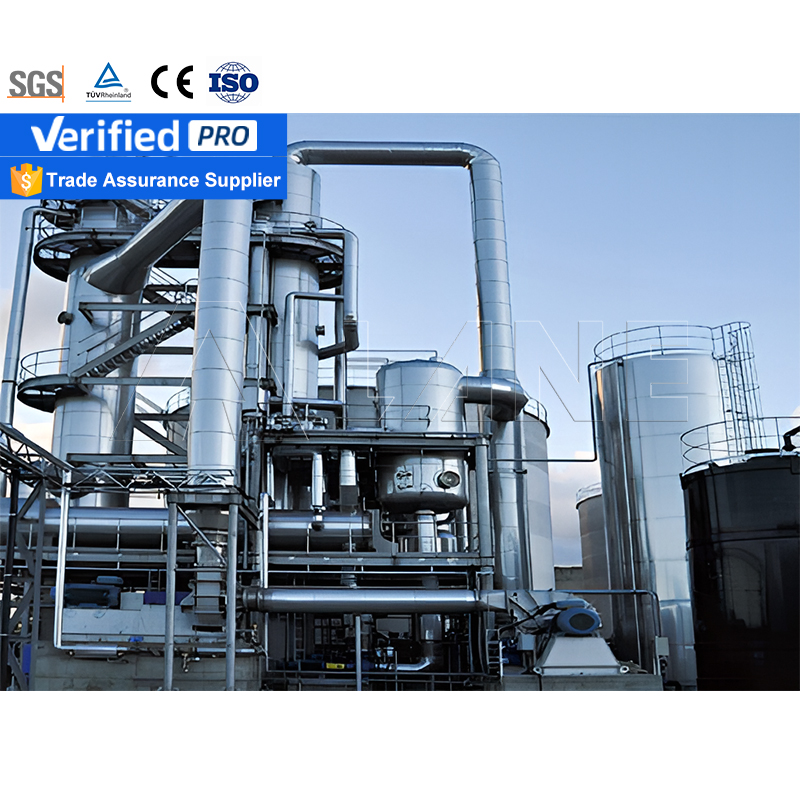
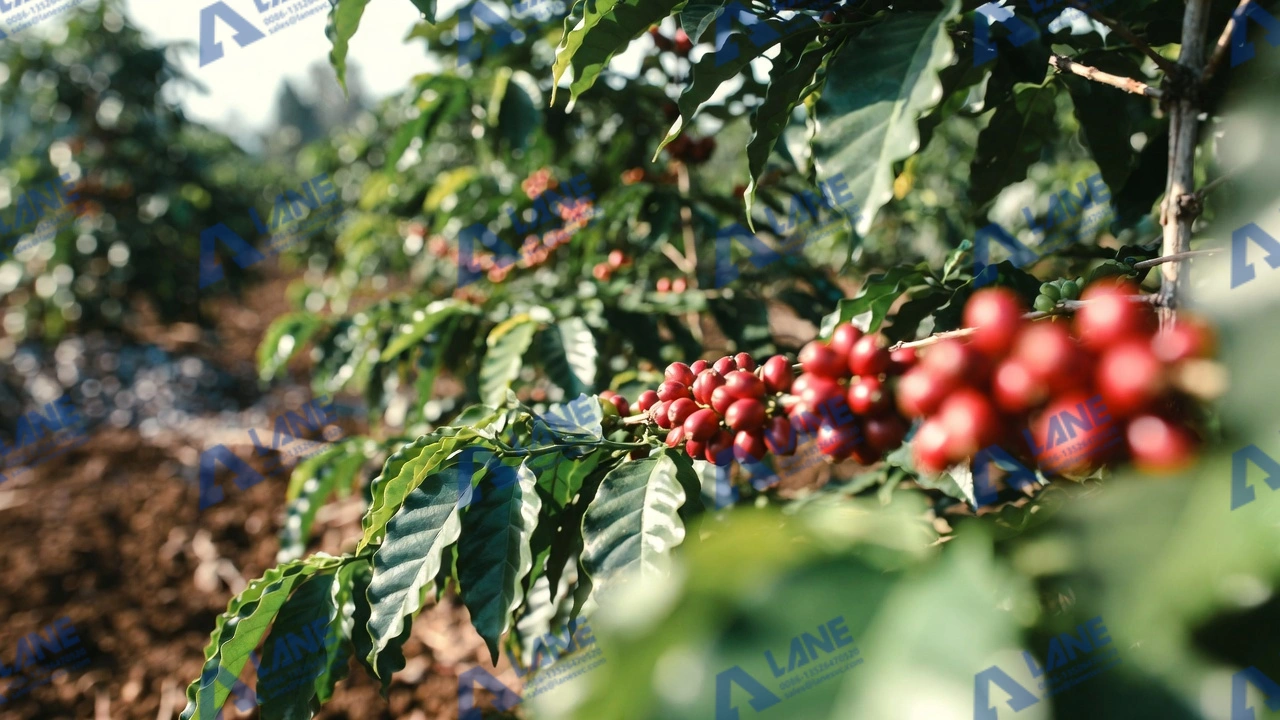
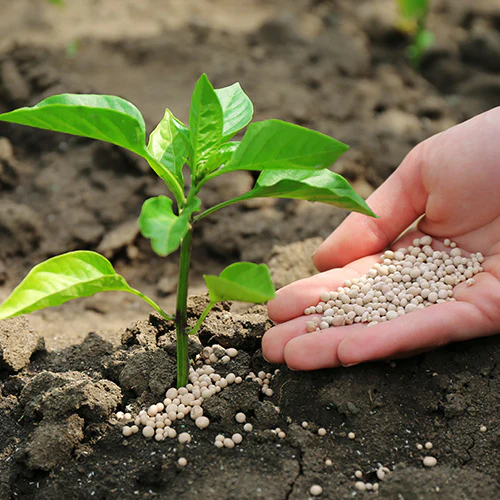
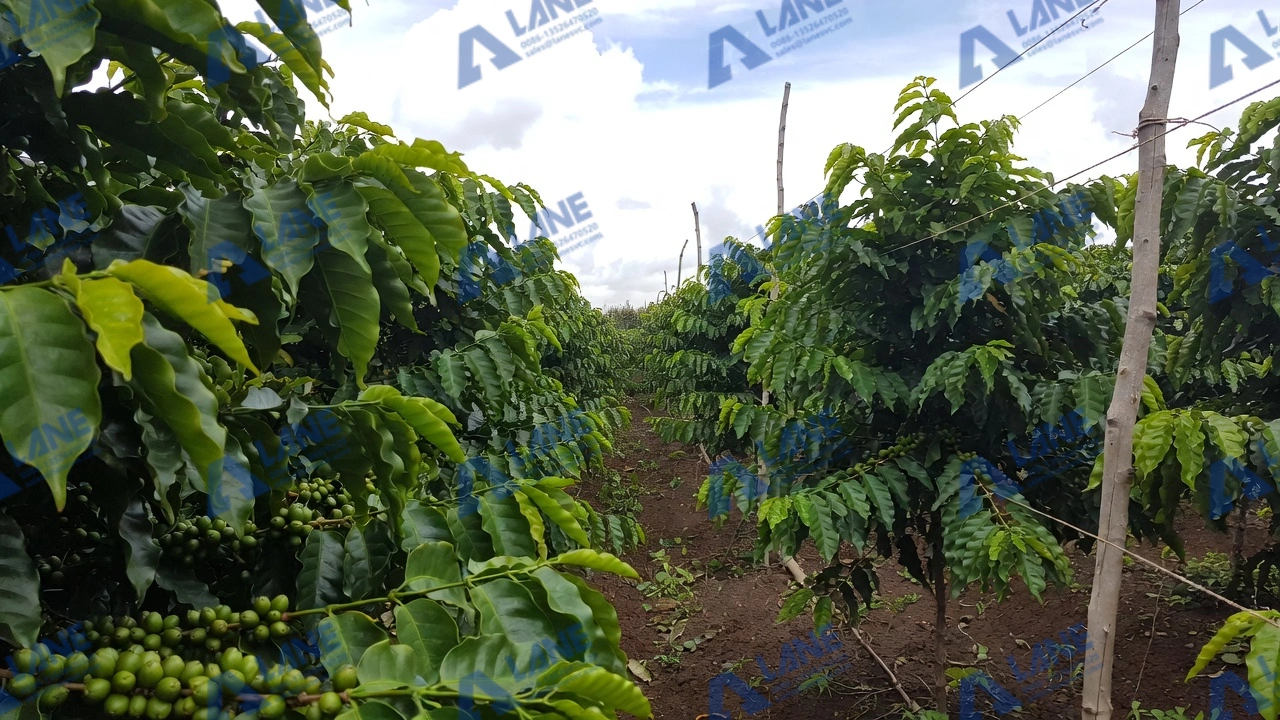
Brazil is the world’s largest coffee producer. It produces over 33% of global coffee production. The quality of Brazilian beans is renowned globally. To maintain this supremacy and enhance both yield and bean quality, coffee growers in Brazil rely heavily on high-quality fertilizers, especially Potassium Sulfate (SOP), a chlorine-free potash fertilizer that provides essential potassium and sulfur. This fertilizer enhances bean density, flavor, and disease resistance. An SOP fertilizer granulation plant for coffee in Brazil is a strategic investment that helps Brazilian entrepreneurs produce tailored, efficient fertilizers for coffee crops.
Reliance on imported SOP creates supply chain vulnerabilities and high costs. The solution lies in domestic production. Investing in an SOP fertilizer granulation plant for coffee in Brazil is not just an industrial upgrade; it is a strategic economic move. LANE Heavy Industry, a leading producer of SOP fertilizer production machinery, has engineered advanced production systems that optimize production efficiency, reduce operational costs, and drive profitability.
The Production Powerhouse: LANE Heavy Industry’s Machinery
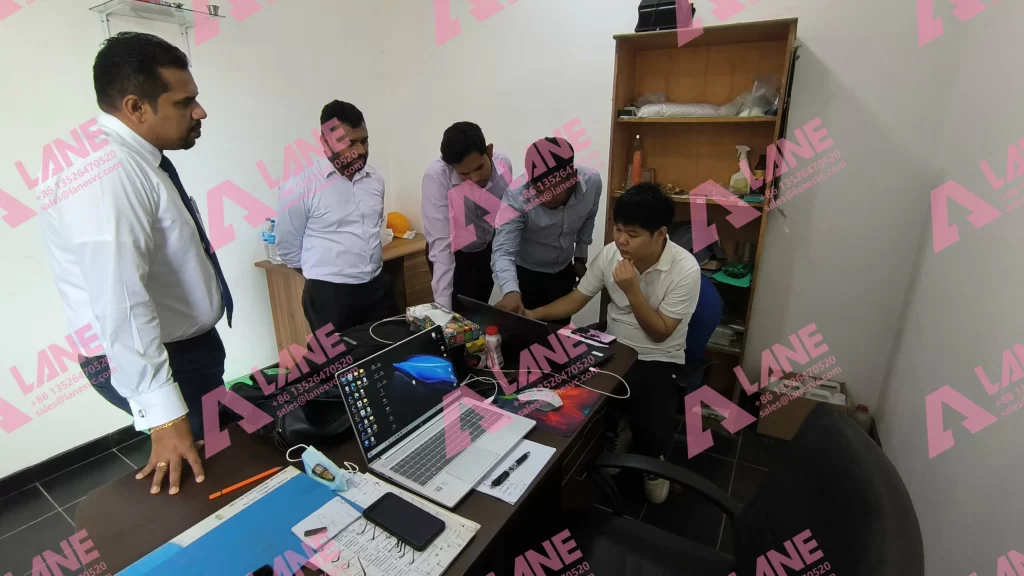
A successful SOP fertilizer granulation plant for coffee in Brazil needs reliable manufacturing equipment. LANE Heavy Industry has established itself as a global leader in fertilizer technology. We offer turnkey solutions that address the specific challenges of SOP production. Our machines are designed and engineered to process the acidic raw materials from reaction to final packaging with efficiency.
- The Chemical Synthesis Stage
The first step of the SOP production journey begins with chemical reaction. LANE utilizes the advanced Mannheim process to react potassium chloride (KCl) with sulfuric acid. For coffee plants, purity is very important. LANE’s systems ensure that the chloride content is below 1.5% and create the premium low-salt index SOP that coffee trees love. This initial stage determines the quality of the final SOP fertilizer. An advanced reaction process by LANE builds trust and reputation for the SOP fertilizer granulation plant for coffee in Brazil and determines the price of the final product.
- Precision Granulation
After synthesis, the SOP powder must be transformed into easy-to-handle granules to increase its operational value. LANE offers a choice between advanced Double Roller Compaction Granulators and Rotary Drum Granulators.
- Double Roller Granulators: Ideal for small plants or those focusing on a dry production method. This machine uses two counter-rotating rollers to pressure the SOP powder to form dense, dust-free granules without the need for a liquid binder.
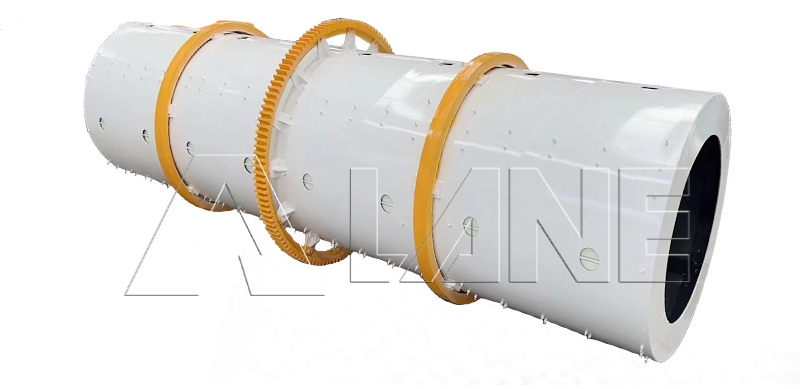
- Rotary Drum Granulators: For larger-scale operations. LANE’s rotary drums are engineered with optimal speed to create uniformly sized, spherical granules. This granulator needs a wet binder for producing granules.
Moisture control is essential to prevent caking, especially in a humid climate like Brazil. LANE integrates energy-efficient rotary dryers and coolers that gently process the granules without causing thermal stress or breakdown. A defining feature of a LANE-designed modern SOP fertilizer granulation plant for coffee in Brazil is its environmental compliance. LANE uses cyclone dust collectors and enclosed conveying systems (like sealed bucket elevators and screw conveyors) to capture up to 95% of dust particles.
LANE also manufactures rotary coating drums, which are used to apply a thin, inert layer of anti-caking and dust-suppression agents to the granules. This guarantees that the SOP fertilizer remains free-flowing and easy to spread. Finally, automated packaging systems ensure precise bagging and distribution.
| Production Stage | LANE Machinery Used | Key Benefit for Coffee Production |
| Synthesis | Mannheim Furnace / Acid Mixer Reactor | Ultra-low chloride content for sensitive coffee trees |
| Crusher | Chain crusher/Raymond Mill | Creates fine SOP powder from molten cake |
| Granulation | Double Roller / Rotary Drum Granulator | Uniform granules for consistent nutrient release |
| Dust Control | Cyclone Collectors / Enclosed Conveyors | Reduced waste, environmental compliance, safety |
| Screening Machine | Rotary Screening Machine/ Vibrating Screening Machine | Separates on-size granules from fines and oversize granules. |
| Finishing | Rotary Coating Drum | Dust-free, anti-caking granules for easy storage |
The Profitability Equation: Why Invest Now?
Building an SOP fertilizer granulation plant for coffee in Brazil is a capital-intensive endeavor. Even though the initial investment is high, the return on investment (ROI) is compelling when analyzed against current market dynamics.
- Capturing Local Market Premiums
Brazilian coffee growers are willing to pay a premium for high-quality SOP because it improves their cup scores and commands higher export prices. By producing SOP locally, manufacturers eliminate the hefty import tariffs and logistics costs associated with shipping from overseas producers. A LANE production line has high granulation and synthesis rates. It increases the production rate by 3–5% and allows manufacturers to offer competitive pricing while maintaining superior margins.
- Operational Efficiency and Cost Savings
LANE’s focus on low-dust and energy-efficient design directly impacts the bottom line. The enclosed system reduces raw material loss, while waste heat recovery technologies lower energy consumption. Furthermore, durable granules have less degradation during transport. It ensures that coffee farmers receive the full value of the fertilizer. For the plant owner, lower maintenance costs (due to reduced abrasive dust wear on machinery) mean less downtime and higher annual throughput.
- Meeting the Demand for Specialized Inputs
An SOP fertilizer granulation plant for coffee in Brazil equipped with LANE machinery can easily produce custom formulation blends. We provide advanced mixing machines that can help producers create SOP fertilizer with micronutrients like boron and zinc. These micronutrients are crucial for coffee flowering and fruit set. This ability to offer specialized products makes your business eligible for custom orders and higher profits.
Conclusion
In Brazil’s competitive coffee industry, the SOP fertilizer granulation plant for coffee in Brazil is no longer a luxury. It has become a necessity because of ongoing global tensions. By establishing an SOP fertilizer granulation plant for coffee in Brazil using LANE Heavy Industry’s high-efficiency machinery, investors can provide a vital product that boosts yields for farmers and profits for the plant operator. For entrepreneurs and agribusiness leaders looking to capitalize on Brazil’s coffee boom, partnering with LANE Heavy Industry provides the technological backbone needed to succeed.
Frequently Asked Questions (FAQ)
Q1: What is the typical capacity range for an SOP fertilizer granulation plant for coffee in Brazil from LANE Heavy Industry?
LANE offers highly scalable solutions. Depending on the needs of the Brazilian market, they can engineer plants ranging from small-scale operations (e.g., 1 ton per hour) up to large industrial complexes producing 50 tons per hour or more, ensuring the line matches the specific demand of the region.
Q2: How does using LANE machinery increase the profitability of an SOP fertilizer plant?
Profitability is increased through multiple channels:
1) Reduced waste via closed-loop dust recovery systems.
2) Lower energy bills through heat recovery technology.
3) Premium pricing due to the production of high-quality, uniform granules that command a higher price from coffee growers.
4) Lower maintenance costs because dust suppression reduces wear and tear on moving parts.
Q3: Can a LANE production line be customized to handle different raw material sources available in Brazil?
Yes. LANE Heavy Industry specializes in customized solutions. Their SOP fertilizer granulation plant for coffee in Brazil can be designed to process various raw material inputs, ensuring that producers can utilize the most cost-effective local supplies without compromising the quality of the final SOP product.
Q4: Why is SOP specifically better for coffee than MOP (Muriate of Potash)?
Coffee is a chloride-sensitive crop. MOP contains high levels of chloride, which can burn the roots, reduce yield, and negatively impact bean quality. SOP provides essential potassium and sulfur without the chloride, leading to healthier plants, better fruit development, and superior cup quality—this is why many producers are investing in an SOP Fertilizer Granulation Plant for Coffee in Brazil to supply high-quality chloride-free fertilizer tailored for coffee cultivation.
Q5: What after-sales support does LANE offer for a plant based in Brazil?
LANE Heavy Industry provides comprehensive support, including installation supervision, operator training, and spare parts supply. They have demonstrated a strong commitment to the South American market through projects such as the SOP Fertilizer Granulation Plant for Coffee in Brazil, while also developing solutions tailored to local climates and ensuring rapid after-sales response to minimize downtime.
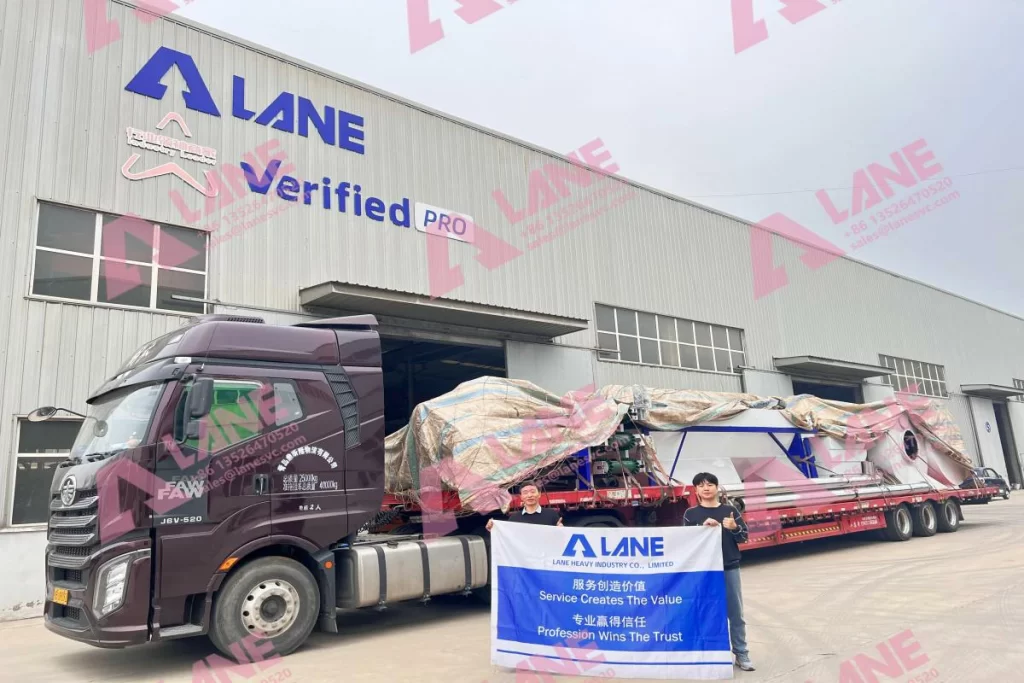
Of course, we also offer other types of products for your different needs, you can click to view.
For more information, please contact us by sending an inquiry today! We can help you!



Write a Reply or Comment