
Precision SOP Fertilizer Production for High Value Horticulture Crops
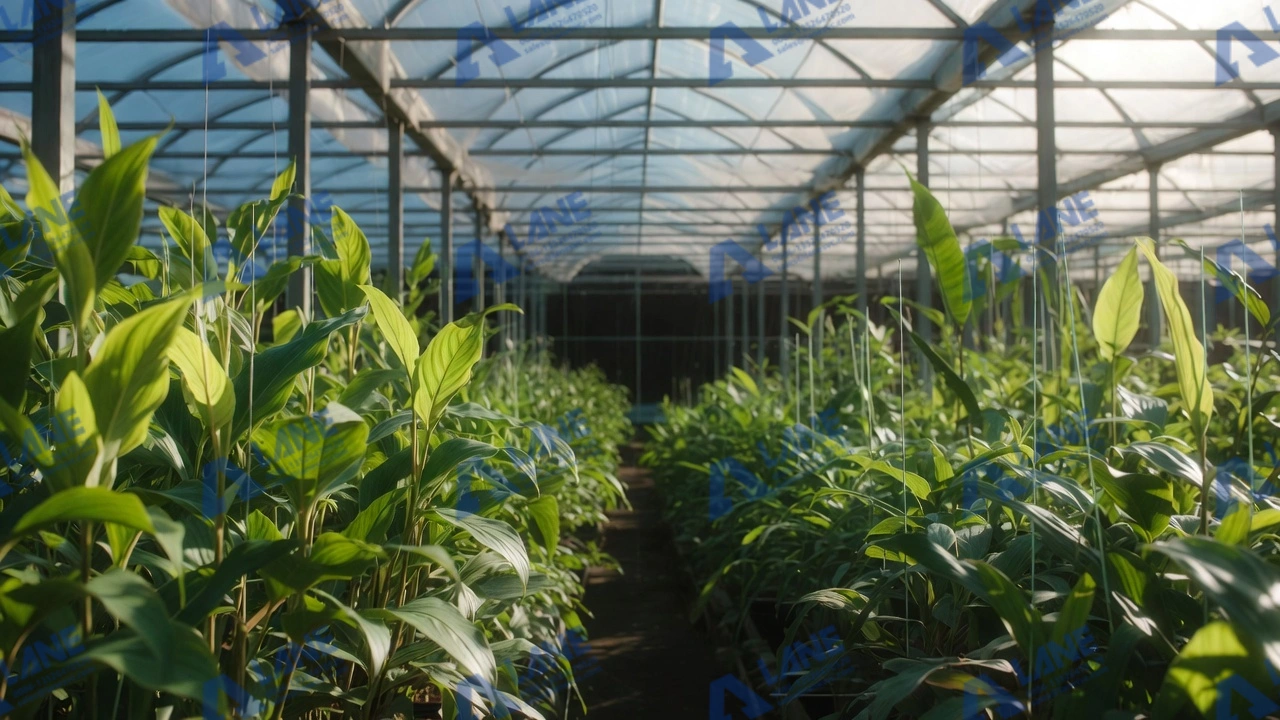
The consumer demand for premium horticulture crops is increasing because of the quality and the taste profile of these crops. From the sun-drenched vineyards of the Mediterranean to the intensive berry tunnels of North America, growers are focusing on quality parameters like brix levels, shelf-life, and vibrant coloration. But high-value horticulture crops like premium fruits, vegetables, and ornamental plants require specialized care to maximize yield, quality, and market value. One of the critical tools for growing high-value crops is sulfate of potash (SOP) fertilizer. Precision SOP fertilizer production for high-value horticulture ensures consistent nutrient content, optimal particle size, and compatibility with modern horticulture practices.
SOP fertilizer is a chloride-free nutrient source that delivers essential potassium and sulfur without any chloride. Unlike standard crops, high-value horticultural species such as citrus, tobacco, grapes, and stone fruits are sensitive to chloride. LANE Heavy Industry’s advanced SOP fertilizer production line enables manufacturers to meet the demands of high-value horticulture and deliver fertilizers that increase crop performance.
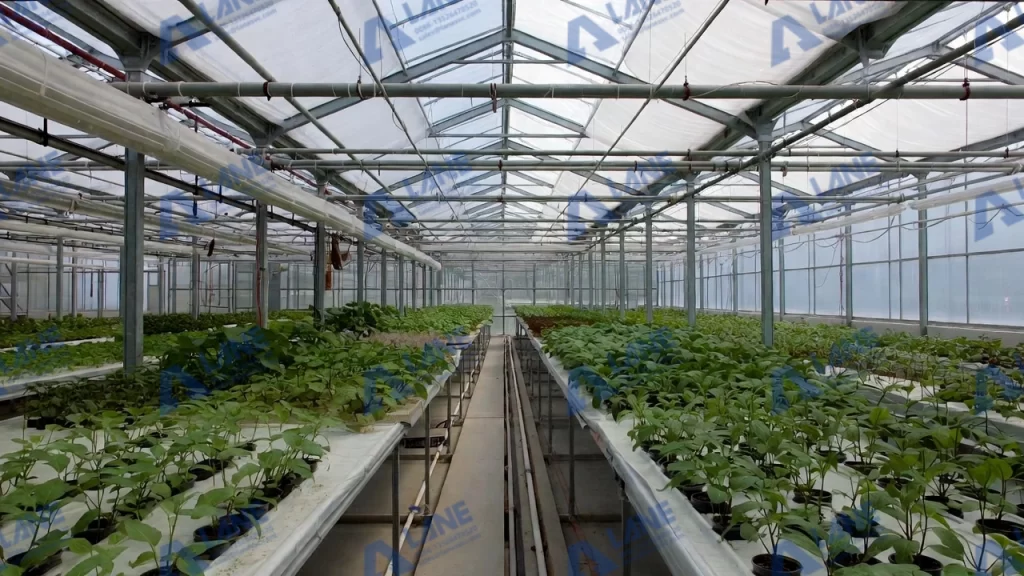
The Necessity of SOP in High-Value Horticulture
The importance of SOP fertilizer production for high-value horticulture is unparalleled. Most global potassium is supplied as Muriate of Potash (MOP/KCl). It is a cheaper and cost-effective potassium fertilizer which supplies up to 65% potassium. But it also contains up to 47% chloride, which can lead to salt stress and cause leaf burn, damage the roots, and degrade the fruit quality of chloride-sensitive crops.
SOP (K₂SO₄) provides a dual-nutrient punch:
- Potassium (50–52% K₂O):Regulates stomatal opening and enzyme activation.
- Sulfur (17–18% S):Essential for protein synthesis and oil production (critical for nuts and oilseeds).
By investing in dedicated SOP fertilizer production for high-value horticulture, manufacturers can provide premium quality fertilizer that enhances the salable quality of the crop.
The Mannheim Process: The Core of LANE Heavy Industry’s Technology
While SOP can be extracted from natural brines, the most reliable method for producing high-purity, premium-grade sulfate of potash is the Mannheim Process. LANE Heavy Industry has engineered and refined this conversion method into a streamlined operation. Our automated production line will maximize your yield while minimizing environmental impact.
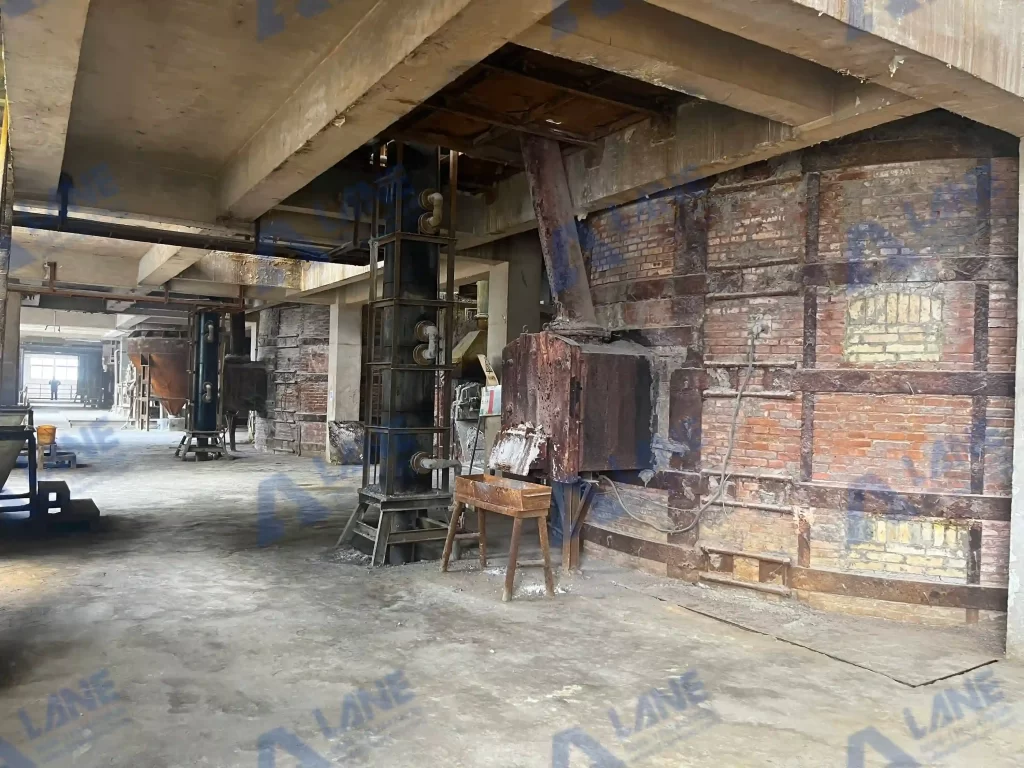
The heart of the SOP fertilizer production for high-value horticulture is the Mannheim furnace. It is a large, brick-lined reactor where Potassium Chloride (KCl) and Sulfuric Acid (H₂SO₄) are introduced via a LANE dosing system in precise ratios.
The reaction occurs in two distinct stages:
- Exothermic Stage: KCl + H₂SO₄ → KHSO₄ + HCl (Occurs at relatively lower temperatures).
- Endothermic Stage: KCl + KHSO₄ → K₂SO₄ + HCl (Requires temperatures between 500°C and 600°C).
LANE Heavy Industry uses high-chromium alloy as the raw material for the reactor. The mixing arms inside ensure that there is no cold spot in the reactor. This uniformity is vital for ensuring the final product has less than 1.5% chloride content. Lower than 1% chloride content is the benchmark for premium SOP fertilizer production for high-value horticulture.
- By-Product Management: Hydrochloric Acid Recovery
LANE Heavy Industry also integrates an HCl absorption tower. As the reaction between Potassium Chloride (KCl) and Sulfuric Acid (H₂SO₄) creates hydrogen chloride. The acid when released causes harm to the environment. Our HCl absorption system captures the chloride gas and converts it into high-purity industrial-grade hydrochloric acid (31–33%). This provides a secondary revenue stream for the plant.
Refining the Product: From Powder to Precision Granules
Modern high-value horticulture often utilizes advanced nutrient delivery systems like drone spreading, precision seeders, or fertigation. Therefore, raw SOP powder is not enough. It also causes dust pollution and is harder to handle. The SOP fertilizer production for high-value horticulture must include a granulation stage.
The “clinkers” exiting the Mannheim furnace are often acidic and irregularly sized. LANE’s production line includes a specialized Screw Reclaimer and Crusher system. During this stage, a neutralizing agent (often Calcium Carbonate or Lime) is added to stabilize the pH, ensuring the fertilizer does not scorch delicate horticultural roots upon application.
Granulation: The Key to Field Performance
For horticulture crops, dust-free granules are essential for premium quality and uniform distribution. This is why SOP fertilizer production for high-value horticulture horticulture typically focuses on producing uniform, dust-free granules suitable for precision application. LANE Heavy Industry offers three primary granulation paths:
- Disc Granulator: Ideal for creating spherical “pearl” granules that have excellent flowability in mechanical spreaders.
- Double Roller Granulator: This machine uses two counter-rotating rollers to compact the SOP powder into granules. It is a dry granulator.
- Rotary Drum Granulator: Used for high-capacity lines, creating dense granules that resist breaking during transport.
The integration of the granulator machines into the SOP fertilizer production for high-value horticulture ensures that every bag of fertilizer has a consistent granule size. This ensures even distribution of the nutrients.
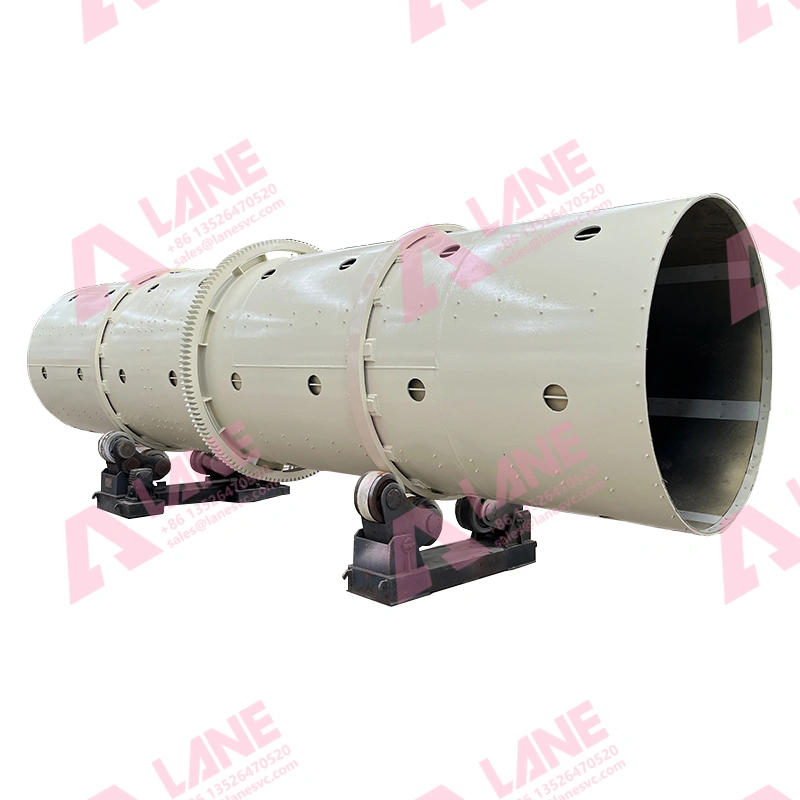
Drying and Cooling: Ensuring Shelf Stability
After the wet granulation process, SOP fertilizer contains higher moisture which can cause caking during packaging and transportation. To avoid this, the LANE production line features:
- Rotary Dryer: Uses counter-current hot air to reduce moisture to below 10%.
- Rotary Cooler: Rapidly brings the temperature down to ambient levels to prevent “caking” (clumping) inside the bags.
These steps in SOP fertilizer production for high-value horticulture protect the product from turning into a solid block during storage.
Quality Control Standards in SOP Production
To maintain the premium status, the production line must adhere to strict QC parameters:
- Chloride Content: Must remain <1.5% (ideally <1.0%).
- Water Solubility: For water-soluble fertigation grade, the SOP fertilizer must dissolve completely in the water without leaving residue that clogs drip emitters.
- Nutrient Density: Maintaining a steady 50% K₂O rating.
LANE Heavy Industry integrates a PLC system that can be used to monitor and adjust the furnace temperature and feed rates in real-time. This ensures that the SOP fertilizer production for high-value horticulture never deviates from these premium specs.
Conclusion: The Future of Specialty Nutrition
The demand for premium horticultural crops continues to grow globally, making precision SOP fertilizer production for high-value horticulture more important than ever. It is essential for making high-quality crops that command premium market prices. It has become the backbone of the global fertilizer supply chain. By utilizing the robust, high-efficiency production lines from LANE Heavy Industry, manufacturers can produce the chloride-free, sulfur-rich nutrition that the world’s most valuable crops demand.
FAQ: SOP Fertilizer Production
Q: Why is SOP preferred over MOP for horticulture?
A: SOP is virtually chloride-free and has a lower salt index. This prevents root toxicity and “leaf burn” in sensitive crops like berries and citrus. It also provides essential sulfur, which is why SOP fertilizer production for high-value horticulture is increasingly important for improving crop quality and yield.
Q: Can LANE Heavy Industry’s line produce water-soluble SOP?
A: Yes. By adjusting the grinding and screening stages, the production line can produce a fine “powder” grade specifically designed for rapid dissolution in fertigation tanks.
Q: What is the main by-product of this production line?
A: The primary by-product is Hydrochloric Acid ($HCl$), which is captured via absorption towers and sold for industrial use, making the SOP fertilizer production for high-value horticulture more economically sustainable.
Q: How long does a Mannheim furnace last?
A: With the high-quality refractory bricks and alloy components used by LANE, a furnace can operate for several years before requiring significant relining or maintenance.
Of course, we also offer other types of products for your different needs, you can click to view.
For more information, please contact us by sending an inquiry today! We can help you!



Write a Reply or Comment