
Why Sulphate of Potash is Recommended for Citrus and How It Shapes the Citrus Business of Tomorrow
Introduction
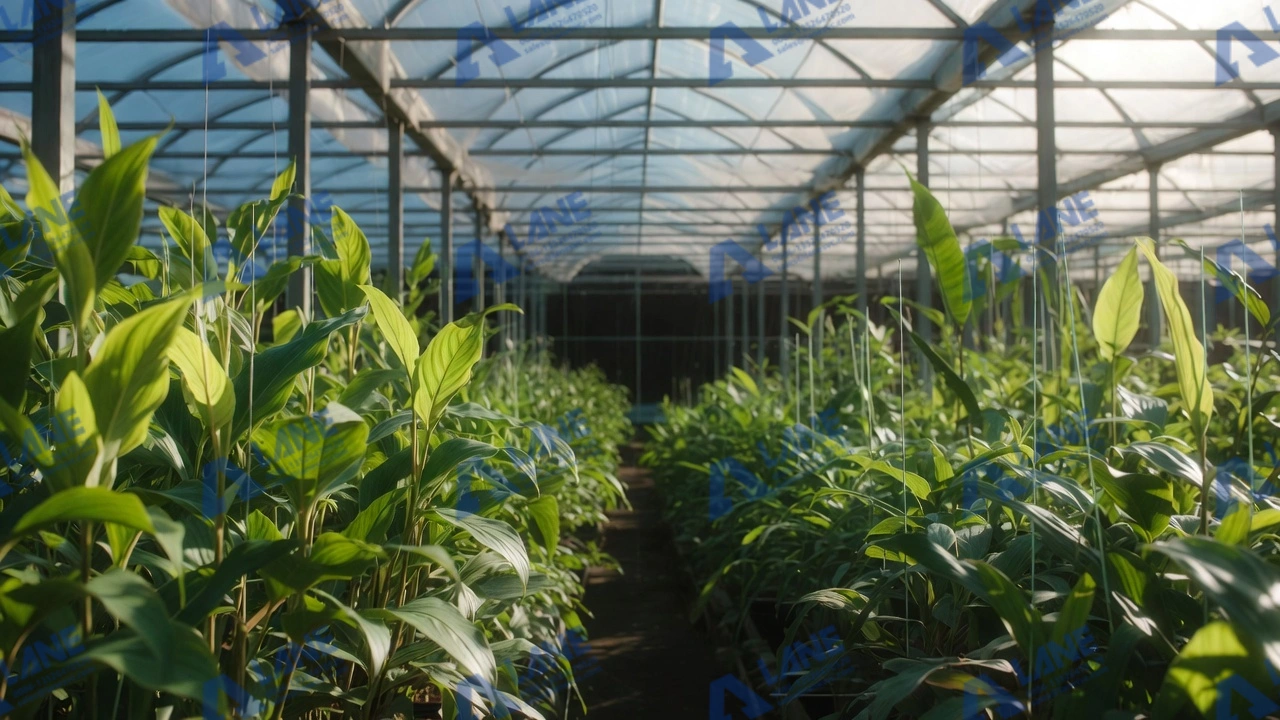
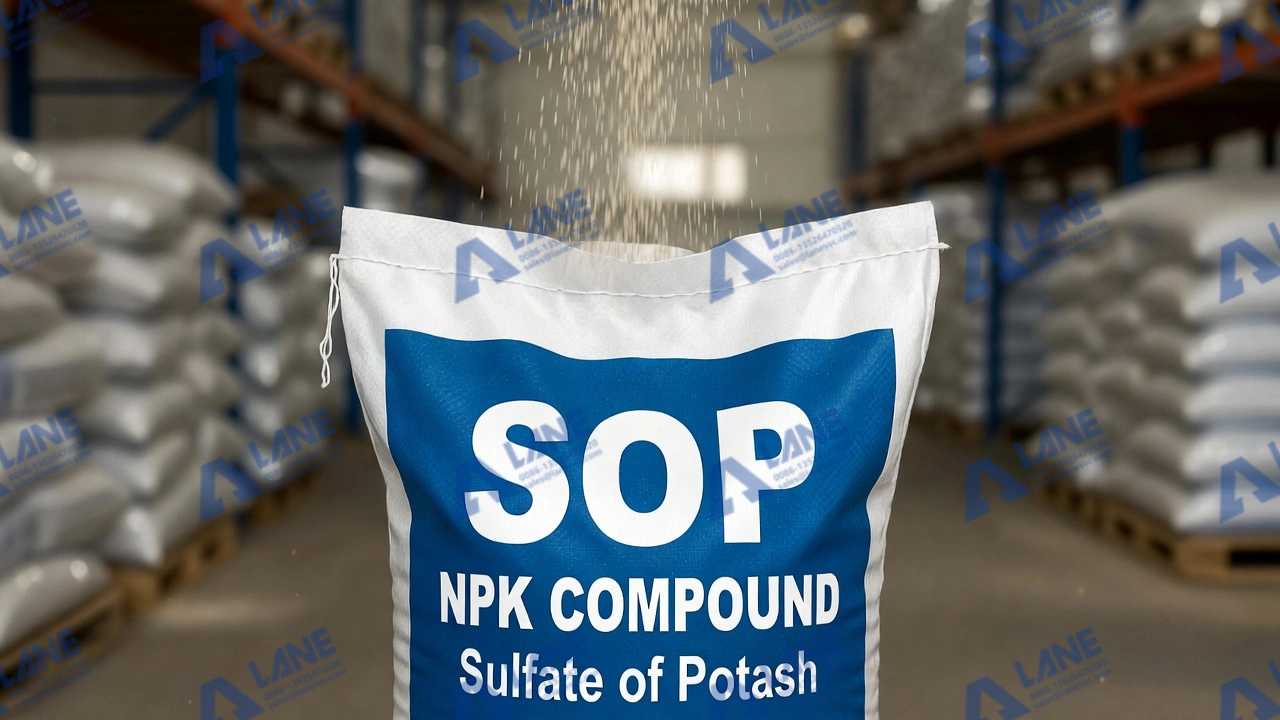
Citrus farming is a dynamic, growing sector. Citrus farmers and agribusinesses are seeking ways to improve yield, fruit quality, and market competitiveness. Consumers demand flavorful fruit with vibrant color and longer shelf life. While farming citrus, growers face pressure from climate variability, soil degradation, and regulations on agricultural inputs. But one fertilizer that has gained recognition for its role in citrus cultivation is sulphate of potash (SOP). In this article, we explore why sulphate of potash is recommended for citrus and how modern production technologies from LANE Heavy Industry are shaping the citrus business of tomorrow.
The Agronomic Foundation: Why Sulphate of Potash is Recommended for Citrus
Citrus trees have been studied for hundreds of years. They have specific nutritional requirements that directly influence fruit quality, yield, and profitability. Potassium stands as the most important nutrient for fruit development as it influences everything from fruit size to sugar accumulation and acidity balance.
Chlorine Sensitivity in Citrus: Citrus is a chloride-sensitive crop. When growers apply fertilizer that contains chloride, the citrus trees face leaf burn, reduced photosynthesis, and ultimately lower yields because of chloride ion accumulation. This explains why sulphate of potash is recommended for citrus over alternative potassium sources. SOP delivers potassium without the harmful chloride ions.
Dual Nutrient Advantage: SOP is also famous for its dual nutrient advantage. It provides potassium (typically 50–52% K₂O) and sulfur (18% S). Sulfur also plays an important role in citrus growing by:
- Supporting protein synthesis and enzyme function
- Enhancing oil content in the peel, improving aroma and shelf life
- Contributing to chlorophyll formation for better photosynthesis
After understanding why sulphate of potash is recommended for citrus, citrus growers recognize sulfur as a vital nutrient source.
Fruit Quality Parameters: Premium citrus markets look for citrus with high brix (sugar content), vibrant color, firm texture, and extended storage life. Research consistently demonstrates why sulphate of potash is recommended for citrus aiming for these premium specifications:
| Quality Parameter | SOP Impact | Business Outcome |
| Fruit size | Improved uniformity | Higher pack-out rates |
| Brix levels | Enhanced sugar accumulation | Premium pricing |
| Peel thickness | Optimal development | Reduced culling |
| Storage life | Extended shelf life | Export viability |
The Market Reality: Growing Demand for SOP in Citrus Regions
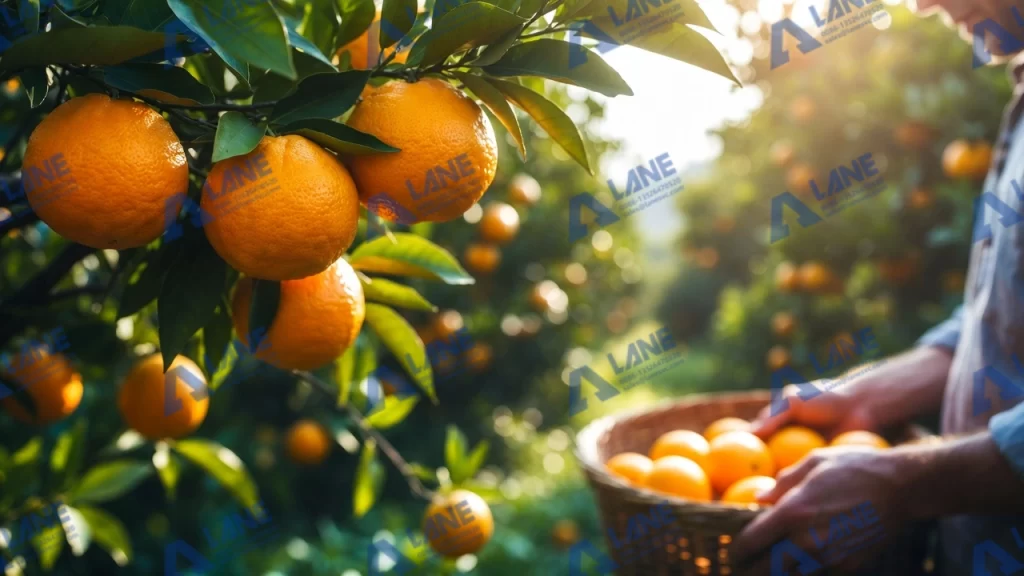
Total global citrus production exceeds over 144 million tons annually. Major growing regions are Brazil, China, the United States, the European Union, and the Mediterranean basin. As awareness grows of why sulphate of potash is recommended for citrus, demand for SOP fertilizer has increased and is expected to remain in high demand in the coming decades.
Premium Market Access: Export-oriented citrus producers must maintain strict maximum residue limits and quality standards. SOP fertilization helps producers produce clean-label fruits while delivering the physical fruit characteristics that international buyers demand. Growers who use sulphate of potash can position their fruit in the highest-value market segments.
Climate Resilience: The world’s climate is changing and becoming unpredictable. This unpredictability can sometimes create stress for the citrus tree. Citrus growers need tools that enhance stress tolerance. SOP improves water-use efficiency and helps citrus trees withstand drought periods. It is a compelling business reason why sulphate of potash is recommended for citrus in climate-vulnerable regions.
From Grower Need to Manufacturer Opportunity: The LANE Heavy Industry Solution
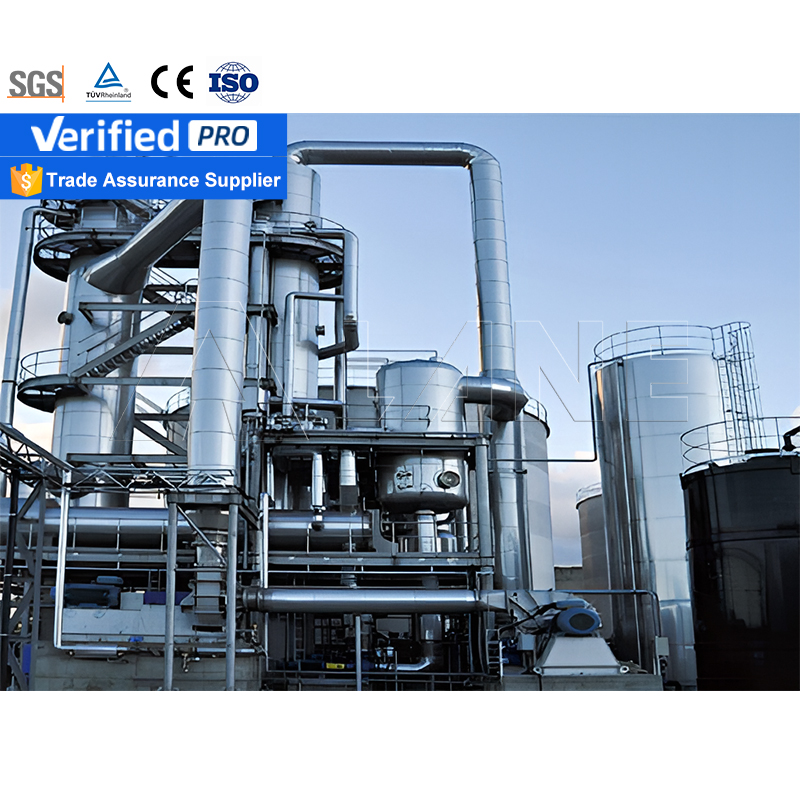
To meet the growing demand for high-quality SOP fertilizer, modern, sophisticated production technology is required. This is where LANE Heavy Industry’s precision machines turn your production dream into reality. Our advanced SOP fertilizer production lines enable manufacturers to produce consistent, premium-grade SOP that meets the exacting standards of modern citrus agriculture.
The LANE Production Line: Engineering for Quality
Engineers from LANE understand why sulphate of potash is recommended for citrus and how to manufacture specialized machines to make premium quality SOP fertilizer. Citrus trees respond best to uniform, dust-free granules that release nutrients predictably. LANE’s SOP fertilizer production lines deliver this specification.
Raw Material Handling and Preparation
The journey begins with enclosed conveying systems. LANE provides bucket elevators with sealed casings and enclosed screw conveyors that prevent dust loss and contamination. We pay attention to every part of our design to make sure that the final SOP fertilizer maintains the purity for citrus growers.
Precision Granulation Technology
Depending on the manufacturing requirements, scalability, and capacity, LANE provides rotary drum granulators or double-roll compaction granulators. For farmers and manufacturers targeting the citrus market, the double-roller granulation approach offers distinct advantages:
- Binder-free granulation: Preserves the chemical integrity of SOP
- Uniform particle size: Ensures consistent field application
- High granule strength: Prevents breakdown during transport
The granulation stage determines the hardness, storability, and application of the SOP fertilizer. Consistent granules mean consistent nutrient release.

The Coating Stage
In this stage, LANE’s rotary coating drums apply specialized anti-caking and dust-suppression agents in a thin, uniform layer to the granules. This coating serves three vital functions:
- Dust suppression: Prevents losses during handling and application
- Moisture resistance: Protects against caking during storage
- Enhanced flowability: Ensures accurate mechanical application
The precision application of our rotary coating drums makes LANE the preferred choice for your SOP fertilizer production line.
Innovation for Tomorrow: SOP with Micronutrients
Many modern citrus producers want to create custom SOP formulations that address their farm’s nutrient deficiencies. This helps farmers customize and improve the citrus and make high-quality citrus for the premium market. This explains why sulphate of potash is recommended for citrus in combination with micronutrients like boron, zinc, and iron.
LANE’s advanced production line accommodates precise micronutrient incorporation through:
- Dynamic batching systems for accurate formulation
- High-shear mixing for homogeneous distribution
- Flexible production runs for custom blends
Manufacturers using LANE equipment can capture premium markets by offering citrus-specific SOP formulations that address local soil conditions.
Shaping the Citrus Business of Tomorrow
The connection between production technology and grower outcomes creates a cycle that shapes the entire citrus value chain.
Traceability and Transparency
Modern consumers demand to know where their food comes from and how it was produced. By leveraging LANE’s automatic production system with low dust and environmental pollution, you can build transparency that builds brand trust.
Manufacturers using LANE equipment can document their production processes. It provides growers with marketing material for premium fruit markets.
Economic Efficiency
Understanding why sulphate of potash is recommended for citrus extends to the bottom line. LANE’s production line uses closed-loop recycling systems to maximize material yield. This efficiency achieves up to 3–5% increased yield.
LANE’s production lines maximize material yield through closed-loop recycling systems that return fines and oversized granules to the production stream. This efficiency—achieving up to 3–5% increased yield—reduces manufacturing costs while ensuring consistent product quality.
Environmental Stewardship
Because of climate change, regulatory pressure on fertilizer manufacturers continues to intensify. LANE’s low-dust production lines help manufacturers exceed compliance requirements while reducing their environmental footprint. Our commitment to clean production aligns with the sustainability values of consumers and helps manufacturers by increasing the drive of purchasing decisions throughout the citrus supply chain.
Why is sulphate of potash recommended for citrus in environmentally conscious operations? Because LANE’s production designs ensure regulatory compliance and the fertilizer itself embodies the sustainability that modern markets demand.
Scalability for Growing Markets
Global SOP demand is growing as more growers recognize why sulphate of potash is recommended for citrus and other high-value crops. LANE offers custom scalable lines ranging from 1–5 tons per hour for emerging manufacturers to 20–30 tons per hour for industrial-scale operations.
This scalability allows manufacturers to grow with the market. You can capture opportunities in established citrus regions while developing new markets.
Frequently Asked Questions
Q1: Exactly why sulphate of potash is recommended for citrus over muriate of potash (MOP)?
A: Citrus is highly sensitive to chloride, which MOP contains in significant quantities. Chloride accumulation in the root zone causes leaf burn, reduces photosynthesis, and ultimately lowers fruit quality and yield. This is why sulphate of potash is recommended for citrus, as it provides potassium in the sulfate form, delivering essential nutrition without the chloride damage that limits citrus productivity. Additionally, the sulfur in SOP supports protein synthesis and enhances fruit aroma and storage life.
Q2: How does LANE Heavy Industry’s production line ensure the quality that makes SOP recommended for citrus?
A: LANE’s integrated production lines incorporate precision granulation technology that creates uniform, dense granules with high crushing strength. The critical coating stage applies anti-caking and dust-suppression agents that seal each granule, preventing breakdown during transport and ensuring consistent nutrient release. This attention to physical quality ensures that LANE-produced SOP delivers the agronomic benefits that explain why sulphate of potash is recommended for citrus.
Q3: Can LANE production lines manufacture SOP with micronutrients for specific citrus-growing regions?
A: Yes. LANE’s dynamic batching systems and high-shear mixers enable precise incorporation of micronutrients like boron, zinc, and iron into SOP formulations. This flexibility allows manufacturers to create region-specific products addressing local soil deficiencies—a growing trend in premium citrus production.
Q4: What production capacity options does LANE offer for SOP manufacturers targeting the citrus market?
A: LANE provides complete turnkey solutions ranging from smaller lines producing 1–5 tons per hour suitable for regional manufacturers, to industrial-scale operations producing 20–30 tons per hour. This scalability allows manufacturers to match capacity to market demand as awareness grows about why sulphate of potash is recommended for citrus, helping producers respond to increasing demand from citrus growers who understand why sulphate of potash is recommended for citrus in their target regions.
Q5: How does investing in a LANE production line create business advantages for SOP manufacturers?
A: LANE-equipped manufacturers benefit from increased product yield (3-5% less waste), lower maintenance costs due to reduced dust abrasion, and the ability to produce premium, dust-free granules that command higher prices. These economic advantages combine with environmental compliance and the flexibility to create custom citrus formulations—positioning manufacturers as preferred suppliers to the growing premium citrus market
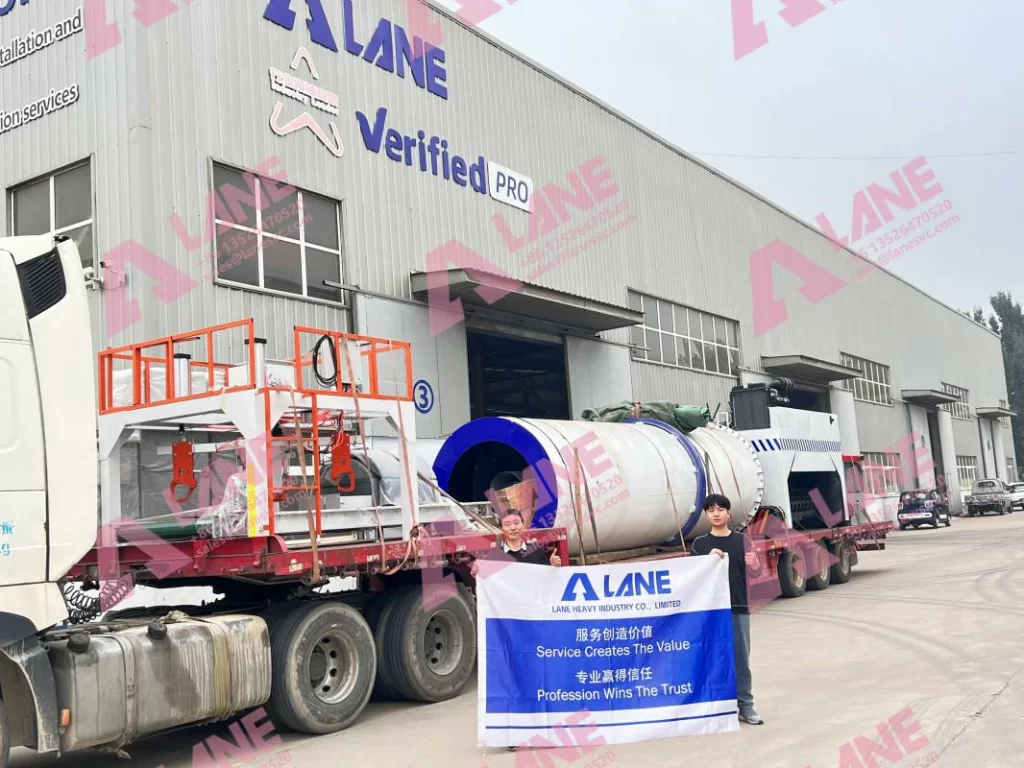
Of course, we also offer other types of products for your different needs, you can click to view.
For more information, please contact us by sending an inquiry today! We can help you!



Write a Reply or Comment