
SOP Fertilizer Production Investment in Laos: The Next Big Opportunity in Southeast Asian Agri-Business
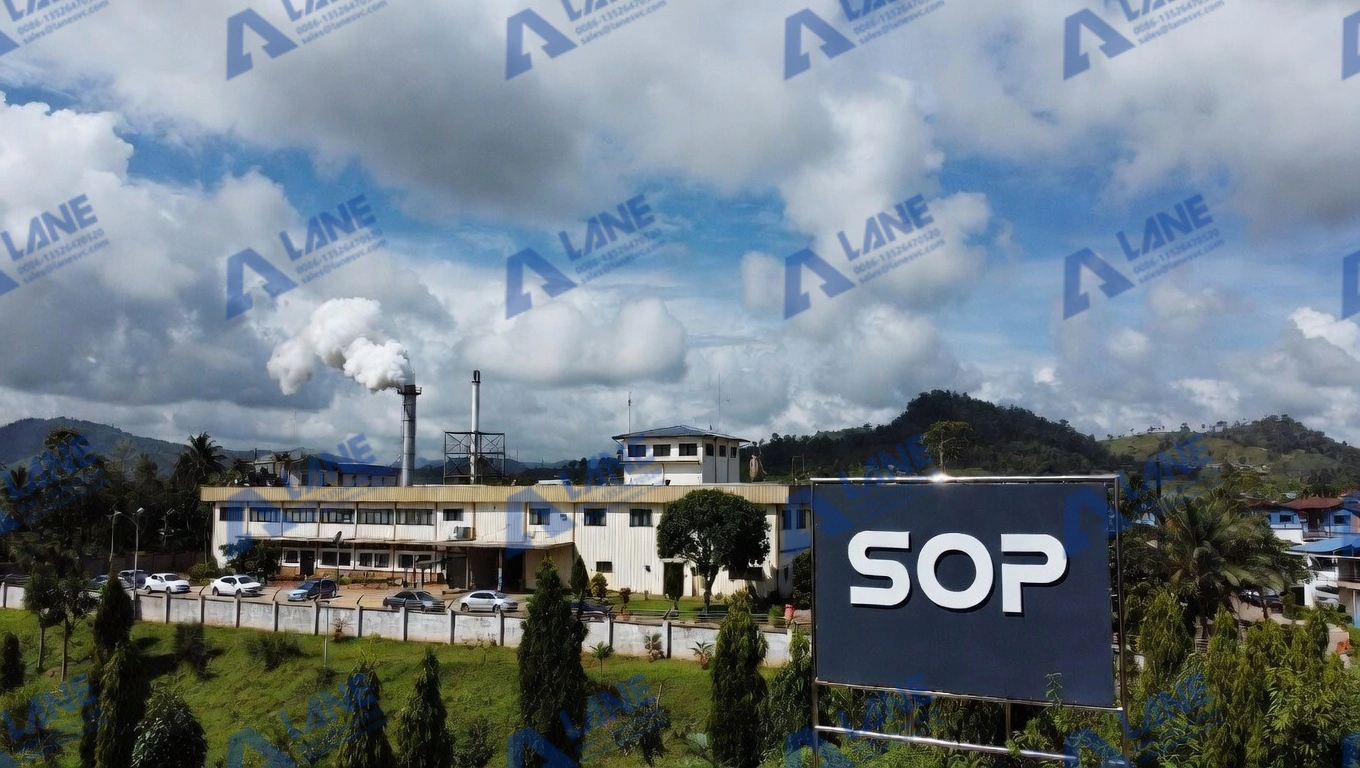
Introduction: Why Laos is Poised for an Agri-Business Revolution
Southeast Asia’s agriculture sector provides a substantial amount to their GDP. They are going through a growth period, driven by rising global food demand, adoption of high-value crops, and the rise of organic foods. The fertilizer market of the region is valued at USD 11 billion and growing at a CAGR of over 4%. Among the region’s most promising investment frontiers is SOP fertilizer production investment in Laos. Sulfate of Potash (SOP) is the premium potassium fertilizer, essential for high-value, chloride-sensitive crops like coffee, rubber, fruits, and vegetables.
For investors and agribusinesses, SOP fertilizer production investment in Laos represents a compelling frontier. Laos already has the mineral deposits ready to use for SOP fertilizers. Laos also has land access to major agricultural economies like Thailand, Vietnam, and China. With abundant raw materials, favorable government policies, and access to regional markets, SOP fertilizer production investment in Laos offers unprecedented business potential. With the help of advanced production technology from LANE Heavy Industry, a global leader in fertilizer machinery, the SOP fertilizer production investment in Laos will be a smooth operation.
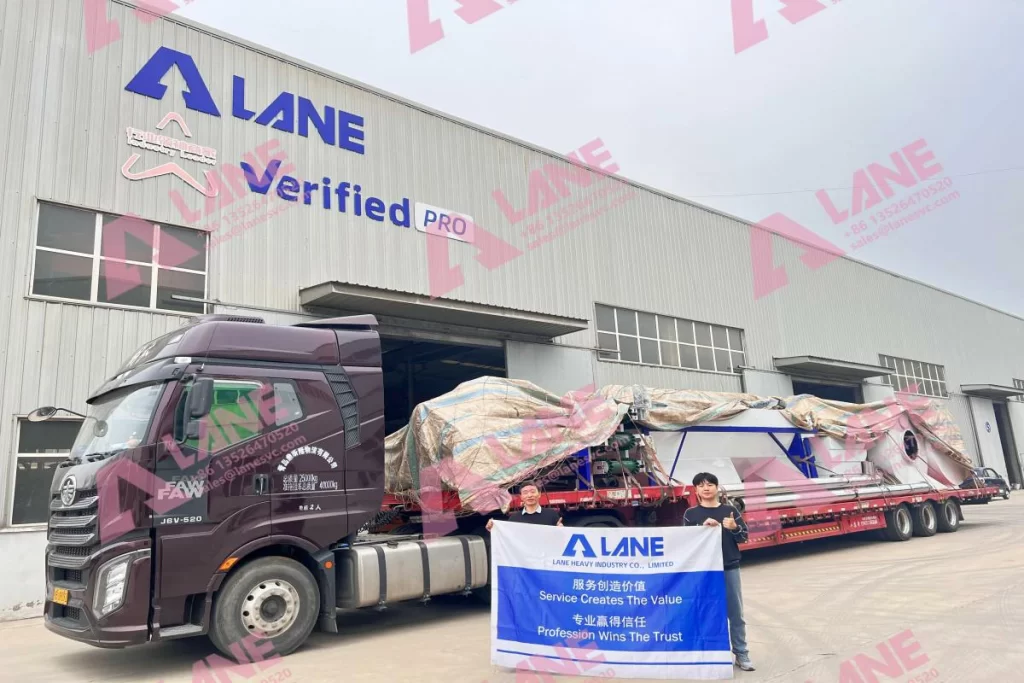
The Strategic Case for SOP Fertilizer Production Investment in Laos
- Abundant Raw Material Resources
Laos is a mineral-rich country with significant potash ore deposits including sylvinite and carnallite. Many countries of Southeast Asia rely on imports while Laos has the geological advantage to support domestic processing. This will reduce supply chain vulnerability and enhance the viability of local SOP fertilizer production investment in Laos.
- Rising Regional Demand for Premium Fertilizers
The Southeast Asian market is shifting toward chloride-free fertilizers. Farmers are now cultivating export-oriented crops such as Laotian coffee, Thai durian, and Vietnamese dragon fruit. These cash crops demand SOP to meet international quality standards. The demand for SOP fertilizer in Laos will increase throughout the next decades. This is creating demand which locally produced SOP can fulfill.
- Government Support and Industrial Policy
The Laos government is signaling strong backing for industrial investment. In 2025, the Lao Prime Minister’s office issued a decree supporting industrial park development, offering tax incentives and tariff reductions for processing industries. Additionally, the 2023 Ministerial Decree on fertilizer factory management provides a clear regulatory framework for establishing compliant, high-quality production facilities.
- Strategic Location for Export
Laos’s geographical location connects it to the world’s most dynamic agricultural markets. The Mekong subregion has direct access to Thailand and Vietnam while China’s southern provinces are within easy reach. For investors, this means they can serve both domestic and export markets from a single production hub.
LANE Heavy Industry: Your Partner in SOP Production Excellence
SOP fertilizer production investment in Laos requires more than knowledge and capital. It also requires the right technology. LANE Heavy Industry offers state-of-the-art SOP fertilizer production lines engineered for efficiency, sustainability, and product quality.
The LANE Blueprint for SOP Production
An efficient SOP fertilizer production line must address the challenges of processing potassium sulfate. It also requires dust control, granule uniformity, and energy efficiency. LANE Heavy Industry’s approach integrates these considerations into every stage of the design.
Stage 1: Intelligent Raw Material Reception
The production journey begins with raw material reception. We store the raw materials in separate areas to keep them from contamination. Then we use enclosed conveying systems and stainless-steel pipes and screw conveyors to transfer the materials. This ensures that raw potash materials are handled safely from the very start—an essential consideration for projects involving SOP fertilizer production investment in Laos.
Stage 2: Precision Synthesis and Granulation
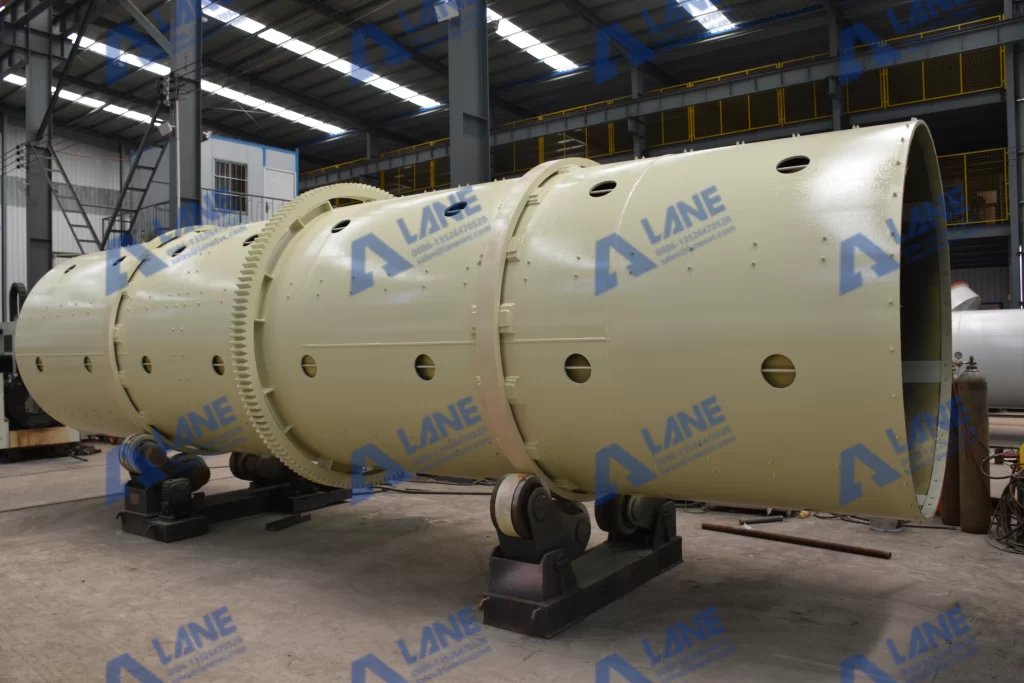
For SOP, the Mannheim furnace reaction (2KCl + H₂SO₄ → K₂SO₄ + 2HCl) is the most popular for industrial production. LANE’s furnaces are constructed with corrosion-resistant materials and heat-resistant brick lining to withstand heat and harsh chemical environments. This reaction creates potassium sulfate and hydrochloric acid. Hydrochloric acid is a valuable byproduct that can be sold to make a profit. After synthesis, potassium sulfate goes through cooling and crystallization processing. Following this, potassium sulfate enters the granulation system. LANE offers both double roller granulators and rotary drum granulators; they can produce uniform 2–4 mm granules ideal for high-value crop application.
Stage 3: Efficient Drying and Cooling
If the potassium sulfate goes through a wet granulation process, then moisture removal is essential to prevent caking and ensure shelf stability. LANE’s rotary dryers are designed for optimal heat transfer with minimal air velocity. It reduces dust carryover and nutrient degradation. The LANE rotary cooler then stabilizes granules with ambient air and without any thermal shock. This process preserves structural integrity.
Stage 4: The Critical Coating Stage
A signature feature of LANE’s production lines is the rotary coating drum. Here, an inert anti-caking and dust-suppression agent is applied in a thin, uniform layer. This ensures that the final product remains dust-free all the way to the farmer’s field.
Stage 5: Automated, Dust-Tight Packaging
The last step of the process is the packing. Here, an automatic LANE packing machine weighs and packages the product. This ensures a clean, professional finish and preserves product quality.
Why LANE Technology Maximizes ROI
The choice of technology directly impacts the profitability of SOP fertilizer production investment in Laos. LANE systems deliver:
- Increased Yield: Closed-loop recycling of fines returns material to the granulator and boosts overall yield by 3–5%.
- Lower Operating Costs: Energy-efficient designs and reduced maintenance from dust control translate to long-term savings.
- Premium Product Quality: Consistent, hard, dust-free granules command higher prices and build brand reputation.
- Regulatory Compliance: Low-dust lines easily meet environmental standards, avoiding fines and community opposition.
The Future Outlook for SOP in Laos and Beyond
Market Growth Projections
The fertilizer market of Southeast Asia is projected to reach USD 12.69 billion by 2029. Specialized fertilizers like SOP will capture a large amount of these shares, creating strong opportunities for SOP fertilizer production investment in Laos as regional demand for high-quality fertilizers continues to grow.
Crop-Specific Opportunities
SOP is vital for high-value crops. For potatoes, it enhances tuber development and disease resistance. For fruits and vegetables, the chloride-free composition improves quality and shelf life.
Conclusion: Seizing the Moment
The long-term outlook for SOP fertilizer production investment in Laos is bright. The convergence of resource availability, market demand, policy support, and strategic location makes Laos one of the most attractive destinations for fertilizer investment in Southeast Asia. LANE Heavy Industry’s SOP fertilizer production lines offer a complete, turnkey solution engineered for the unique demands of SOP manufacturing. As the region’s farmers strive for higher yields and better quality, the opportunity for SOP fertilizer production investment in Laos is becoming more compelling.
Frequently Asked Questions (FAQ)
Q1: What makes SOP fertilizer production investment in Laos attractive compared to other Southeast Asian countries?
Laos offers a unique combination of domestic potash resources, low-cost energy, strategic access to major markets (China, Vietnam, Thailand), and increasingly favorable investment incentives. Unlike import-dependent neighbors, Laos can build a self-sufficient production ecosystem.
Q2: How does LANE Heavy Industry’s production line address environmental concerns?
LANE’s lines are designed as low-dust production systems, incorporating enclosed conveyors, advanced coating drums, and efficient filtration. This reduces airborne particles, minimizes waste, and ensures compliance with Lao regulations on fertilizer factory management.
Q3: What is the typical return on investment (ROI) for an SOP production line?
While specific figures depend on scale and local factors, LANE’s low-dust lines typically increase product yield by 3–5%, reduce maintenance costs, and produce a premium product that commands higher prices. Many investors recover the premium for advanced technology within a short operational period.
Q4: Can I produce customized SOP blends, such as SOP with micronutrients?
Yes. LANE’s production lines can be configured to produce SOP fertilizer with micronutrients like boron, zinc, and iron. For investors evaluating SOP fertilizer production investment in Laos, precision mixing and granulation ensure that every granule contains a uniform nutrient profile.
Q5: What regulatory approvals are required to establish a fertilizer factory in Laos?
Investors must comply with the Decree of the Minister of Agriculture and Forestry No. 2897 on fertilizer factory management, which covers permitting, monitoring, and inspection. The government has shown willingness to support industrial investments with tax incentives.
Q6: Does LANE provide support after installation?
Yes. LANE offers comprehensive services including installation, commissioning, operator training, and ongoing technical support. They also provide audits and retrofits for existing lines
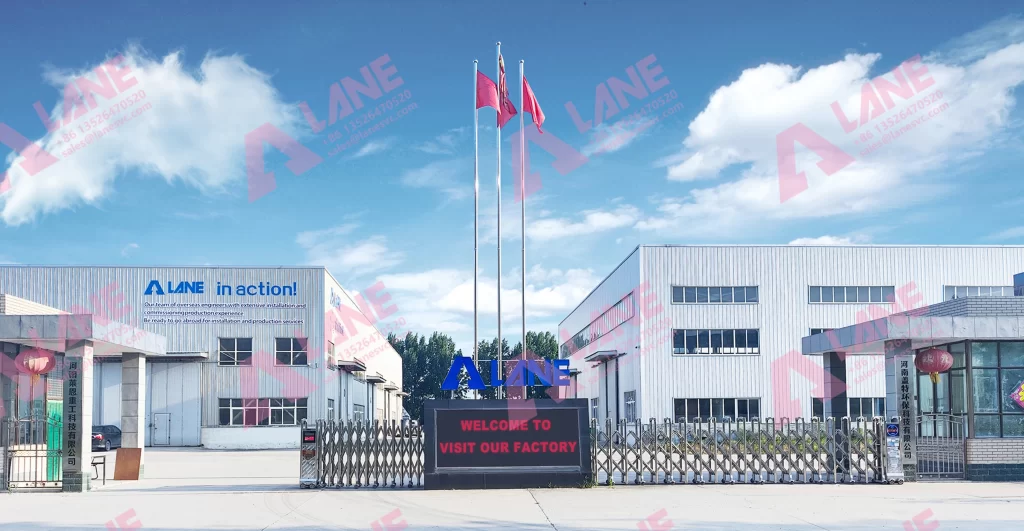
Of course, we also offer other types of products for your different needs, you can click to view.
For more information, please contact us by sending an inquiry today! We can help you!



Write a Reply or Comment