
SOP Fertilizer for Plants: The Complete Potassium Power Guide
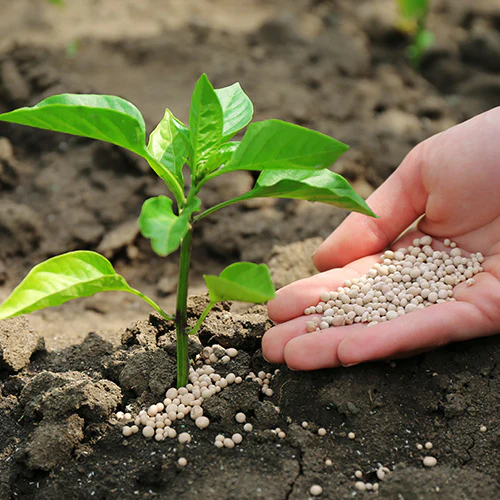
For gardeners and farmers, understanding plant nutrition is key to growth and bountiful harvests. Among the essential nutrients, potassium helps plant health, stress tolerance, and fruit quality. Potassium is the “quality element” for plant growth. This is where SOP fertilizer for plants comes in.
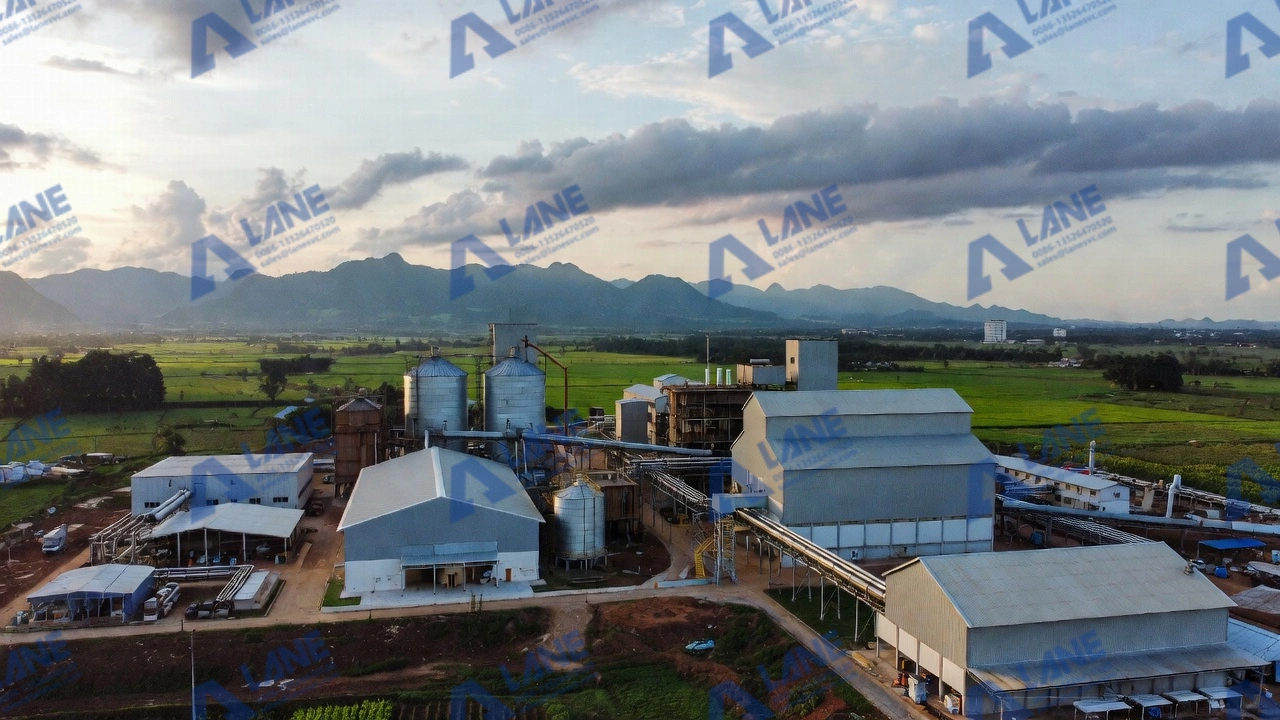
SOP or Sulfate of Potash is a premium potassium source for chloride-sensitive crops. What makes SOP fertilizer for plants so indispensable? The answer lies not only in its unique nutrient composition but also in advanced production technologies like the LANE SOP fertilizer production line.
In this guide we will dive into the world of Potassium Sulfate.
What is SOP Fertilizer?
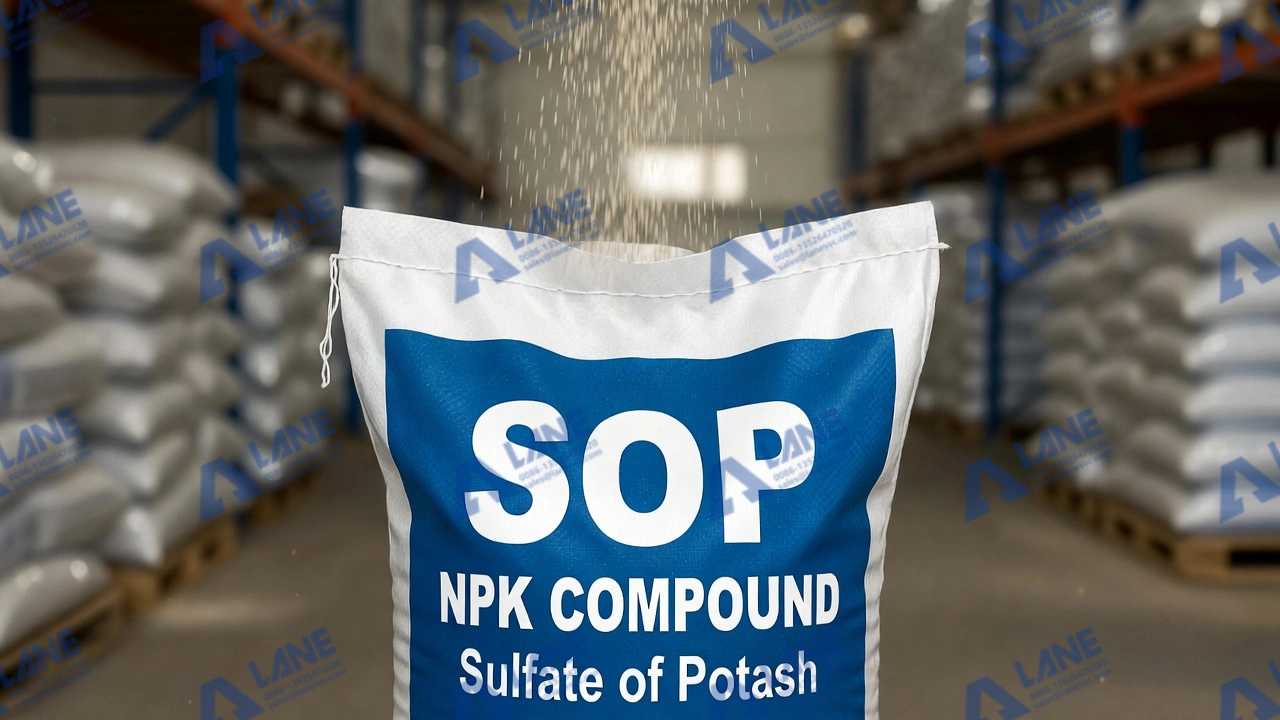
Unlike common potassium chloride (KCl) which contains chloride that is bad for chloride sensitive plants, SOP fertilizer is not a mysterious chemical blend. It’s the agricultural name for Potassium Sulfate (K₂SO₄). SOP fertilizer contains no chloride and adds essential sulfur, making it ideal for high-value crops such as fruits, vegetables, nuts, and tobacco.
SOP provides two vital nutrients in a highly available form: potassium (K) and sulfur (S). SOP strengthens cell walls, enhancing plants’ resistance to drought, pests, and diseases, while sulfur promotes protein synthesis and improves fruit flavor and vitamin content. A Turkish onion trial showed that SOP application significantly boosted bulb weight and nutritional value.
The Potassium Benefits for Your Plants
Why is SOP fertilizer for plants so highly recommended? The benefits of SOP fertilizer for plants are:
Enhanced Fruit Quality & Yield: Potassium directly influences the size, weight, color, sugar content, and shelf-life of fruits and vegetables. Plants like tomatoes, berries, and fruit trees produce sweeter and more nutritious products if you use SOP fertilizer.
Superior Stress Resistance: Plant internal water pressure is regulated by potassium. Plants fed with SOP fertilizer for plants develop thicker cell walls. These plants become more resilient against drought, frost, and diseases.
Powerful Photosynthesis & Nutrient Uptake: Potassium activates enzymes and helps with the plant photosynthesis process. It also helps plants efficiently use nitrogen and other nutrients.
Essential Sulfur Supply: Sulfur is a key component of amino acids and vitamins. It is vital for protein synthesis, chlorophyll formation, and nitrogen metabolism. SOP fertilizer provides sulfur as a secondary micronutrient.
The LANE Production Line: Engineering Quality SOP
The quality of SOP fertilizer for plants depends on its production method and machine quality. Modern methods by an advanced LANE production line ensure high purity and consistency.
The LANE process involves reacting raw potassium chloride with sulfuric acid or other sulfate sources in a controlled, continuous reaction.
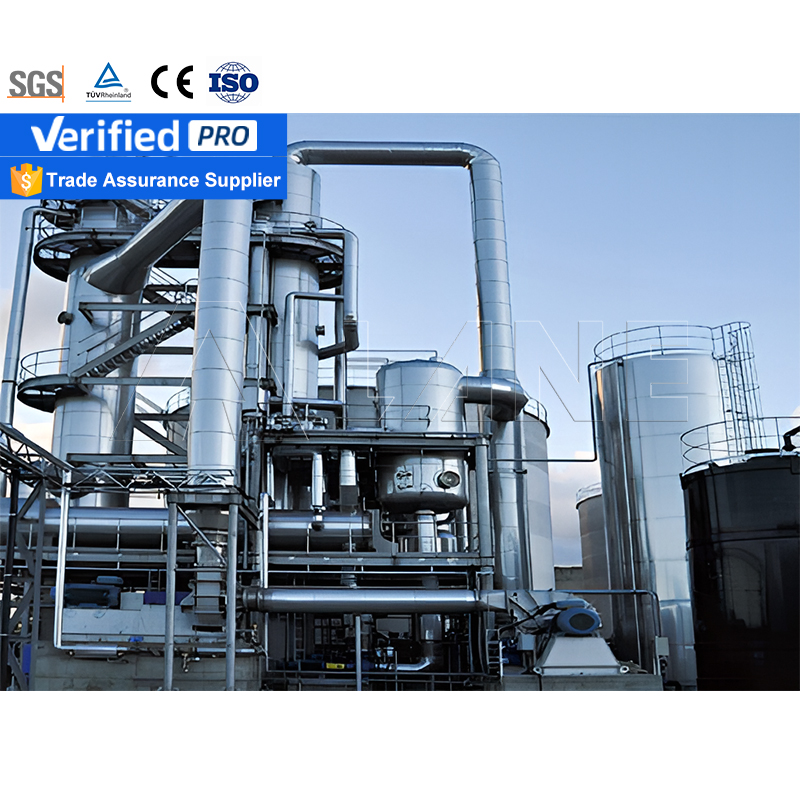
LANE’s fully automatic PLC controlled production line carefully manages temperature, pressure, and reaction times to convert reactants into pure Potassium Sulfate. The method of handling raw materials changes depending on the raw materials themselves. Our production line captures by-products of this process for industrial use.
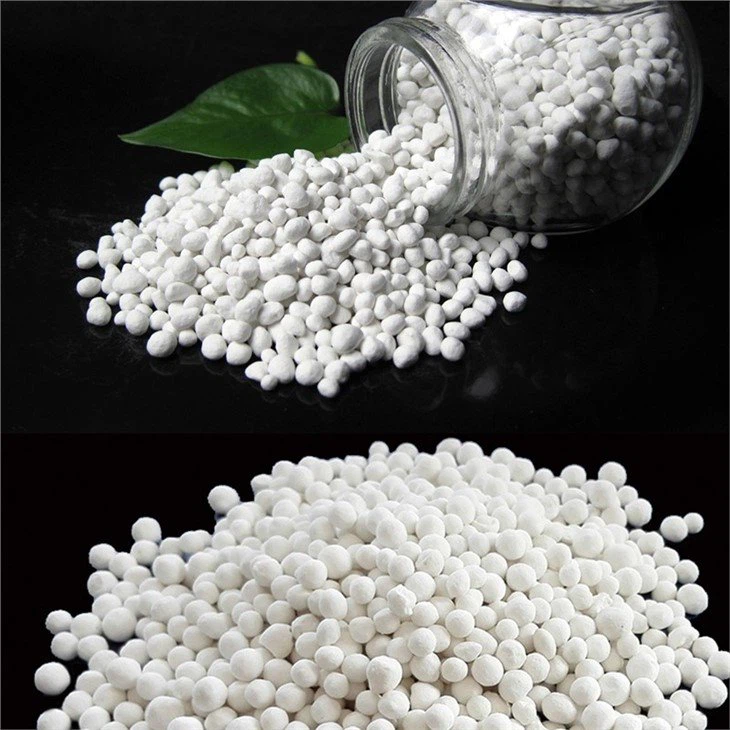
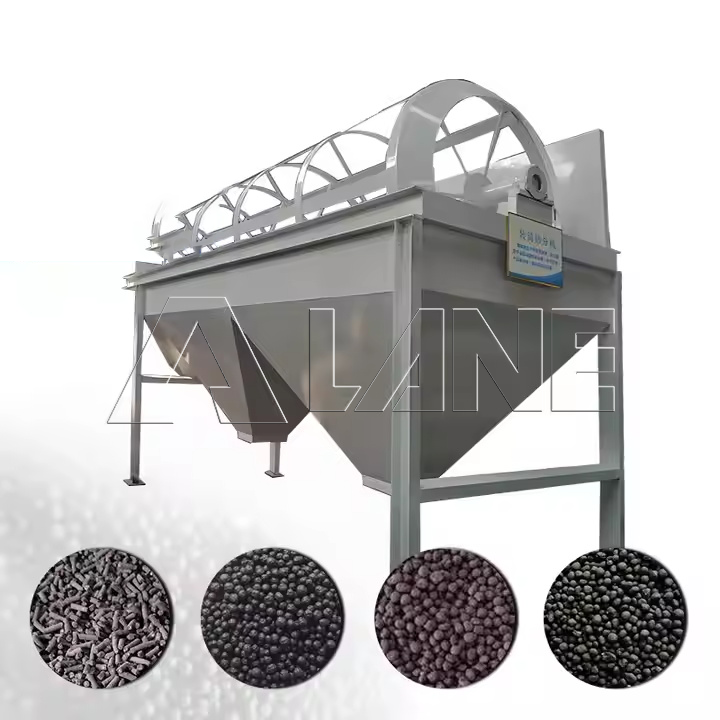
The SOP fertilizer for plants is then crystallized, dried, and screened to produce granules or powders that are easy to store, transport, and apply. LANE production line makes sure every granule delivers the same amount of nutrients to your plants.
When and How to Use SOP Fertilizer
SOP fertilizer for plants is incredibly versatile. It can be applied multiple ways.
Application Methods: SOP fertilizer can be broadcasted, banded at planting, side-dressed during growth, or even dissolved for fertigation and foliar sprays due to its excellent solubility.
The best time to apply is at key growth stages.
Pre-planting: Put inside the soil before planting to build foundational potassium and sulfur levels.
Vegetative Growth: When you apply at this stage it will support strong stems and leaves.
Flowering & Fruit Stage: This is the most critical period. Applying SOP fertilizer for plants at this stage directly fuels the development of high-quality flowers and fruits.
SOP vs. MOP: Which Should You Choose?
The choice between SOP (Potassium Sulfate) and MOP (Potassium Chloride) can be determined by a few key points.
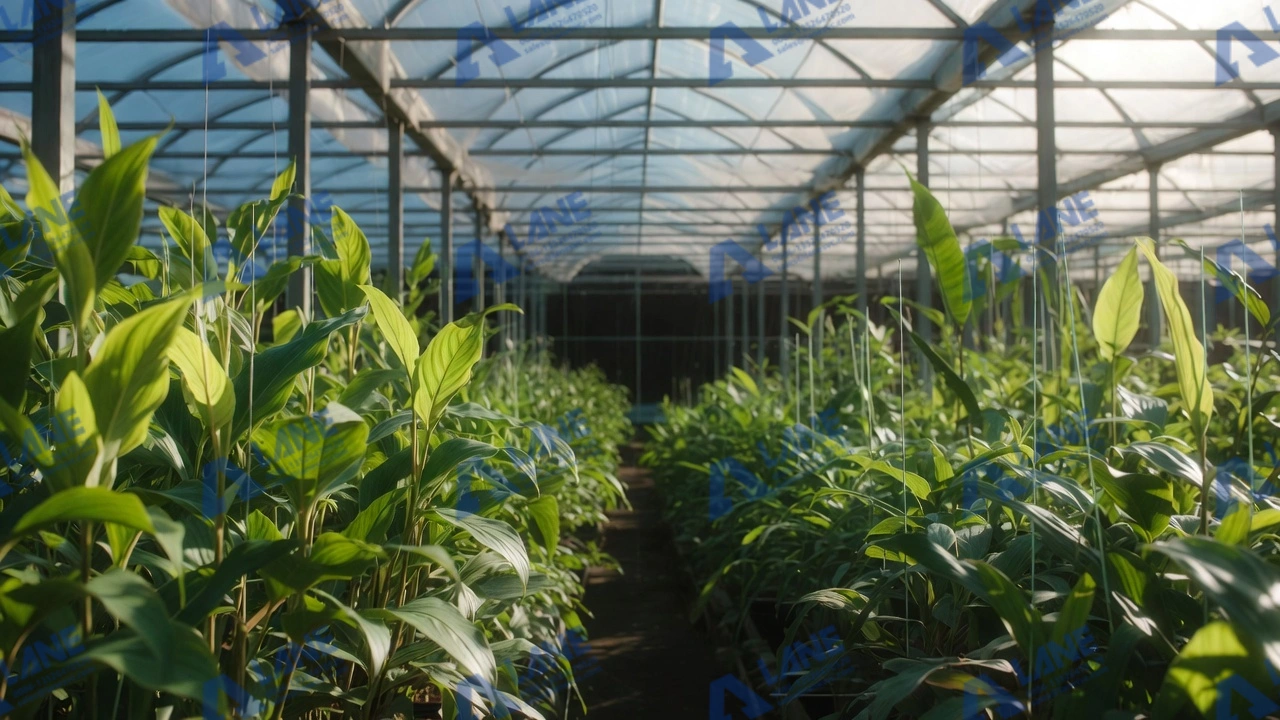
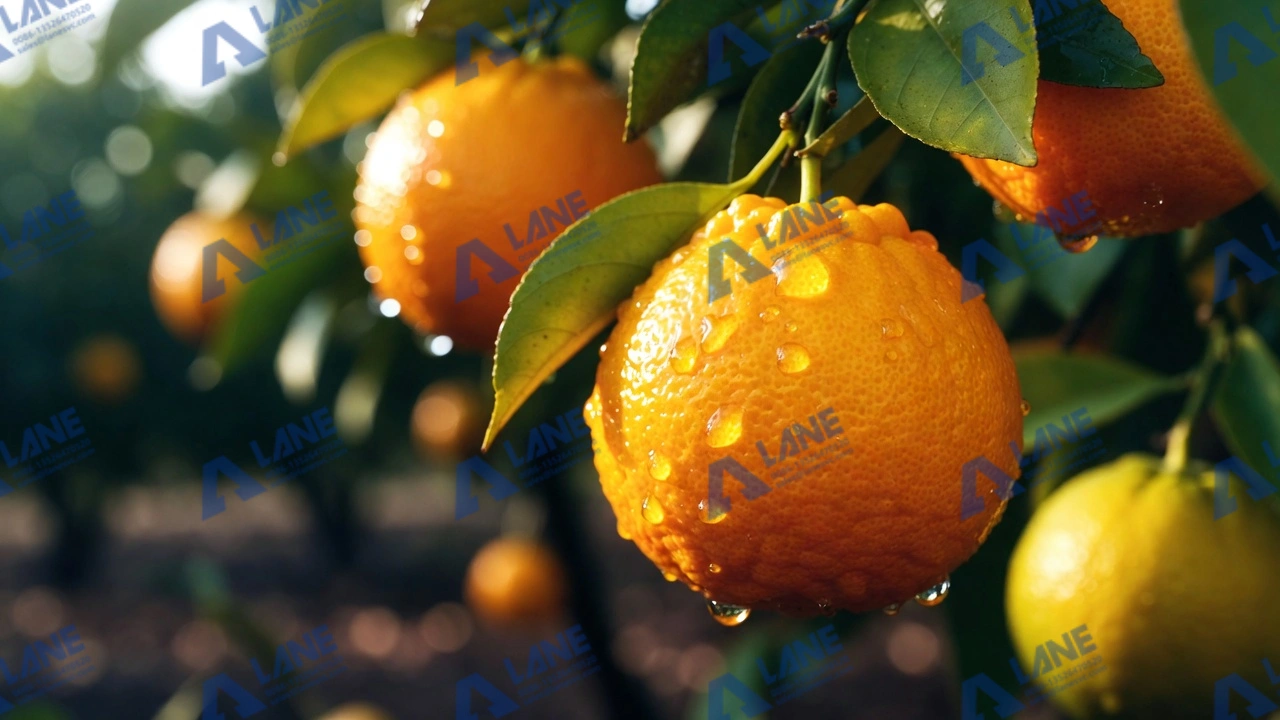
If your plants are chloride-sensitive then choose SOP fertilizer. This includes fruits (berries, grapes, citrus), vegetables (potatoes, tomatoes, peppers), nuts, and tobacco. SOP is essential in greenhouse, hydroponics, and saline soils where chloride buildup is a major concern.
MOP is a cheaper option due to its easier production process. It is cheaper and suitable for chloride-tolerant field crops like corn, wheat, and cotton.
While MOP is less expensive, the yield and quality improvements from using premium SOP fertilizer for plants often provide a far greater return on investment for high-value crops.
SOP fertilizer for plants is more than a potassium source. It is a targeted, high-efficiency nutritional tool that provides the essential potassium and sulfur plants need to thrive. LANE’s advanced production technology creates precise granules which deliver consistent, chloride-free nutrition, empowering farmers to grow healthier, higher-yielding crops. This makes SOP a powerful solution worth investing in.
Of course, we also offer other types of products for your different needs, you can click to view.
For more information, please contact us by sending an inquiry today! We can help you!



Write a Reply or Comment