
The Strategic Advantage of a SOP Fertilizer Production Line in Canada
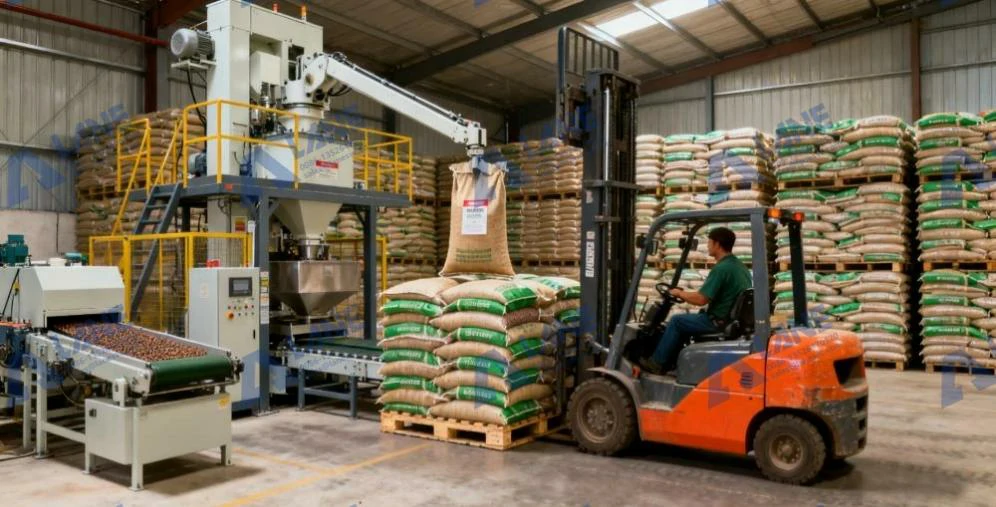
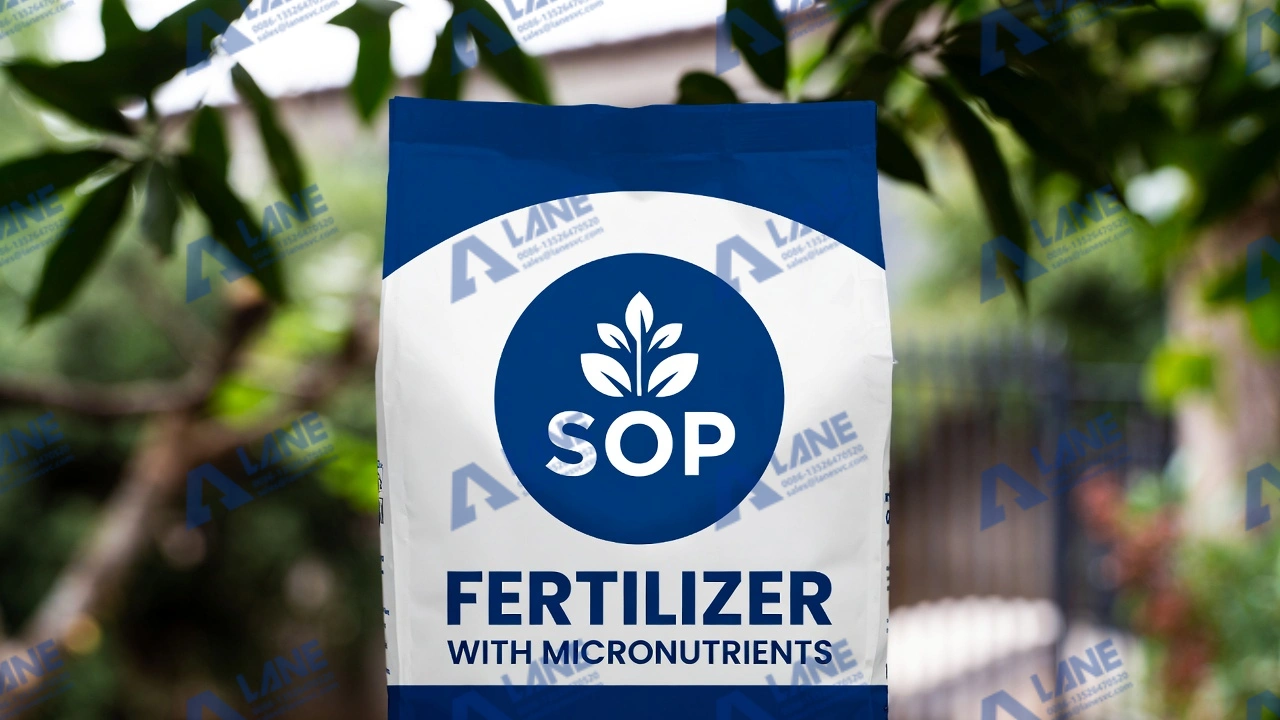
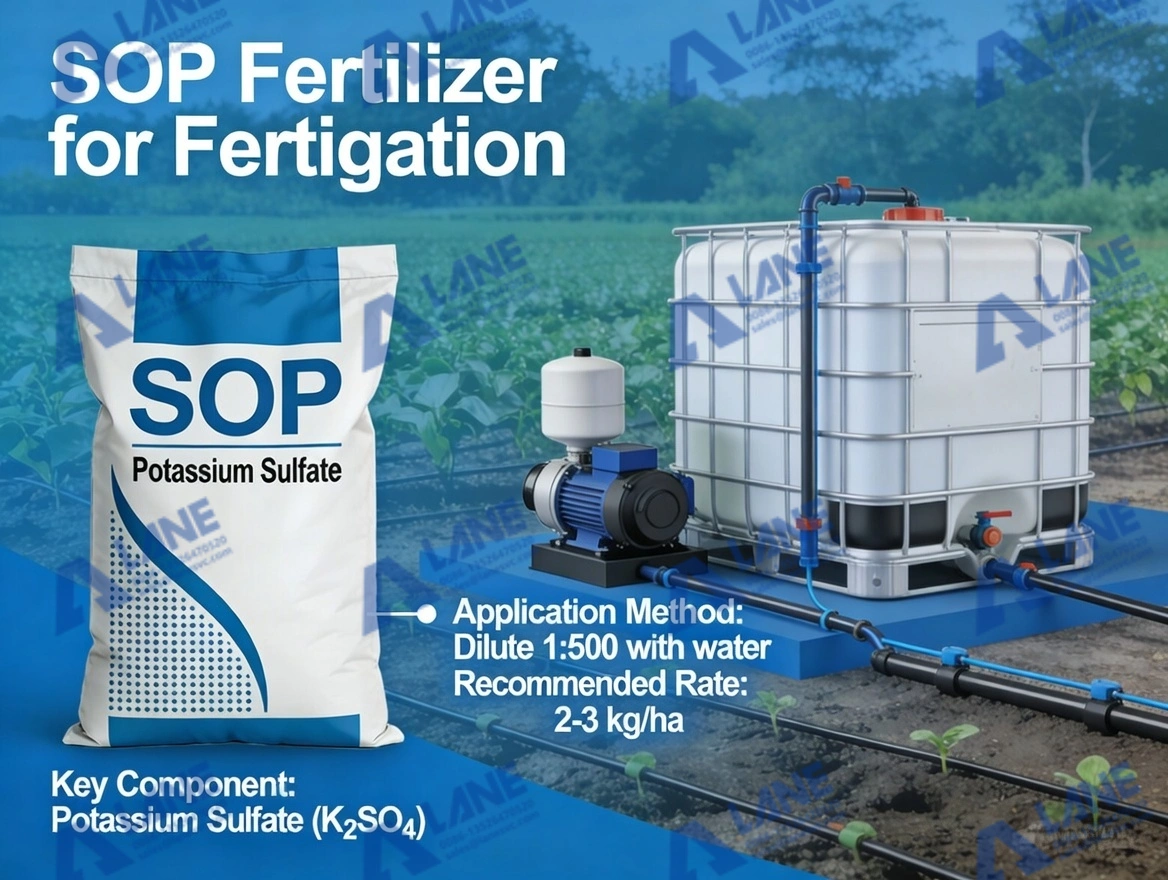
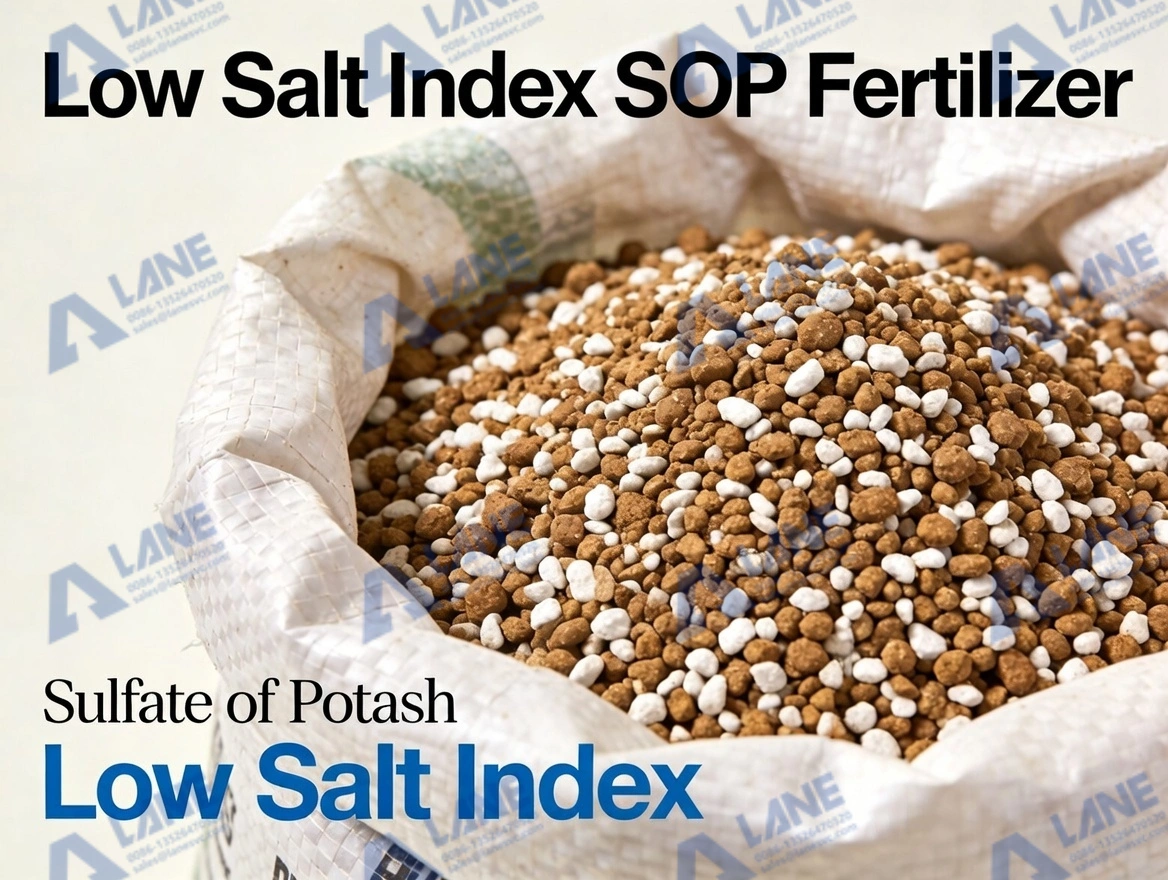
Canada is one of the global leaders in agriculture. It has been driven by vast farmlands, advanced farming practices, and increasing demand for high-value crops like fruits, vegetables, and tree nuts. These cash crops are chloride sensitive and requires chloride free fertilizer. SOP fertilizer or Sulfate of Potash is a chloride free premium potash that deliver both potassium and sulfur in sulfate form. As a first choice for high-value crops, SOP’s demand is steadily growing. For investors and producers, establishing an SOP fertilizer production line in Canada offers them a chance to tap in to the growing SOP fertilizer market.
This article explores the strategic advantages of investing in a SOP fertilizer production line in Canada, with a focus on LANE Heavy Industry’s machinery.
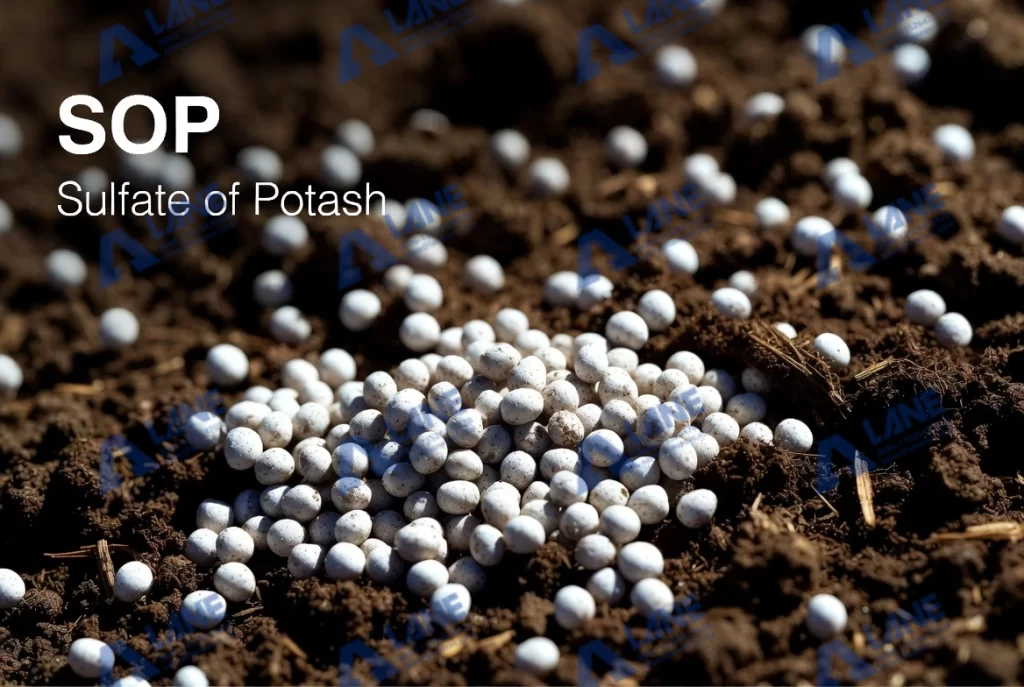
Table of Contents
- Canada’s Strategic Positioning for SOP Production
- Core Technological Excellence: The LANE Machinery Advantage
- Operational and Economic Benefits of a Modern Production Line
- Seizing the North American Market Opportunity
- FAQ: Establishing Your SOP Production Line in Canada
- Canada’s Strategic Positioning for SOP Production
Canada, and Saskatchewan in particular, is globally known as the epicenter of potash production. This provides a strategic advantage for establishing an SOP fertilizer production line in Canada. Producers have local access to potassium chloride (MOP), a primary raw material for SOP. This reduces raw material costs and supply chain complexity. Apart from this, Canadian chemical companies (e.g., Nutrien, Chemtrade Logistics, Praxair) sell sulfuric acid to the agricultural sector. Two of the most essential raw materials can be found locally, making the supply chain protected from outside interference.
Core Technological Excellence: The LANE Machinery Advantage
Building an SOP fertilizer production line in Canada requires technology that ensures quality, efficiency, and reliability. LANE Heavy Industry’s SOP fertilizer production line is designed to meet these exacting standards.
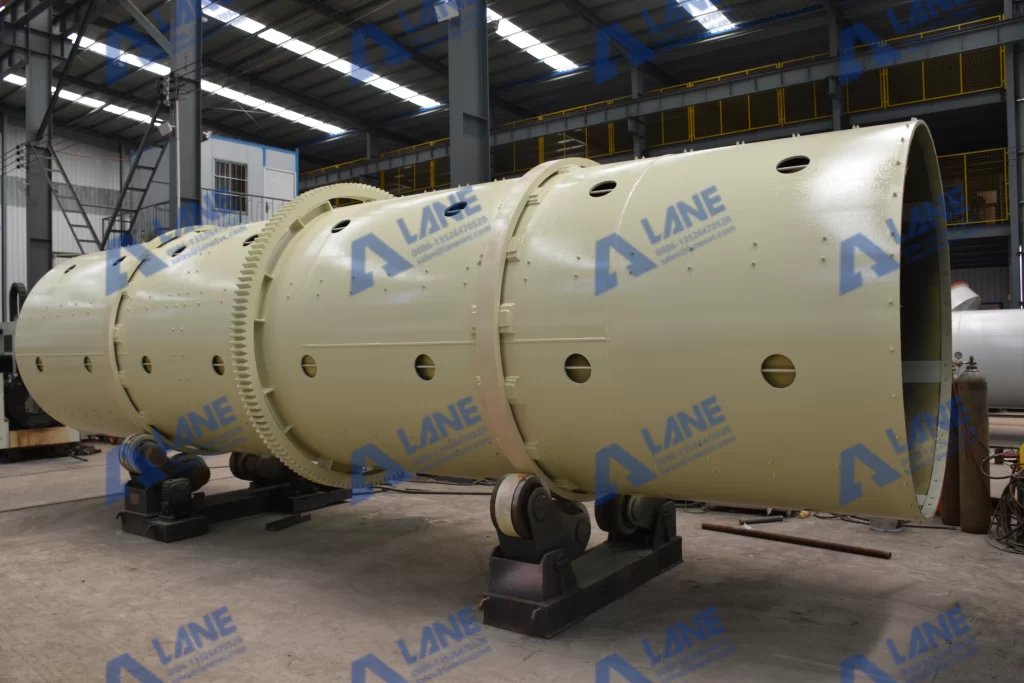
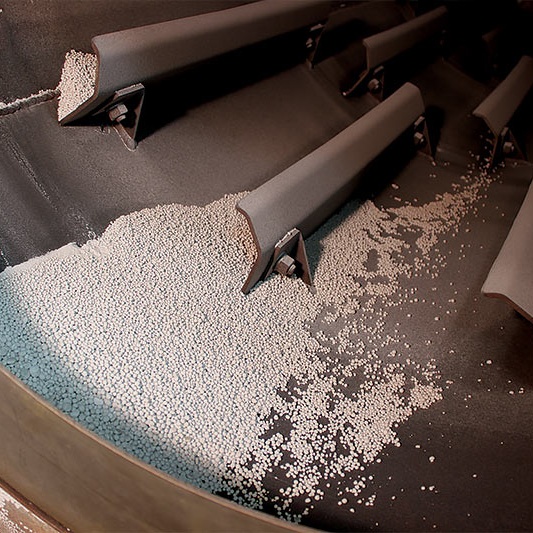
- Precision Synthesis and Granulation: The heart of the SOP fertilizer production is its synthesis process. LANE’s Mannheim or glass-lined reactor for SOP-M can optimize temperature and pressure to produce high-purity SOP with less than 1% chloride content. It is ideal for sensitive crops. This process is followed by crystallization, solid-liquid separation, drying, and advanced granulation systems. LANE uses double roller granulators or rotary drum granulators for the granulation process. They create uniform, hard granules that are dust-free. Uniform granules are critical for precise field application, nutrient delivery, and reduced losses during transport.
- Integrated Low-Dust, Turnkey Systems: A major differentiator for a modern SOP fertilizer production line in Canada is environmental and operational cleanliness. LANE designs complete low-dust production lines that tackle pollution at every stage. We provide enclosed raw material handling and dust-tight packaging. Our turnkey approach manages the entire project lifecycle, from design and engineering to installation, commissioning, and operator training. We deliver a production-ready facility that is operational at the push of a button.
- Closed-Loop Efficiency: Sustainability is a key economic driver. LANE systems incorporate energy-efficient dust collection and waste heat recovery technologies. We implement cyclones and dust filters at every stage of the production line. Captured dust is reintroduced into the production cycle, maximizing raw material yield and minimizing energy consumption. This circular approach within the SOP fertilizer production line in Canada reduces costs and protects the environment.
Operational and Economic Benefits of a Modern Production Line
Investing in a state-of-the-art SOP fertilizer production line in Canada with technology from LANE has many benefits and long-term operational resilience.
Table: Benefits of a Modern, Low-Dust SOP Production Line
| Benefit Category | Specific Outcomes |
| Economic | Increased product yield (3-5%), reduced raw material waste, lower maintenance costs, and reduced energy expenses. |
| Operational & Safety | Improved plant hygiene, enhanced worker safety (reduced respiratory risks), and lower risk of combustible dust incidents. |
| Quality & Marketability | Consistent, dust-free granules with superior flowability and appearance, strengthening brand reputation and customer appeal. |
| Environmental Compliance | Easier adherence to stringent air quality regulations and a reduced environmental footprint. |
As shown above, the SOP fertilizer production line in Canada has advantages that extend beyond production. It encompasses safety, product quality, and regulatory compliance.
Seizing the North American Market Opportunity
The primary market for an SOP fertilizer production line in Canada is the agricultural sectors of North America. There is a clear and growing demand for specialized fertilizers to support chloride-sensitive crops like fruits, vegetables, nuts, and tobacco. Canada enjoys preferential tariff treatment for most goods exported to the U.S. and Mexico, with potassium fertilizers (including SOP) currently exempt from new tariffs. It’s a critical advantage given that 90% of U.S. potassium comes from Canada. Alternative supplies from Russia and Belarus remain constrained by geopolitical tensions.
Mexico, meanwhile, faces a structural shortage of fertilizer production capacity, relying on imports for 75% of its fertilizer needs. It is seeking reliable suppliers beyond Russia and the U.S. This creates a gap that Canadian SOP producers can fill with the right equipment. LANE’s SOP fertilizer production line in Canada is uniquely positioned to help producers capitalize on these opportunities.
FAQ: Establishing Your SOP Production Line in Canada
Q1: What is the typical timeline for establishing an SOP production facility in Canada?
A: Timelines can vary based on scale and permitting. Recent industry developments indicate a multi-phase approach is common, with a development and engineering phase lasting approximately two years, followed by a two-year construction period for the initial production phase.
Q2: Can LANE’s production line use different sources of potassium?
A: Yes. While designed for standard potassium chloride (MOP) feedstock, the principles of efficient granulation and dust control are universal. LANE’s expertise in customized solutions means they can adapt processes based on specific raw material characteristics.
Q3: How does a low-dust production line impact long-term operational cost?
A: Significantly. While the initial investment may be higher, a low-dust SOP fertilizer production line in Canada reduces product loss, lowers equipment wear and maintenance, minimizes filter replacement, and helps avoid potential regulatory fines. This leads to a compelling return on investment over the line’s operational life.
Q4: What makes SOP a “premium” fertilizer compared to standard potash (MOP)?
A: SOP is chloride-free and contains both potassium (K) and sulfur (S), two essential nutrients. It is indispensable for improving the yield and quality of chloride-sensitive crops (e.g., berries, tomatoes, tobacco), enhancing sugar content, color, and shelf life, which justifies its higher market value.
Q5: Why choose a turnkey solution from LANE for a Canadian project?
A: A turnkey solution provides a single point of responsibility, from concept to operational plant. For a complex project like an SOP fertilizer production line in Canada, this reduces risk, ensures system compatibility, and accelerates the time to production with expert support throughout.
Of course, we also offer other types of products for your different needs, you can click to view.
For more information, please contact us by sending an inquiry today! We can help you!



Write a Reply or Comment