
Key Manufacturers and Technology for SOP Fertilizer Production Line in Israel
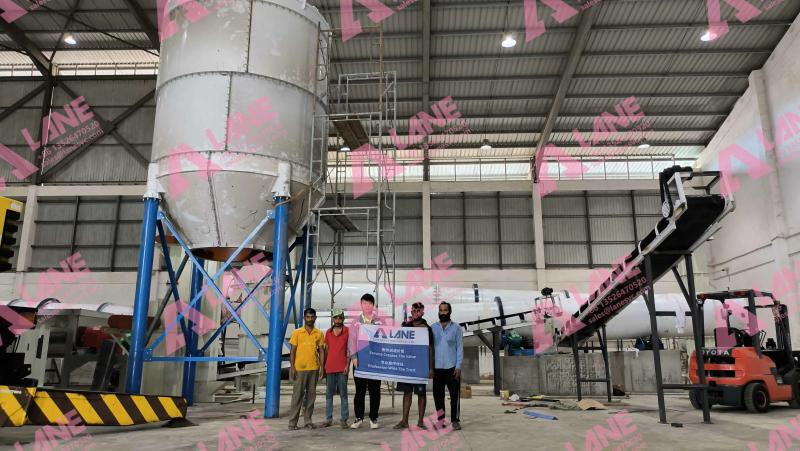
Israel is a global leader in agricultural innovation. It relies on advanced technologies to overcome arid land challenges and achieve high-efficiency agriculture. SOP (Potassium Sulfate) fertilizer, a premium water-soluble fertilizer with low chloride content, is widely used in Israel’s cash crop cultivation, such as fruits, vegetables, and flowers. SOP fertilizer can improve crop quality and enhance crop stress resistance.
The demand for premium, chloride-free fertilizers like Sulphate of Potash (SOP) is growing globally, particularly for high-value, salt-sensitive crops. This article explores the cutting-edge technologies that can help create an environmentally friendly SOP fertilizer production line in Israel.
Table of Contents
- The Israeli SOP Fertilizer Landscape
- Key Technology Providers: Spotlight on LANE Heavy Industry
- Core Technologies in a Modern SOP Production Line
- Benefits of Advanced SOP Production Lines
- Market Context and Future Outlook
- FAQ
The Israeli SOP Fertilizer Landscape
Israel is a technological powerhouse. Its strength in agricultural technology extends into fertilizer production. The country already has a fertilizer export business in Europe. It utilizes processes that integrate potassium chloride (MOP) into complex fertilizers, including those produced through a modern SOP fertilizer production line in Israel.
With the support of local natural resources like phosphate and potash, and cooperation with international machinery suppliers such as LANE Heavy Industry, an SOP fertilizer production line is a profitable venture. With decades of experience, LANE Heavy Industry supplies a wide range of fertilizer equipment needed for SOP fertilizer.
Key Technology Providers: Spotlight on LANE Heavy Industry
While Israeli companies excel in fertilizer formulation and agronomy, they have limited engineering capacity, which is led by global machinery manufacturers. LANE Heavy Industry stands out as a prominent provider of complete, turnkey SOP fertilizer production line solutions.
LANE designs integrated systems where pollution control and resource efficiency are built-in from the ground up. We offer everything from feasibility studies to operator training and deliver an optimized system ready for operation. This full service is critical for establishing a reliable and compliant SOP fertilizer production line in Israel.
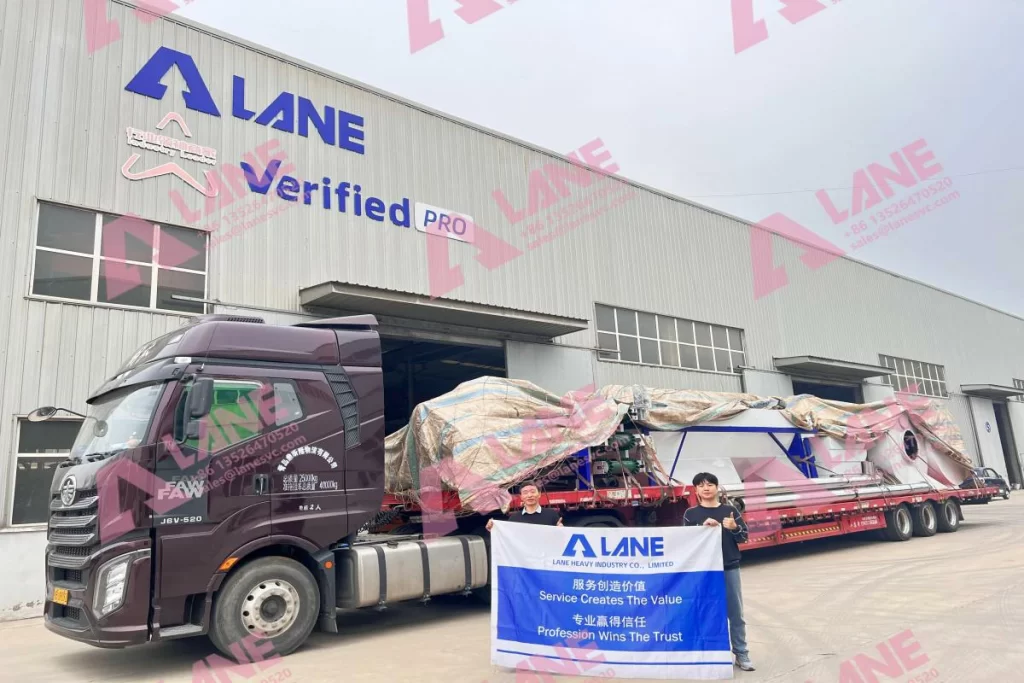
Table: Technology Highlights of LANE’s SOP Fertilizer Production Line
| Technology Area | Key Feature | Primary Benefit |
| Granulation | Advanced rotary drum or double-roll compaction granulators. | Produces uniform, dense granules that minimize fines and dust generation. |
| Dust Control | System-wide enclosed conveying, coating drums, and efficient cyclone collectors. | Ensures worker safety, environmental compliance, and reduces product loss. |
| Process Control | Automated systems with PLC control and IoT sensor integration. | Maintains consistent product quality and allows for remote monitoring and adjustment. |
| Energy Efficiency | Waste heat recovery technology from drying processes. | Lowers operational costs and reduces the environmental footprint of the production line. |
| Design Philosophy | Modular, scalable design built for low-dust operation. | Allows for future expansion and ensures the SOP fertilizer production line is cleaner and safer. |
Core Technologies in a Modern SOP Production Line
A modern SOP fertilizer production line in Israel or elsewhere relies on several advanced technologies that ensure quality, efficiency, and environmental responsibility. These technologies are:
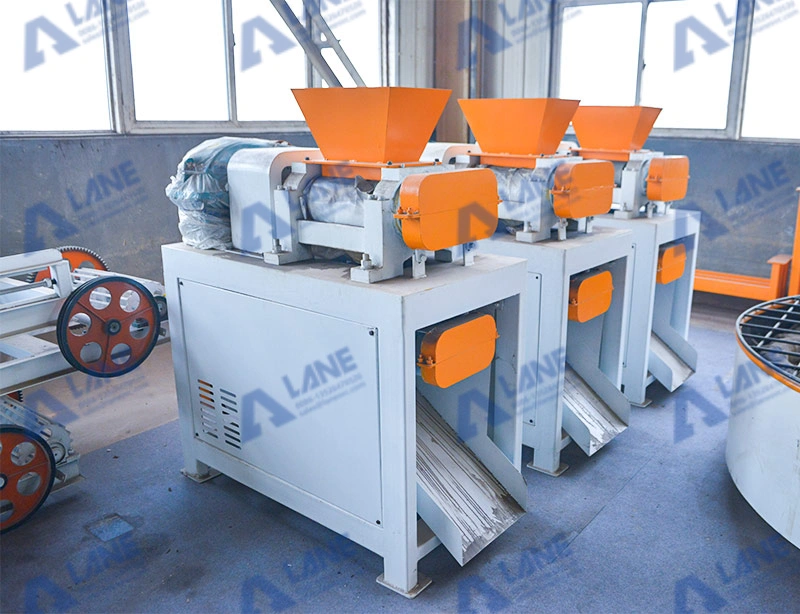
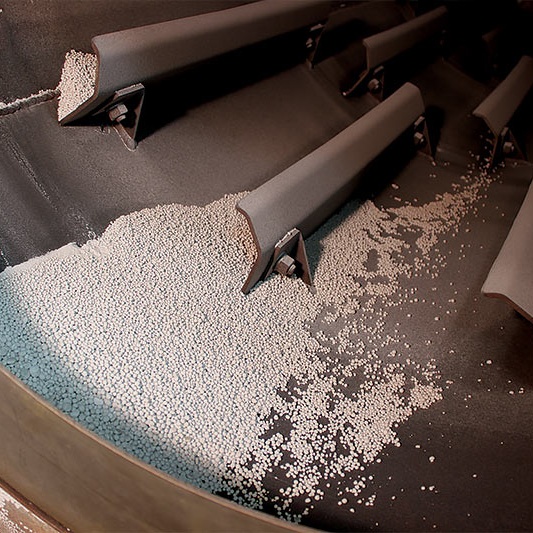
- Precision Granulation and Drying: This is the primary processing machine of the SOP fertilizer granulation production. Technologies like Double Roller Granulator or controlled rotary drum granulators create uniformly sized granules. These uniform granules are essential for dust control, storage, and even nutrient application. Following this, efficient rotary dryers and coolers remove moisture gently to prevent granule breakdown. Granule breakdown is a major source of dust.
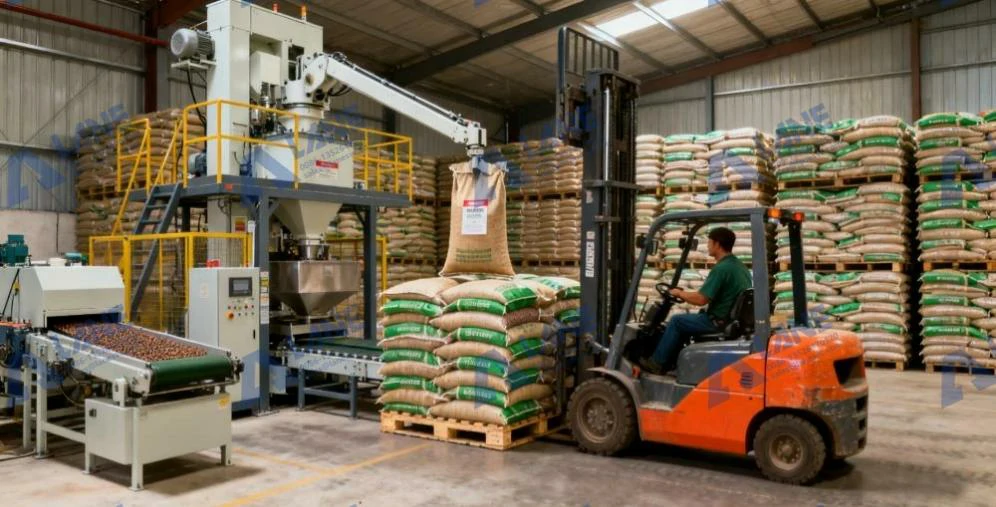
- Comprehensive Dust Management: For the SOP fertilizer production line in Israel, dust control is not an add-on but a core design principle. LANE employs enclosed conveyors, sealed mixers, and high-efficiency cyclone dust collectors. The final step involves a coating drum that applies a thin layer of anti-dust agent which seals the granule surface for dust-free handling all the way to the field.
- Automation and Smart Systems: Modern lines are increasingly automated. LANE uses Programmable Logic Controllers (PLCs) and IoT sensors. Operators can monitor and control parameters like temperature, pressure, and feed rates in real-time from a central command center. This ensures batch-to-batch consistency.
Benefits of Advanced SOP Production Lines
Investing in a technologically advanced SOP fertilizer production line delivers clear, measurable returns across multiple areas:
- Economic: LANE’s advanced production line has the advantage of increased product yield (up to 3-5%). The circular processing system means reduced raw material waste and the industrial-grade machines need less maintenance to operate.
- Operational & Safety: Because of proper dust control, the plant is free of dust. This creates a cleaner plant with reduced respiratory risks for workers and minimizes the risk of combustible dust incidents.
- Quality & Market: Our LANE production line creates hard, dust-free granules that enhance product appearance, flowability, and brand reputation.
- Environmental: Our designs are made with compliance as a core principle. Our production line maintains a reduced overall environmental footprint.
Market Context and Future Outlook
Israel’s SOP fertilizer production line has become a global model of advanced agriculture, relying on local abundant raw material resources and leading local manufacturers. The SOP fertilizer market for Israel shows sustained growth, driven by the need for food security and yield optimization.
With the increasing global demand for high-quality SOP fertilizer, the SOP fertilizer production line in Israel will continue to play a leading role, integrating more advanced technologies to meet the needs of modern agriculture. Establishing a sophisticated SOP fertilizer production line in Israel positions a company to meet this growing and evolving demand. LANE Heavy Industry ensures that the SOP fertilizer production line in Israel is efficient and sustainable.
FAQ
Q1: What makes SOP fertilizer different from standard potash fertilizer?
A1: Standard Muriate of Potash (MOP) contains chloride, which can harm sensitive crops like fruits, nuts, and vegetables. SOP is chloride-free and provides both potassium and sulfur, making it a premium choice for improving crop quality and yield without the risk of chloride toxicity. Modern farms looking to implement an SOP fertilizer production line in Israel benefit from these quality advantages immediately.
Q2: Can an existing fertilizer production line be upgraded to a low-dust SOP line?
A2: Yes. Companies like LANE Heavy Industry specialize in auditing existing lines and implementing targeted retrofits. Modular upgrades such as adding enclosed conveyors, high-efficiency dust collectors, or a coating drum can significantly transform a conventional setup into a high-performance, low-dust SOP fertilizer production line in Israel, ensuring both safety and efficiency.
Q3: Why is dust control so critical in SOP production?
A3: Controlling dust is vital for worker health and safety, environmental regulatory compliance, and economic efficiency. Dust represents lost product, can create explosive hazards, and causes increased equipment wear. Any well-designed SOP fertilizer production line in Israel prioritizes dust control at every stage to maximize output and minimize risks.
Q4: Does LANE provide support for production lines outside of Israel?
A4: Absolutely. As an international provider, LANE offers complete overseas services, including equipment shipment, on-site installation by their engineers, commissioning, and comprehensive operator training to ensure the SOP fertilizer production line runs smoothly anywhere in the world.
Q5: What are the key considerations when planning a new SOP production line?
A5: Key factors include desired production capacity, the characteristics of available raw materials, local environmental and safety regulations, and long-term scalability. Partnering with a provider that offers custom, modular designs and full technical support is crucial for a successful SOP fertilizer production line in Israel or any other location.
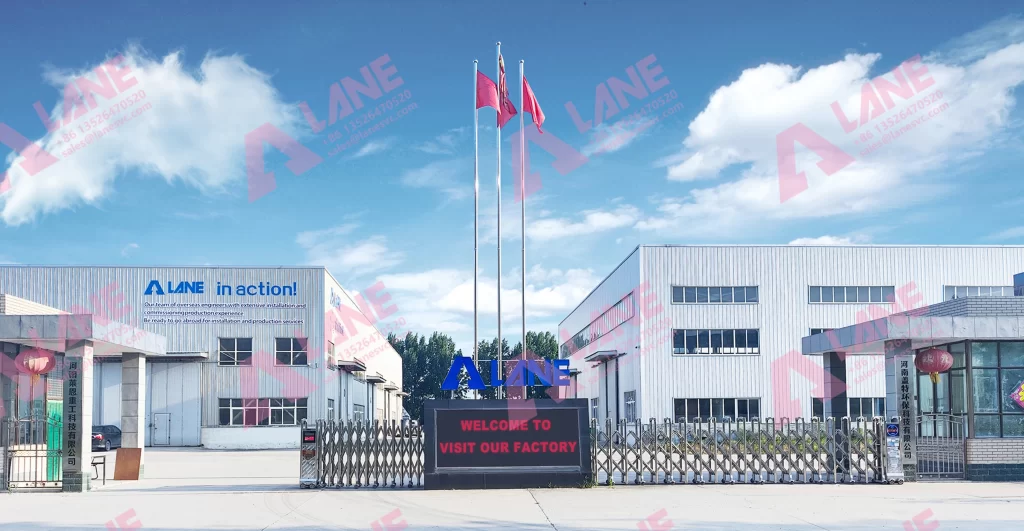
Of course, we also offer other types of products for your different needs, you can click to view.
For more information, please contact us by sending an inquiry today! We can help you!



Write a Reply or Comment