
Optimizing Production Yield: Critical Considerations in SOP fertilizer plant designs
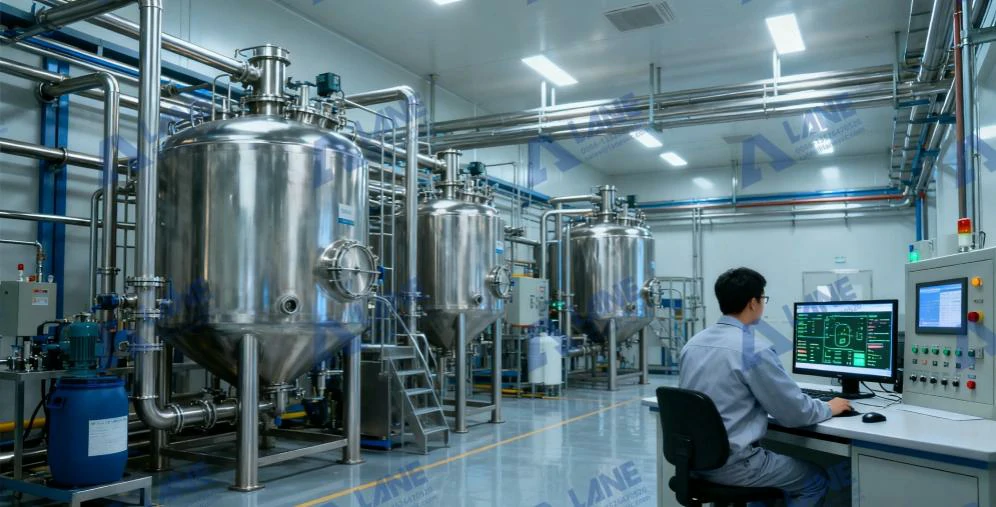
Introduction: The Yield Imperative in SOP Production
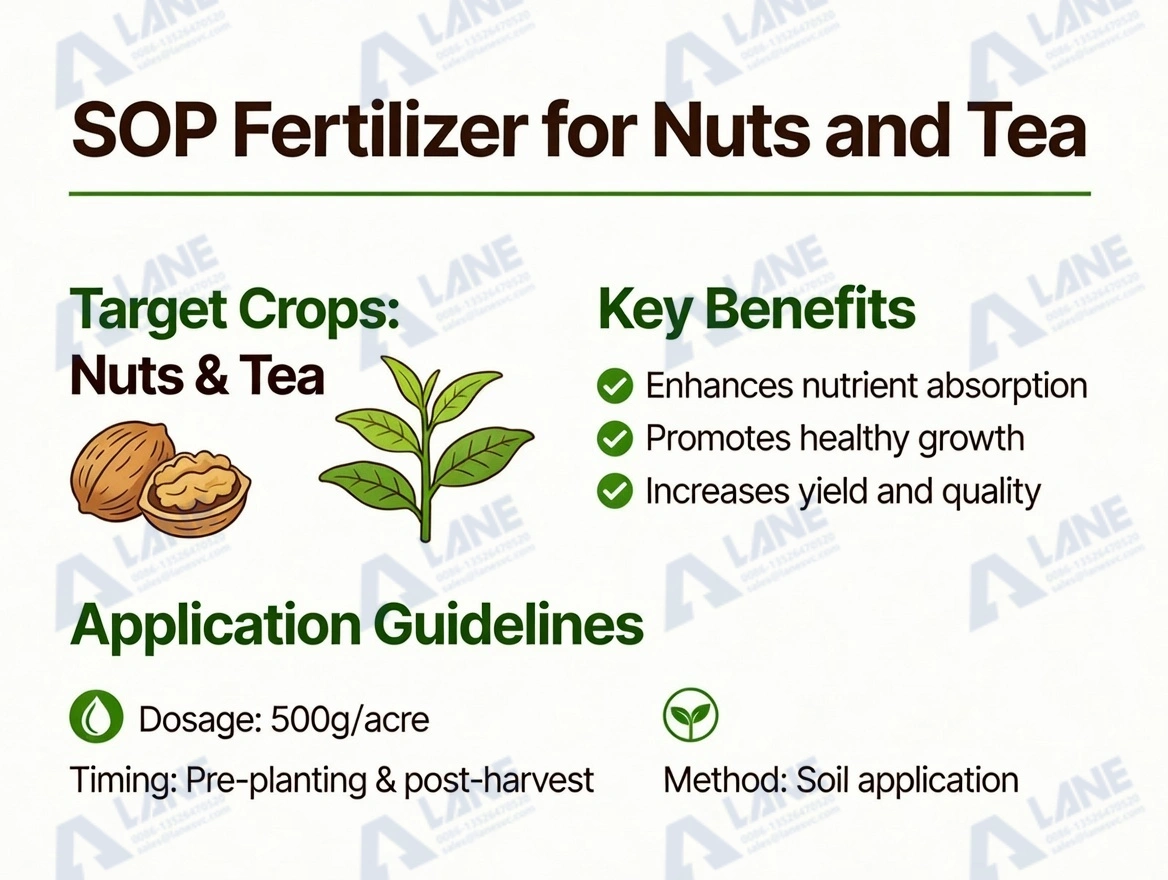
Sulfate of Potash (SOP) fertilizer is a premium potassium fertilizer. It is known for its ability to enhance crop quality and yield while containing a minimum amount of chloride (less than 1%). It is widely used in chloride-sensitive crops such as fruits, vegetables, and nuts. As the global demand for high-quality SOP fertilizer grows, enterprises are increasingly focusing on optimizing production yield. The foundation for this production optimization depends on a scientific and reasonable SOP fertilizer plant designs.
SOP fertilizer plant designs is a systematic process that integrates process selection, equipment matching, environmental protection, automation control, and cost management. A well-designed SOP fertilizer plant can maximize production efficiency, reduce material waste and energy consumption, and ensure stable product quality. This article explores the technical considerations in SOP fertilizer plant designs with solutions from the industry leader, LANE Heavy Industry.
Precision Synthesis: The Foundation of High Yield
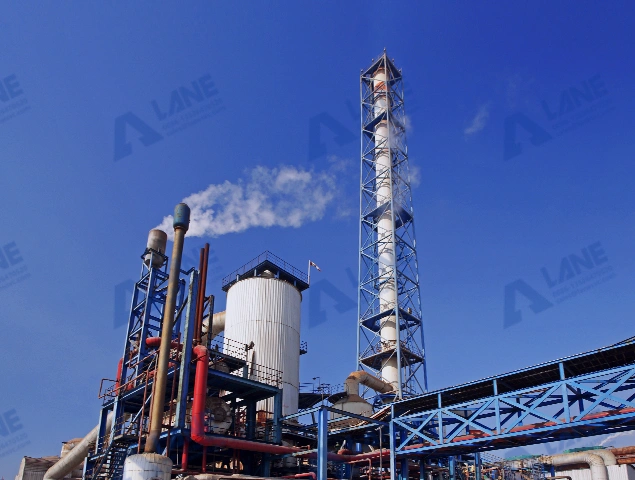
The SOP fertilizer plant designs begins at the molecular level with the synthesis of potassium sulfate. The most successful and commercial method is the Mannheim process. It involves reacting potassium chloride (KCl) with sulfuric acid (H₂SO₄) in a two-stage reaction to produce SOP and hydrochloric acid (HCl) as a by-product. The efficiency and precision of this reaction are crucial; any slight deviation from ideal parameters can lead to incomplete conversion, higher chloride content in the final product, and unnecessary raw material consumption.
Modern SOP fertilizer plant designs address this through reactor systems that offer precise control over temperature, pressure, and reactant feed rates. LANE Heavy Industry utilizes advanced reactor technology that precisely manages the exothermic and endothermic stages of the Mannheim process. This process control optimizes reaction kinetics. It drives the conversion to completion and creates high-purity SOP with minimal impurities. This is the critical factor for meeting premium-grade specifications and maximizing the amount of saleable product from each ton of raw material.
Advanced Granulation: Engineering Uniform, Market-Ready Granules
Following synthesis, the SOP powder or crystals are sent to the granulation production line. Granulation increases the value of SOP fertilizer. It improves handling, storage, and field application. The granulation process also poses significant risks of generating off-spec material and dust, which directly erodes yield.
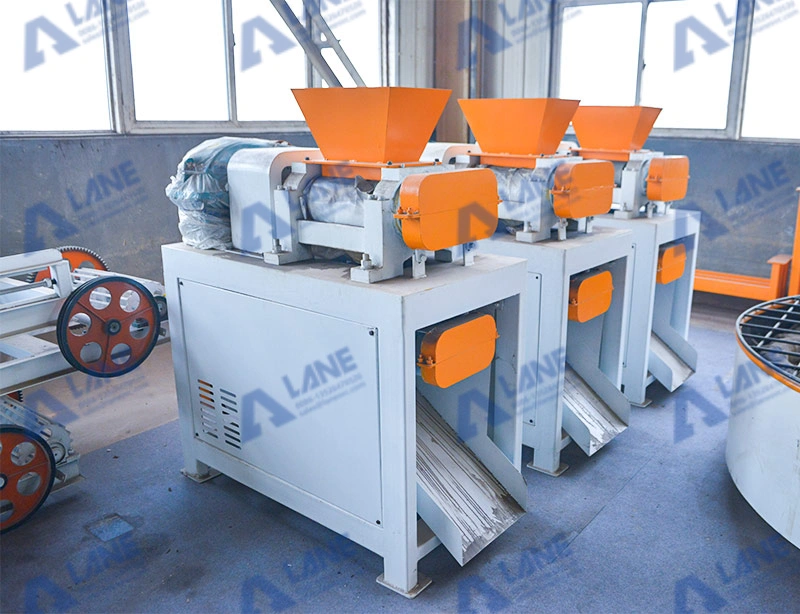
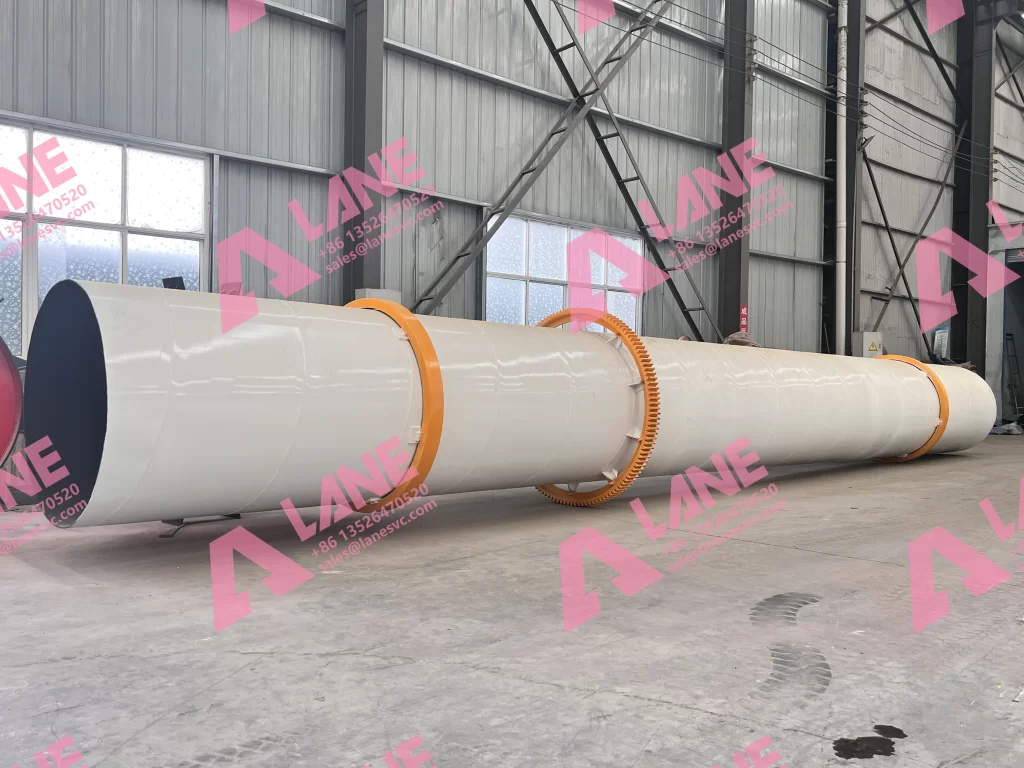
An optimized SOP fertilizer plant designs considers the possibility of generating off-spec material and dust and prepares a proper method to process them. A granulation production line typically includes a mixer for combining raw materials and binders, a granulator (such as a rotary drum or Double roller granulator), a rotary dryer for moisture control, and a cooler to stabilize the granules. The key to granulation is the uniformity and strength of the granules.
LANE uses both Double roller granulators and rotary drum granulators depending on the production methods and capacity. Our granulators are designed to produce consistently sized, dense granules. Strong, uniform granules are less prone to breaking down during subsequent handling, screening, and packaging. This minimizes the generation of dust which must be recycled.
Closed-Loop Systems: Reclaiming Value from Dust and Waste
No matter how excellent the granulation system is, dust generation is inevitable in granule fertilizer production. A traditional plant design treats this as a pollution control problem, but LANE Heavy Industry’s yield-optimized SOP fertilizer plant designs views it as a critical material recovery opportunity. We implement a closed-loop system for dust and off-spec material. It is one of the most direct ways to boost overall plant yield.
Our system integrates high-efficiency cyclone dust collectors and bag filters at transfer points like drying and cooling. Captured particles are not sent to landfills but are reintroduced into the production process. The screening machine screens the cooled granules for fines and oversized granules and sends them back to the crusher to be recycled into granules. This philosophy transforms waste into valuable raw materials.
LANE’s production lines emphasize this closed-loop approach, where dust recovery is integral. This reduces raw material loss and lowers specific energy consumption per ton of product. When every kilogram of potassium is valuable, this systematic recapture can improve overall material yield.
Automation and Process Control: The Brain of the Modern Plant
The production machines in a modern SOP fertilizer plant designs must be constructed for efficiency and precision. The machine that controls that precision is a centralized Programmable Logic Controller (PLC). This system acts as the plant’s nervous system. It cautiously monitors and adjusts parameters across raw material feeding and reactor conditions to dryer temperature and coating agent application.
Table: Key Automated Control Points in an SOP Production Line
| Process Stage | Controlled Parameters | Impact on Yield & Quality |
|---|---|---|
| Raw Material Feeding | Feed rate, consistency | Ensures stoichiometric balance for complete reaction. |
| Reactor (Mannheim) | Temperature, pressure, acid flow | Maximizes conversion purity and minimizes by-products. |
| Granulation Drum | Moisture, binder spray, drum speed | Optimizes granule formation and size distribution. |
| Drying & Cooling | Inlet/outlet gas temperature, product retention time | Prevents over-drying (dust) or under-drying (caking). |
| Dust Collection | Airflow, filter pressure | Maximizes fine particle recovery for recycling. |
This level of automation reduces labor costs and ensures the process operates continuously, minimizes human error, prevents costly deviations, and guarantees batch-to-batch consistency. For investors and plant managers, integrating automation into SOP fertilizer plant designs translates to predictable output, stable quality, and the realization of the designed yield potential.
Frequently Asked Questions (FAQ)
Q1: Beyond equipment choice, what is the most important phase for ensuring a high-yield SOP plant?
A1: The most critical phase is feasibility testing and process development conducted before finalizing the SOP fertilizer plant designs. SOP from different sources (e.g., Mannheim vs. natural brines) can behave differently during processing. Comprehensive testing determines the exact “recipe” for parameters like granulation binder type, drying temperature, and equipment settings specific to your raw material, de-risking the project and laying the groundwork for optimal yield.
Q2: Can a low-dust production line actually improve my operational yield?
A2: Absolutely. While often marketed for EHS (Environment, Health, and Safety) benefits, a low-dust SOP fertilizer plant designs is fundamentally a yield-enhancing strategy. By capturing and recycling airborne fines that would otherwise be lost, these systems directly increase the amount of saleable product. Furthermore, they reduce abrasive wear on equipment and improve plant cleanliness, leading to higher operational efficiency.
Q3: How does the choice of raw material affect the plant design and potential yield?
A3: The raw material source fundamentally shapes the SOP fertilizer plant designs. A plant using the Mannheim process (KCl + H₂SO₄) requires acid-resistant materials and HCl gas scrubbing systems. In contrast, a plant designed to process langbeinite or recover SOP from waste streams like distillery ash uses a series of dissolution, crystallization, and separation units. The yield potential is intrinsically linked to the chemistry and purity of the chosen feedstock, which is why material testing is non-negotiable.
Q4: Is a fully automated plant necessary for profitable SOP production?
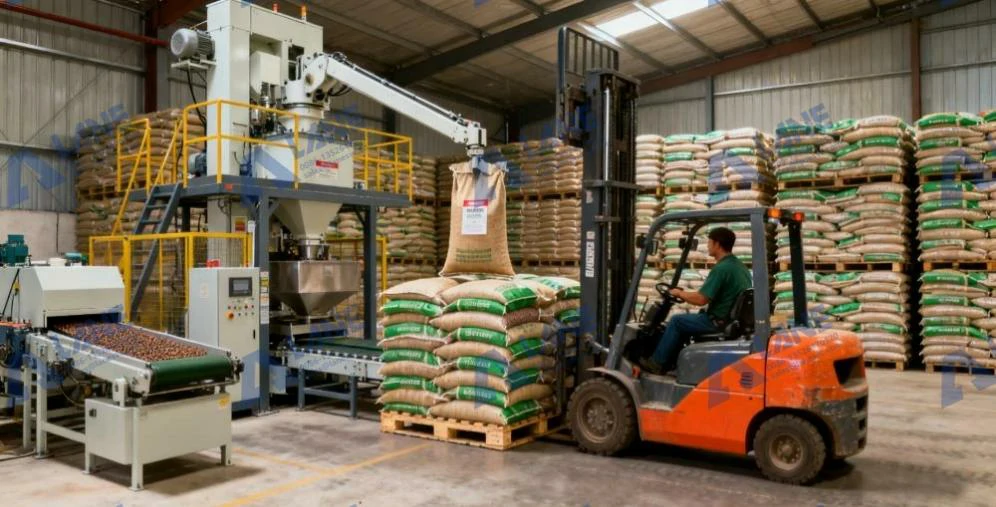
A4: While not strictly necessary, automation is a powerful lever for safeguarding yield and profitability. It enforces consistent operation, minimizes product give-away through precise weighing and packaging, and provides real-time data to quickly identify and correct process inefficiencies. For medium to large-scale operations, integrating automation into an SOP fertilizer plant designs often ensures that the return on investment from yield preservation, quality consistency, and lower operating costs justifies the initial capital.
Of course, we also offer other types of products for your different needs, you can click to view.
For more information, please contact us by sending an inquiry today! We can help you!



Write a Reply or Comment