
Why Choose Potassium Sulfate Fertilizer Production Line for Tea: Production Benefits & Practical Usage
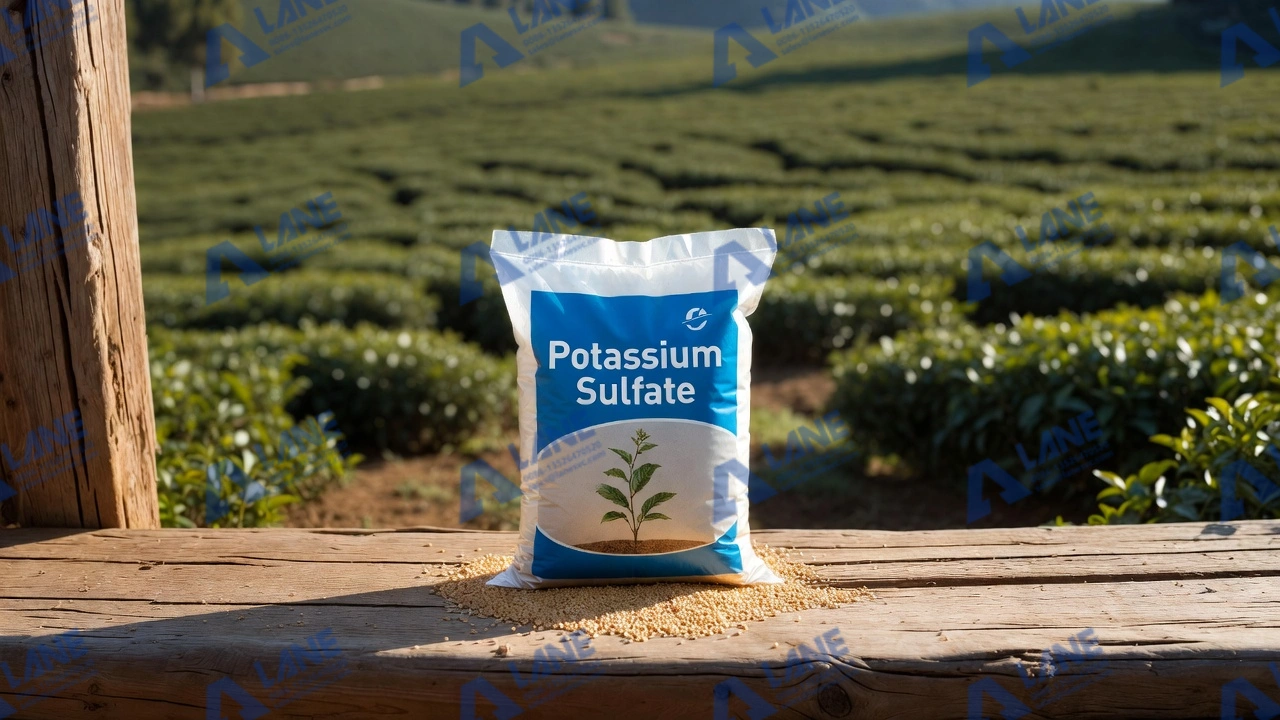
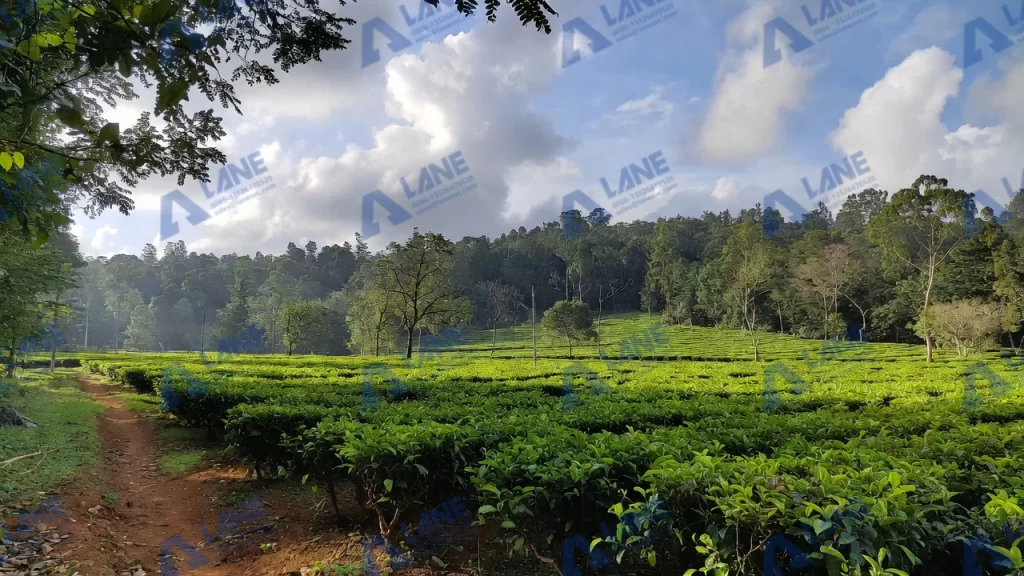
Tea, a globally beloved beverage, is notoriously sensitive to chloride. It requires strict nutrient management to maintain its unique flavor, aroma, and yield. Among the essential nutrients, potassium is crucial for tea plants for drought resistance, cold tolerance, and bud development. On the other hand, sulfur improves aroma and nutrient absorption of tea leaves. Because of these, a potassium sulfate fertilizer production line for tea has become a game changer for tea growers.
A specialized potassium sulfate fertilizer production line for tea ensures high-quality and even nutrient distribution of the fertilizer. LANE Heavy Industry Machinery, a leader in the fertilizer equipment industry, offers an efficient Potassium Sulfate Fertilizer Production Line for Tea that is engineered specifically to maintain chloride levels below 1%.
LANE’s Advanced Synthesis Process
The chloride content of the SOP fertilizer is determined by its synthesis process. LANE utilizes state-of-the-art Mannheim furnace reactors that can control temperature, pressure, and reactant concentrations. In this furnace we create a reaction between potassium chloride (KCl) and sulfuric acid to create potassium sulfate and hydrochloric acid (HCl).
2KCl + H₂SO₄ → K₂SO₄ + 2HCl
This precision offers three critical benefits:
- Maximum conversion efficiency– More finished product from every ton of raw material
- Minimal chloride residues– Typically below 1%, often as low as 0.5%
- Consistent purity– Batch after batch, ensuring reliable fertilizer performance
The two-stage reaction requires precision and control. LANE’s reactors manage both the exothermic and endothermic stages seamlessly, making them ideal for a potassium sulfate fertilizer production line for tea.
Granulation: Engineering Uniform, Tea-Ready Granules
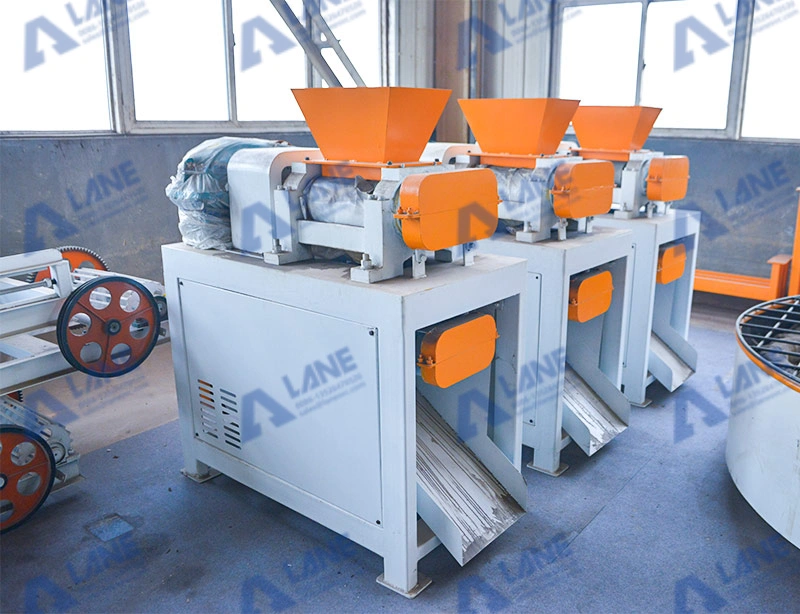
After synthesis, the SOP powder undergoes granulation. This is a critical process that determines how well the fertilizer performs in the field. LANE’s potassium sulfate fertilizer production line for tea offers both double roller granulators and rotary drum granulators, depending on capacity, budget, and added raw materials.
Why granulation matters for tea:
- Uniform particle size ensures even spreading across tea gardens
- Dust-free granules minimize waste during application
- Consistent nutrient release supports steady tea plant growth throughout the season
- Improved storage life prevents caking and degradation
LANE’s granulation production line produces hard, dense granules that withstand handling, transport, and field application without breaking down into dust, ensuring reliable performance in a potassium sulfate fertilizer production line for tea.
Closed-Loop Efficiency: Sustainability Meets Profitability
Modern fertilizer production must abide by environmental safety concerns while producing fertilizer. LANE’s production lines incorporate advanced dust collection and waste recovery systems that capture fine particles and reintroduce them into the production cycle.
This closed-loop approach:
- Reduces raw material waste by recycling fines and oversized granules
- Lowers energy consumption through waste heat recovery
- Creates a cleaner, safer production facility
- Improves overall material yield—more saleable product from every input
Automation: The Secret Behind Consistent Quality
LANE’s production lines integrate centralized Programmable Logic Controller (PLC) systems that monitor and adjust parameters of the potassium sulfate fertilizer production line for tea.
Automated control ensures:
- Precise ratios for complete chemical reaction
- Stable granulation conditions
- Consistent drying temperatures that prevent over-drying or under-drying
- Real-time adjustment to maintain product specifications
A fully controlled system means that tea growers receive fertilizer with guaranteed purity and performance in every batch.
Part 2: Practical Usage – How SOP Fertilizer Transforms Tea Cultivation
The Science of Tea and Potassium
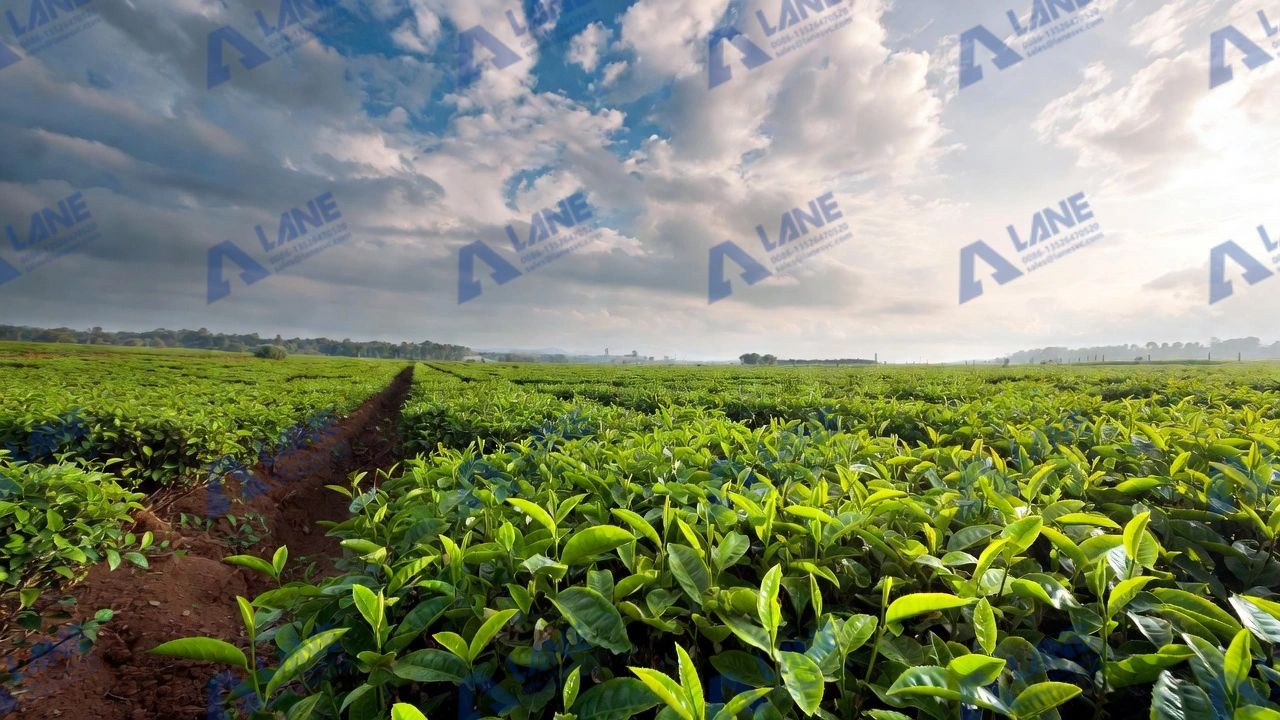
Potassium application improves tea quality and yield. Field experiments across major tea-producing provinces in China demonstrated that SOP increased tea yield by 11.6% to 18.5% compared to untreated controls. Potassium sulfate (SOP) application increased free amino acids, the most important factor for green tea quality. Sensory evaluations confirmed that aroma and taste improved across green, oolong, and black teas when growers used SOP.
Benefits for Tea Plants
When tea growers use fertilizer from a dedicated potassium sulfate fertilizer production line for tea, their plants benefit in multiple ways:
- Chloride-Free Nutrition: Tea plants cannot tolerate high chloride levels. Chloride accumulation leads to leaf burn, reduced photosynthesis, and bitter flavor. SOP’s chloride-free formula protects tea plants while delivering essential potassium.
- Sulfur for Flavor Development: Sulfur is essential for the amino acids and volatile compounds that create tea’s distinctive aroma and taste. Many soils are sulfur-deficient, making SOP’s 17–18% sulfur content particularly valuable.
- Enhanced Disease Resistance: Potassium strengthens cell walls of the tea plant and activates enzymes. It helps tea plants resist pests and diseases. Healthier plants produce more tender and flavorful leaves.
- Improved Photosynthesis: Potassium regulates stomatal opening and closing. It helps tea plants manage water use and maintain photosynthesis during dry periods.
Real-World Success: Tea Plantations Using SOP
A tea plantation in India that wanted to improve leaf aroma switched to SOP fertilizer produced on a dedicated production line. The teas from that plantation scored higher in sensory tests and now sell to luxury tea brands at a 30% premium.
Similarly, field trials across China confirmed that SOP application improved yield and the concentrations of free amino acids (increased 16.4%), polyphenols (5.7%), and caffeine (3.3%).
Why Manufacturers Choose LANE for Tea-Focused Production
Tailored Solutions for Tea Markets
LANE understands that fertilizer for tea requires different specifications than other crops. Their potassium sulfate fertilizer production line for tea can:
- Achieve chloride levels as low as 0.5% for the most sensitive tea varieties
- Produce uniform granules sized for tea garden application equipment
- Scale from small modular units to large industrial plants
Integrated System Design
LANE offers fully integrated SOP fertilizer production lines where every machine works together seamlessly.
This integration:
- Minimizes bottlenecks between production stages
- Optimizes energy use across the entire facility
- Creates a closed-loop system that maximizes yield
- Ensures consistent quality from raw material to finished product
Conclusion
The Potassium Sulfate Fertilizer Production Line for Tea from LANE Heavy Industry is the ideal choice for fertilizer manufacturers and tea growers. The connection between fertilizer production technology and tea quality is direct and undeniable. A well-designed potassium sulfate fertilizer production line for tea delivers the chloride-free, sulfur-rich nutrition that tea plants need to produce tender leaves, complex aromas, and rich flavors. LANE’s Potassium Sulfate Fertilizer Production Line for Tea is helping tea growers achieve better economic benefits.
Frequently Asked Questions
Q1: Why is a specialized potassium sulfate fertilizer production line for tea better than general fertilizer equipment?
A1: Tea requires exceptionally low chloride levels (below 1.5%, ideally below 0.5%) and consistent granule size for even garden application. A dedicated production line from LANE ensures precise control over the Mannheim reaction to minimize chloride residues, while advanced granulation systems produce uniform, dust-free granules that store well and spread evenly. General equipment cannot guarantee this level of purity and consistency.
Q2: How does SOP fertilizer specifically benefit tea quality compared to MOP?
A2: Research shows SOP outperforms MOP for tea in several ways. Field trials demonstrated higher yield increases with SOP (17.5%) than MOP (12.6%). SOP significantly increases free amino acids—the key factor for green tea quality—by an average of 16.4%, while also boosting polyphenols and caffeine. Sensory evaluations confirm that aroma and taste improve with SOP but not with MOP, due to chloride’s negative effects on flavor compounds.
Q3: What production capacity can I expect from LANE’s SOP fertilizer production line for tea?
A3: LANE offers scalable solutions ranging from modular units for smaller producers to large industrial plants. A typical Mannheim furnace system can produce 40 tons per day or more, depending on configuration. LANE works with each client to design a production line that matches their market goals and raw material availability.
Q4: How does LANE’s production line ensure environmentally responsible manufacturing?
A4: LANE’s closed-loop systems capture dust and fines through high-efficiency cyclones and bag filters, then reintroduce them into the production cycle—eliminating waste and improving yield. Waste heat recovery technology reuses energy from drying processes, reducing overall consumption. The hydrochloric acid by-product is captured and can be sold for industrial use rather than released.
Q5: What raw materials does a potassium sulfate fertilizer production line for tea require?
A5: The primary raw materials are potassium chloride (KCl, minimum 60% K₂O) and 98% sulfuric acid (H₂SO₄). Production consumes approximately 850 kg of KCl and 570 kg of sulfuric acid per ton of SOP, plus small amounts of limestone powder and utilities like electricity, natural gas, and water. LANE can advise on sourcing high-quality inputs to ensure final product purity.
Q6: Can small tea cooperatives benefit from producing their own SOP fertilizer?
A6: Yes. LANE offers modular production lines suitable for various scales. For cooperatives or grower associations, producing SOP on-site can ensure quality control, reduce costs compared to purchased fertilizer, and create an additional revenue stream by selling to neighboring farms. LANE’s team can help determine the most economic scale for specific situations.
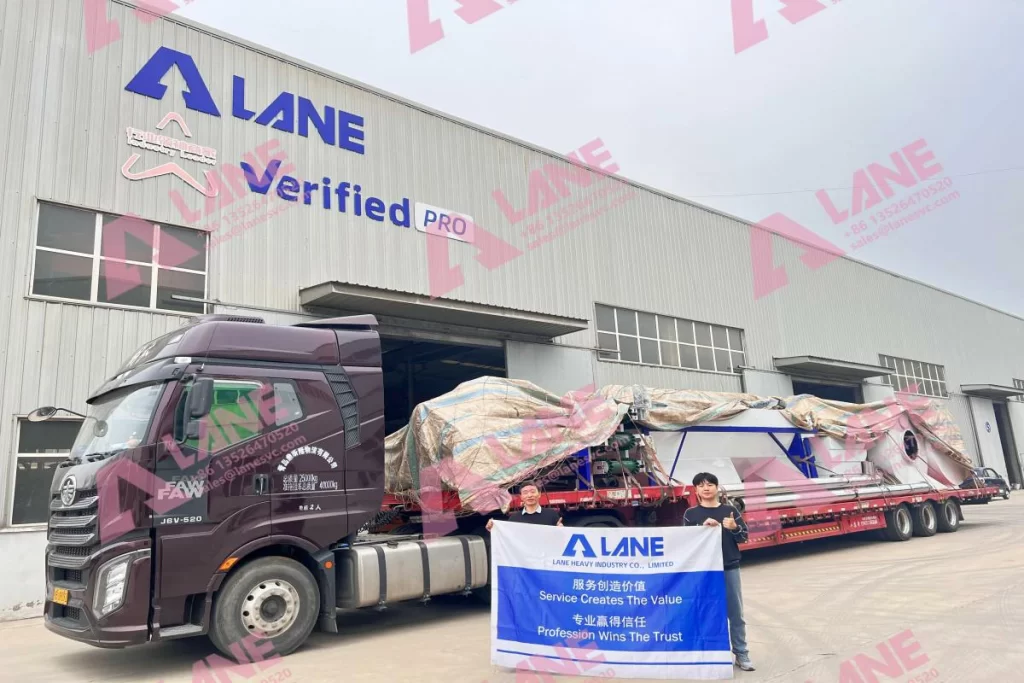
Of course, we also offer other types of products for your different needs, you can click to view.
For more information, please contact us by sending an inquiry today! We can help you!



Write a Reply or Comment