
SOP vs MOP for Citrus: Choosing the Right Potassium Source for Better Fruit Quality
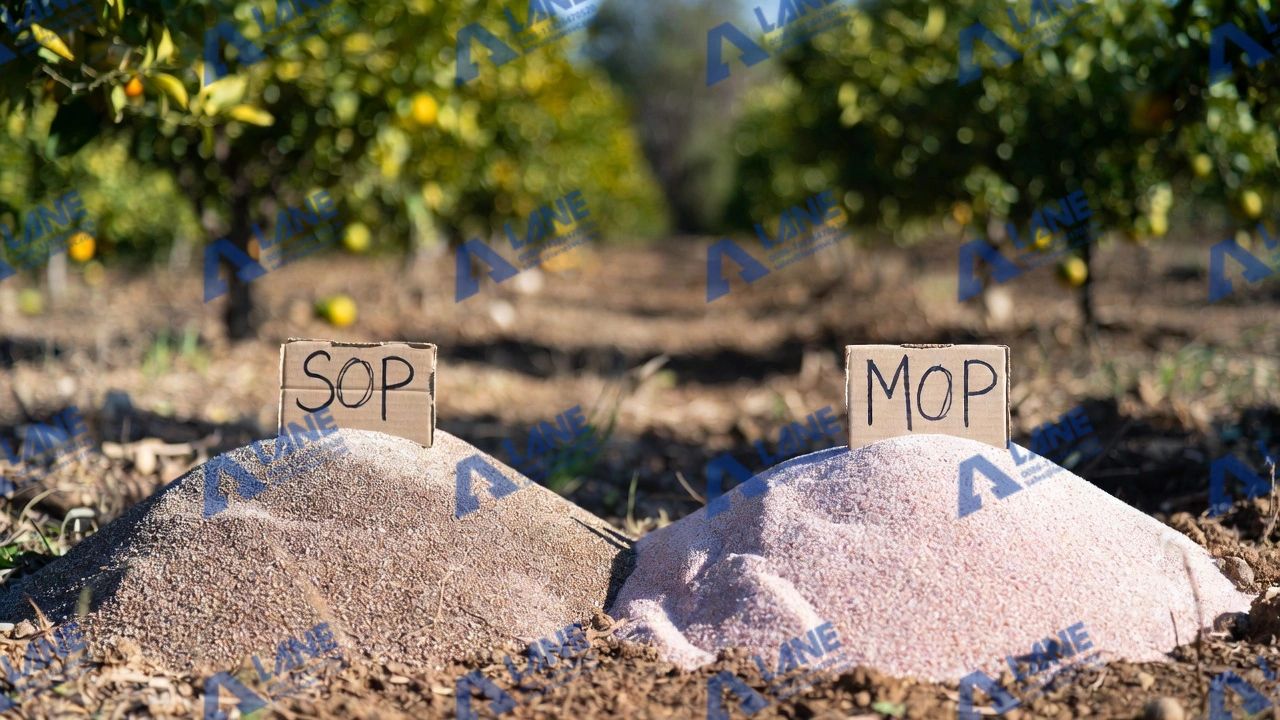
Potassium as a nutrient directly influences the fruit size, sweetness, peel thickness, and disease resistance of citrus trees. However, there are two primary sources of potassium commonly used in agriculture: Sulfate of Potash (SOP) and Muriate of Potash (MOP). Both fertilizers have their own advantages and disadvantages. Understanding SOP vs MOP for citrus is essential for making informed fertilization decisions in orchard farming.
In this article, we will explore the differences between SOP vs MOP for citrus and discuss why partnering with a reliable SOP producer like LANE Heavy Industry ensures access to high-quality fertilizer that maximizes citrus quality.
What is SOP (Sulfate of Potash)?
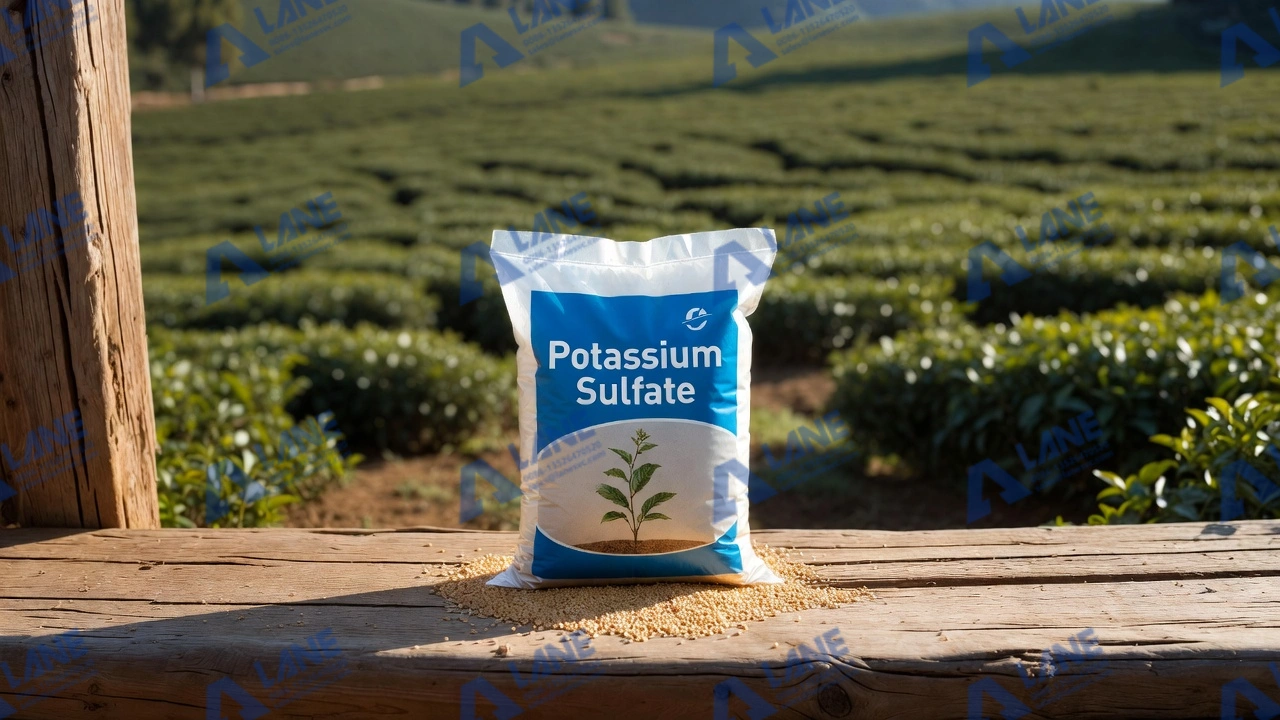
Sulfate of Potash (SOP) is also known as potassium sulfate. It is a highly effective potassium fertilizer that is widely used in citrus orchards. It can be harvested from naturally occurring mineral compounds that provide potassium in sulfate form. The key advantage of SOP over other potassium sources such as MOP is that it also supplies sulfur, an essential macronutrient for citrus trees. Sulfur helps in the formation of amino acids and proteins. It is vital for fruit development.
SOP has a potassium content of around 50–52%, and sulfur content around 17–18%. It provides both nutrients without chlorine. This is especially important for crops like citrus that are sensitive to chloride.
What is MOP (Muriate of Potash)?
Muriate of Potash (MOP), also known as potassium chloride, is the most used potassium source in the world. It is cheaper and more available than SOP. It contains about 60–62% potassium. MOP is used in general crop production. It contains around 45% chloride and has a salt index of 116. Its high level of salt index and chloride can cause leaf burn, hinder the tree’s ability to take up water, and negatively impact fruit quality.
Even though MOP has higher potassium content, it is not the best choice for citrus growers, especially in regions where soil salinity is a concern. When comparing SOP vs MOP for citrus, growers must look beyond potassium percentage and consider chloride impact. It is essential to carefully manage the chloride levels in the soil when using MOP for citrus cultivation.
SOP vs MOP for Citrus: Key Differences
Potassium Availability: The difference between SOP vs MOP for citrus trees lies in the form of potassium. SOP provides potassium as potassium sulfate, while MOP delivers potassium as potassium chloride. The sulfate form of potassium is more beneficial and readily available to plants, especially in acidic soil, making it the preferred choice for citrus growers.
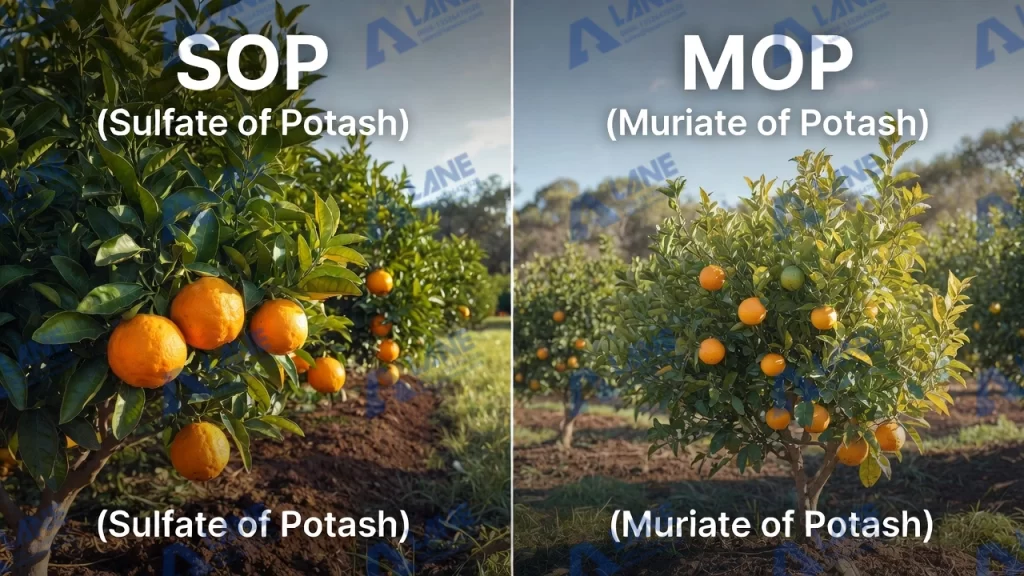
Chloride Content: The biggest difference between SOP and MOP for citrus fruit is the chloride content. MOP contains about 45% chloride, which is toxic to citrus trees in high concentrations. Chloride can cause leaf burn and inhibit fruit development. On the other hand, SOP is chloride-free, making it a safer option for citrus orchards.
Sulfur Content: One of the key advantages of SOP is its sulfur content. Sulfur helps in the production of proteins, enzymes, and vitamins, which contribute to improved fruit quality. Citrus trees require sulfur to promote strong fruit set and enhance the aroma, flavor, and shelf life of the fruit. MOP does not provide sulfur, so you will require additional sulfur fertilizer to meet the tree’s needs.
Impact on Fruit Quality: When it comes to citrus fruit quality, SOP fertilizer provides better results than MOP. The absence of chloride in SOP helps prevent the risk of chloride toxicity. This ensures better fruit appearance, taste, and shelf life. Additionally, sulfur provided by SOP enhances the flavor profile and aroma of the citrus.
Soil Health: MOP has high chloride content which can accumulate in the soil over time. It can negatively impact soil health and microbial activity. When evaluating SOP vs MOP for citrus, this long-term chloride buildup becomes a critical concern for orchard sustainability. SOP, being chloride-free, does not pose this risk and is more beneficial for long-term soil health. This makes SOP an ideal choice for sustainable citrus farming.
Environmental Impact: SOP is more environmentally friendly than MOP. It is less likely to cause soil salinity or water contamination. It doesn’t contribute to chloride buildup. Using SOP also reduces the risk of nutrient imbalances in the soil. This makes it a safer choice for both the environment and the farmer.
LANE Heavy Industry’s SOP Fertilizer Production Line: The Best Choice for Citrus Growers
SOP vs MOP for citrus orchards begs the question of the right source of potassium for citrus orchards. Consistent high-quality SOP doesn’t happen by accident. The equipment used in the production of SOP and MOP also plays a significant role.
LANE Heavy Industry, a global leader in fertilizer manufacturing machinery, provides advanced design and machinery to produce high-quality SOP fertilizers. Our modern SOP fertilizer production line is designed to meet the specific needs of citrus growers by ensuring the highest levels of purity, consistency, and efficiency.
LANE Heavy Industry’s SOP fertilizer production line and MOP granulation production line employ cutting-edge technology that optimizes the extraction and processing of potassium sulfate. This ensures minimal impurities and maximum nutrient availability for citrus crops. The line is built with sustainability in mind; it offers eco-friendly operations and reduces waste by maximizing resource efficiency.
By using LANE Heavy Industry’s machinery, citrus growers can ensure that they are using the most effective form of potassium. Granules created by our production line are consistent in size and provide even nutrients throughout the farms, enhancing fruit quality, boosting yields, and promoting long-term soil health. Whether you are a large-scale citrus producer or a small farm looking to improve your orchard’s productivity, LANE Heavy Industry’s SOP production line offers a reliable and cost-effective solution for potassium fertilization.
Conclusion: Which Potassium Source is Best for Citrus?
SOP vs MOP for citrus is a decision that directly impacts fruit quality, soil health, and grower profitability. While MOP may be cheaper, its high chloride content and lack of sulfur make it less ideal for citrus orchards. SOP provides a chloride-free, sulfur-rich composition which supports optimal citrus growth and superior fruit quality. So, when it comes to SOP vs MOP for citrus, the clear winner is SOP. LANE Heavy Industry’s SOP fertilizer production line can further ensure that citrus crops receive the best possible nutrients for growth and fruit quality.
FAQs
What is the main difference between SOP vs MOP for citrus?
When discussing SOP vs MOP for citrus, the key difference lies in the chloride content. SOP (Sulfate of Potash) is chloride-free, while MOP (Muriate of Potash) contains high levels of chloride, which can be harmful to citrus trees.
Which fertilizer is better for citrus: SOP or MOP?
In the comparison of SOP vs MOP for citrus, SOP is generally better for citrus, as it provides potassium without the harmful chloride and also supplies sulfur, which is essential for fruit development and quality.
Can I use MOP for citrus trees?
While MOP can be used for citrus, it is not recommended in regions where chloride sensitivity is an issue. The high chloride content can cause damage to the trees and negatively impact fruit quality.
What role does sulfur play in citrus growth?
Sulfur is vital to produce amino acids, proteins, and enzymes, all of which contribute to better fruit set, flavor, aroma, and overall tree health.
Why should I choose LANE Heavy Industry’s SOP production line?
LANE Heavy Industry’s SOP production line uses cutting-edge technology to produce high-quality, pure potassium sulfate, which is ideal for citrus crops. It ensures maximum nutrient availability and sustainability, benefiting both the environment and the farmer.
Of course, we also offer other types of products for your different needs, you can click to view.
For more information, please contact us by sending an inquiry today! We can help you!




Write a Reply or Comment