
Cost vs. Value: Why the SOP Fertilizer Manufacturing Process for Tea Boosts Profit Margins
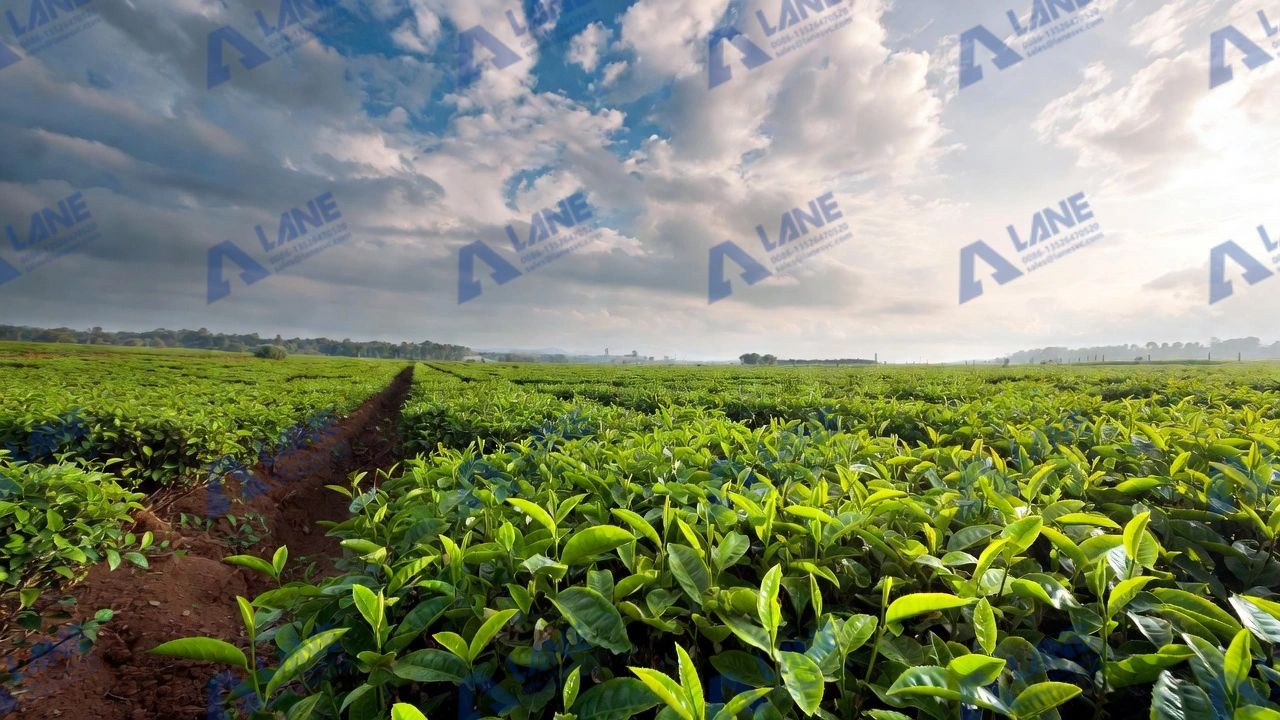
Tea cultivation is one of the most delicate and demanding agricultural processes. It requires precise nutrient management to ensure premium quality leaves. For tea growers and fertilizer manufacturers, the SOP fertilizer manufacturing process for tea bridges the gap between costs and long-term value. Sulfate of Potash is a chloride-free potassium fertilizer that provides both potassium and sulfur in sulfate form. It is the preferred choice for tea growers seeking both quality and profitability.
The SOP fertilizer manufacturing process for tea is a strategic investment. Despite the initial costs, it delivers premium nutrients which increase crop yield, leaf quality, fruit brix quality, and increase drought resistance. When paired with LANE Heavy Industry’s advanced SOP fertilizer production line, the SOP fertilizer manufacturing process for tea delivers superior value while reducing production costs.
Understanding SOP Fertilizer and Its Importance for Tea
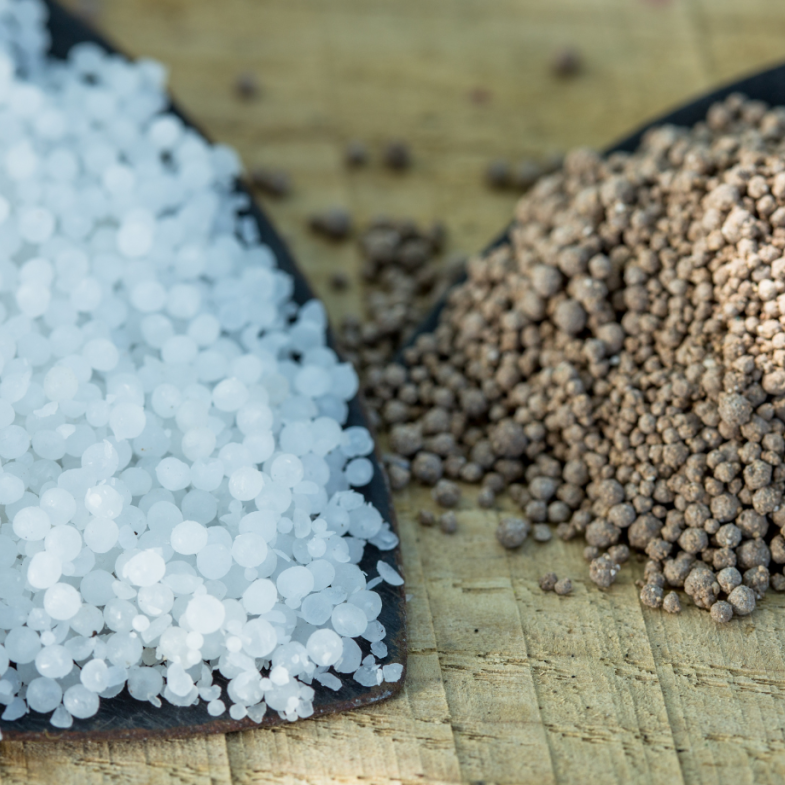
Sulfate of Potash (SOP) is a potassium-based fertilizer enriched with sulfur (17–18%). SOP plays a crucial role in enhancing the flavor, color, and aroma of tea. Premium SOP fertilizer has less than 1% chloride, which makes it safe for the plants and the soil. Its chloride-free nature makes it ideal for sensitive plants like tea. Implementing the SOP fertilizer manufacturing process for tea ensures a consistent supply of fertilizer tailored to your tea plantation.
Potassium is the main component of SOP. It strengthens plant immunity, improves leaf thickness, and enhances overall tea quality. The sulfur in SOP contributes to amino acid synthesis and is crucial for flavor development of tea leaves. By adopting a specialized manufacturing process, tea producers can ensure that their plantations receive fertilizers that are both nutrient-rich and environmentally friendly.
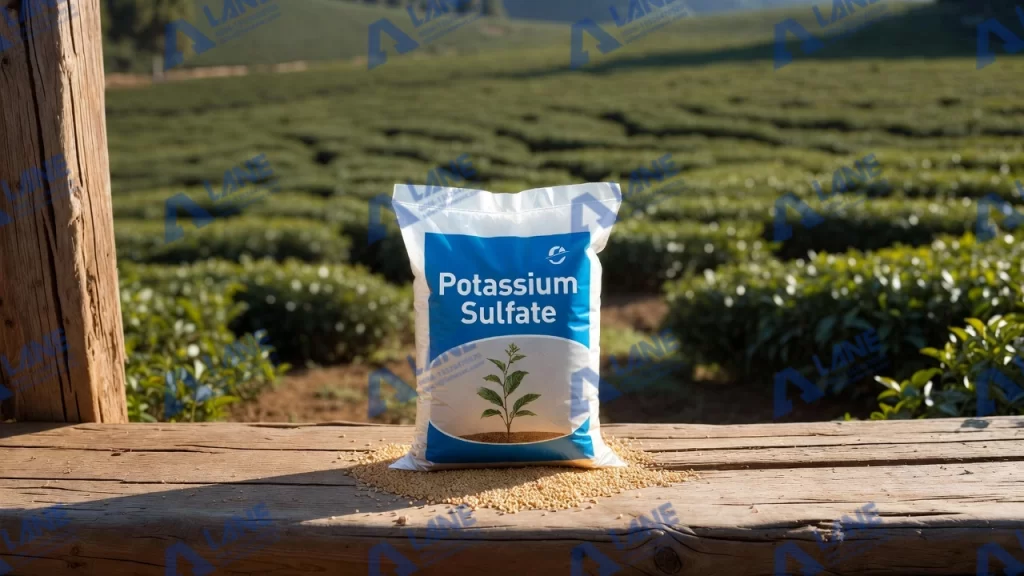
Cost Considerations in SOP Fertilizer Production
The initial investment of the SOP fertilizer manufacturing process for tea may appear expensive. The key costs include raw materials such as potassium chloride or potassium sulfate, sulfuric acid, machinery, and energy consumption. LANE Heavy Industry’s machinery streamlines production, optimizing resource use and reducing waste.
This initial capital expenditure is mitigated by process efficiency, lower labor requirements, and reduced dependency on external suppliers. LANE Heavy Industry, with over 20 years of experience in manufacturing fertilizer machinery, has engineered advanced SOP production lines that can do continuous operation, have minimal downtime, and maximum output. This approach ensures that every dollar spent translates into value for the tea plantation.
How LANE Heavy Industry Machinery Enhances Profit Margins
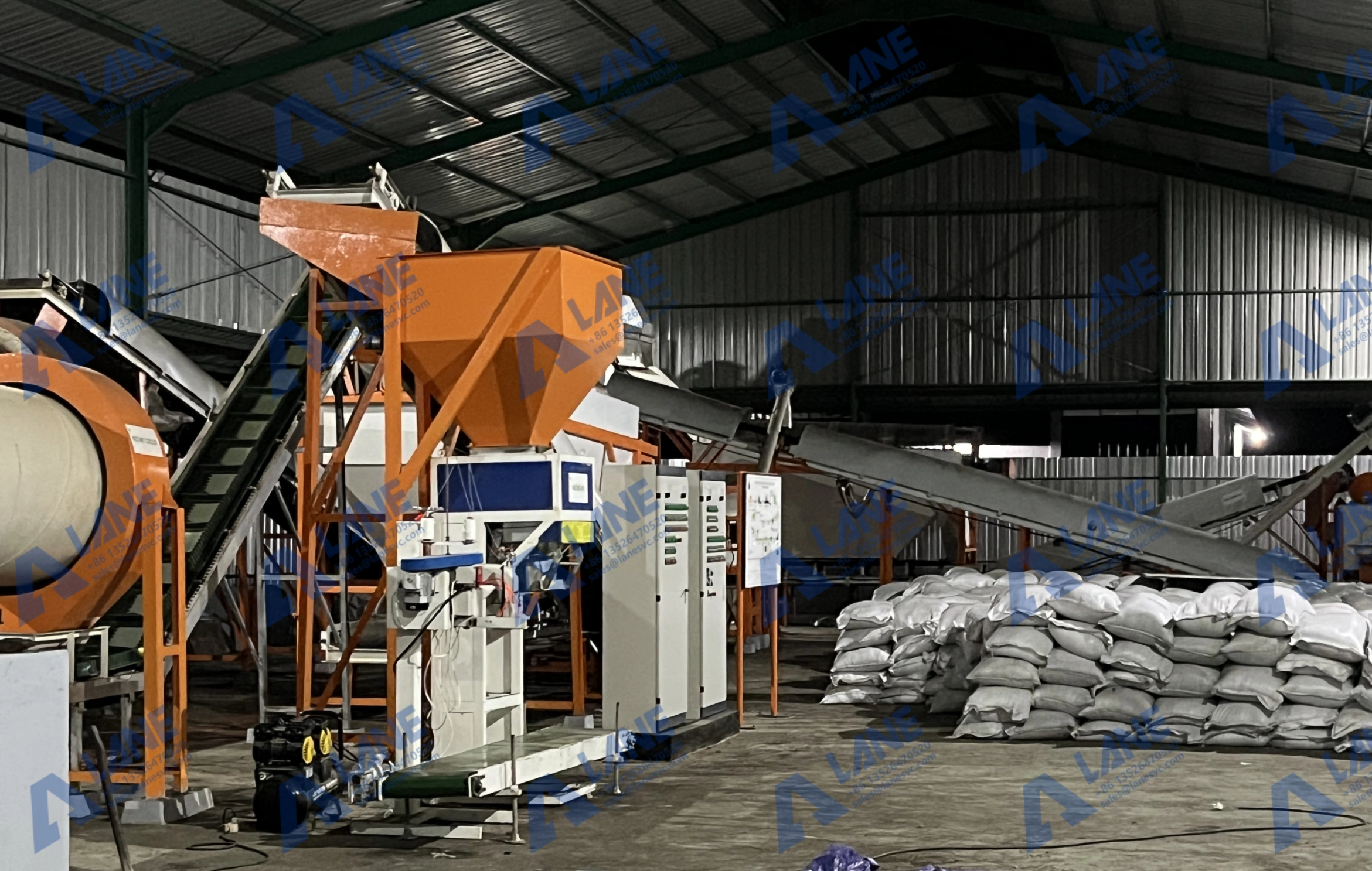
LANE Heavy Industry provides advanced, state-of-the-art SOP fertilizer manufacturing process for tea machinery. We integrate automation, precision, durability, and customization in our SOP fertilizer production line. The key benefits of our production line include:
- High Production Efficiency: Automated systems reduce manual intervention and increase throughput.
- Consistent Fertilizer Quality: Precise synthesis and granulation techniques produce uniform particles that are easy to apply and dissolve evenly in soil.
- Energy and Resource Optimization: Our energy-efficient modern machines reduce energy consumption and minimize raw material wastage.
- Scalability: From small-scale to industrial operations, LANE’s machinery can be customized to match production needs.
These advantages allow tea producers to lower operational costs while ensuring a reliable supply of high-quality SOP fertilizer, ultimately boosting profit margins.
The Value Proposition: Long-Term Benefits
While the upfront cost of implementing the SOP fertilizer manufacturing process for tea may seem high, the long-term benefits justify the investment. Key advantages include:
- Enhanced Crop Yield: Optimal potassium and sulfur levels improve leaf growth and resistance to diseases. This results in higher output per hectare.
- Improved Tea Quality: SOP ensures better flavor, aroma, and color. It increases the market value of tea.
- Sustainable Farming: Chloride-free SOP reduces soil salinity issues. It promotes long-term soil fertility.
- Reduced Dependence on External Fertilizer Suppliers: On-site production reduces supply chain risks.
By weighing costs against these benefits, tea producers can clearly see how investing in an SOP fertilizer production line is a financially sound decision.
Implementing the SOP Fertilizer Manufacturing Process
The SOP fertilizer manufacturing process for tea involves several linear stages that work with each other.
- Raw Material Preparation: Potassium sulfate, nitrogen, phosphorus, and other micronutrients are carefully sourced and stored for custom formulation.
- Mixing and Granulation: Ingredients are sent to the mixing machine with a dynamic batching system for precise nutrient delivery. LANE’s mixer mixes the raw materials thoroughly and sends them to the granulation machine to be formed into granules.
- Drying and Cooling: After granulation, the granules contain 25–30% moisture and need to be dried and cooled to prevent degradation during storage.
- Screening and Packaging: Finished products are screened for size and quality before being packaged for use in tea plantations.
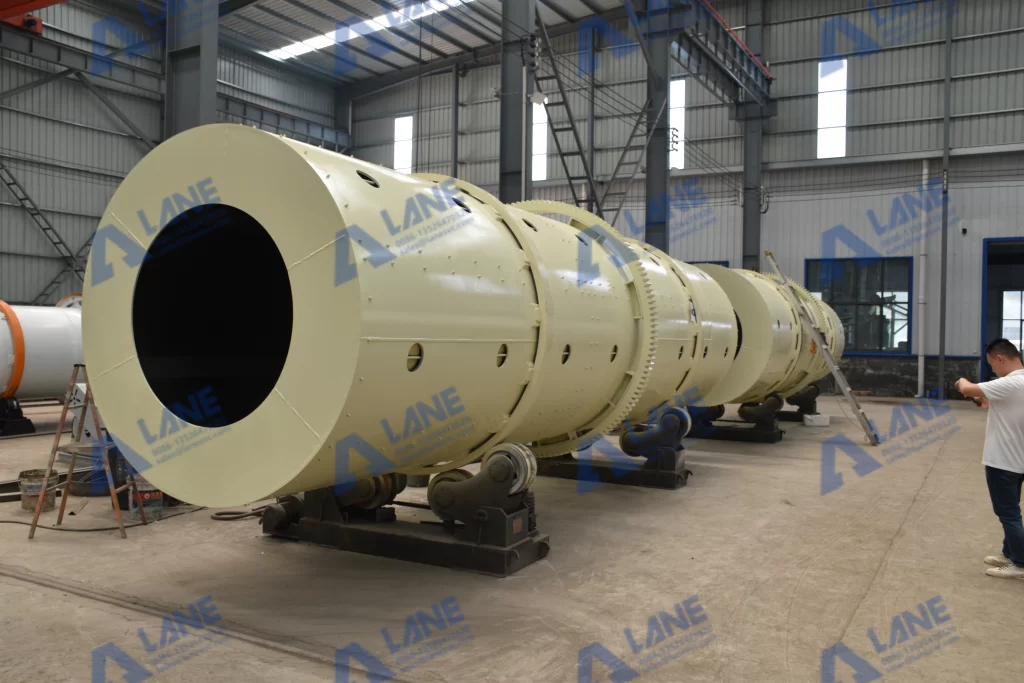
Each of these stages is designed for maximum efficiency, quality control, and cost-effectiveness
Capital Requirements vs. Long-Term Returns
While the initial capital investment in an SOP fertilizer manufacturing process for tea requires careful consideration, the long-term economic benefits favor integration:
| Cost Factor | Commercial SOP Purchase | In-House Production |
| Per-ton raw material cost | N/A | Lower (bulk KCl + H₂SO₄) |
| Manufacturing markup | Included | Eliminated |
| Distributor margin | Included | Eliminated |
| Transportation | Significant | Minimal (on-site) |
| Quality control | Supplier-dependent | Direct control |
| By-product value | None | Revenue-generating |
For operations producing 1,000 tons annually, the payback period for LANE’s modular systems typically ranges from 18-36 month. After which the SOP fertilizer manufacturing process for tea becomes profit center.
FAQ: SOP Fertilizer Manufacturing Process for Tea
Q1: Why is SOP fertilizer preferred for tea over other potassium fertilizers?
A1: SOP is chloride-free, preventing leaf damage and soil salinity issues. Its sulfur content enhances flavor, aroma, and leaf quality.
Q2: What role does LANE Heavy Industry machinery play in SOP fertilizer production?
A2: LANE’s machinery automates mixing, granulation, drying, and packaging, ensuring high efficiency, consistent quality, and reduced production costs.
Q3: How does the SOP fertilizer manufacturing process for tea affect profitability?
A3: By producing high-quality fertilizer on-site, tea plantations save on procurement costs, improve crop yield, and achieve higher market prices due to superior tea quality.
Q4: Can small-scale tea plantations benefit from SOP production lines?
A4: Yes, LANE Heavy Industry offers scalable solutions suitable for small to large operations, ensuring accessibility for all plantation sizes.
Q5: How often should SOP fertilizer be applied to tea plants?
A5: Application frequency depends on soil testing and crop requirements, but typically, SOP is applied during key growth stages to maximize nutrient uptake.
Conclusion
The SOP fertilizer manufacturing process for tea is a strategic investment that balances cost and value to drive profitability. LANE Heavy Industry’s SOP fertilizer production line optimizes every stage of the SOP fertilizer manufacturing process for tea and reduces costs through efficiency, precision, and waste reduction. Our production line delivers superior product quality with tea-specific SOP fertilizer. For tea plantations aiming to thrive in a competitive market, investing in an SOP fertilizer manufacturing process is a profitable business decision.
Of course, we also offer other types of products for your different needs, you can click to view.
For more information, please contact us by sending an inquiry today! We can help you!



Write a Reply or Comment