
15 TPH NPK Production Plant with SOP Fertilizer: Technology, Process, and Benefits
Introduction
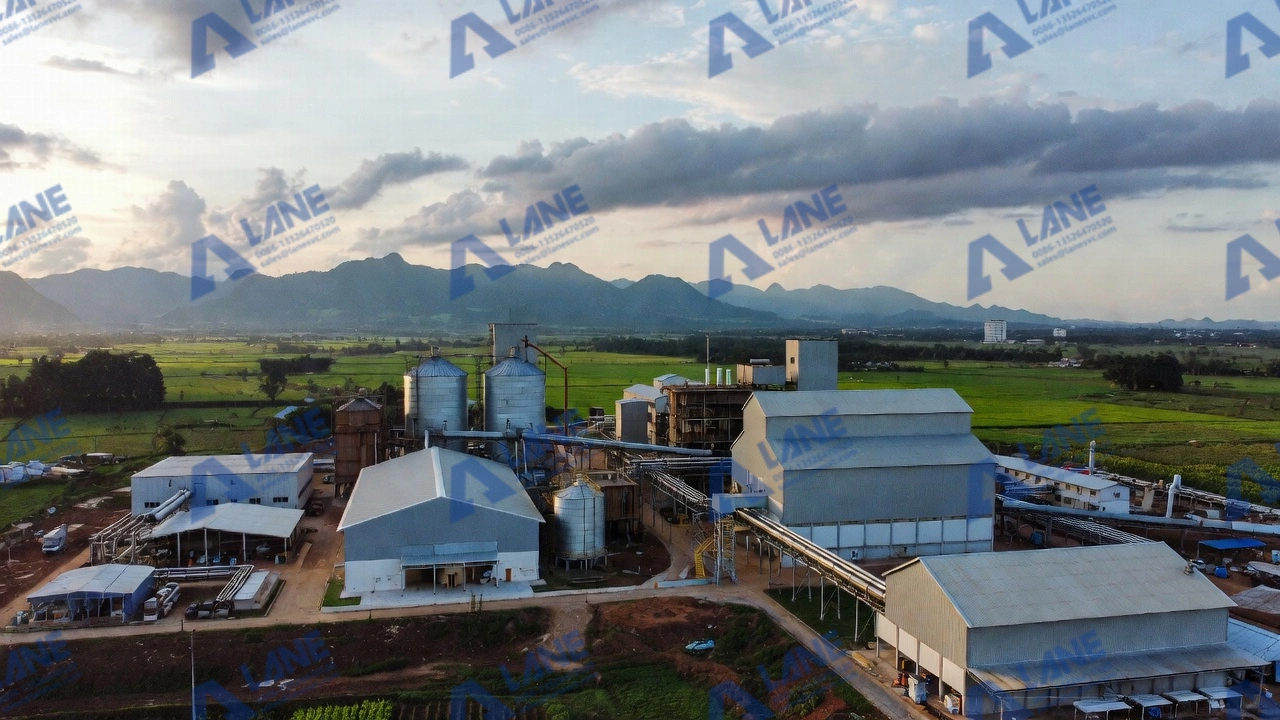
Modern agriculture depends on specialized nutrient programs for high yield and crop quality. Fertilizer plays the most important role in the crop nutrient program. Among the various fertilizer production technologies, the 15 TPH NPK Production Plant with SOP Fertilizer by LANE Heavy Industry has emerged as a benchmark for efficiency and reliability. This plant is purpose-built to produce high-quality NPK compound fertilizers with SOP and provide low chloride, high-efficiency fertilizers by integrating advanced technology and a streamlined production process. The 15 TPH NPK Production Plant with SOP Fertilizer is an industrial solution that empowers fertilizer manufacturers to create their own custom fertilizer to meet crop and market demand.
What is a 15 TPH NPK Production Plant with SOP Fertilizer?
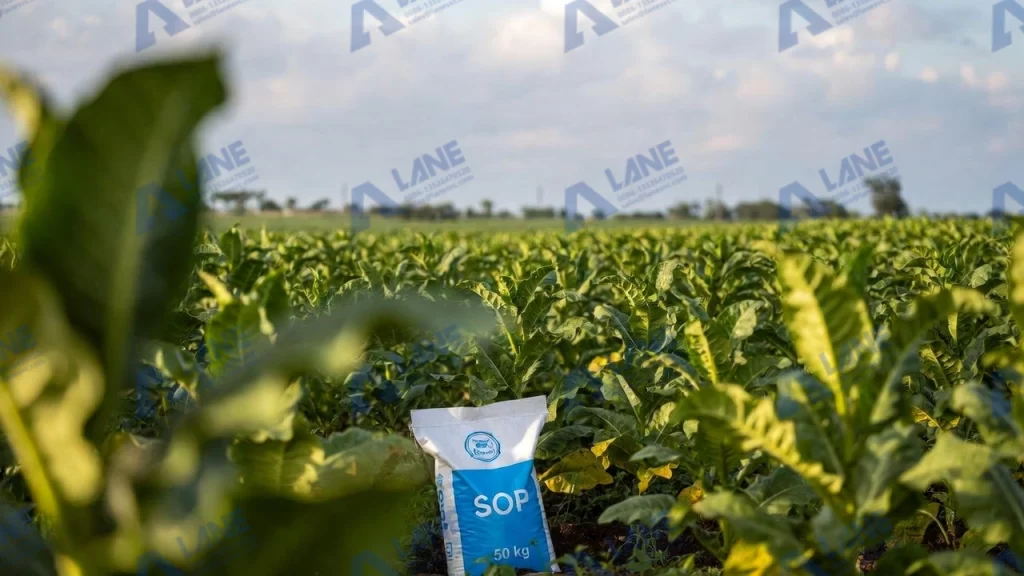
A 15 TPH NPK Production Plant with SOP Fertilizer is a customized compound fertilizer production plant, designed by LANE Heavy Industry to produce 15 tons per hour of NPK compound fertilizer. SOP, or sulfate of potash, chemically known as potassium sulfate, is the key potassium source of the plant. SOP enhances the potassium content of the NPK fertilizer without increasing soil salinity. This makes this NPK fertilizer ideal for sensitive crops.
This production plant integrates:
- Consistent mixing technology
- High-efficiency granulation technology
- Advanced drying and cooling systems
- Precision screening and coating equipment
The plant’s design ensures uniform mixing and granule size, reduced dust, and improved fertilizer quality, meeting both domestic and international standards.
Technology Behind LANE Heavy Industry’s Fertilizer Production Line
LANE Heavy Industry has over 20 years of experience in fertilizer machinery manufacturing. We have developed the 15 TPH NPK Production Plant with SOP Fertilizer using industrial-grade materials and advanced technology. Our key technological features include:
- Consistent Mixer: The mixing process uses a twin shaft mixer to blend NPK raw materials and other micronutrients and trace elements.
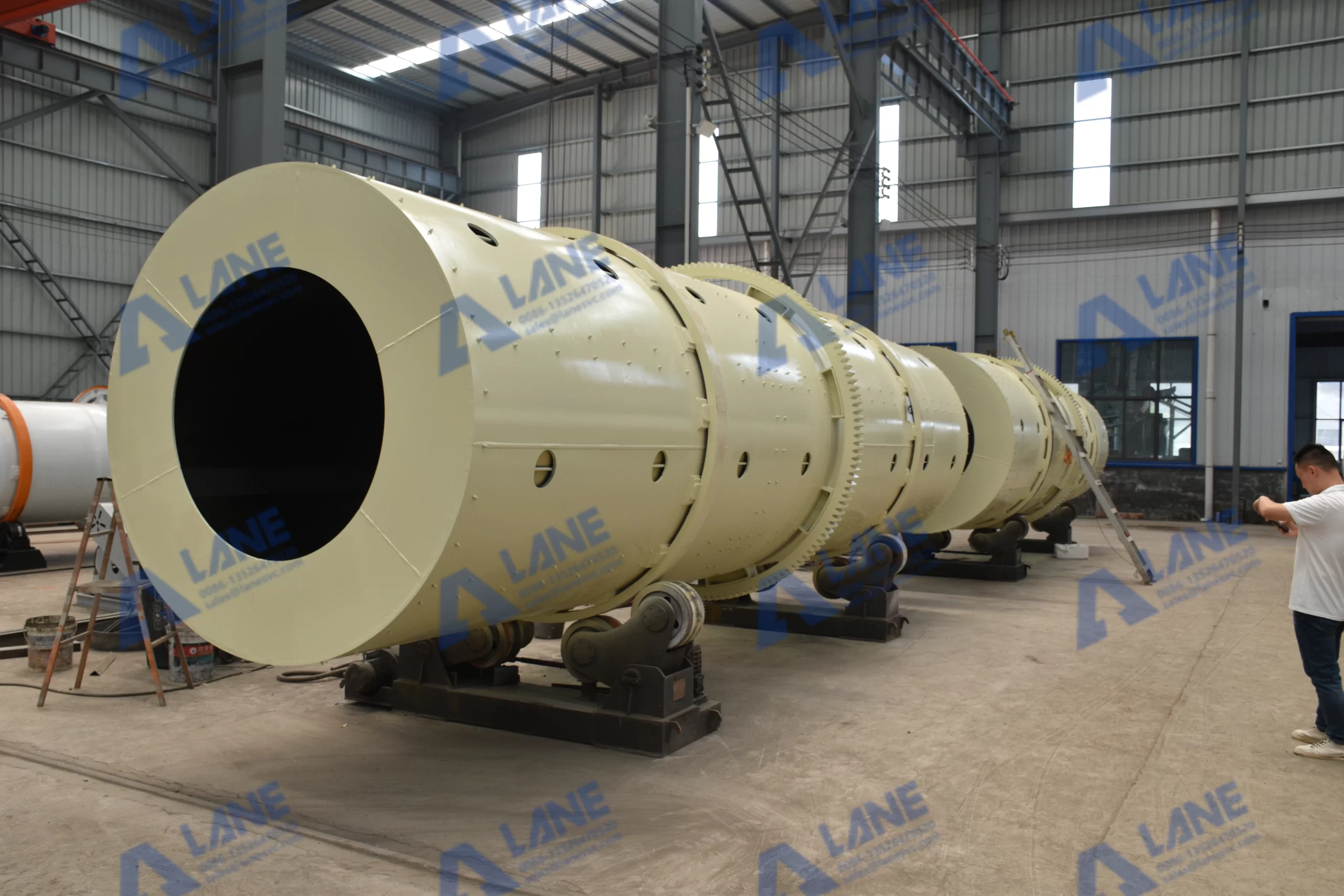
- High-Efficiency Granulator: The granulation process uses a rotary drum to form uniform granules.
- Drying and Cooling System: After granulation, fertilizers are dried to reduce moisture content and then cooled to prevent caking.
- Screening and Coating Equipment: Finished fertilizer granules are screened to separate fine and oversized granules from on-size granules. Then the rotary coating machine coats to improve storage stability and nutrient release.
- Automated Control System: LANE’s production line employs PLC-based control systems for precise temperature, humidity, and material flow management.
This combination of technology ensures consistent output, high production efficiency, and minimal energy consumption.
Production Process of 15 TPH NPK Production Plant with SOP Fertilizer
The 15 TPH NPK Production Plant with SOP Fertilizer follows a step-by-step process to produce high-quality compound fertilizer.
- Raw Material Preparation: Raw materials like urea, ammonium phosphate, potassium sulfate (SOP), and other micronutrients are weighed and mixed using LANE’s twin shaft mixer. Manufacturers can add micronutrients and other trace elements in this stage to create your custom formula.
- Granulation: The mixture is fed into the granulator machine, where it is shaped into small, uniform granules.
- Drying: The granules contain around 25–35% moisture after granulation. They are sent to a rotary dryer to reduce moisture to the optimal level (around 2–3%).
- Cooling: Cooling ensures the granules are solid and prevents caking during storage. LANE Heavy Industry uses a high-efficiency rotary cooler that maintains granule integrity.
- Screening: After cooling, the granules are sent to the screening machine. The screening machine separates fine powder and oversized particles from on-size granules. Fine powder and oversized particles are crushed and recycled back into the granulation system.
- Coating: After screening, the granules are conveyed to the coating machine. It improves handling and nutrient release performance.
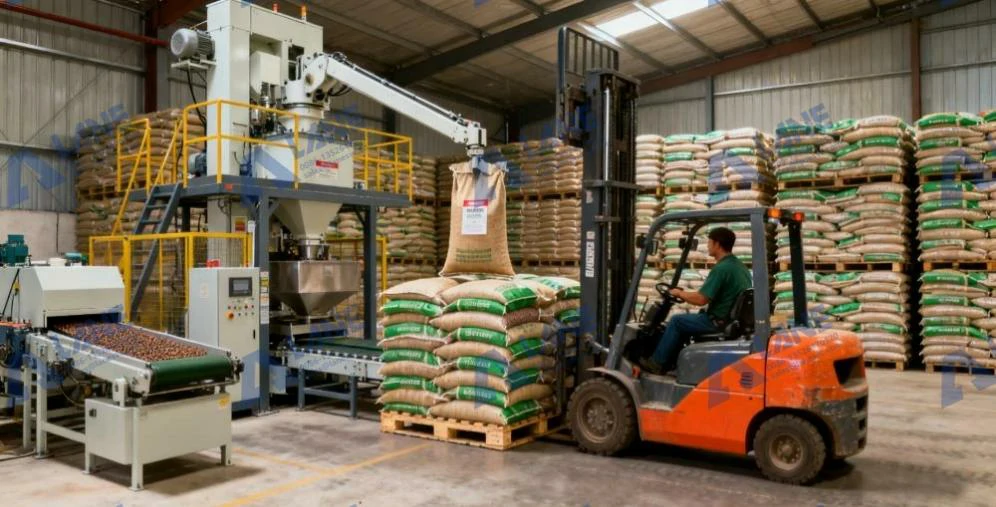
- Packaging: Finally, the finished fertilizer is conveyed to automatic packing machines, ready for storage and shipment.
This efficient production process ensures that the 15 TPH NPK Production Plant with SOP Fertilizer delivers consistent, high-quality output while minimizing waste.
Benefits of Using 15 TPH NPK Production Plant with SOP Fertilizer
Investing in a 15 TPH NPK Production Plant with SOP Fertilizer offers several advantages for fertilizer manufacturers and agricultural stakeholders:
- High Production Capacity:15 tons per hour capacity means your production line is a large-scale operation. You can produce fertilizer and meet regional and international fertilizer demands.
- Enhanced Crop Yield: SOP-enriched NPK fertilizer provides essential nutrients with lower salinity, improving crop health and yield.
- Energy Efficiency: Our energy-efficient advanced technology reduces energy consumption, lowering operational costs.
- Uniform Granule Quality: The production line produces granules of consistent size. Consistent sized fertilizer improves fertilizer application efficiency.
- Environmental Friendliness: The production line has safety features that capture dust emissions and controlled waste disposal ensure compliance with environmental standards.
- Automation and Safety: Our automatic PLC control systems minimize human error, enhance safety, and allow real-time monitoring of the production process.
- Flexibility in Formulation: The plant can adjust NPK ratios based on market demand, soil conditions, and crop requirements.
Key Features of LANE Heavy Industry’s Fertilizer Machinery
LANE Heavy Industry’s 15 TPH NPK Production Plant with SOP Fertilizer stands out due to:
- Durable Construction: High-quality steel and corrosion-resistant materials extend equipment lifespan.
- Modular Design: Flexible layout allows easy expansion or relocation of the plant.
- Low Maintenance Costs: Optimized durable mechanical parts reduce wear and tear.
- Comprehensive Support: LANE offers technical training, installation guidance, and after-sales service for smooth operations.
These features make our compound fertilizer plant design an ideal choice for investors and manufacturers seeking advanced fertilizer production.
Applications of SOP Fertilizer in Agriculture
SOP, integrated into the 15 TPH NPK Production Plant with SOP Fertilizer, plays a vital role in modern agriculture.
- Potassium-Rich Fertilizer: Potassium supports root development, water retention, and overall plant growth.
- Low Sodium Content: SOP is safe for salt-sensitive crops such as fruits, vegetables, and tobacco.
- Improved Nutrient Balance: It enhances NPK nutrient absorption, leading to healthier crops.
- Eco-Friendly Option: It reduces soil salinity issues and promotes sustainable farming practices.
Farmers can directly benefit from SOP-enriched NPK fertilizer for improved crop quality and yield.
Cost Efficiency and ROI
The 15 TPH NPK Production Plant with SOP Fertilizer is a long-term investment with high returns:
- Initial Investment: The upfront cost is significant but LANE Heavy Industry ensures the plant is optimized for energy efficiency and low operating expenses.
- Operational Cost Savings: The automation system reduces labor costs while energy-efficient dryers reduce energy costs and increase profitability.
- High Market Demand: NPK fertilizers enriched with SOP are in very high demand. This guarantees strong market returns.
By combining efficiency, technology, and market demand, this production line offers an excellent ROI for fertilizer businesses.
Conclusion
The 15 TPH NPK Production Plant with SOP Fertilizer by LANE Heavy Industry represents the pinnacle of modern fertilizer production technology. With its high capacity, automated operations, energy efficiency, and environmentally friendly design, it addresses both agricultural and industrial needs. By leveraging LANE Heavy Industry’s technology, fertilizer producers can achieve operational excellence and contribute to sustainable agricultural growth.
FAQ
Q1: What does “15 TPH” mean in NPK production?
A1: “15 TPH” stands for 15 tons per hour, indicating the production capacity of the plant.
Q2: Why use SOP in NPK fertilizer?
A2: SOP (sulfate of potash) provides essential potassium without increasing soil salinity, benefiting sensitive crops.
Q3: Can the plant produce different NPK ratios?
A3: Yes, the LANE Heavy Industry plant allows flexible formulation adjustments based on crop and soil requirements.
Q4: How energy-efficient is this plant?
A4: The plant integrates energy-saving dryers, coolers, and automation, reducing operational costs significantly.
Of course, we also offer other types of products for your different needs, you can click to view.
For more information, please contact us by sending an inquiry today! We can help you!



Write a Reply or Comment