
SOP Fertilizer Coatings: A Critical Review of Polymer, Resin, and Biodegradable Technologies
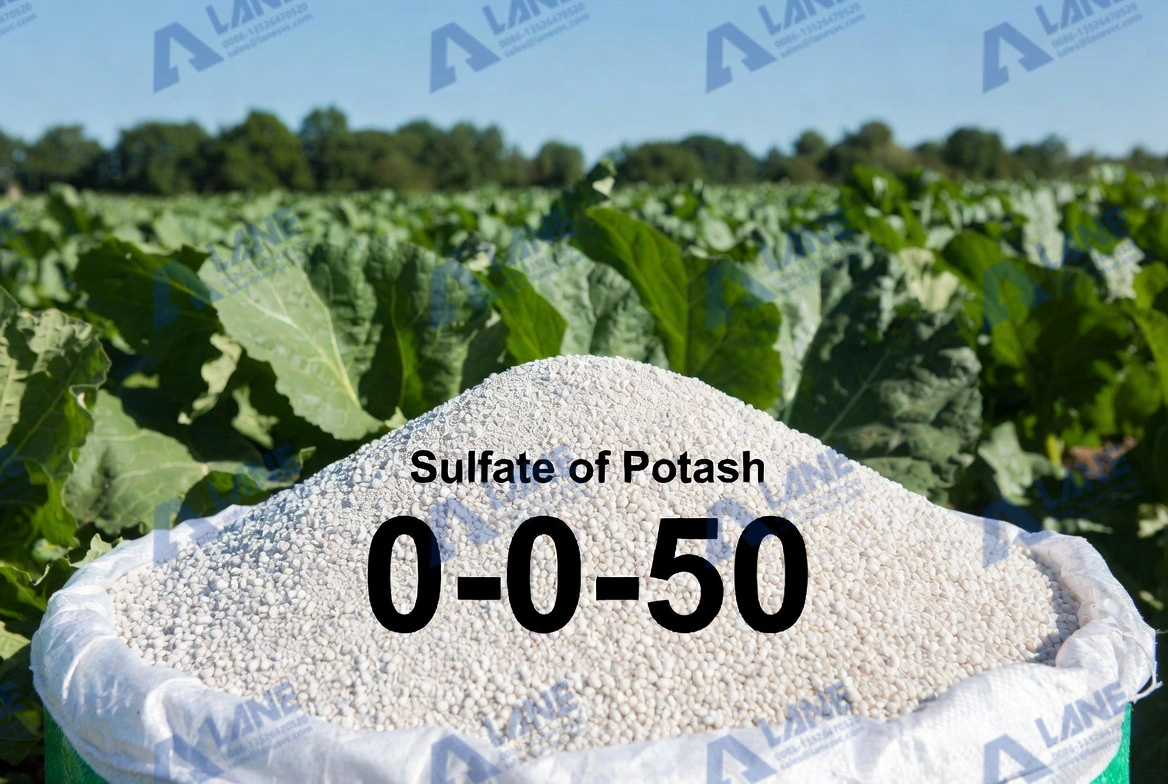
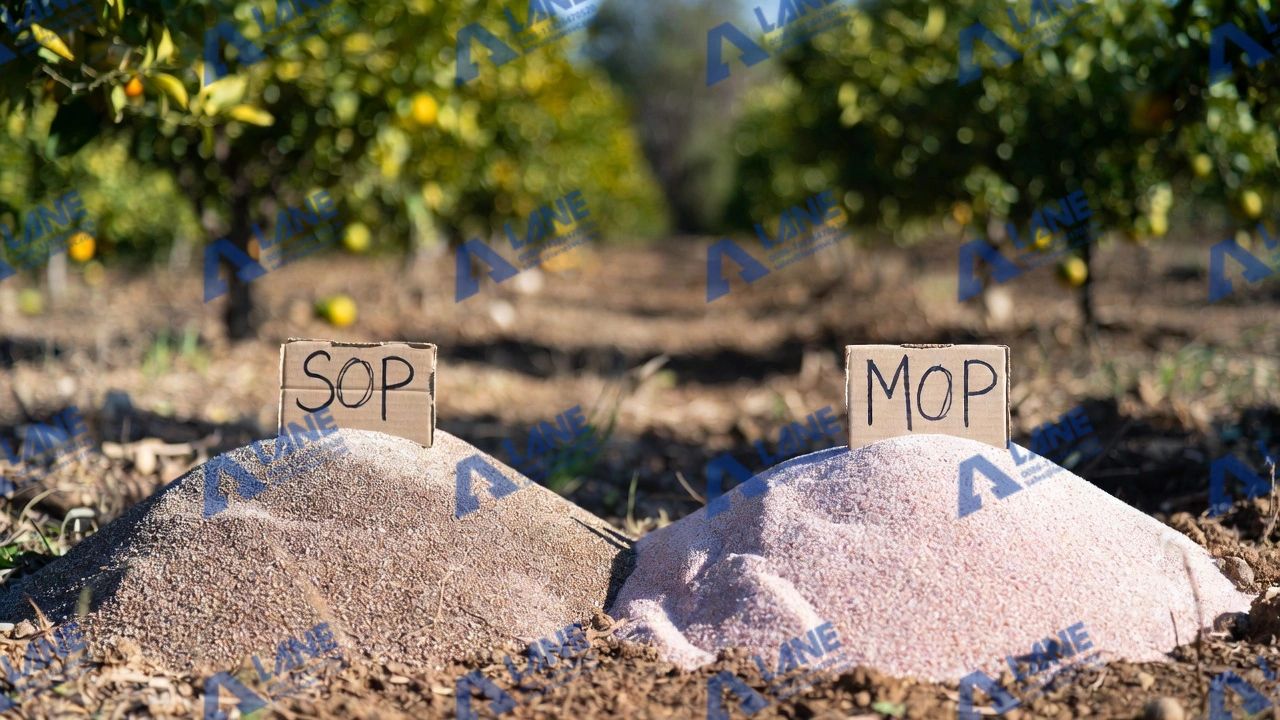
SOP fertilizer is a premium fertilizer which is popular for its chloride-free composition and dual nutrient value. Sulfate of Potash (SOP) fertilizer provides both potassium and sulfur in the sulfate form without introducing harmful chloride ions. This makes them ideal for high-value crops and sensitive soils. However, the effectiveness of SOP fertilizer heavily depends on SOP fertilizer coatings, which control nutrient release, prevent caking, and enhance stability during storage and application. The efficiency of SOP largely depends on the way it is delivered to plants. This makes advanced coating technologies a critical area of research and application.
As the technology for agriculture advances, SOP fertilizer coatings have evolved significantly, with polymer, resin, and biodegradable technologies leading the innovation. This article explores the most prominent SOP fertilizer coatings, including polymer, resin, sulfur, and biodegradable options, with a focus on their performance, environmental impact, and production possibilities using equipment from LANE Heavy Industry.
Overview of SOP Fertilizer Coatings
SOP fertilizer coatings play a crucial role in controlled-release fertilizer. It allows gradual supply of nutrients and some coatings reduce leaching, and improve crop uptake. These coatings can be categorized into several types: polymer-based coatings, sulfur-based coatings, composite coatings, biodegradable coatings, waxy coatings, and inorganic mineral coatings. Each type offers different advantages and limitations depending on the target crop, regional climate, and agricultural practice.
- Polymer-Based SOP Fertilizer Coatings
Polymer-based coatings are among the most advanced options for controlled-release fertilizers. Polyurethane (PU) is currently the most used high-end coating material in the world. PU coatings are known for nutrient release control, excellent resistance to weather conditions, and compatibility with diverse soil types. Polyurethane (PU) coatings are widely adopted in North America, Europe, Asia, and the Middle East, where high-value crops demand efficient nutrient management.
Another significant polymer-based option is polyolefin resin, which includes PE (polyethylene), PP (polypropylene), and EVA (ethylene-vinyl acetate). These thermoplastic resins provide stable pore formation and ensure a long-lasting slow release of nutrients. Polyolefin-coated SOP fertilizers are popular for lawns and forestry applications in Asia, Japan, Australia, and Europe due to their durability and predictable release patterns.
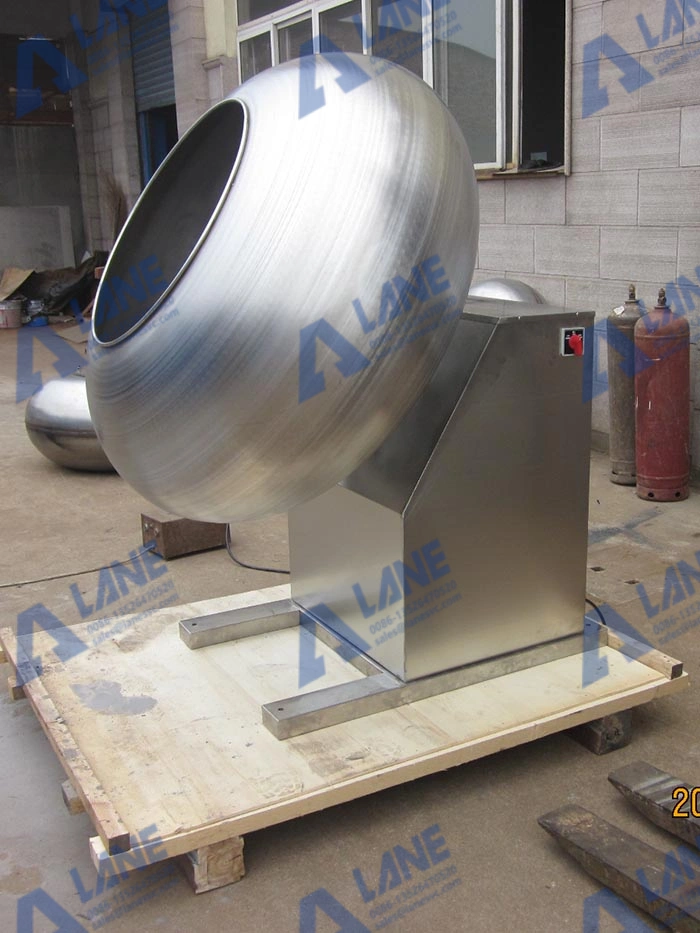
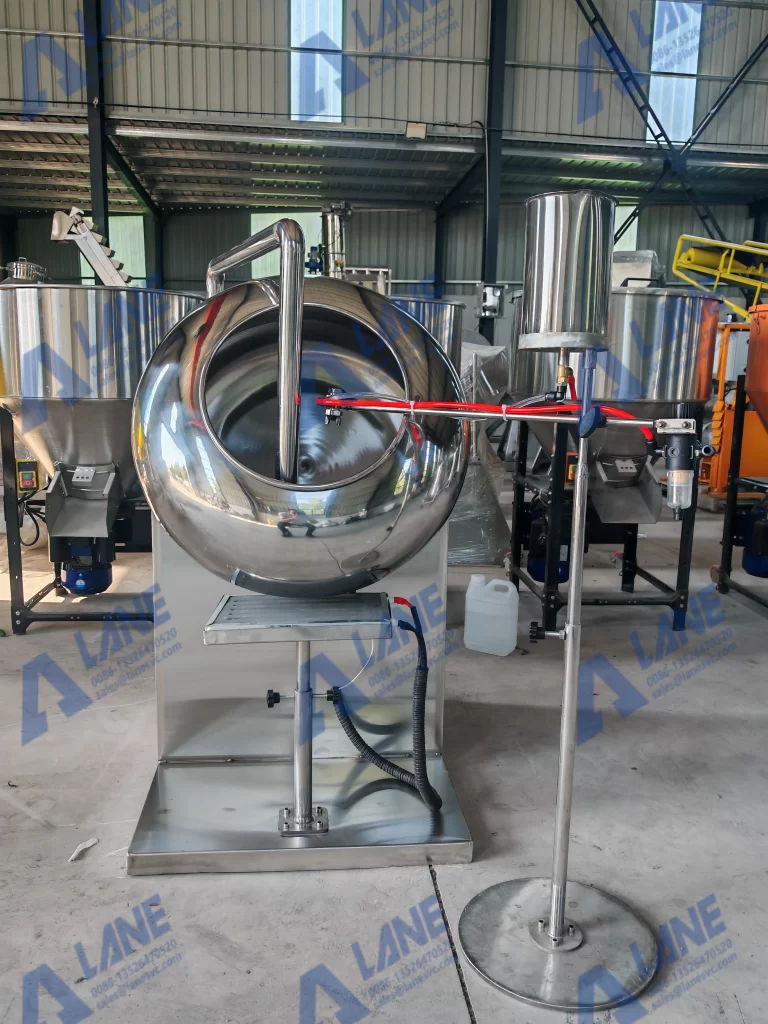
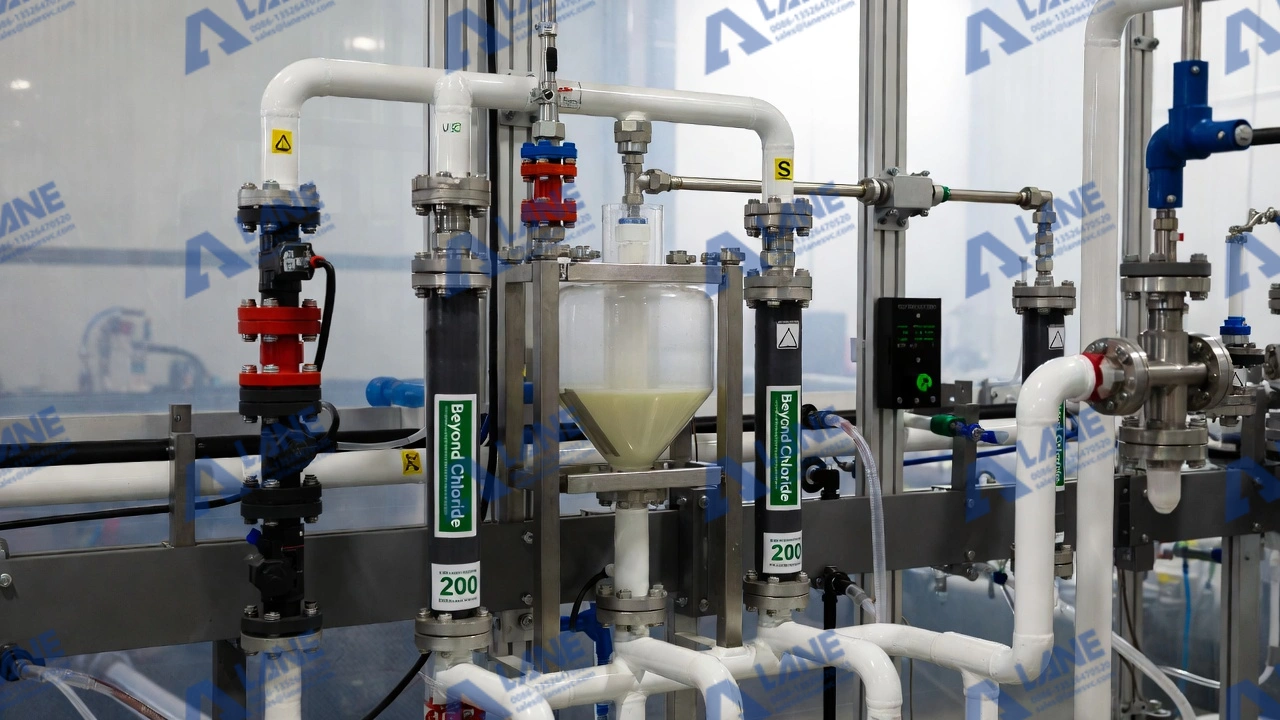
LANE Heavy Industry’s coating reactor and rotary coating drum are equipped to handle these polymer coatings efficiently. Our equipment offers precise extrusion and spraying systems that ensure uniform coating thickness, critical for consistent nutrient release.
- Sulfur-Based SOP Fertilizer Coatings
Sulfur (S) coatings are classic low-cost options for NPK fertilizers. These coatings are primarily used in field crops. Sulfur coatings are prevalent in North America, Australia, Africa, and parts of Asia. Sulfur coating is often combined with paraffin sealing. Sulfur coatings provide a protective layer that delays nutrient release while improving fertilizer flowability.
A notable advancement in coating technology is the sulfur-polymer composite coating technique. This technique combines an inner sulfur layer with an outer polymer layer. This hybrid approach balances cost-effectiveness with controlled release performance and is widely used in North America and Australia. Our coating reactors and coating machines are designed to handle both sulfur and composite coatings by integrating melting, spraying, and cooling modules that maintain coating integrity and optimize release profiles.
- Biodegradable SOP Fertilizer Coatings
As sustainable agriculture becomes important, biodegradable coatings have gained attention in organic farming. These coatings are based on biological materials such as modified starch, lignin, and plant oil-based resins. These coatings break down naturally in the soil without leaving any residues and are promoted in Europe and North America.
Biodegradable coatings offer the dual advantage of controlled nutrient release and environmental safety. SOP fertilizers with biodegradable coatings are ideal for high-value organic crops where conventional polymer or sulfur coatings may conflict with organic certification standards.
- Waxy and Inorganic Coatings
Waxy coatings, including paraffin, plant wax, and rosin, are commonly used for short-term slow-release and anti-caking purposes. These coatings are prevalent in organic farming practices across Asia and Europe. They offer lower-cost alternatives for minor slow-release needs but are less effective for long-term nutrient management compared to polymer-based coatings.
Inorganic mineral coatings, such as phosphate and silicate, are designed to resist salt and high temperatures. They are suitable for arid and drip irrigation systems in the Middle East. These coatings provide structural stability in challenging environments but are less flexible in controlled-release precision compared to polymer coatings.

Advantages of SOP Fertilizer Coatings
SOP fertilizer coatings provide several advantages that make them a core part of modern agriculture.
- Controlled Nutrient Release: Coating regulates nutrient availability according to crop demand and reduces losses due to leaching or volatilization.
- Enhanced Crop Yield: Consistent nutrient supply improves crop growth, quality, and yield.
- Environmental Protection: Controlled-release coatings reduce nutrient runoff. This protects water sources.
- Flexibility: Different coatings can be tailored for crops, climates, and soil conditions.
LANE Heavy Industry’s Role in SOP Fertilizer Coatings
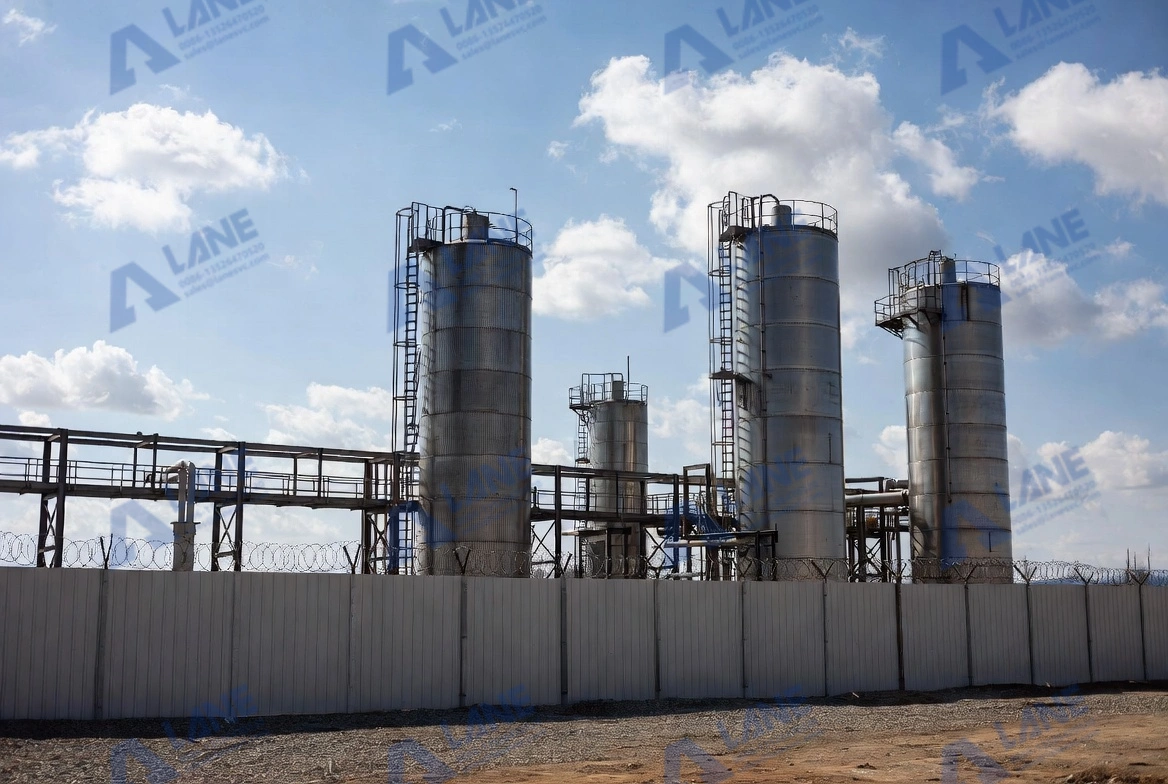
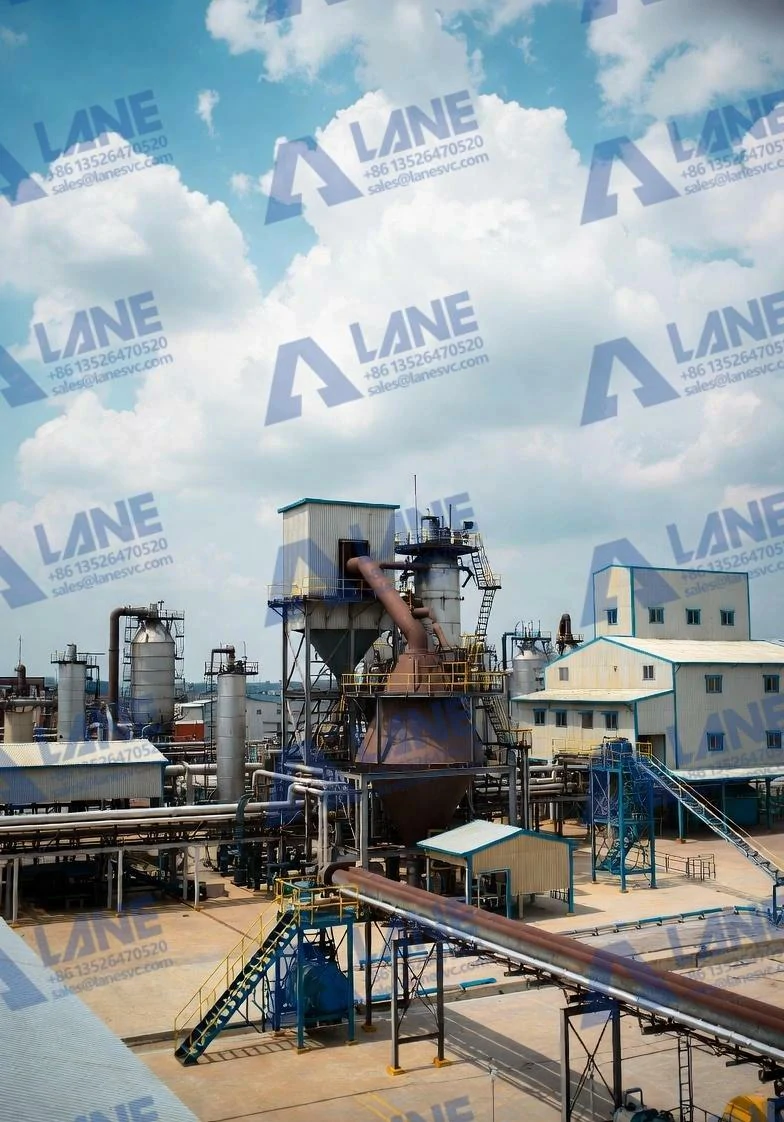
The production of coated SOP and NPK fertilizers requires advanced machinery capable of handling the raw coating materials. LANE Heavy Industry’s fertilizer production lines are designed and engineered to meet these challenges. Features include:
- Multi-layer coating systems: This allows precise application of polymer, sulfur, or composite coatings in layers.
- Temperature and humidity control: Essential for waxy and biodegradable coatings.
- Continuous mixing and extrusion systems: Ensure uniform particle size and coating thickness.
- Energy-efficient drying and cooling modules: Preserve coating integrity while reducing production costs.
These systems make it possible for fertilizer manufacturers to produce high-quality SOP fertilizer coatings efficiently and at scale.
Challenges and Future Directions
Despite advances, SOP fertilizer coatings face ongoing challenges:
- Cost vs. Performance: High-end polymer coatings like PU are effective but costly, while sulfur coatings are inexpensive but less precise. This makes cost a major concern when producing.
- Environmental Considerations: Biodegradable coatings are promising but may have shorter shelf-life and require precise handling. An on-site coating system gives farmers the ability to control nutrient release.
- Climate Adaptation: Coatings must perform under varying temperature, humidity, and irrigation conditions.
Future research is likely to focus on hybrid coatings and organic coatings that combine polymers, biopolymers, and mineral materials to achieve cost-effective, environmentally friendly, and long-lasting controlled-release SOP fertilizers and NPK fertilizers.
Conclusion
The landscape of SOP fertilizer coatings is defined by a diverse matrix of materials tailored to specific crops, climates, and regulatory environments. It is a cornerstone of modern nutrient management. From high-end polyurethane to biodegradable coatings, each material offers unique benefits and applications. From the precision of polyurethane SOP fertilizer coatings in global horticulture to the cost-effective sulfur SOP fertilizer coatings in Australian wheat belts and the emerging bio-based SOP fertilizer coatings in European organics, the coating industry is moving forward toward intelligent nutrient management. With LANE Heavy Industry’s advanced production lines, manufacturers can achieve precise, consistent, and scalable coating processes that enhance crop yield, reduce environmental impact, and meet diverse agricultural needs.
FAQ
Q1: What are SOP fertilizer coatings?
A1: SOP fertilizer coatings are protective layers applied to sulfate of potash fertilizers to control nutrient release, reduce leaching, and improve crop efficiency.
Q2: Which SOP fertilizer coating is best for long-term nutrient release?
A2: Polyurethane (PU) and polyolefin resin coatings are most suitable for long-term, precise controlled release.
Q3: Are biodegradable coatings effective for organic farming?
A3: Yes, biodegradable coatings based on starch, lignin, or plant oils are environmentally friendly and leave no residues, making them ideal for organic crops.
Q4: Can sulfur coatings be combined with polymers?
A4: Yes, sulfur-polymer composite coatings combine cost-effectiveness with controlled-release performance.
Of course, we also offer other types of products for your different needs, you can click to view.
For more information, please contact us by sending an inquiry today! We can help you!



Write a Reply or Comment