
MOP Fertilizer Granulation Plant for Oilseed Crops: Production & Business Guide
Introduction: The Growing Importance of MOP for Oilseed Crops
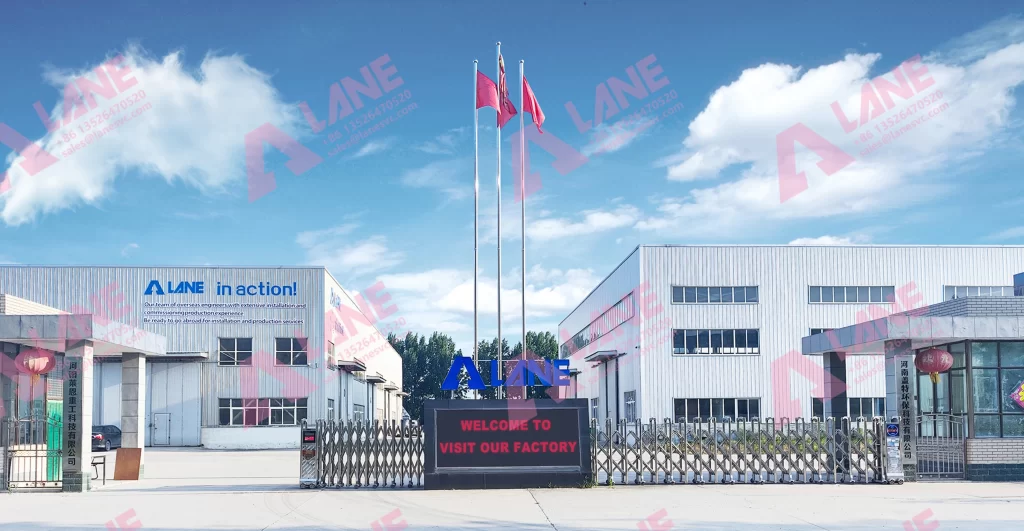
Oilseed crops like canola, sunflower, and soybean are critical for global edible oil production. They are heavy feeders that require significant potassium for their oil content and seed strength. The most common and cheap source of potassium is Muriate of Potash (MOP), chemically known as potassium chloride. It contains around 60–62% potassium and plays a role in soil seed development by facilitating photosynthesis, enzyme activation, and water retention during growth stages. A well-designed MOP fertilizer granulation plant for oilseed crops unlocks business opportunity and ensures consistent high-quality fertilizer production.
Global potash demand for agricultural applications is projected to increase approximately 4.5–5.3% annually through the early 2030s. For investors and enterprises who want to tap into this growing opportunity, LANE Heavy Industry has developed a well-designed MOP fertilizer granulation plant for oilseed crops which ensures consistent, high-quality fertilizer production but also unlocks significant business opportunities.
Production Technology: LANE Heavy Industry’s Complete Granulation Solution
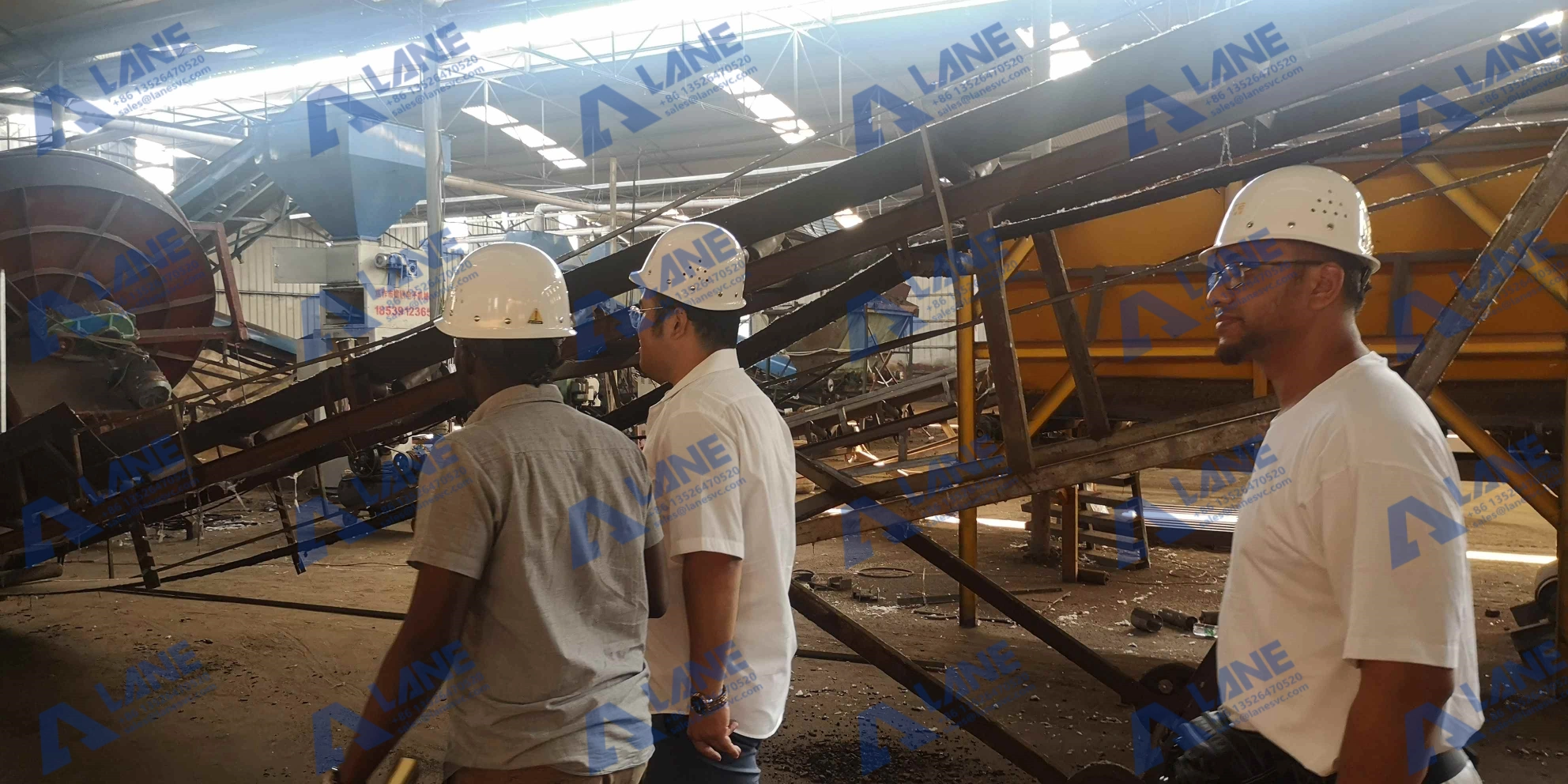
Henan LANE Heavy Industry Machinery Technology Co., Ltd. is a market leader in fertilizer production equipment technology. We have over 20 years of experience in heavy industry machinery manufacturing. We serve as a machinery supplier for Africa’s national fertilizer projects with annual outputs of 100,000 tons. This demonstrates our capability to deliver large-scale solutions.
Key Components of the Production Line
A complete MOP fertilizer granulation plant for oilseed crops from LANE Heavy Industry encompasses eight essential processing stages:
- Raw Material Crushing: Our crusher reduces the size of potassium chloride and other nutrients and micronutrients.
- Mixing and Blending: Our Horizontal mixer or double shaft mixer blends the raw materials into precise formulations for consistent nutrient content.
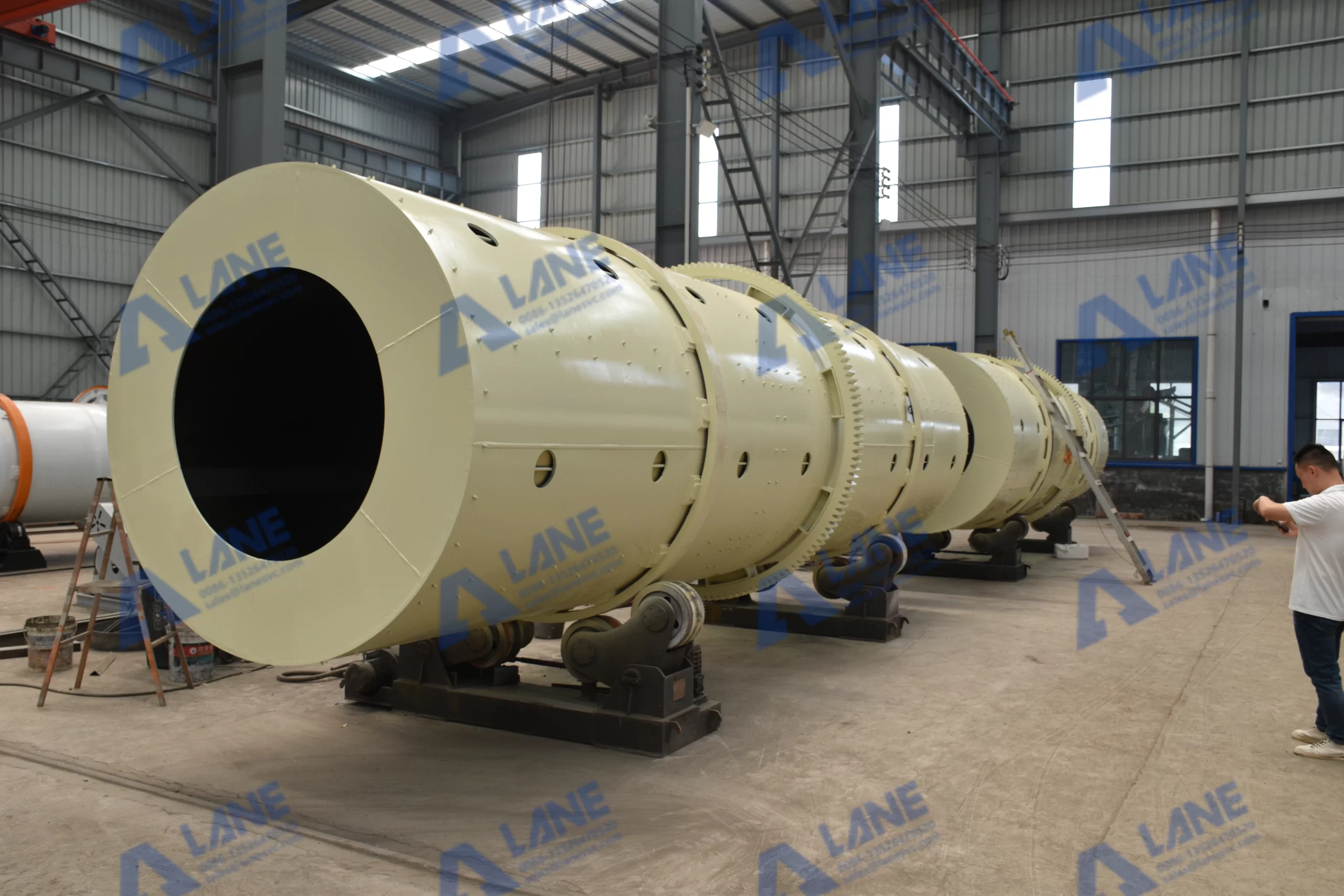
- Granulation: It is the core process where powders transform into uniform granules.
- Drying: After the wet granulation process, the moisture needs to be reduced to 1–2% for optimal storage and to avoid caking. Our rotary dryer reduces moisture to ensure product stability.
- Cooling: After drying, the granules are cooled with ambient air in our Rotary cooler for storage readiness.
- Screening and Polishing: The screening machine separates on-size granules from oversized granules and fines. The polishing machine polishes the granules into a round shape.
- Coating: The granules are sent to a Rotary coating machine. This applies anti-caking treatment for improved handling.
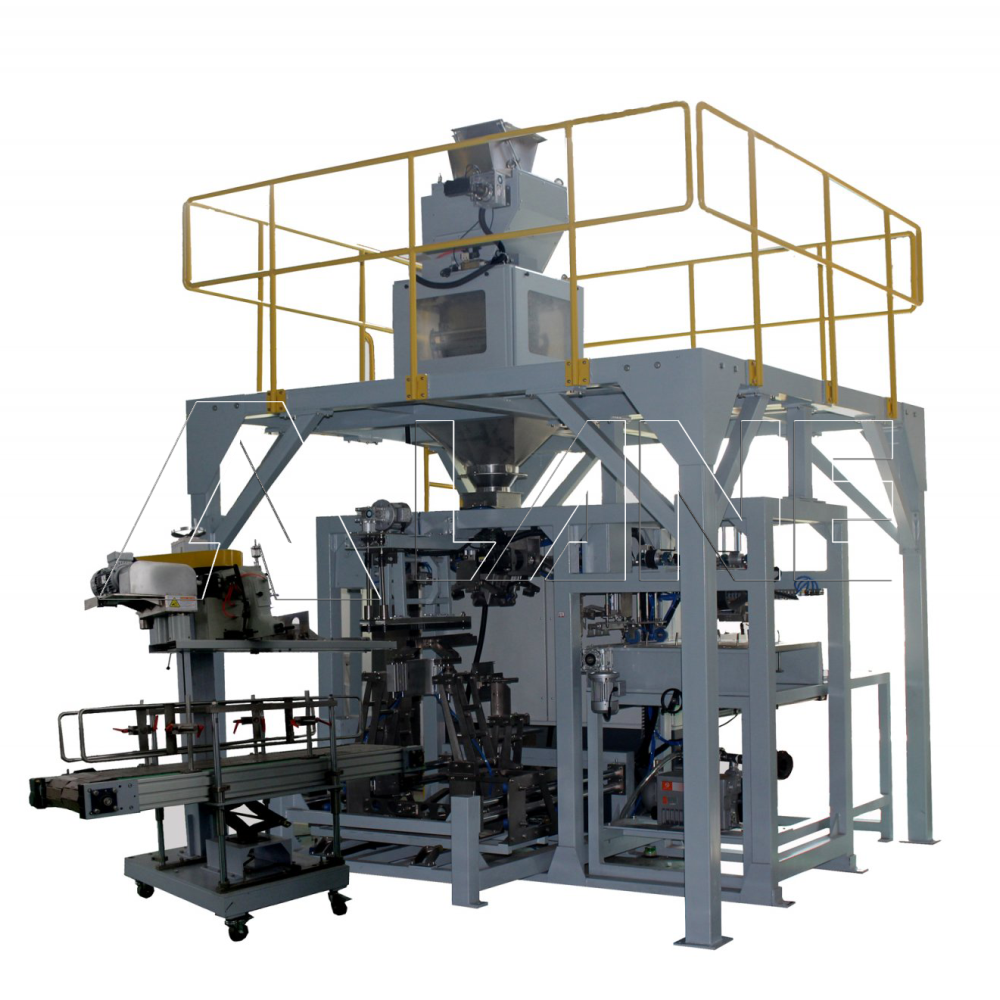
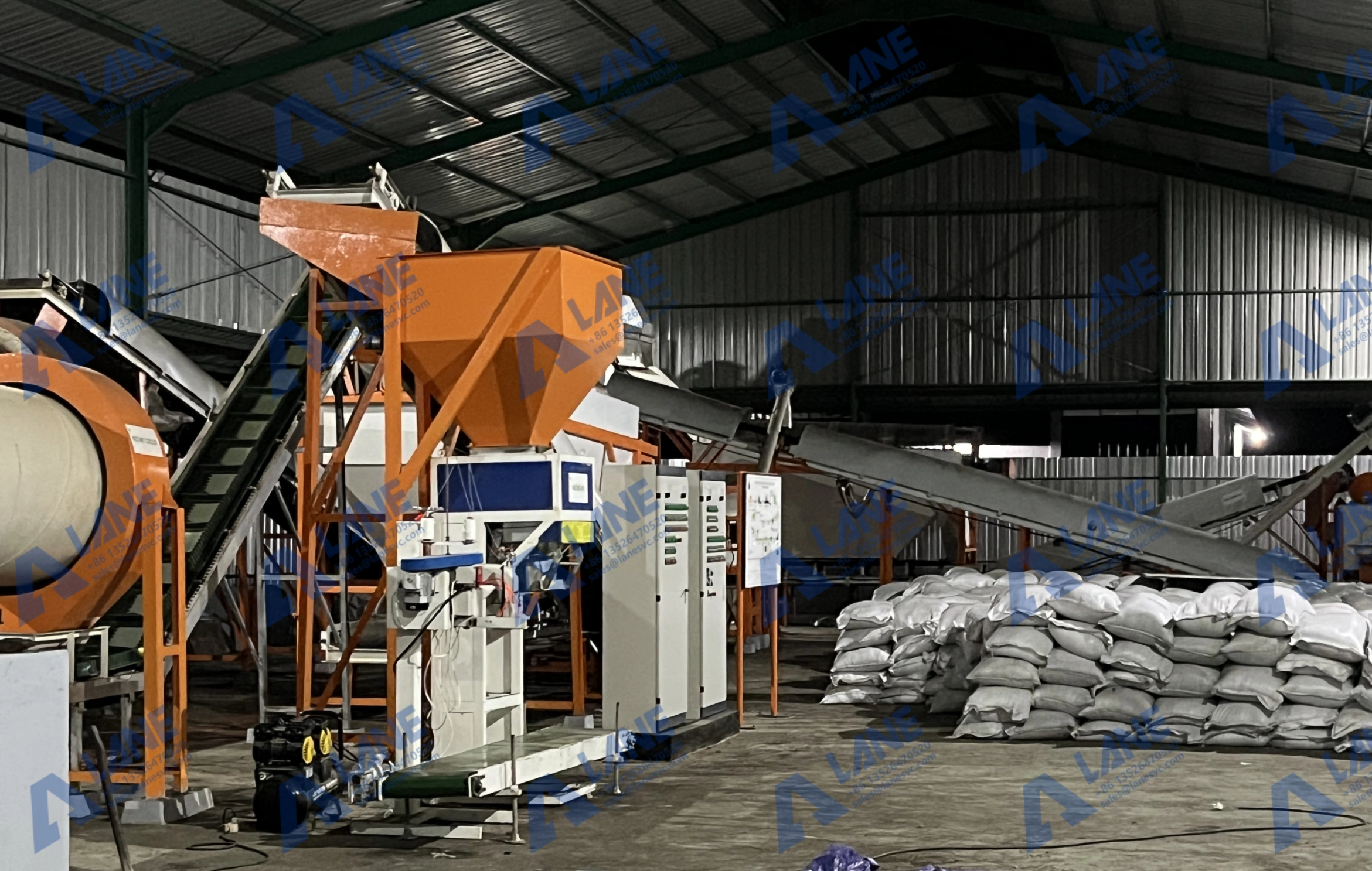
- Automatic Packaging: The final step is automatic packaging. The granules are weighed and bagged for distribution.
Advanced Granulation Technology
LANE’s MOP fertilizer granulation plant for oilseed crops utilizes double roller granulator technology for dry granulation and, for larger capacity, utilizes Rotary Drum granulator. Our dry granulator offers some distinct advantages over traditional wet granulation methods. Double roller granulator eliminates the need for water or heat. You can operate through pure mechanical pressure to transform fertilizer powders into dense, uniform granules. The dry process also consumes approximately 50% less power than conventional wet granulation methods, contributing to lower operational costs.
Technical Specifications and Capacity Options
LANE’s equipment for a MOP fertilizer granulation plant for oilseed crops offers flexible capacity ranging from 1 ton per hour to 30 tons per hour. Each of our systems is constructed with stainless steel components and backed by a 5-year warranty. Key specifications include:
| PARAMETER | SPECIFICATION |
| AFTER-SALES SERVICE | Remote Video Guidance |
| WARRANTY | 5 Years |
| GRANULATOR TYPE | Rotary Drum / Double Roller Granulator |
| MATERIAL | Stainless Steel / Carbon Steel |
| CERTIFICATION | CE |
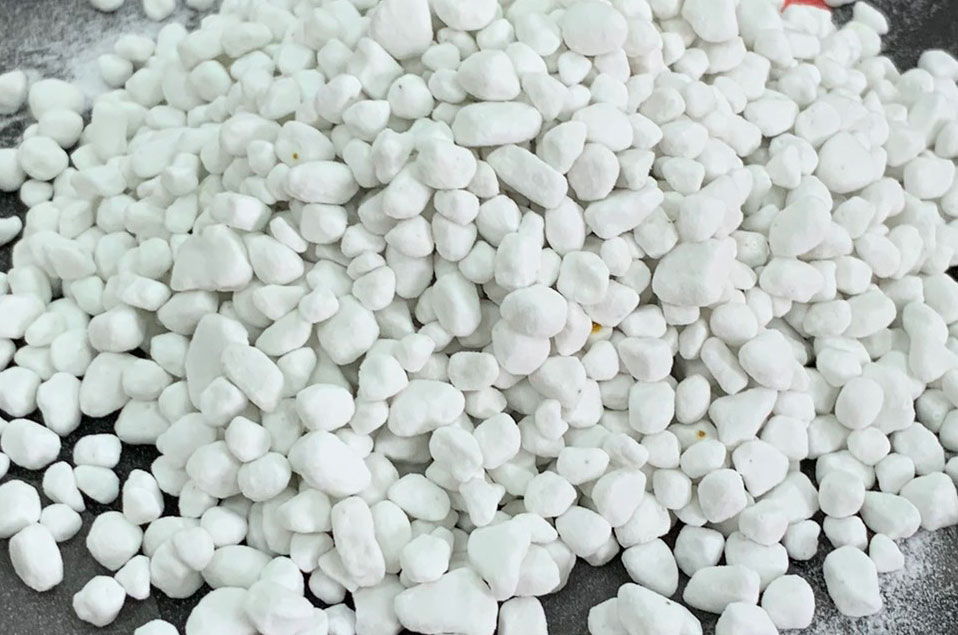
| GRANULE SIZE OUTPUT | 2–4mm (standard) |
| GRANULE HARDNESS | >38N |
Business Case: Why Invest in a MOP Fertilizer Granulation Plant for Oilseed Crops?
Market Demand Drivers
The business case for a MOP fertilizer granulation plant for oilseed crops rests on several market trends:
- Rising Oilseed Cultivation:Oilseeds are in high demand globally. Production is expected to continue to rise in the upcoming decades. With growing demand for vegetable oils, biofuels, and protein meal, growers are using a significant amount of potassium fertilizer.
- Potassium Criticality:Potassium must be supplied through fertilizer application. MOP remains the most cost-effective potassium source for oilseed production.
- Supply Chain Regionalization:Wars and geopolitical disruptions have disrupted the supply chain around the world. This is creating opportunities for new MOP fertilizer granulation plant for oilseed crops investments.
LANE’s Competitive Advantages
- Energy Efficiency: Decades of experience and an expert R&D team has allowed LANE to create equipment that consumes minimal energy to run. We help manufacturers reduce operating costs while maintaining product quality.
- Consistent Product Quality:Our advanced screening and granulation systems ensure uniform particle size, typically 2–4mm granules are produced by our granulation system. This translates to even distribution of nutrients. This consistency directly impacts field-level effectiveness.
- Customizable Formulations:A MOP fertilizer granulation plant for oilseed crops from LANE allows producers to create their own customized formulations. Producers can mix potassium chloride with other nutrients or additives to address specific soil conditions or crop requirements.

Investment and ROI Considerations
A typical MOP fertilizer granulation plant for oilseed crops with 5–10 tons per hour capacity represents a significant but manageable capital investment.
Key financial considerations for investors include:
- Operational Cost Savings: Our energy-efficient dry granulator reduces power consumption by up to 50% compared to wet processes.
- Product Premium Pricing: Granular MOP commands higher prices than powdered product. Granules have superior storability, handling, and application benefits.
- Regional Market Access: Establishing a local MOP fertilizer granulation plant for oilseed crops can capture local premium markets.
- Scalability: LANE’s modular designs allow market capacity expansion as market demand grows.
Process Optimization
For a MOP fertilizer granulation plant for oilseed crops to operate at peak efficiency, attention to screening and classification processes is essential. Upgrading screening equipment can yield capacity improvements of 20–30%, with investment payback periods often under one year when additional throughput is fully utilized.
Quality Control Parameters
A successful MOP fertilizer granulation plant must produce consistent granules that meet production quality standards:
- Particle Size Distribution:90%+ within the target 2–4mm range
- Granule Hardness: Minimum 30N resistance to maintain integrity during handling
- Moisture Content: Below 3% to prevent caking during storage
- Chemical Uniformity: Consistent K₂O content across all production batches
Maintenance Considerations
LANE’s equipment for a MOP fertilizer granulation plant for oilseed crops incorporates design features that simplify ongoing maintenance:
- Corrosion-resistant stainless-steel construction reduces wear from potassium chloride’s corrosive properties
- We provide extensive after-sales service, training, video guides, and online guidance.
- Our modular components allow for targeted repairs without complete system shutdown.
Frequently Asked Questions (FAQ)
Q1: What is the minimum capacity for a MOP fertilizer granulation plant for Oilseed Crops?
LANE offers systems starting from 1 ton per hour, suitable for small-scale operations or pilot facilities. For commercial production, 5-10 tons per hour represents the most common entry point.
Q2: What raw materials does a MOP fertilizer granulation plant for Oilseed Crops require?
The primary raw material is potassium chloride (KCl) with a purity suitable for fertilizer production. Additional inputs may include anti-caking agents for coating and optional micronutrients for specialized formulations.
Q3: Can a MOP fertilizer granulation plant for Oilseed Crops produce other fertilizer types?
Yes. The same equipment can be adapted to produce NPK compound fertilizers, SOP (sulfate of potash), and other potassium-based fertilizers by adjusting raw material inputs and formulation ratios.
Q4: What certifications does LANE’s MOP fertilizer granulation plant for Oilseed Crops hold?
LANE’s production lines are CE certified, with optional SGS and ISO 9001 certification available for export markets requiring additional compliance documentation
Of course, we also offer other types of products for your different needs, you can click to view.
For more information, please contact us by sending an inquiry today! We can help you!



Write a Reply or Comment