
Muriate of Potash Production Plant for Export: Powering Your International Agricultural Supply Chain
Introduction
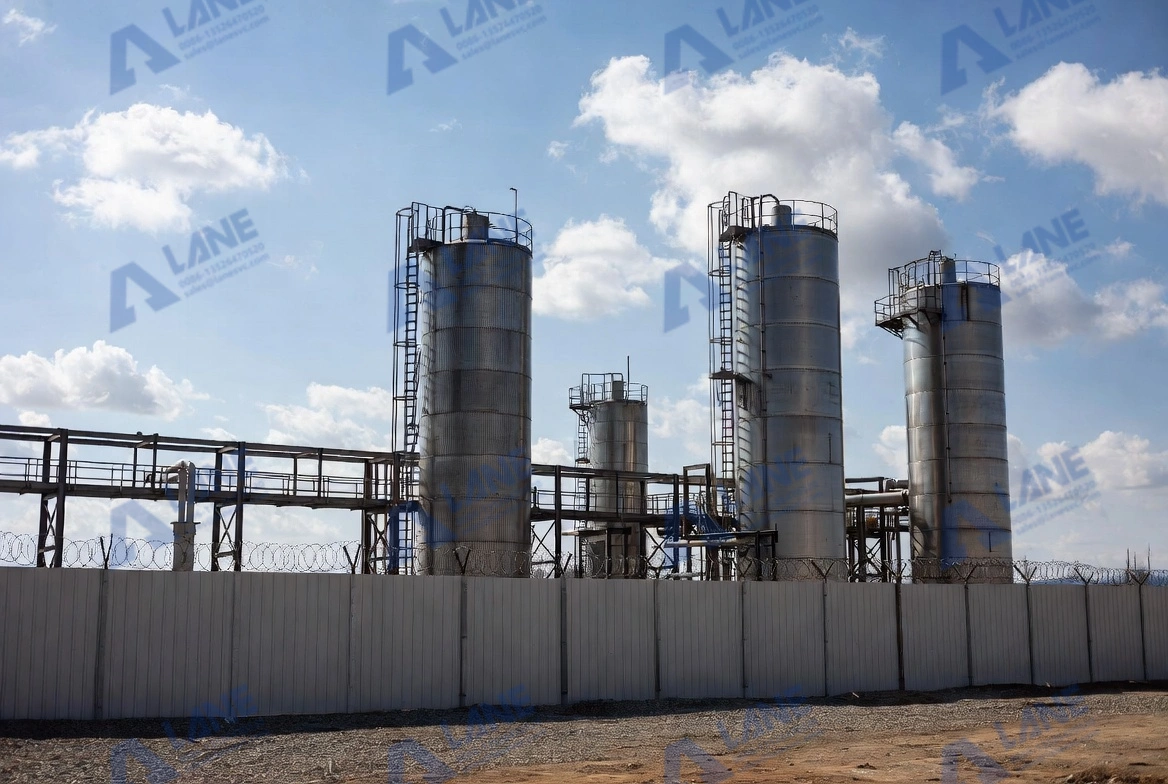
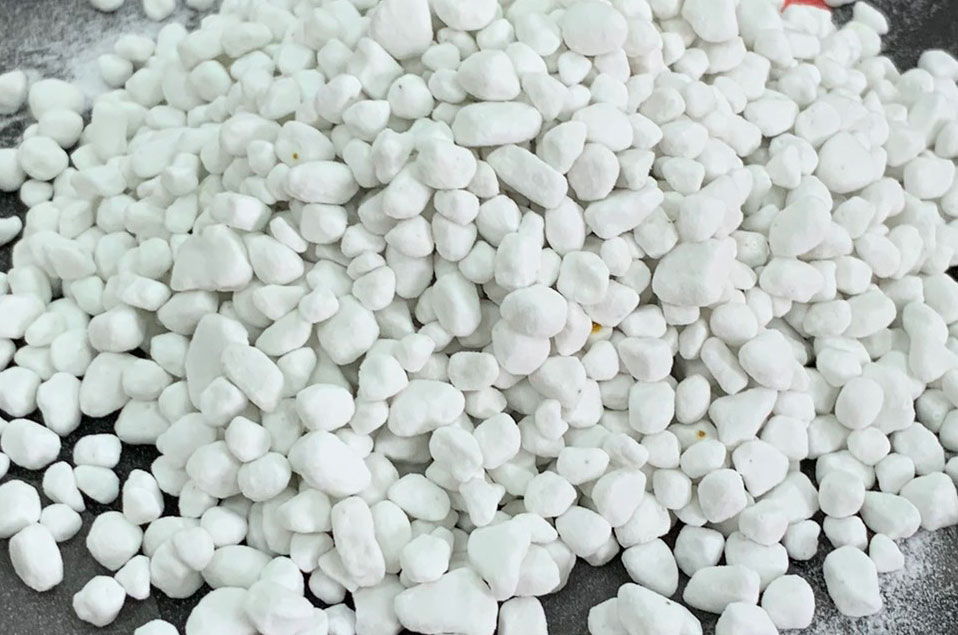
In modern agriculture, nutrient management determines crop yield and quality. Potassium is one of the essentials for crop growth, disease resistance, and soil fertility. Among the potassium fertilizers, Muriate of Potash (MOP), chemically known as potassium chloride (KCl), is one of the most widely used worldwide because of its high potassium content (60–62%) and price. Setting up a Muriate of Potash production plant for export will allow you to export the fertilizer to lucrative international markets and will ensure your contribution to global food security.
Demand for high-quality MOP fertilizer has increased worldwide. A reliable Muriate of Potash production plant for export can help investors and agribusinesses tap into this growing market. LANE Heavy Industry, a leading provider of advanced machinery for fertilizer production, offers a complete solution for establishing a Muriate of Potash production plant for export.
Why Invest in a Muriate of Potash Production Plant for Export?
The global market for fertilizer is increasing and potassium-based fertilizers are in high demand. Countries with limited domestic potash resources rely heavily on imports. This creates a stable international demand for high-quality MOP. By establishing a Muriate of Potash production plant for export, businesses can capitalize on this opportunity while securing long-term profitability.
Key Advantages of a Muriate of Potash Production Plant for Export:
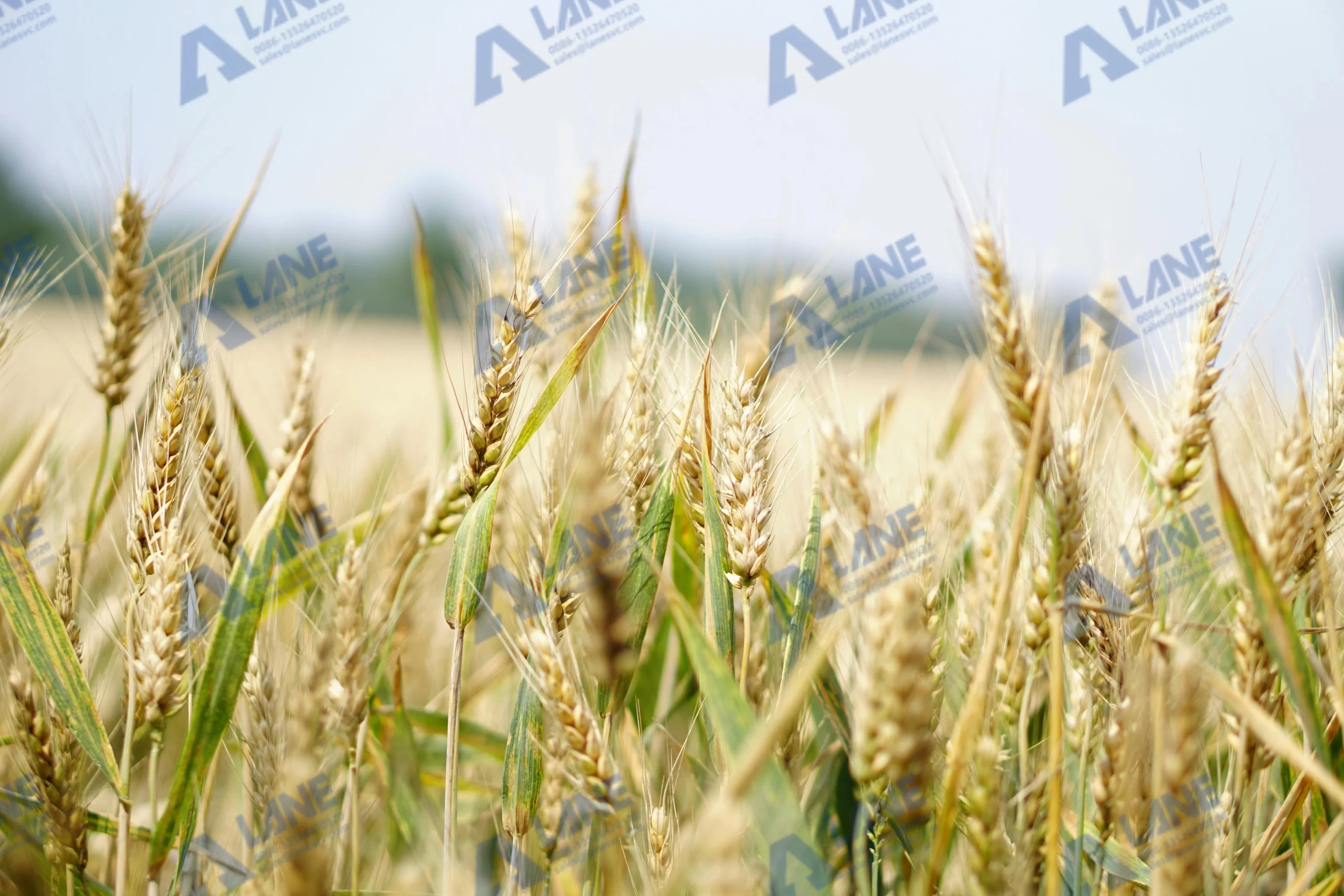
- High Market Demand: Potassium is essential for major crops like wheat, rice, corn, and vegetables. As the most common and cheap potassium source, the demand for Muriate of Potash will continue to rise.
- Stable Revenue Source: Exporting MOP ensures a continuous income stream. In recent years many countries have faced domestic supply shortages. The supply of MOP is lower than the demand.
- Boosted Supply Chain Efficiency: Producing MOP locally and exporting reduces dependency on third-party suppliers and strengthens supply chain reliability.
- Sustainable and Scalable Production: Modern production technologies allow plants to adjust output based on market demand without compromising quality.
LANE Heavy Industry Machinery: The Backbone of Your Production Plant
LANE Heavy Industry provides comprehensive machinery solutions tailored for Muriate of Potash production. Our production line integrates advanced technology and automation, ensuring high efficiency, minimal energy consumption, and consistent product quality.
Key Components of the Muriate of Potash Production Line:
- Crushing and Grinding Equipment: Potassium ore is crushed and ground into fine particles with our jaw crusher and impact crusher. This improves the efficiency of subsequent processes.
- Beneficiation: LANE designs flotation processes for Sylvinite, Thermal Dissolution-Crystallization for high-magnesium/carnallite ores, and Heavy Media Separation (HMS) for langbeinite ores and high-density gangue separation. This is the most critical stage for the purity of MOP.
- Mixing and Blending Systems: This is essential for creating your own custom MOP blends. You can add nutrients and micronutrients to create your own MOP production line.
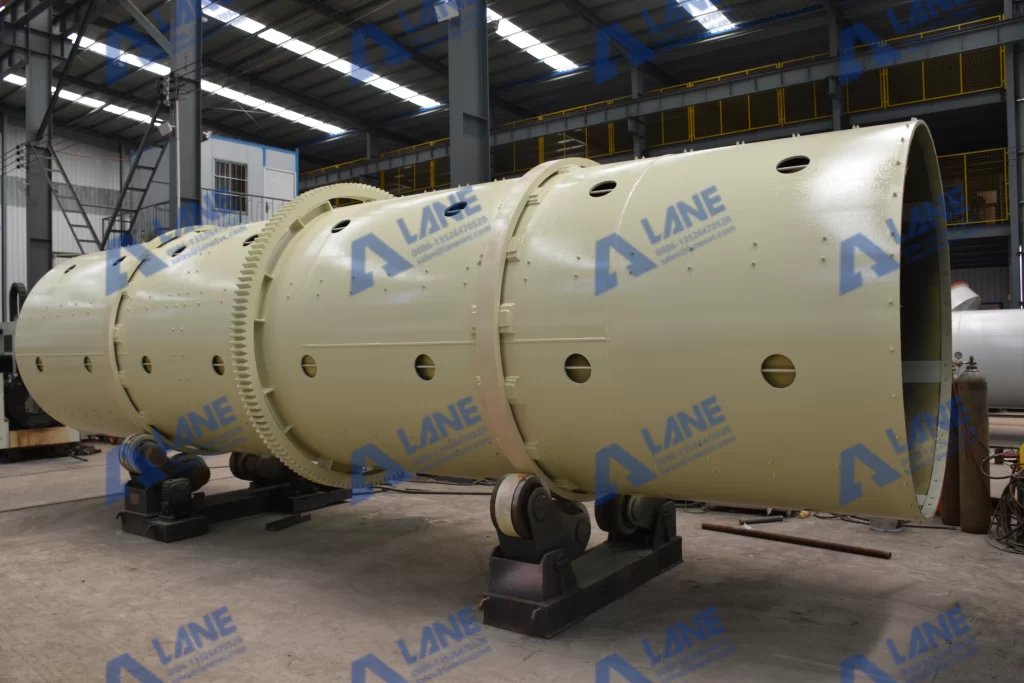
- Granulation Machines: Granulation machines transform blended MOP into granules which are suitable for handling, storage, and transport.
- Drying and Cooling Units: After the wet granulation process, granules are dried and cooled to ensure stability, prevent caking, and meet international quality requirements.
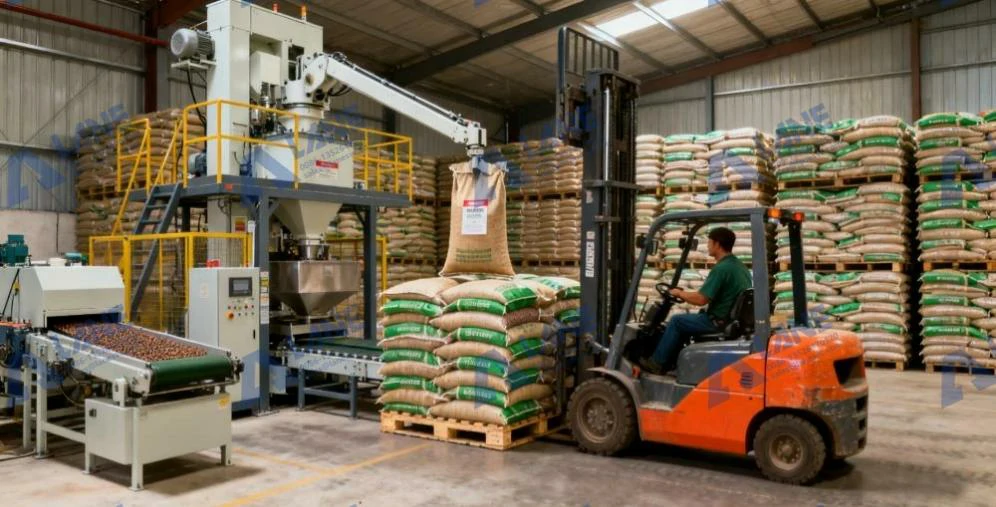
- Screening and Packing Equipment: An automatic screening machine ensures uniform particle size. Packing machines prepare the product for export with minimal manual intervention.
LANE Heavy Industry engineers the design to optimize every step of the Muriate of Potash production plant for export. This makes our design and machines reliable for businesses aiming for global markets.
The Production Process
The Muriate of Potash production plant for export follows a precise, multi-step process that ensures high-quality output:
- Ore Preparation: Potassium ore is mined and transported to the crushing unit.
- Crushing and Grinding: The ore is broken down into fine particles for efficient processing.
- Beneficiation: The ore is processed and impurities are removed in this stage.
- Mixing: Raw materials are blended to achieve the custom formulation and ideal concentration.
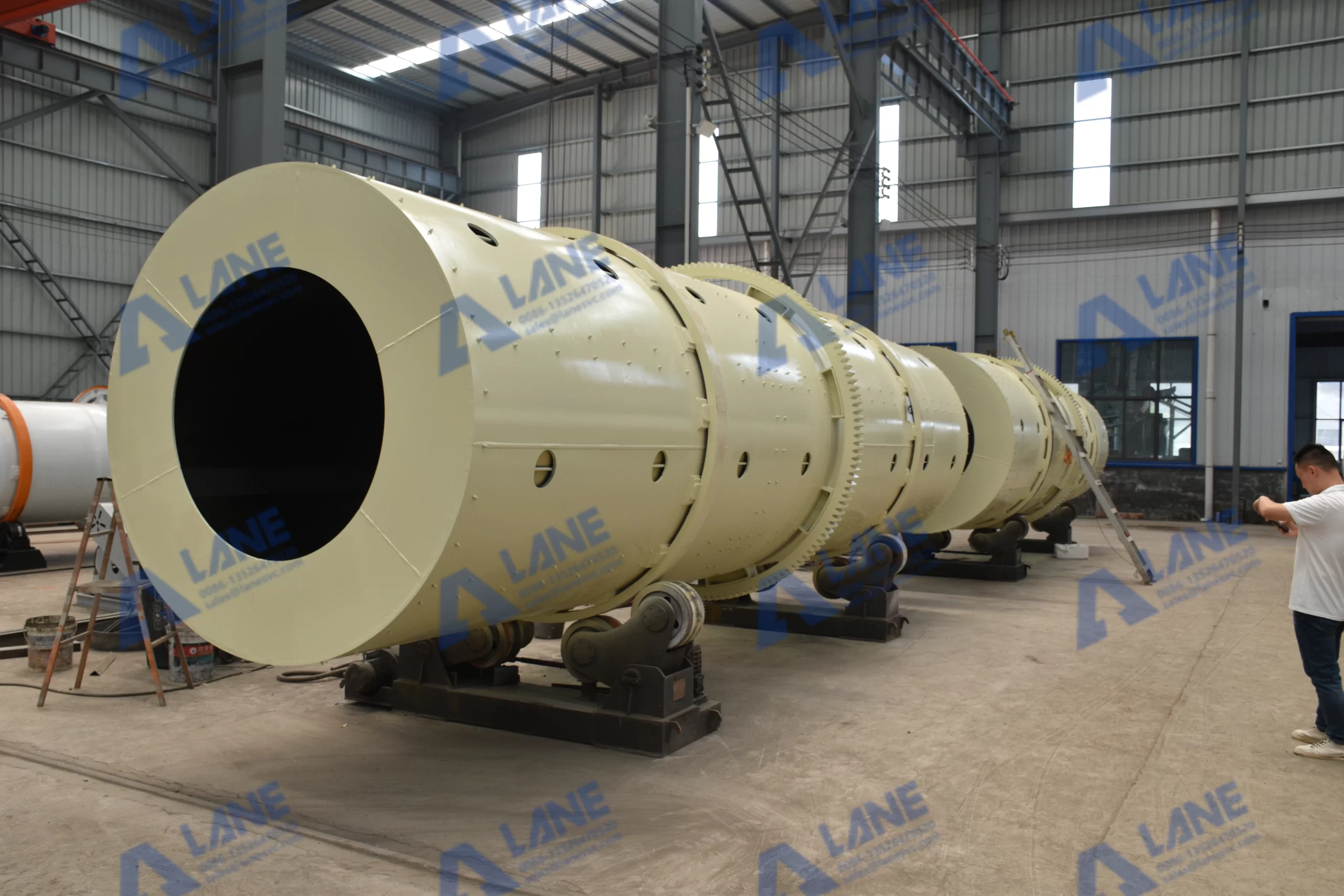
- Granulation: The mixture is transformed into granules using rotary drum or double roller granulators.
- Drying and Cooling: Granules are dried to remove moisture and cooled to maintain stability.
- Screening: Oversized or undersized particles are separated to ensure uniform granule size.
- Packing: Finished MOP is packed in bags or bulk containers ready for international shipping.
This streamlined process from us ensures that our Muriate of Potash production plant for export can consistently deliver high-quality fertilizer that meets global standards.
Benefits of Export-Oriented Production
Exporting Muriate of Potash comes with multiple advantages:
- Access to Growing Markets: Many emerging economies with increased food demands rely heavily on imported potassium fertilizers.
- Premium Pricing: High-quality MOP suitable for export commands better prices compared to domestic markets.
- Brand Recognition: When you supply international customers, your brand reputation will increase. This enhances brand credibility and long-term market positioning.
- Economic Growth: Export-oriented production supports local employment and contributes to national economic development.
Choosing the Right Location for Your Muriate of Potash Production Plant for Export
Location is one of the most crucial elements for the success of your business. For an ideal location you must consider:
- Proximity to Potassium Ore Sources: Reduces transportation costs for raw materials.
- Access to Ports or International Shipping Routes: Facilitates efficient export logistics.
- Infrastructure Availability: Reliable electricity, water supply, and transportation networks are crucial.
- Government Policies: Tax incentives, export regulations, and environmental compliance impact profitability.
LANE Heavy Industry can assist in the creation of your factory building. We provide engineers to oversee the project and train your technicians.
Sustainability and Environmental Considerations
Modern Muriate of Potash production plants for export prioritize sustainability. We provide equipment for waste management. Our machines are energy-efficient and we have integrated emission control systems into our design. LANE Heavy Industry’s equipment includes environmentally-friendly features:
- Recycling residual salts and water
- Energy-saving drying and cooling technologies
- Dust and emission control systems
This extensive measure ensures compliance with international environmental standards while reducing operational costs.
Conclusion
The global fertilizer market will continue to grow because of the need to feed the expanding world population. Muriate of Potash will remain an essential nutrient for crops as it is the most available source of potassium. Establishing a Muriate of Potash production plant for export offers a strategic entry into this demanding market. Leveraging LANE Heavy Industry’s advanced machinery ensures a high-efficiency, environmentally-friendly production process. Our equipment will allow your plant to meet international standards and optimize your agricultural supply chain.
FAQ: Muriate of Potash Production Plant for Export
Q1: What is Muriate of Potash used for?
A1: MOP provides essential potassium for plant growth, enhancing crop yield, quality, and resistance to stress.
Q2: What is the minimum investment for a Muriate of Potash production plant for export?
A2: Investment depends on plant capacity, location, and technology used. LANE Heavy Industry can provide tailored cost estimates based on your needs.
Q3: Can the plant produce different grades of MOP?
A3: Yes, the machinery allows flexibility to produce various grades according to export standards.
Q4: How much MOP can an export-oriented plant produce?
A4: Production capacity ranges from small-scale units (50,000 tons/year) to large-scale industrial plants (up to 500,000 tons/year).
Of course, we also offer other types of products for your different needs, you can click to view.
For more information, please contact us by sending an inquiry today! We can help you!



Write a Reply or Comment