
MOP Fertilizer Manufacturing Line: Production Techniques, Market Demand, and Profitability
Introduction
The global agricultural sector is going through the pressure of providing food for over 8 billion people. This has created food security concerns which drive the demand for efficient fertilizer production. Farmers are demanding crop yield enhancement and potassium as the nutrient that enhances crop growth. At the heart of the potassium supply lies the MOP fertilizer manufacturing line. It is a critical industrial asset that transforms raw potash ore into market-ready potassium chloride fertilizer. For investors and manufacturers seeking to capitalize on this expanding market, establishing a reliable MOP fertilizer manufacturing line represents a strategic opportunity with substantial profit potential.
LANE Heavy Industry is the leading provider of fertilizer production technology. We offer turnkey customizable solutions with the combination of our advanced R&D designs and technology. This article delves into the production capabilities of LANE’s MOP fertilizer manufacturing line and analyzes the global market demand for MOP fertilizer.
Section 1: Production Techniques – The LANE Advantage
Understanding MOP Production Fundamentals
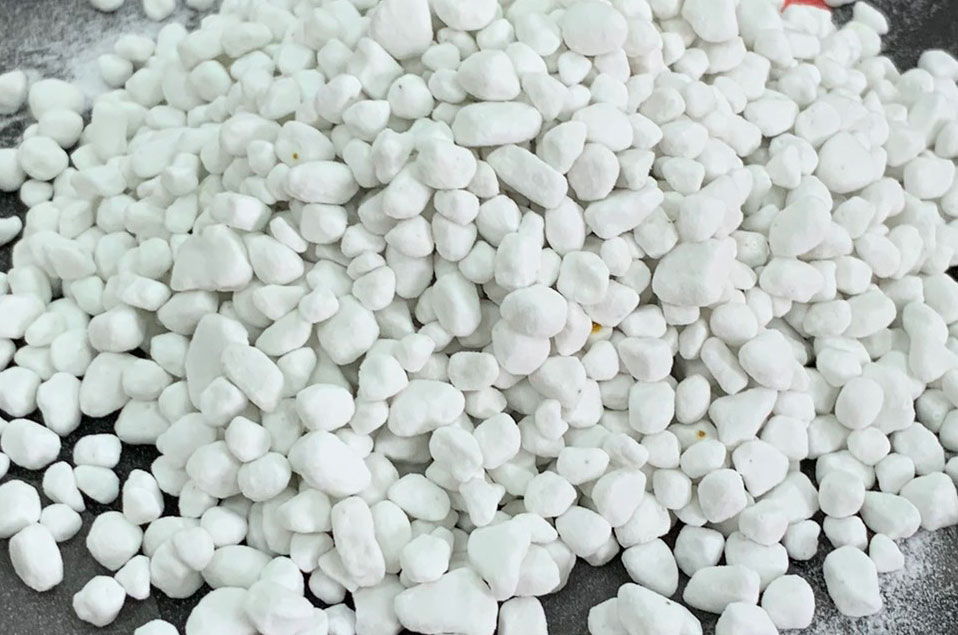
Muriate of Potash (MOP), chemically known as potassium chloride (KCl), contains approximately 60–62% potassium (K₂O) by weight. This is the primary potassium source for global agriculture. A modern MOP fertilizer manufacturing line transforms raw potash ore into uniform, high-quality granules.
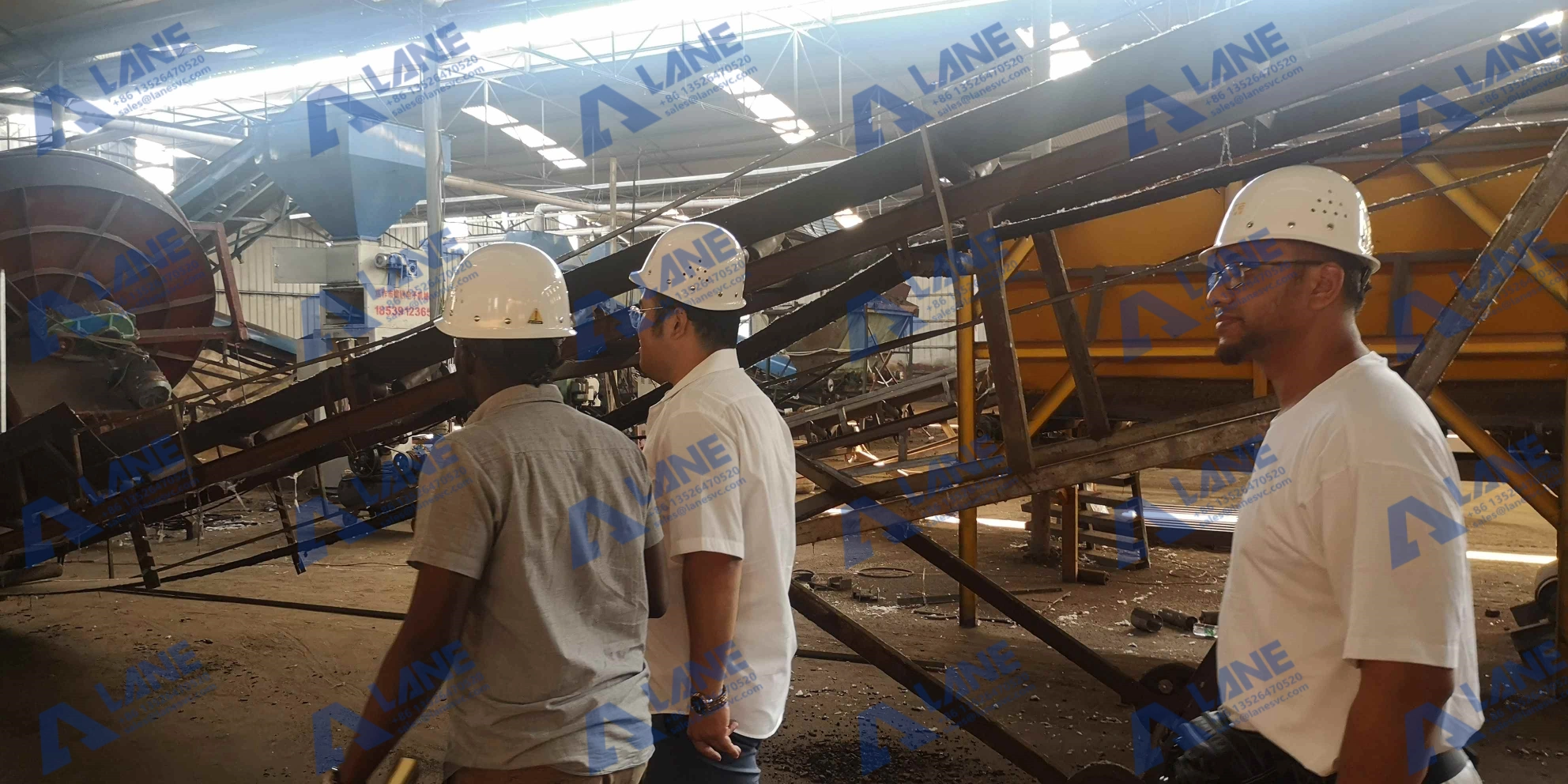
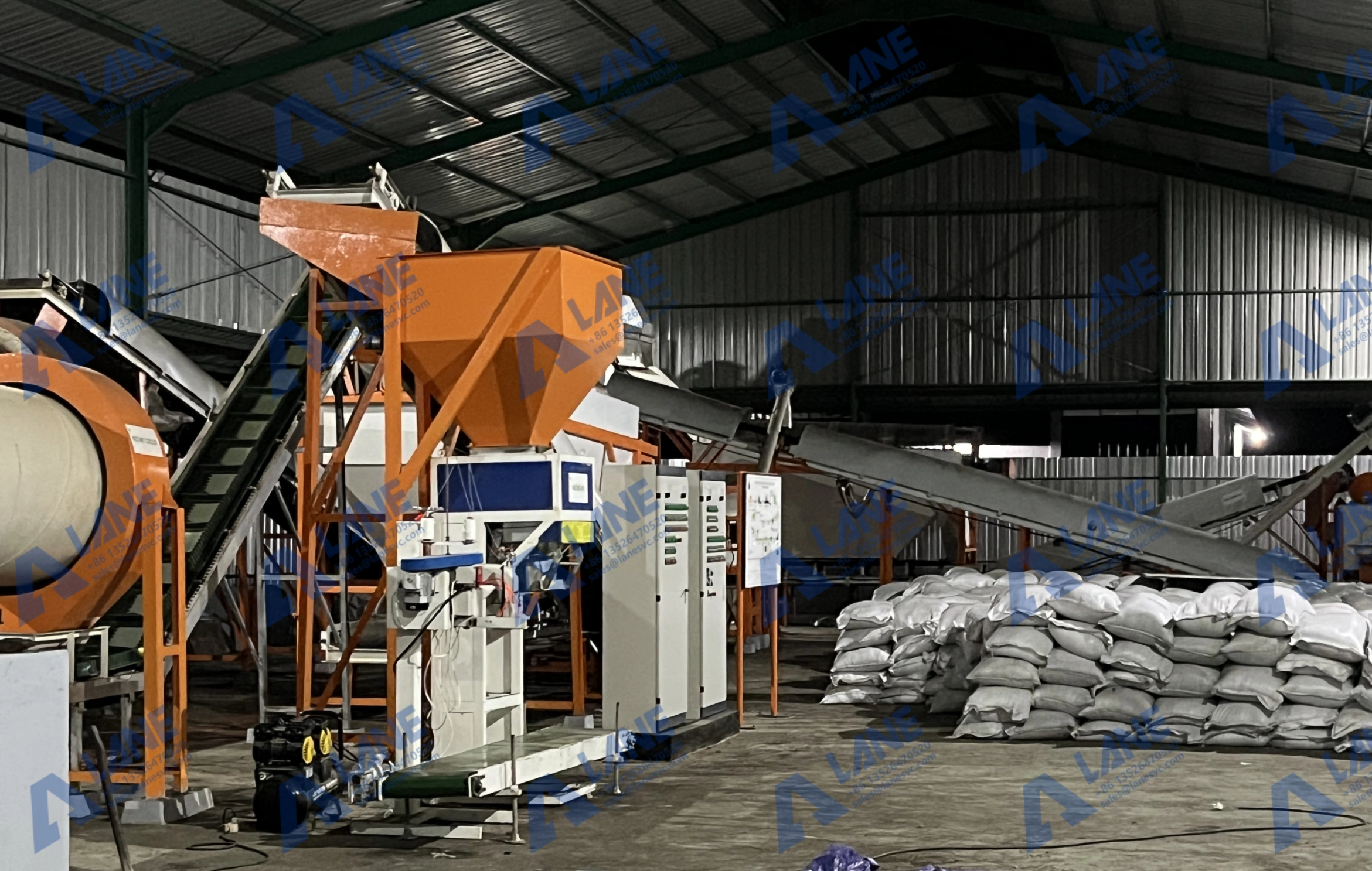
LANE Heavy Industry’s MOP fertilizer manufacturing line integrates several components that work together and deliver consistent output:
- Raw Material Crushing: The production process begins with the size reduction of raw potash ore. We use two-stage crushing with a jaw crusher and impact crusher. It ensures optimal particle size for subsequent processing stages.
- Mixing and Blending: Advanced automated mixing systems precisely combine chloride with other nutrients or additives. You can customize fertilizer formulations tailored to specific crop requirements.
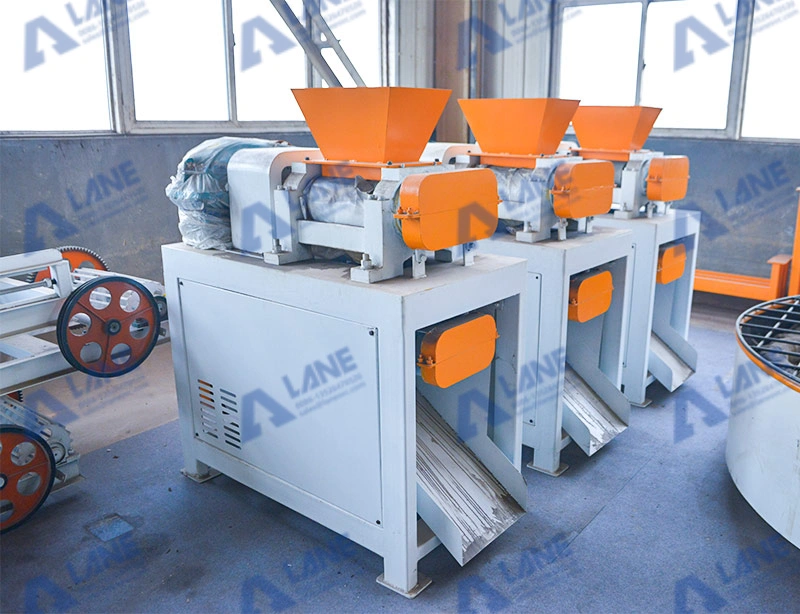
- Granulation: In this process we transform the powdered MOP into uniform granules. LANE uses Double roller granulator for dry granulating and Rotary Drum granulator for wet granulation.
- Drying and Cooling: After granulation, the granules contain 25–30% moisture. Our rotary dryers and coolers maintain optimal temperature control while minimizing energy consumption. LANE emphasizes energy efficiency throughout our equipment design, helping manufacturers reduce operating costs.
- Screening and Polishing: LANE vibrating screens classify granules by size, ensuring consistent product quality. Oversized particles are returned for reprocessing, maximizing yield.
- Automatic Packaging: The final stage features precision weighing and bagging systems that handle high-volume commercial operations efficiently.
Quality Control Integration
An advanced MOP fertilizer manufacturing line must incorporate quality control measures. LANE’s design includes monitoring systems and sensors that track critical parameters including particle size distribution, moisture content, and nutrient concentration. This ensures final product consistency essential for agricultural effectiveness and customer satisfaction.
Section 2: Market Demand – A Growing Global Opportunity
Market Size and Growth Projections
The global muriate of potash market is experiencing growth, driven by food demand. The MOP market is projected to reach approximately USD 29.6 billion by 2036, up from USD 19.07 billion in 2026. Asia-Pacific currently dominates global MOP consumption. They account for nearly half of worldwide production demand.
Key Demand Drivers
Several key factors are the reason for sustained growth of MOP markets worldwide:
- Global Food Security Imperatives: The world population is projected to reach 9.7 billion by 2050. To feed these people, agricultural productivity must increase substantially. Potassium plays an irreplaceable role in crop yield enhancement, disease resistance, and drought tolerance.
- Expansion of Cash Crop Cultivation: High-value crops including soybeans, palm oil, sugarcane, and fruits demonstrate exceptional responsiveness to potassium fertilization.
- Soil Nutrient Depletion: Modern intensive farming has accelerated soil potassium depletion across major agricultural regions. This nutrient removal necessitates consistent MOP application to maintain long-term soil fertility and productivity.
Section 3: Profitability – Building a Sustainable Business
Economic Considerations
Investing in a MOP fertilizer manufacturing line requires careful financial analysis. LANE’s modular design allows producers to match capital expenditure with market demand. Key profitability factors include:
- Raw Material Access: Proximity to potash sources or efficient import logistics impacts cost structure. Canada, Russia, and Belarus supply over 65% of global MOP production.
- Energy Efficiency: LANE’s advanced energy-efficient design reduces operating costs. Our rotary dryers and coolers achieve up to 30% energy savings compared to others in the industry.
- Co-Product Opportunities: An advanced MOP fertilizer manufacturing line can generate valuable co-products. For producers expanding into SOP (sulfate of potash) production, the Mannheim process yields commercial-grade hydrochloric acid as a saleable by-product.
Market Positioning Strategies
To maximize returns from a MOP fertilizer manufacturing line, producers should consider several approaches:
- Differentiated Product Development: While standard-grade MOP dominates volume, specialty formulations including coated controlled-release products and water-soluble MOP command premium pricing.
- Geographic Targeting: Location decisions should consider proximity to high-demand agricultural regions and transportation infrastructure.
Risk Considerations
Every industrial investment has its risks; a MOP fertilizer manufacturing line also has its own risks:
- Price Volatility: MOP prices are subject to geopolitical factors, supply disruptions, and global demand fluctuations. Recent sanctions adjustments and shipping route disruptions in the Strait of Hormuz demonstrate the importance of supply chain resilience.
- Regulatory Compliance: International markets require adherence to various certification standards. LANE’s equipment meets CE, SGS, and ISO requirements. This gives your production plant global market access.
- Environmental Standards: Modern production lines must incorporate dust collection systems and emissions control to maintain local regulations. LANE’s designs include pulse-jet and cyclone systems that capture fine particles. This ensures regulatory compliance and worker safety.
Section 4: The LANE Heavy Industry Difference
LANE Heavy Industry has been making fertilizer production machinery for over 20 years. We have established ourselves as a premier provider of fertilizer production solutions through several distinctive capabilities:
- Corrosion-Resistant Engineering: MOP production involves handling chemical products. LANE equipment is made with specialized alloys and coatings that extend operational lifespan in demanding chemical environments.
- Integrated System Design: LANE provides complete integrated solutions for your MOP fertilizer manufacturing line. We engineer customized machines for seamless component integration. This approach minimizes bottlenecks and optimizes workflow.
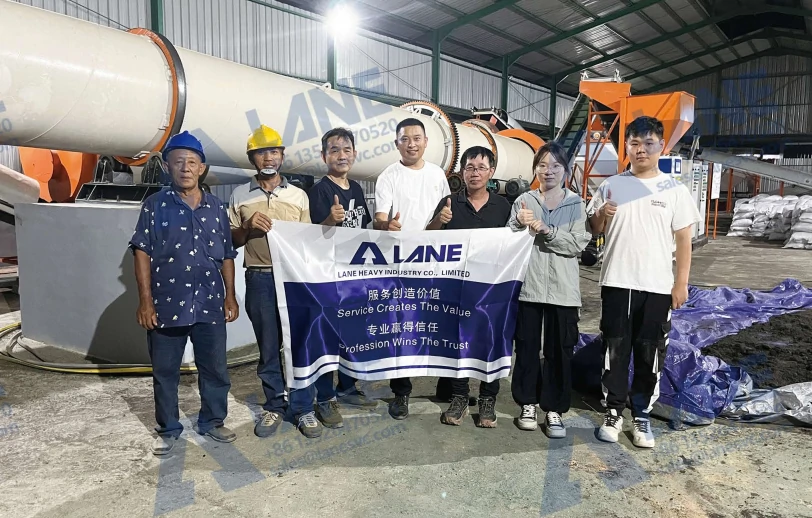
- Global Service Network: With overseas engineers available for on-site installation and a standard 5-year warranty, LANE supports clients throughout the equipment lifecycle.
- Process Optimization Expertise: Beyond equipment provision, LANE offers process design and technical guidance that helps producers maximize yield and product quality.
Frequently Asked Questions (FAQ)
Q1: What is the typical capacity range for a commercial MOP fertilizer manufacturing line?
LANE offers MOP fertilizer manufacturing line configurations ranging from 5 tons per hour for base models to 6.5 tons per hour for Pro models, with customization available for larger-scale industrial operations exceeding 200,000 tons per year.
Q2: How does LANE ensure product quality consistency in their MOP fertilizer manufacturing line?
LANE integrates advanced PLC and DCS control systems that monitor temperature, feed rates, particle size, and moisture content throughout production. Automated screening systems classify granules to ensure uniform size distribution, typically achieving ±1% variance specifications.
Q3: What certifications does LANE’s MOP fertilizer manufacturing line equipment carry?
LANE’s equipment meets CE, SGS, and ISO 9001 certification standards, ensuring compliance with international safety and quality regulations essential for global market distribution.
Q4: Can a MOP fertilizer manufacturing line be customized for different fertilizer formulations?
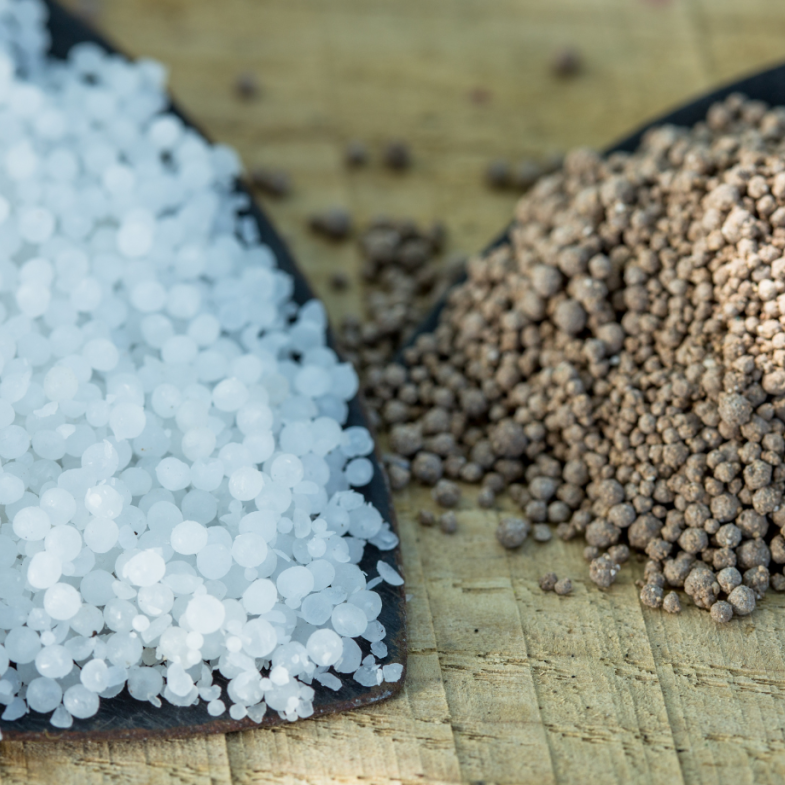
Yes. LANE’s MOP fertilizer manufacturing line features adjustable blending ratios and processing parameters, enabling production of customized formulations that incorporate additional nutrients or additives for specific crop and soil requirements.
Of course, we also offer other types of products for your different needs, you can click to view.
For more information, please contact us by sending an inquiry today! We can help you!



Write a Reply or Comment