
Best Practices for SOP Fertilization in Orchards to Maximize Nutrient Uptake
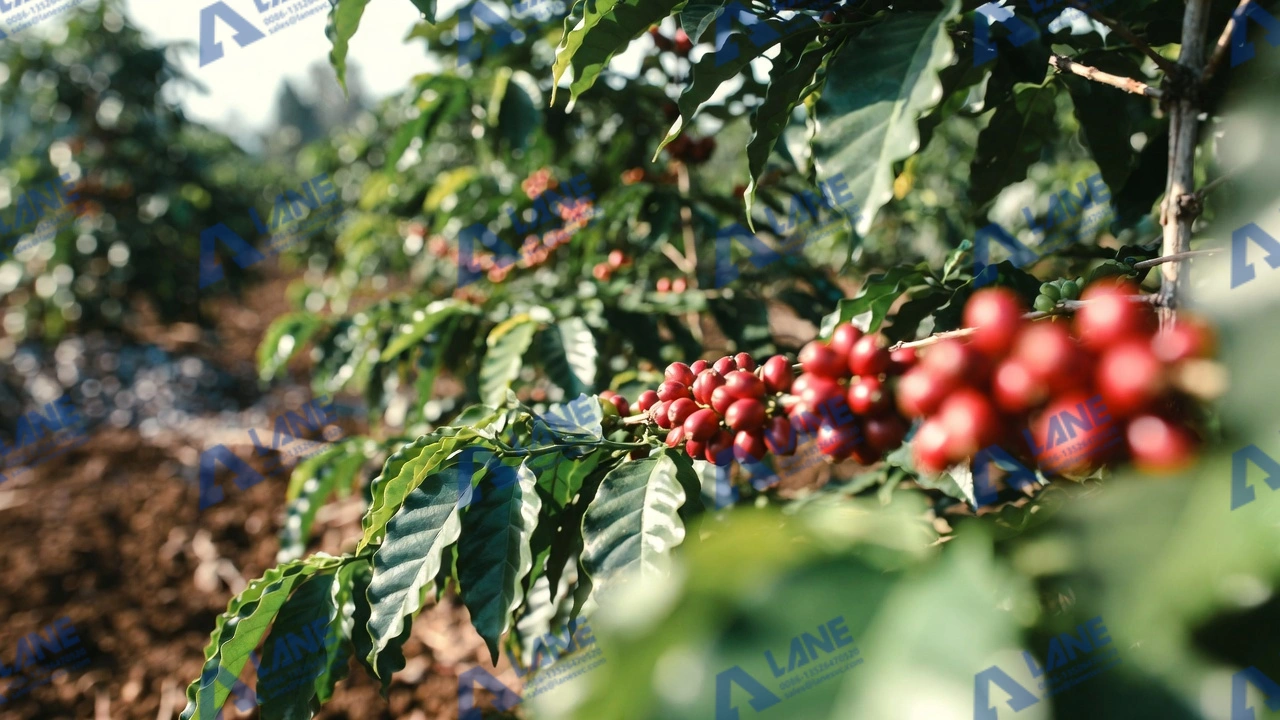
Best Practices for SOP Fertilization in Orchards to Maximize Nutrient Uptake
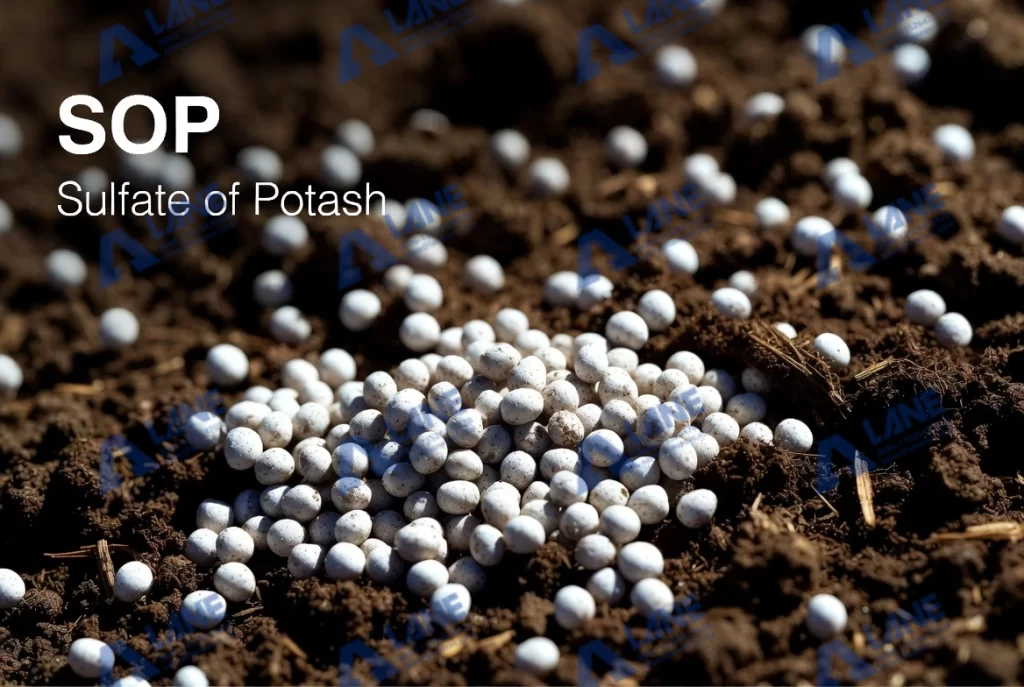
Potassium is one of the three major nutrients essential for crop growth. It directly influences fruit quality, brix level, color, tree health, stress resistance, and overall orchard profitability. Among the potassium fertilizers, SOP (Sulfate of Potash) stands out as the ideal choice for orchards. SOP, also known as potassium sulfate, is ideal for chloride-sensitive crops like apples, grapes, citrus, and berries as it gives 50-52% potassium and 17-18% sulfur in sulfate form. To unlock its full potential, growers must implement some of the proven best practices for SOP fertilization in orchards that align with tree physiology, soil conditions, and application science.
This article outlines a complete framework of best practices for SOP fertilization in orchards while highlighting how LANE’s production technology supports each step of the process.
Why SOP Matters in Orchard Nutrition
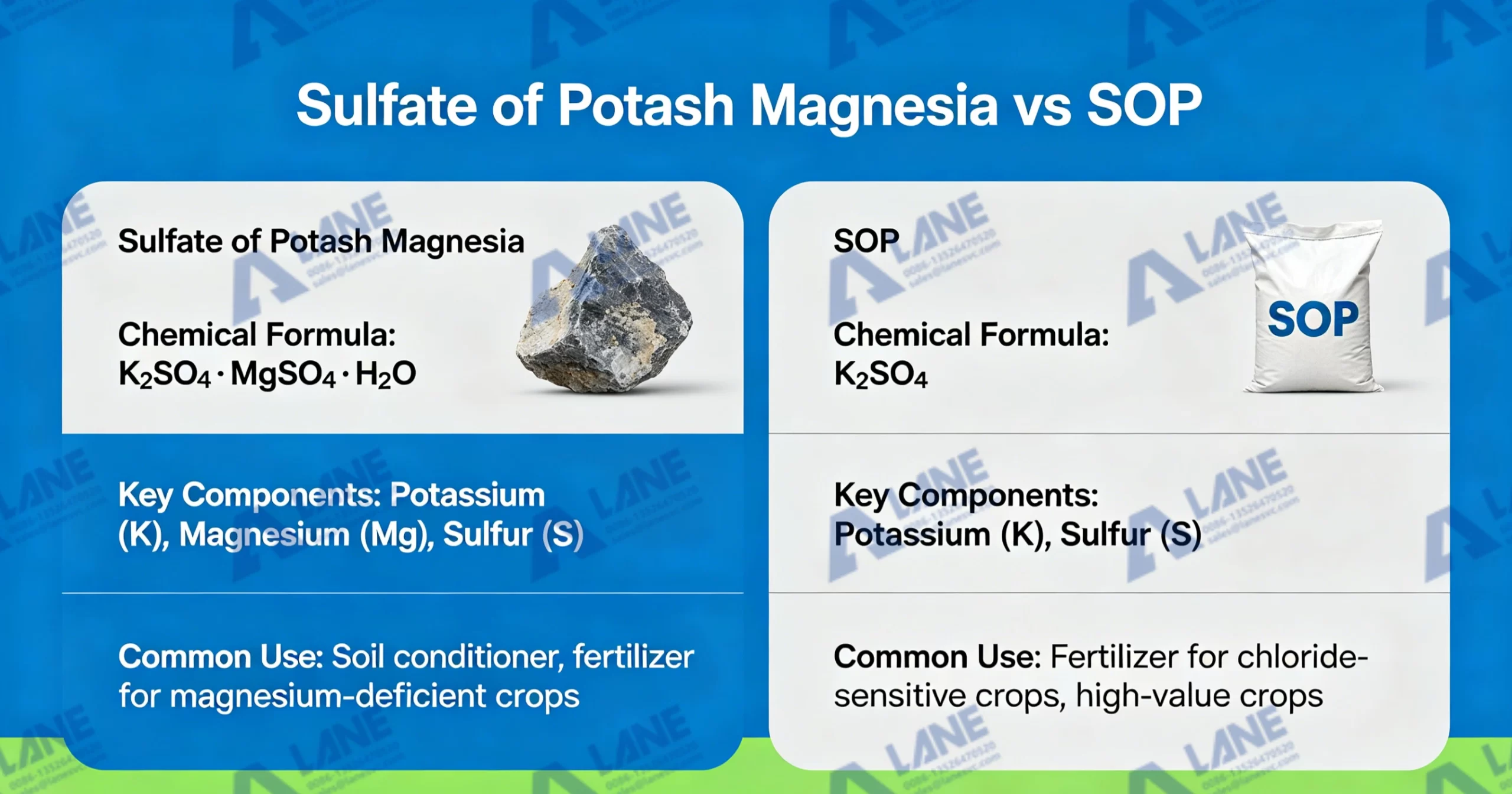
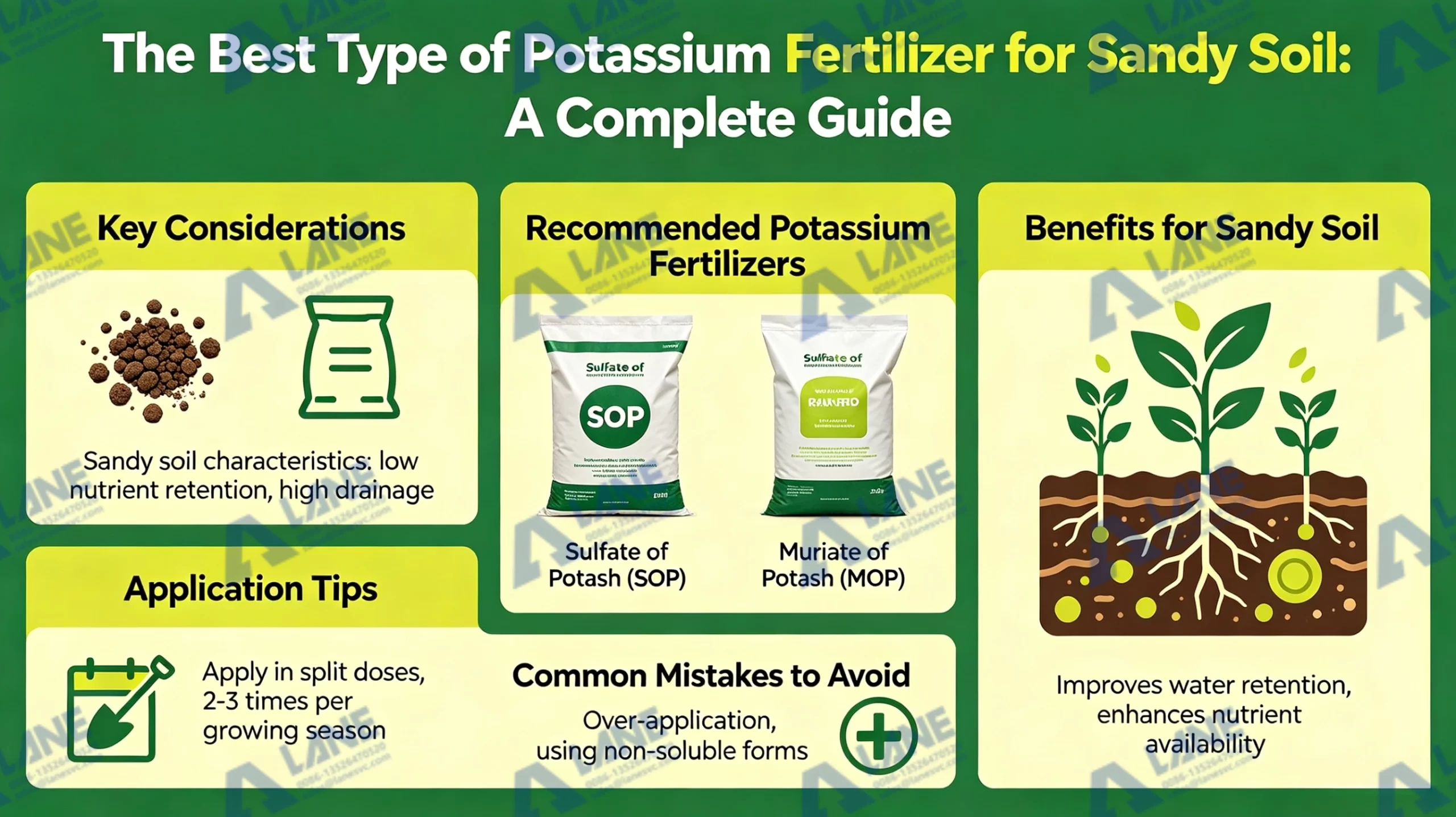
The most popular potassium fertilizer is MOP (Muriate of Potash), which is also one of the raw materials for the industrial production of SOP. MOP contains up to 47% chloride, which is harmful for sensitive crops and fruits. SOP, on the other hand, provides 52% potassium and is safe for chloride-sensitive fruit crops such as citrus, grapes, apples, stone fruits, and nuts. SOP delivers potassium without harmful chloride ions, which can damage fine root hairs, inhibit nutrient absorption, and reduce fruit quality in sensitive species. Additionally, SOP also provides 17% sulfur, a vital nutrient for protein synthesis, enzyme activity, and flavor development in fruits.
SOP plays a direct role in fruit sizing, sugar accumulation, color development, and disease resistance. SOP also improves nutrient uptake by 15-25% compared to alternative potassium sources. These advantages make best practices for SOP fertilization in orchards a cornerstone of modern, quality-focused orchard management.
Core Best Practices for SOP Fertilization in Orchards
- Start with Soil Testing and Tissue Analysis
Data is the most important asset when you start your fertilization program. The first step of the process is soil testing before planting or at the start of each season, and annual leaf tissue analysis during mid-summer. These tests reveal critical information about the orchard’s existing potassium levels, sulfur status, and pH data. This information will help you determine the appropriate SOP application rates. Fertilizing without this baseline data risks both over-application and under-application.
- Time Applications to Crop Demand
Time is among the most important best practices for SOP fertilization in orchards because potassium uptake is closely linked to fruit development stages. For citrus, approximately 30-40% of the annual potassium requirements should be applied during flowering and fruit set, and the remaining 60-70% should be split during fruit growth and post-harvest.
Pome and stone fruit orchards: SOP should be distributed 2-3 times monthly after fruit set through the bulking period. Almonds and walnuts: Applications of SOP are particularly effective for replenishing potassium reserves before the next growing season. Aligning applications with peak crop demand is one of the best practices for SOP fertilization in orchards.
- Choose the Right Application Method
The application method of SOP influences nutrient availability. For granular SOP, banding the fertilizer in positions that align with the tree’s active root zone is considerably more effective than broadcasting. This can result in potassium being bound by clay particles.
- Band/Strip Application: Dig 20–40 cm deep trenches along the drip line, mix SOP with soil, and backfill. This concentrates nutrients near active roots and reduces leaching.
- Ring Application: For young trees, create a 30 cm wide ring around the trunk (30–50 cm from the base) to avoid root burn.
- Avoid Surface Broadcasting: Unincorporated SOP is prone to volatilization and runoff, wasting fertilizer and harming the environment.
Dissolving water-soluble SOP into drip irrigation lines offers precision delivery directly to the root zone and allows for frequent, small-dose applications that match daily crop needs. Foliar applications can supplement soil-applied SOP during critical growth phases when rapid nutrient correction is required.
- Apply Appropriate Dosage Rates
Recommended SOP application rates vary by crop type, soil fertility class, and expected yield. General orchard guidelines suggest 200–400 kg/ha for citrus and mango, 130–400 kg/ha for vineyards and berries, and 100–140 kg/ha for pome and stone fruits. These applications should always be refined using soil and leaf tissue test results. Over-application wastes input costs and contributes to nutrient imbalances. Under-application, on the other hand, limits the crop’s genetic potential. Responsible dosage is a fundamental component of best practices for SOP fertilization in orchards.
- Maximize Nutrient Uptake Through Synergistic Practices
The efficiency of SOP fertilization is enhanced when combined with complementary management practices. Maintaining soil pH between 6.0 and 7.0 ensures optimal potassium availability. Incorporating organic matter improves soil structure and cation exchange capacity and reduces potassium fixation. The sulfur component in SOP exerts a mild acidifying effect on alkaline soils, which stimulates root absorption and facilitates the uptake of other nutrients otherwise blocked by soil colloids.
SOP is chloride-free, which means it also prevents the osmotic stress and leaf burn that can occur with MOP. This fertilizer allows trees to maintain full photosynthetic capacity throughout the growing season.
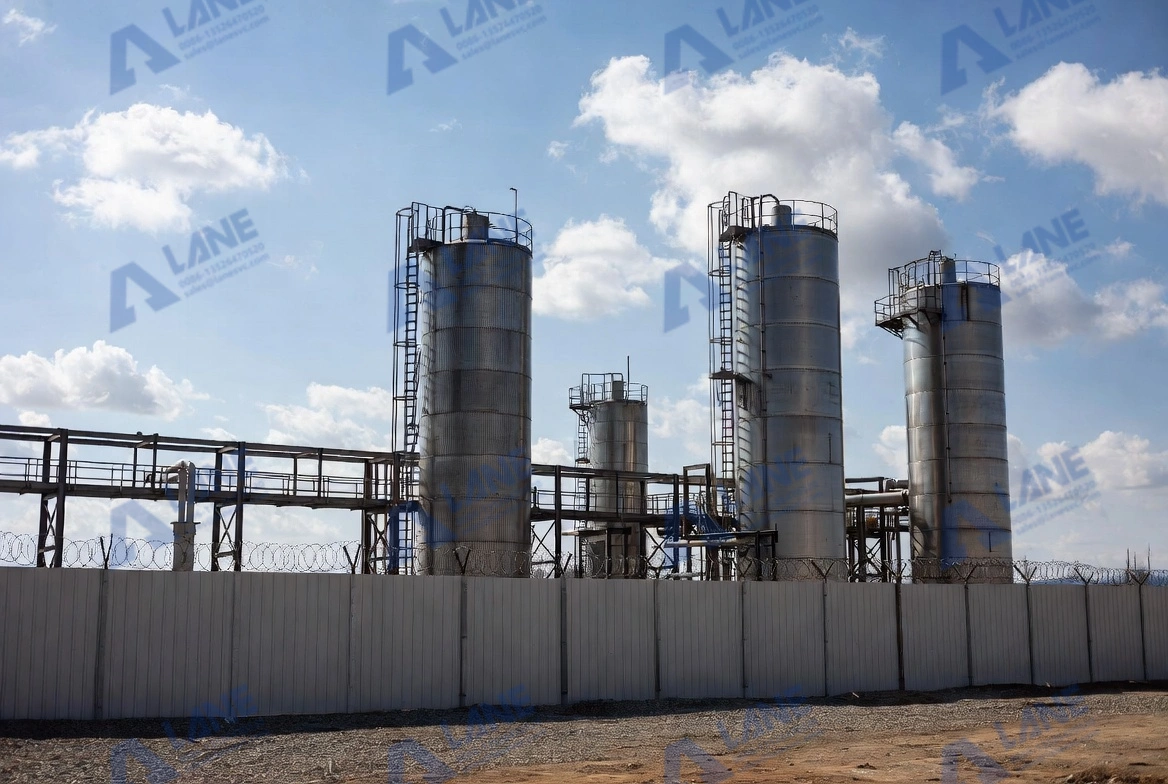
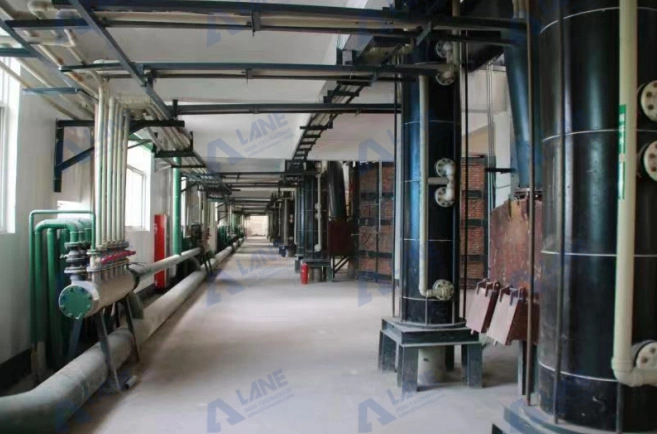
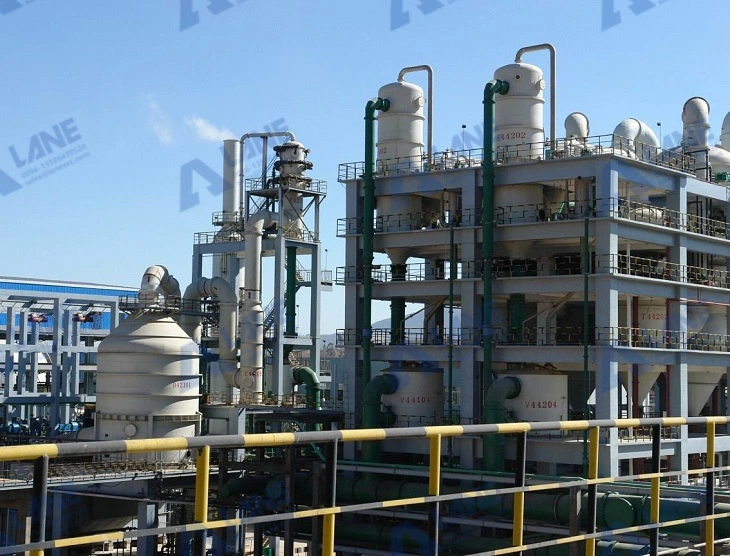
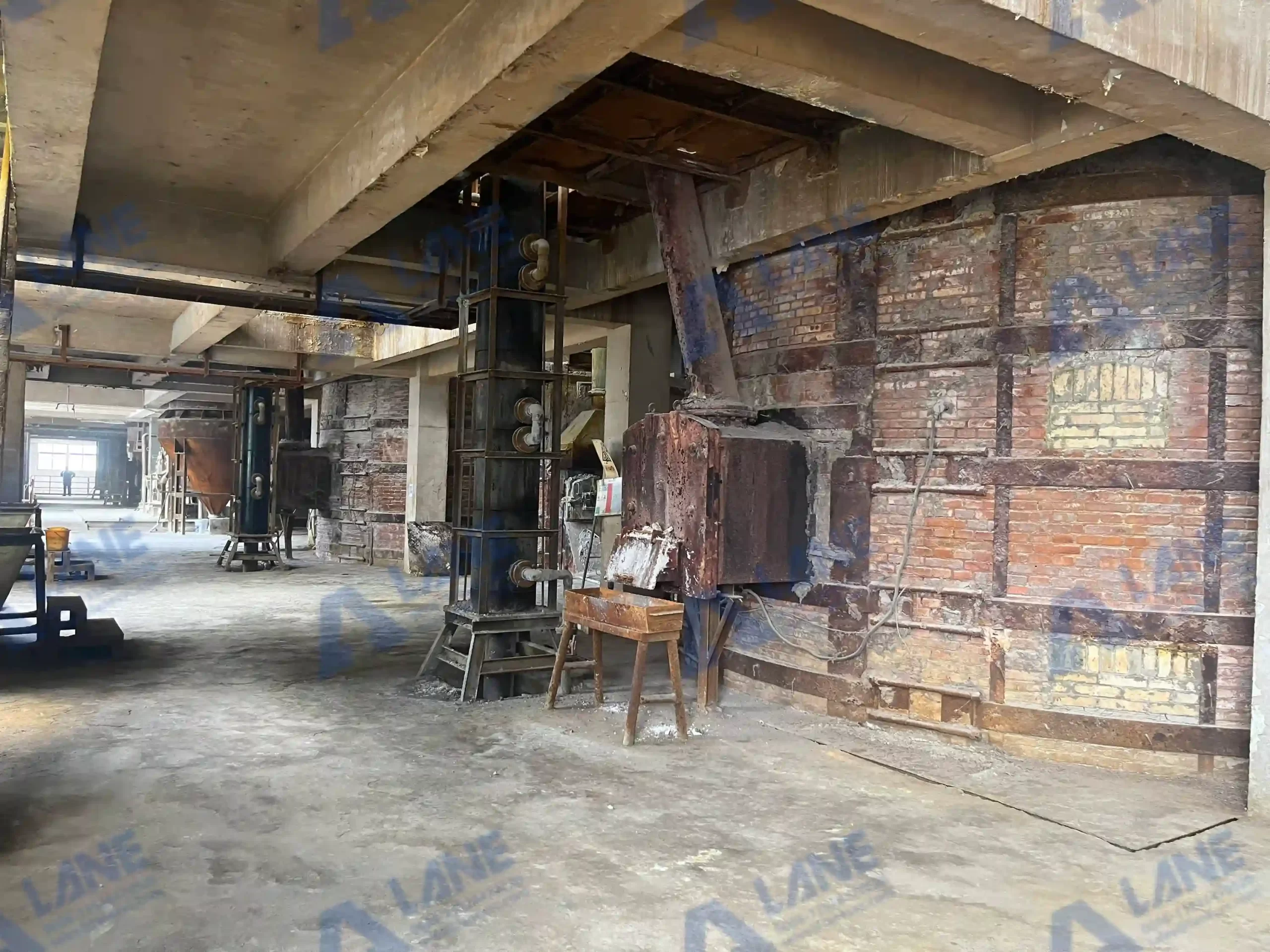
How LANE Heavy Industry’s SOP Fertilizer Production Line Supports Orchard Best Practices
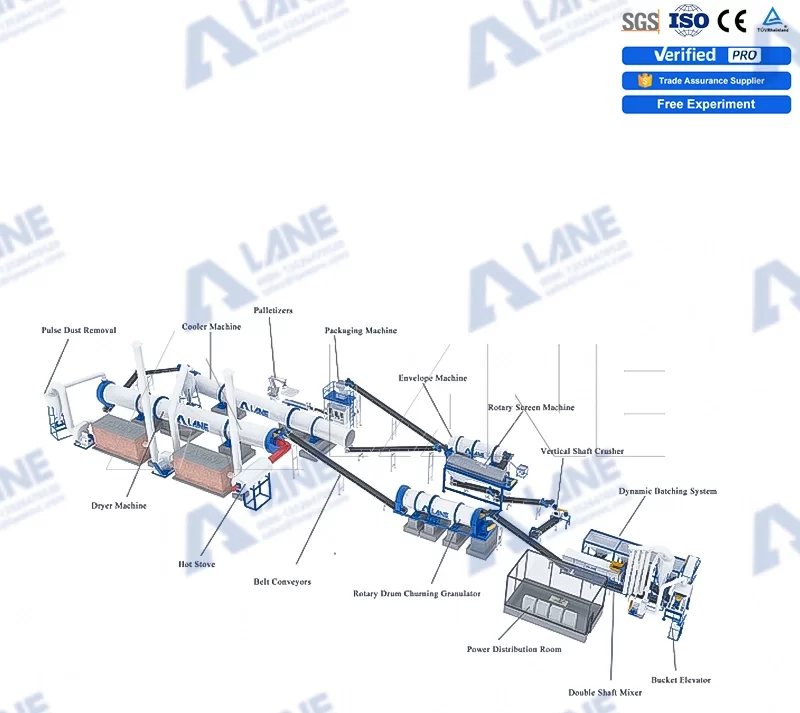
The quality of SOP fertilizer depends on the manufacturing stage. LANE Heavy Industry has engineered a state-of-the-art SOP fertilizer production line that aligns directly with the needs of modern orchard operations. This production line incorporates:
- Advanced Potassium Sulphate Synthesis: LANE’s SOP fertilizer production line utilizes a precisely controlled Mannheim process. Our production line reacts potassium chloride with sulfuric acid under optimized temperature and pressure conditions. This results in a high-purity SOP with less than 1% chloride content, ideal for chloride-sensitive crops.
- Uniform Granulation for Even Nutrient Distribution: LANE has engineered advanced disk granulators, rotary drum granulators, and double roller granulators for the granulation process that create uniform granules which spread nutrients evenly across the field. This uniformity ensures consistent nutrient delivery to every tree, which directly supports the best practices for SOP fertilization in orchards.
- Energy-Efficient Drying and Dust Recovery: LANE’s rotary dryers and energy-efficient cyclone dust collection systems minimize moisture content and recapture fine particles. This reduces waste and stabilizes the final product for long-term storage. For orchards investing in best practices for SOP fertilization in orchards, the consistency and purity of the fertilizer they purchase is non-negotiable.
- Cost-Effective Production for Grower Value: LANE’s system is engineered to work with each other as they create custom production lines. Our design reduces raw material waste, optimizes energy consumption, and converts byproducts into revenue streams. The customization of the production line means it lowers production cost without lowering quality.
- Micronutrient Blending Capability: LANE’s production line has the capability of creating customizable formulations. LANE’s SOP fertilizer production line can incorporate micronutrients such as boron, zinc, and iron directly into the granulation process, producing a homogeneous, multi-nutrient SOP product. Our mixer machine and batching system can add and blend other nutrients with SOP fertilizer to create NPK or SOP fertilizer with micronutrients. It can also be used to create BB fertilizers.
Frequently Asked Questions
Q1: What makes SOP better than MOP for orchard crops?
SOP contains potassium and sulfur without the chloride found in MOP. Chloride can cause leaf burn, reduce fruit quality, and increase soil salinity—risks that are eliminated with SOP. For chloride-sensitive crops like citrus, grapes, apples, and stone fruits, SOP is the preferred potassium source and a key part of best practices for SOP fertilization in orchards.
Q2: When is the best time to apply SOP fertilizer in orchards?
The optimal timing depends on the crop, but generally, 30–40% of annual potassium should be applied during flowering and fruit set, with the balance distributed through fruit development and post-harvest. Split applications aligned with peak nutrient demand represent one of the most important best practices for SOP fertilization in orchards.
Q3: Can SOP fertilizer be applied through drip irrigation systems?
Yes. Water-soluble grades of SOP are fully compatible with fertigation systems. This method allows for precise, frequent nutrient delivery directly to the root zone and is highly recommended as part of best practices for SOP fertilization in orchards.
Q4: What features of LANE Heavy Industry’s SOP production line benefit orchard growers?
LANE’s SOP fertilizer production line features advanced potassium sulphate synthesis for high purity, uniform granulation for even field application, energy-efficient drying and dust recovery systems, and the capability to incorporate micronutrients. These features ensure consistent, high-quality SOP that meets the demands of best practices for SOP fertilization in orchards.
Of course, we also offer other types of products for your different needs, you can click to view.
For more information, please contact us by sending an inquiry today! We can help you!



Write a Reply or Comment