
SOP Production from Brine vs. MOP: Which Potash Source Wins?
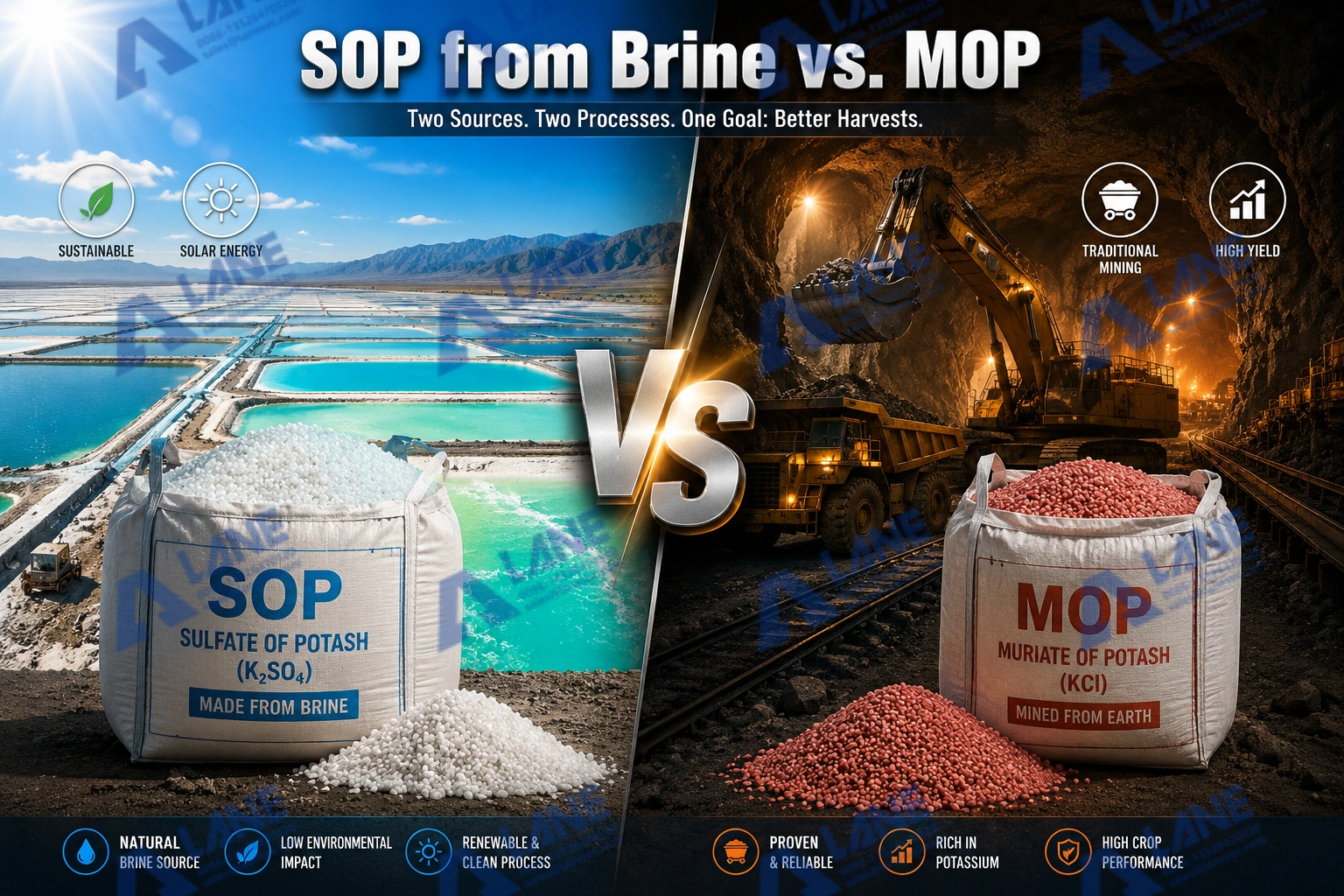
Potassium is one of the three essential macronutrients required for plant growth, alongside nitrogen and phosphorus. Potassium doesn’t directly change the structure of DNA of the plants; it helps plants operate and deliver nutrients from roots to fruits and flowers. It improves crop yield, enhances disease resistance, and increases product quality. The potash fertilizer market is dominated by Sulfate of Potash (SOP) and Muriate of Potash (MOP). The production methods, properties, and applications of SOP and MOP are different, and newer technology has made SOP fertilizer production more sustainable. SOP production from brine has emerged as a sustainable, high-value alternative to traditional MOP.
For fertilizer investors and agricultural manufacturers, choosing between these two potash sources is a business choice determined by local crops, soil conditions, environmental regulations, and resource availability. This article compares SOP production from brine against traditional MOP methods with advanced fertilizer production lines from LANE Heavy Industry’s Machinery.
Understanding SOP and MOP Basics
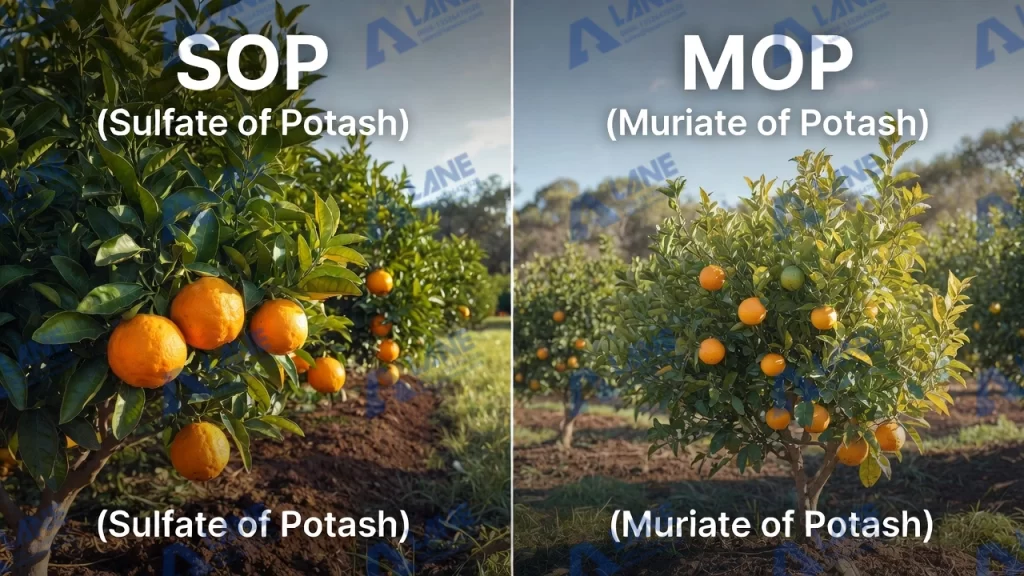
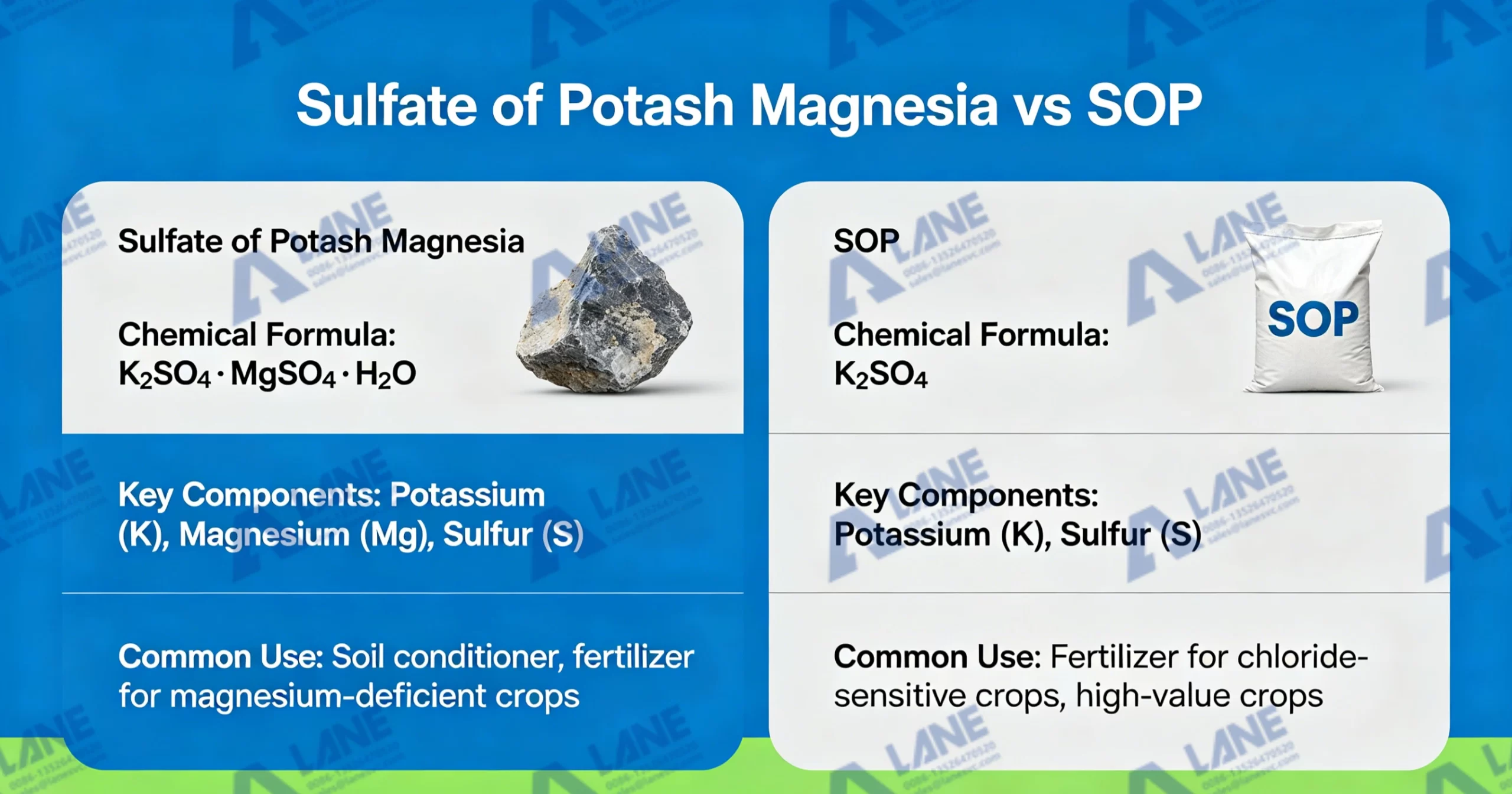
SOP, or potassium sulfate (K2SO4), delivers 50-52% K2O and 17-18% sulfur, making it ideal for chloride-sensitive crops like fruits, vegetables, and tobacco. MOP, or potassium chloride (KCl), provides 60-64% K2O but includes 47% chloride, suiting chloride-tolerant crops like grains and corn at a lower cost.
SOP is known as a premium fertilizer, and the price is often 50-100% higher than MOP due to its purity and dual-nutrient profile. Global demand for SOP is surging as farmers prioritize high-value crops amid food security pressures.
Traditional MOP Production Methods
MOP comes from underground mining of sylvinite ore or solution mining with hot brine injected into potash deposits. The ore is crushed, floated to separate KCl from NaCl, and granulated into fertilizer.
This yields high volumes of MOP cheaply. Over 70% of global potash supply comes from this method. The refining method is energy-intensive, and the chloride content of MOP limits the versatile use of these fertilizers.
SOP Production from Brine: A Cleaner Alternative
SOP production from brine leverages sulfate-rich bittern (waste from sea salt evaporation), kainite crystallization, and solar evaporation in ponds. Processes like fractional crystallization convert kainite to schoenite, then react with MOP or recycle liquors for pure SOP. Over 30% of global SOP fertilizer is made with this method. This method uses lower energy as it uses solar power to create SOP. This production method yields co-products like gypsum and low-boron Mg(OH)2.
LANE Heavy Industry’s Machinery in Action
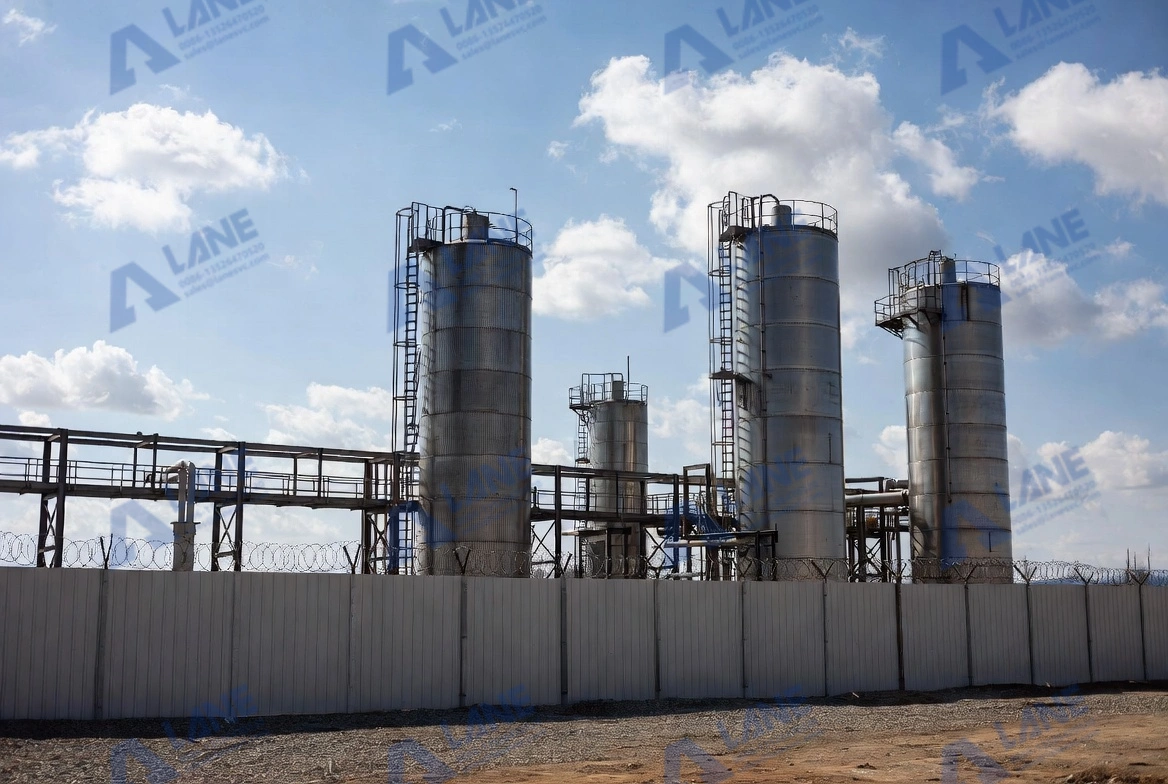
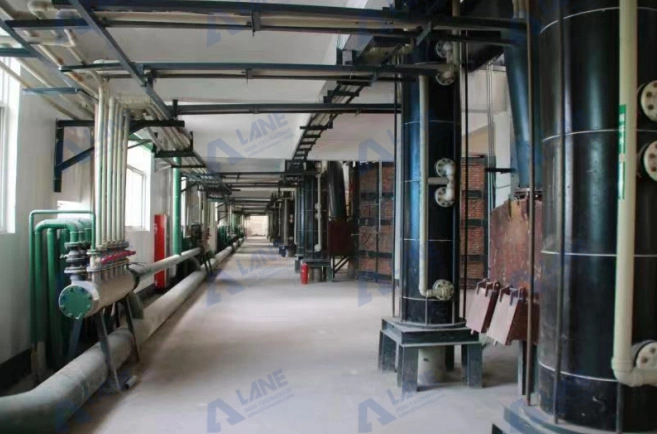
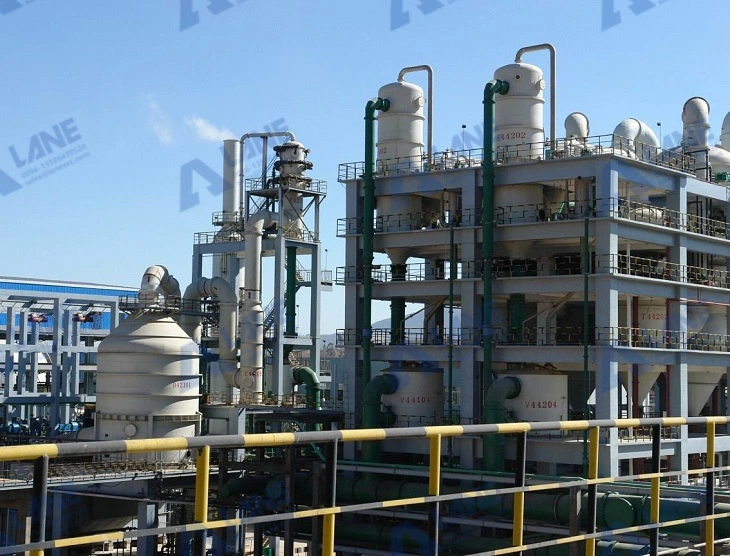
LANE Heavy Industry’s Machinery offers turnkey SOP fertilizer production lines optimized for SOP production from brine. Our key components include brine concentrators, kainite/schoenite reactors, centrifugal separators, drying granulators, and automated packing systems.
Our customized line can process 10-100 tons/hour, integrating solar evaporation with mechanical crystallization for 98% purity SOP. Features like vibration sieves and coating machines ensure uniform granules resistant to caking. Energy-efficient designs cut costs 20-30% versus Mannheim processes.
In a typical setup: Brine feeds into LANE’s multi-effect evaporators, followed by cooling crystallizers for kainite harvest. Reactors convert to schoenite, then SOP via metathesis with recycled KCl. Polishers and screeners deliver market-ready product.
Production Costs and Efficiency Breakdown
| Aspect | SOP from Brine (LANE Line) | MOP (Mining/Solution) |
| Capex (per ton capacity) | $300-500 | $200-400 |
| Opex (US$/ton) | $250-350 | $150-250 |
| Energy Use | Low (solar + mech) | High (heating/mining) |
| Yield Efficiency | 90-95% K recovery | 85-90% |
| Byproducts | Gypsum, Mg(OH)2 | Tailings, salt |
Brine SOP edges out on opex for premium markets, with LANE’s automation slashing labor by 40%. MOP wins volume but faces rising mining costs.
Head-to-Head: Comparing the Two Pathways of SOP
| Feature | SOP from Brine | SOP from MOP (Mannheim) |
| Energy Source | Solar (Mainly) | Fuel/Natural Gas |
| Primary Raw Material | Salt Lake Brine | MOP (KCl) + Sulfuric Acid |
| Byproducts | Magnesium salts | Hydrochloric Acid (HCl) |
| Capex | High (Ponds & Infrastructure) | Medium (Furnace & Gas Handling) |
| Opex | Low | High (Energy & Acid costs) |
| Environmental Footprint | Land intensive | Emission/Acid management intensive |
| Scalability | Climate dependent | Market dependent |
Machinery Excellence: The LANE Heavy Industry Advantage
Regardless of the source of the raw materials or production method, the final product must be granulated to meet international agricultural standards. LANE Heavy Industry provides the essential finishing equipment for both brine and Mannheim plants.
Precision Granulation
Whether it is the mined MOP from solution mining or the crystals from a brine pond, the raw material must be transformed into durable granules. LANE’s Rotary Drum Granulator and High-Shear Mixer are designed to:
- Enhance Flowability: Ensuring the fertilizer does not clump during transport.
- Controlled Release: Creating granules with specific geometry to optimize nutrient release in the soil.
- Dust Reduction: Protecting workers and the environment by minimizing fine particulate matter.
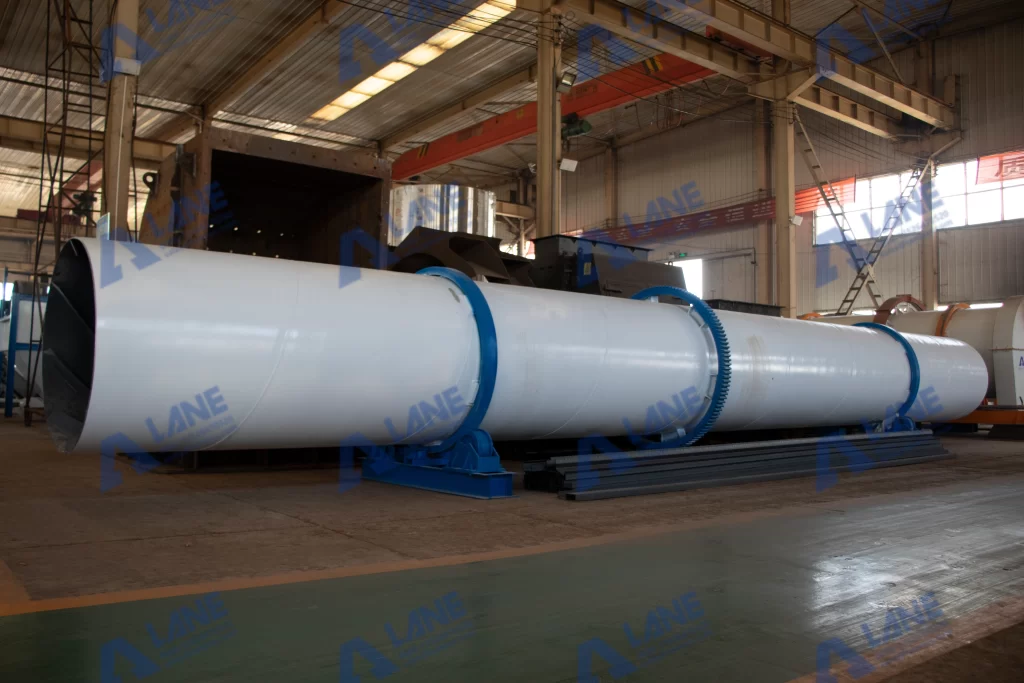
The drying stage of the granulation production line is the most energy-intensive part of the granulation line. LANE’s Rotary Dryers use advanced combustion technology to maintain optimum temperature-moisture relationships, minimizing fuel consumption.
Environmental and Sustainability Edge
SOP production from brine shines ESG-wise: No open pits, solar-driven evaporation cuts carbon 50-70% below Mannheim’s 800°C furnaces. LANE lines recycle 95% of water, producing zero-waste via gypsum sales.
MOP mining generates tailings dams and brine injection risks of aquifer contamination. Brine SOP aligns with net-zero goals, vital as regulations tighten.
Technical Highlights of LANE’s SOP Line
LANE’s three standout features: 1) Integrated PLC controls for real-time brine monitoring; 2) Anti-corrosion reactors for handling sulfate brines; 3) Granulation tech yielding 2-4mm dust-free granules.
We create custom production systems which are scalable from pilot (1 tph) to 100 tph mega-plants. We can integrate with existing saltworks.
Sustainability and the Long Game
MOP is cheaper to produce and can be made on a larger scale. This makes it irreplaceable for broad-acre commodity crops. SOP production from brine, on the other hand, wins decisively in the strategic, high-growth segments. As water scarcity intensifies and soil salinity rises globally, the agronomic penalty for using high-chloride MOP on sensitive crops is becoming unacceptable.
Furthermore, SOP production from brine aligns with circular economy principles. It transforms waste streams of leftover brine from desalination or salt production into valuable fertilizer. With integrated solutions from LANE Heavy Industry, producers can pivot SOP production from brine from a niche chemical curiosity into a mainstream, industrial-scale reality. SOP production from brine presents a path where quality, sustainability, and intelligent machinery converge to create not just a superior potassium source, but a smarter agricultural future.
FAQ: SOP Production from Brine vs. MOP
Q1: Is SOP better than MOP for all crops?
No. While SOP is superior for chloride-sensitive crops (fruits, tobacco), MOP is perfectly suitable for chloride-tolerant crops like wheat and corn and is generally more cost-effective.
Q2: What is the biggest challenge in SOP production from brine?
The biggest challenge is the long lead time. It can take 2-3 years for a solar pond system to reach the concentration levels required for harvesting.
Q3: How does LANE Heavy Industry handle the corrosion in Mannheim furnaces?
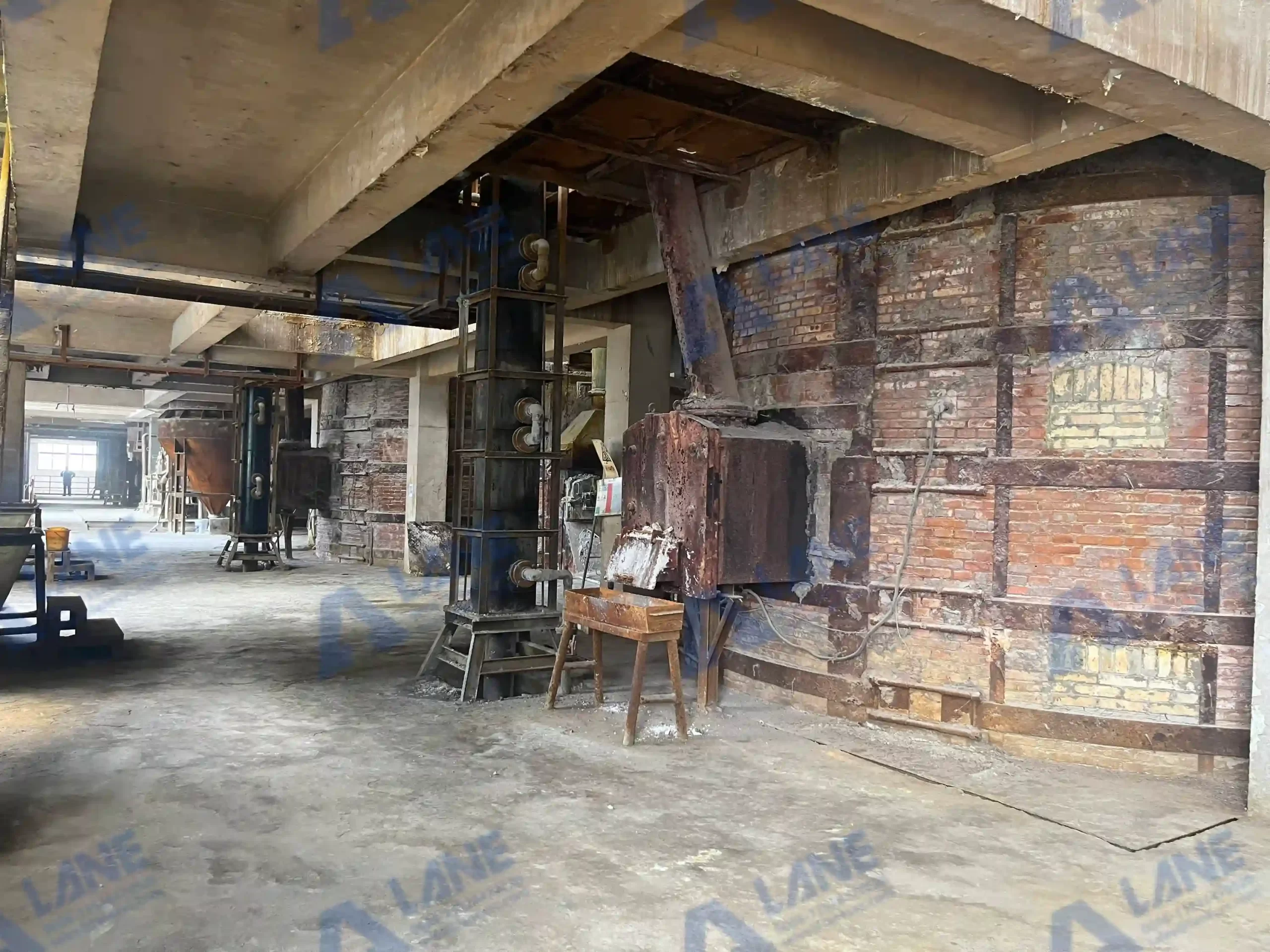
LANE uses specialized refractory materials and high-nickel alloys in the furnace construction, coupled with sophisticated HCl absorption systems to ensure long-term equipment durability.
Q4: Can brine production be done in rainy climates?
It is much more difficult. High evaporation rates are essential for the solar pond method, which is why most brine-based SOP plants are in desert or high-altitude regions.
Of course, we also offer other types of products for your different needs, you can click to view.
For more information, please contact us by sending an inquiry today! We can help you!



Write a Reply or Comment