
SOP Fertilizer Brine Method: A Complete Guide to Potassium Sulfate Production from Natural Brines
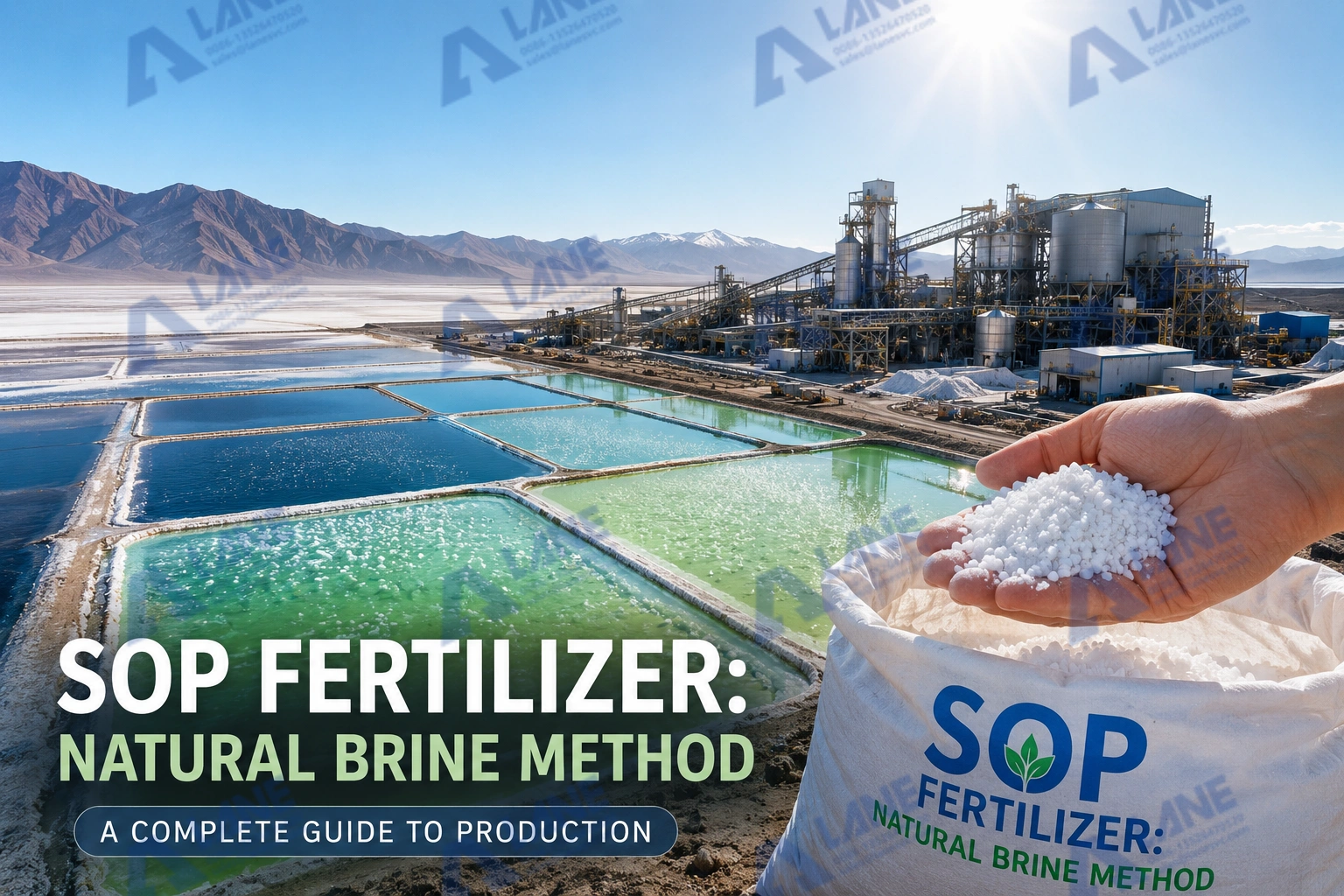
Potassium Sulfate (K₂SO₄) is a premium potassium fertilizer for high-value cash crops such as tobacco, fruits, and vegetables. It is famous for its dual nutrient value and low salt index. Sulphate of Potash (SOP) provides essential potassium and sulfur without increasing soil salinity. Among the various production techniques, the SOP fertilizer brine method is gaining popularity due to its reliance on natural resources, cost-effectiveness, and environmental sustainability. This method uses natural brines as a raw material source, making it especially suitable for regions rich in saline resources.
The SOP fertilizer brine method extracts potassium sulfate (K₂SO₄) directly from naturally occurring sulfate-rich brines. This method does not rely on potassium chloride (MOP) as an intermediate. This takes advantage of natural evaporation and selective crystallization to concentrate and recover potassium sulfate. In this guide, we explore how the SOP fertilizer brine method works, its advantages, and how a modern production line from LANE optimizes the entire process.
Understanding the SOP Fertilizer Brine Method
The brine method is a process that extracts potassium salts from natural brine sources, such as salt lakes or underground brine deposits, and converts them into high-purity potassium sulfate. This method avoids high-temperature reactions, which reduces energy consumption. The SOP fertilizer brine method relies on controlled evaporation, crystallization, and chemical conversion.
Only 30% of global SOP capacity comes from brine-based production; the rest of the supply mainly comes from Mannheim-type processes. As the demand for chloride-free potassium fertilizers continues to grow, the SOP brine method is attracting more attention for its lower energy footprint and suitability for regions with abundant brine resources.
Key Steps in the SOP Fertilizer Brine Method
The SOP brine method involves the following stages:
- Brine extraction and pretreatment: Natural brine is pumped from underground or surface sources and filtered to remove impurities.
- Evaporation and concentration: Solar or mechanical evaporation increases the concentration of potassium salts.
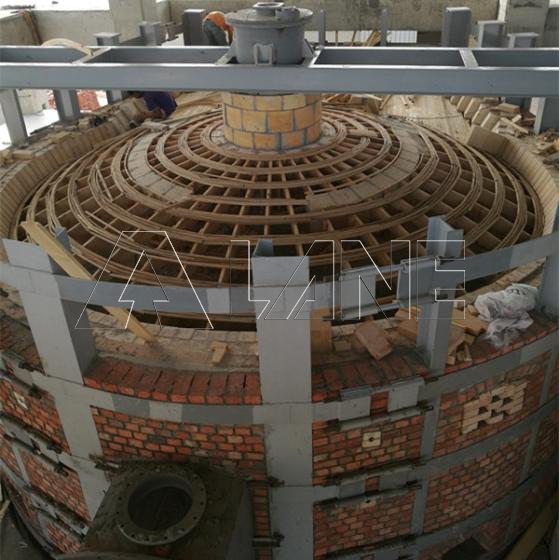
- Crystallization: LANE Heavy Industry provides forced circulation crystallizers and high-efficiency dynamic agitation tanks. These ensure that the schoenite reacts completely during transformation, optimizing the output quality of the SOP fertilizer brine method.
- Drying and Cooling Systems: Wet crystals must be dried to remove moisture. LANE Heavy Industry’s Rotary Drum Dryer utilizes advanced heat exchange technology to prevent the potassium sulfate from caking or decomposing. Paired with a cooling drum, the finished fertilizer is quickly brought down to packaging temperature, ensuring physical stability.
- Granulation and Finished Processing: For markets requiring granular fertilizer, LANE’s Compacting Granulators or Disc Granulators are ideal. They process the powdered SOP brine method output into hard, uniform granules that are perfect for mechanized farming.
Each stage in the SOP fertilizer brine method must be carefully controlled to ensure high product purity and optimal yield.
Role of LANE Heavy Industry Machinery
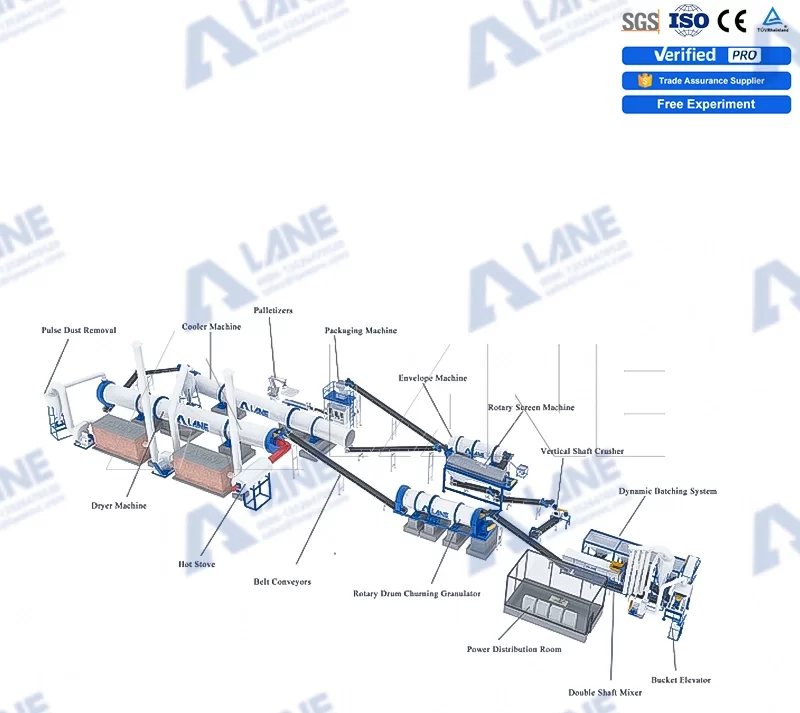
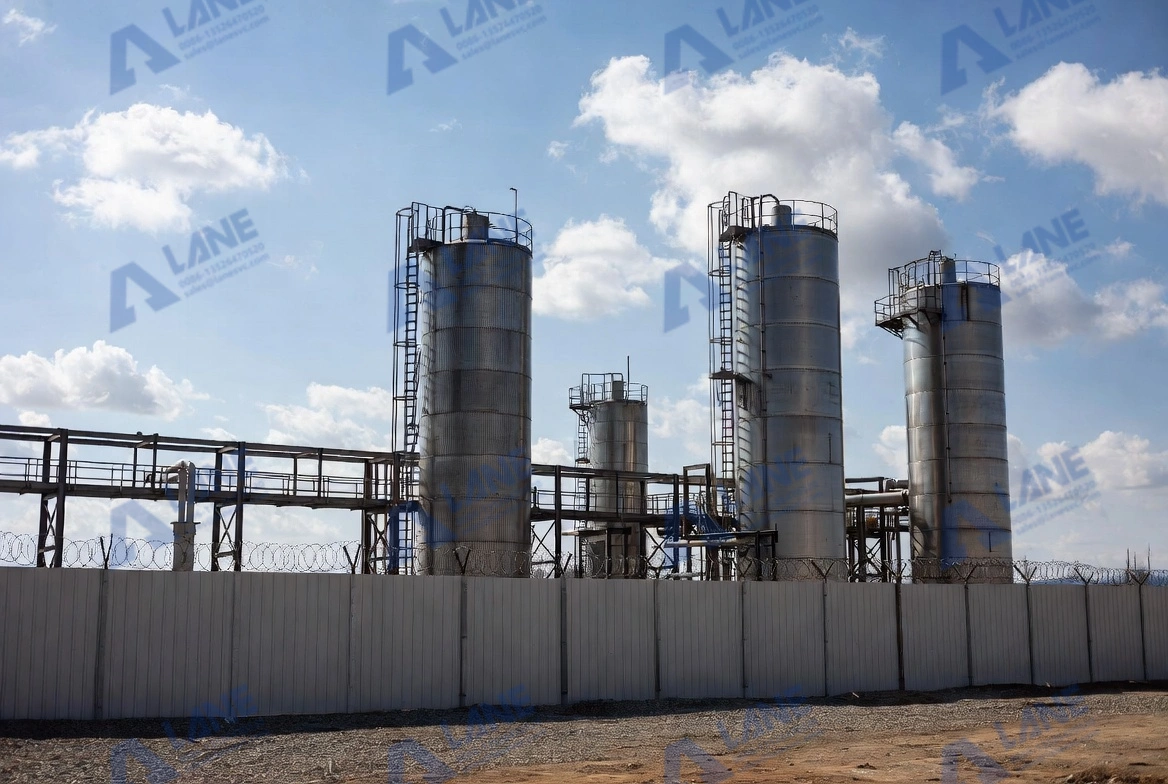
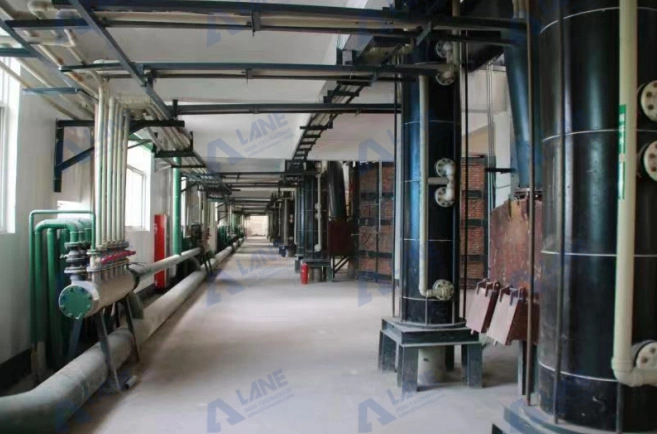
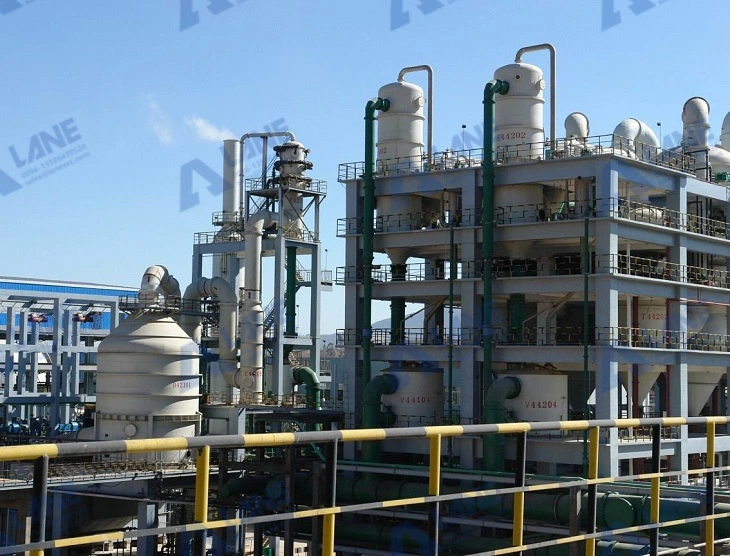
Modern SOP production relies heavily on advanced equipment to maintain efficiency and consistency. LANE Heavy Industry provides a complete fertilizer production line specifically designed for the SOP fertilizer brine method.
Their machinery integrates multiple stages of the process into a streamlined system:
- Brine processing units ensure efficient filtration and concentration.
- Crystallizers designed for precise salt separation improve yield.
- Reaction systems optimize the conversion of potassium chloride into SOP.
- Drying and granulation equipment produces uniform, market-ready fertilizer.
- Automated control systems monitor temperature, pressure, and chemical balance throughout the brine method.
By using LANE Heavy Industry’s machinery, manufacturers can significantly enhance productivity while reducing operational costs.
Why Choose the SOP Fertilizer Brine Method?
Compared to other production processes, the brine method offers several distinct advantages:
- Low Energy Consumption: It primarily utilizes solar energy for initial concentration, which drastically reduces fuel costs.
- No Hydrochloric Acid By-product: Unlike the Mannheim process, which produces large amounts of corrosive HCl gas, the brine method produces magnesium-rich mother liquor, which can be further processed into magnesium fertilizers or flame retardants.
- Environmental Friendliness: It aligns with modern green agriculture requirements by maintaining a lower carbon footprint.
- Resource Security: For regions with Salt Lake deposits, this method provides a highly competitive localized production solution.
Quality Advantages of SOP from the Brine Method
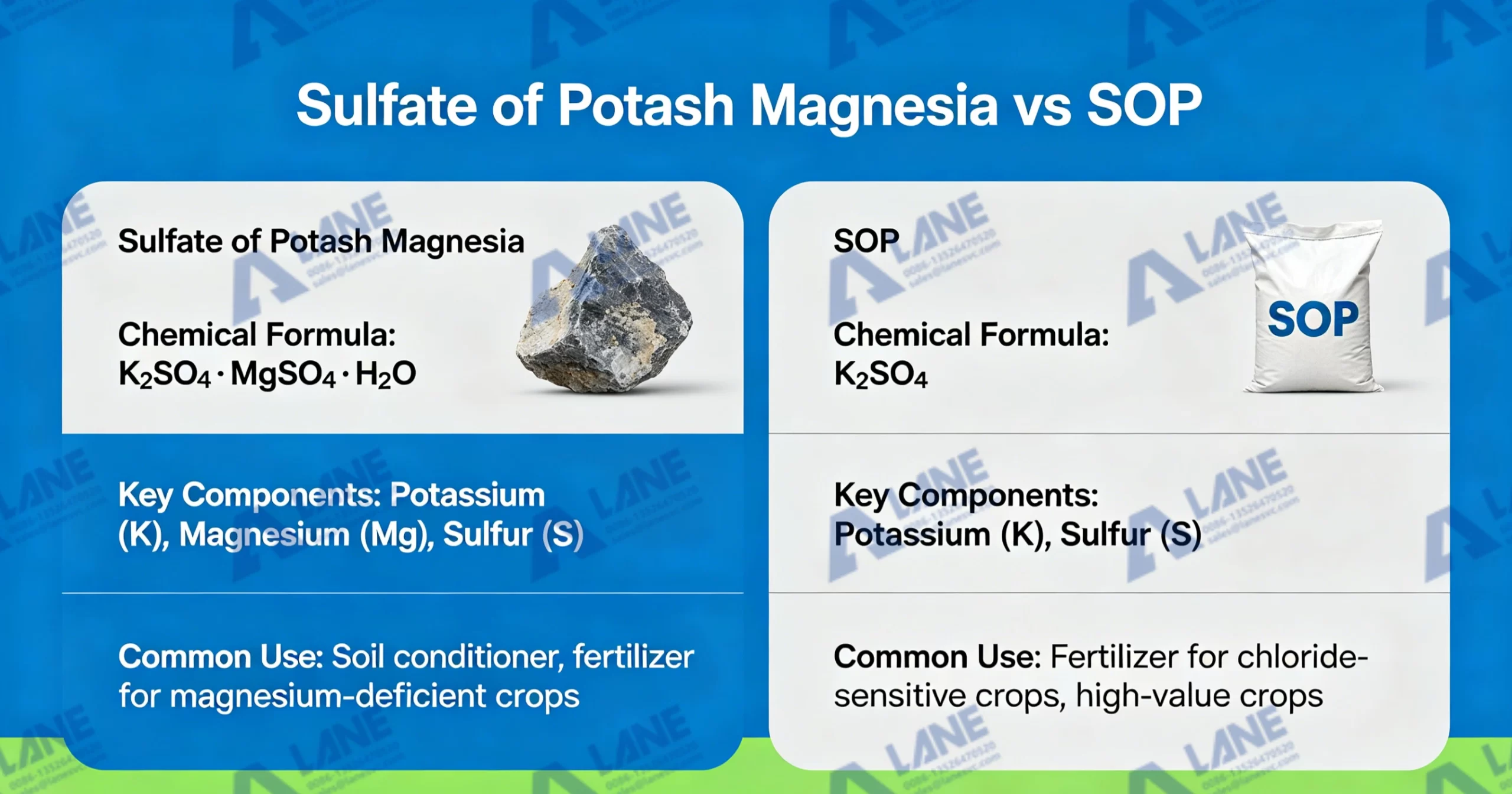
SOP produced via the SOP fertilizer brine method typically meets the strictest agricultural standards. The finished product contains at least 50% K₂O and approximately 18% sulfur, with chloride content consistently below 1.5%. This low chloride profile makes it the ideal choice for chloridesensitive cash crops.
The SOP brine method also yields a product with high water solubility, making it suitable not only for direct soil application but also for fertigation and blending into watersoluble NPK formulations.
Environmental and Economic Benefits
Compared to the Mannheim process, the SOP fertilizer brine method offers significant environmental advantages:
- Reduced Carbon Footprint: Primary brinebased SOP production generates substantially lower CO₂ emissions than acidbased secondary manufacturing.
- Lower Energy Consumption: The reliance on solar evaporation and heat recovery systems slashes total energy use.
- Waste Minimization: By recycling waste brines and dust, the SOP fertilizer brine method achieves nearclosedloop material efficiency.
- Economic Competitiveness: Brinebased producers enjoy structurally lower operating costs, positioning them favorably in global SOP markets.
Frequently Asked Questions (FAQ)
Q1: What raw materials are used in the SOP fertilizer brine method?
The SOP fertilizer brine method primarily uses hypersaline brines from salt lakes, underground aquifers, or playas, sometimes supplemented with potassium chloride (MOP) for yield optimization.
Q2: How does the brine method differ from the Mannheim process?
The brine method is a primary, evaporationbased process that avoids sulfuric acid, whereas the Mannheim process is a secondary route that reacts MOP with sulfuric acid at high temperatures.
Q3: Is the brine method more environmentally friendly?
Yes, compared to traditional acidbased processes, the brine method consumes less fossil energy and produces a smaller carbon footprint, especially when coupled with solar evaporation and heat recovery systems.
Q4: Can LANE Heavy Industry supply a complete SOP fertilizer brine method production line?
Absolutely. LANE Heavy Industry provides turnkey production lines covering reaction, crystallization, drying, granulation, and automated packaging, all designed to support the brine method.
Conclusion
The SOP fertilizer brine method represents a forward-thinking solution for sustainable potassium fertilizer. This method is costeffective and energyefficient. LANE Heavy Industry’s integrated production lines, featuring corrosionresistant reactors, precision crystallizers, rotary drum granulators, automated control systems, and dust recovery technology, provide a complete turnkey solution for producers looking to capitalize on this efficient and ecofriendly method. With LANE Heavy Industry’s production line, the advantages of SOP fertilizer production are clear.
Of course, we also offer other types of products for your different needs, you can click to view.
For more information, please contact us by sending an inquiry today! We can help you!



Write a Reply or Comment