
How to Lower Chloride Content in SOP Production – Key Methods and Industry Best Practices
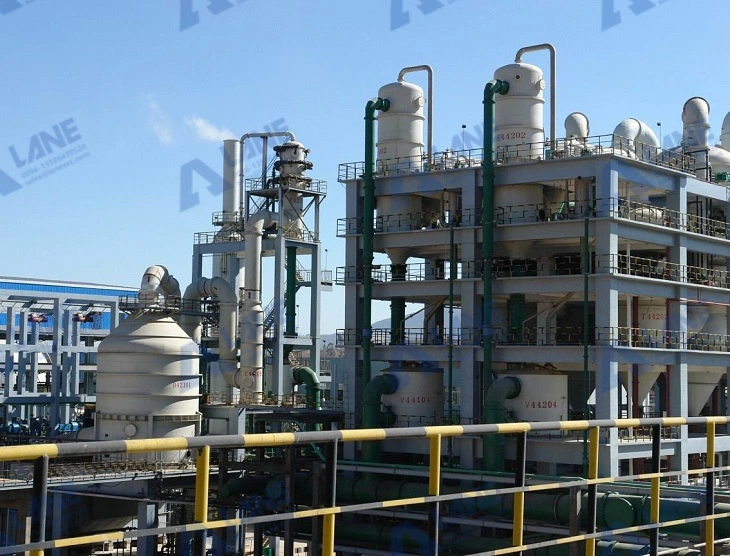
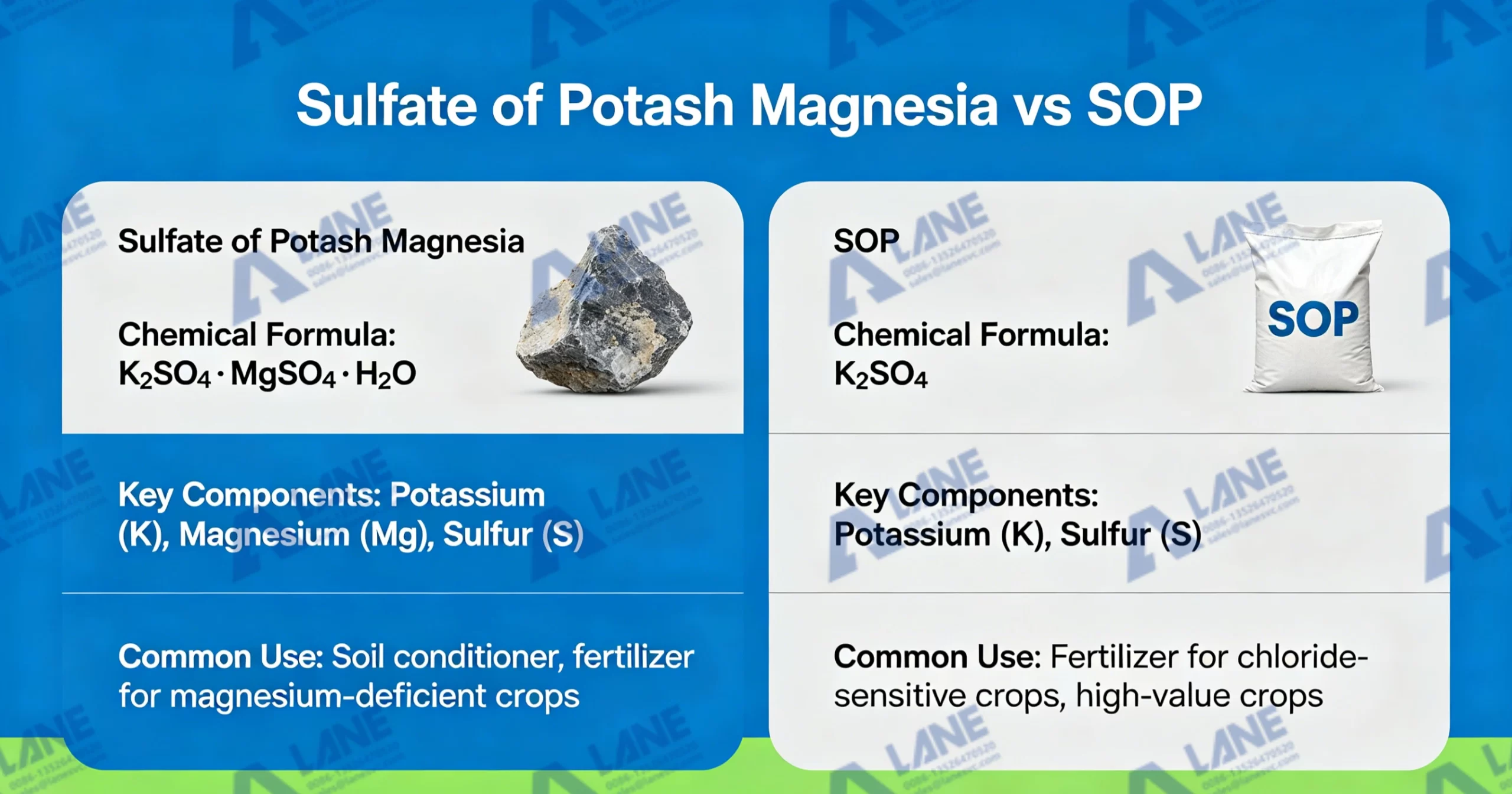
As the demand for chloride-sensitive cash crops like tobacco, fruits, and nuts surges, the international demand for premium-grade Sulfate of Potash (SOP) has been getting higher. But to get your product to have premium tag, producers must strictly follow some industrial best practices for producing pure sulphate of potash with chloride levels below 1.0% to even 0.5%. Understanding how to lower chloride content in SOP production is essential for any fertilizer plant aiming to produce premium-grade SOP fertilizer.
Excess chloride reduces fertilizer quality and affects sensitive chloride-intolerant crops after application. This lowers export acceptance standards of your produced fertilizer. Every potassium fertilizer manufacturer must know how to lower chloride content in SOP production when producing. Controlling chloride conditions requires advance purification systems, and high-efficiency equipment. LANE Heavy Industry provides Turnkey SOP fertilizer production solutions and our SOP fertilizer production line is designed to enhance purity, stability, and efficiency.
Understanding Chloride Sources in SOP Production
When evaluating how to lower chloride content in SOP production, we found that the primary source of chloride is the primary source is potassium chloride (KCl). It is reacted with sulfuric acid (H₂SO₄) in the Mannheim process or similar chemical conversion methods to create SOP fertilizer. This reaction also creates hydrochloric acid (HCl) gas form as by product. Incomplete conversion or poor processing in the reaction stage leaves residual chloride in the final potassium sulfate product.
Natural mineral processing method also contains chloride as the raw Minerals like kainite, langbeinite, and other potassium-rich ores also contain inherent chloride concentrations. These chloride concentrations must be removed during processing.
Water sources used in washing, crystallization, and solution purification can also introduce additional chloride contaminates if they are not purified properly.
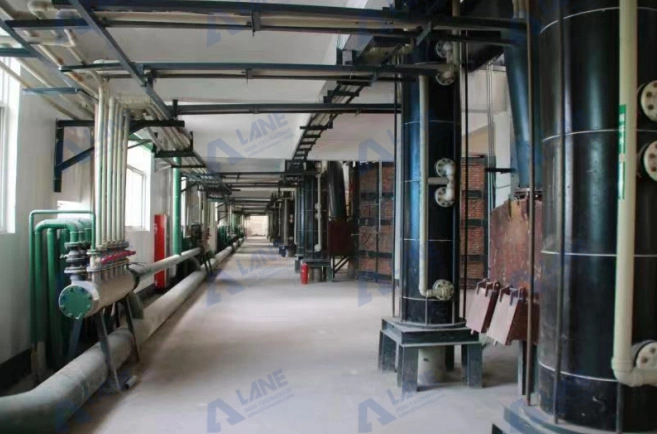
Understanding the Core Chemistry: The Mannheim Process
To control the chloride levels of your production line, it is essential how to lower chloride content in SOP production. The first step is to figure out how chloride enters the system and how it is chemically liberated. The most dominant commercial method for manufacturing SOP is the Mannheim Process.
This is a two-stage process which deploys both exothermic and endothermic reaction between Potassium Chloride and Sulfuric Acid.
The overall chemical reaction occurs in two distinct operational stages within a specialized Mannheim furnace:
- First Stage (Exothermic, Low Temperature):
KCl + H₂SO₄ ➡ KHSO₄ + HCl ↑
This initial reaction happens at lower temperature where it converts Potassium chloride into potassium bisulfate and releases hydrogen chloride (HCI) gas.
- Second Stage (Endothermic, High Temperature):
KCl + KHSO₄ →K2SO4 + HCl ↑
This stage requires large amount of thermal energy and it occurs at temperatures between 500°C and 600°C. It is the critical bottleneck for chloride removal; If the reaction is incomplete, unreacted KCI remains trapped in SOP matrix as residual chloride.
While discussing how to lower chloride content in SOP production? we learned that the entire process relies on transforming the chloride atoms in the form of HCI gas. Any operational flaw that restricts the liberation, separation, or collection of this gas will directly result in elevated chloride content in the final SOP product.
Key Methods to Lower Chloride Content in SOP Production
To achieve a standard chloride content of less than 1.0% or premium grades below 0.5%, SOP producers must optimize several critical operational variables within their production lines. The key methods you need for learning how to lower chloride content in SOP production are.
Proper Mol-Ratio Balancing
The theoretical molar ratio of KCI to H₂SO₄ is 2:1. Relying on a strict theoretical balance leaves unreacted MOP due to localized mixing inefficiencies.
- The Solution:Maintaining a slight excess of sulfuric acid (typically a molar ratio of 1:1.01 to 1:1.03) ensures that every molecule of potassium chloride has adequate acid exposure to complete both stages of the reaction. LANE Heavy Industry’s automated dosing systems utilize high-precision loss-in-weight feeders and acid flow meters to maintain this delicate balance.
High-Temperature Optimization and Uniform Heat Distribution
The second stage of the Mannheim reaction is highly endothermic, a slight temperature drop inside the reaction chamber will instantly slow down or halt the conversion of KHSO4 to K2SO4.
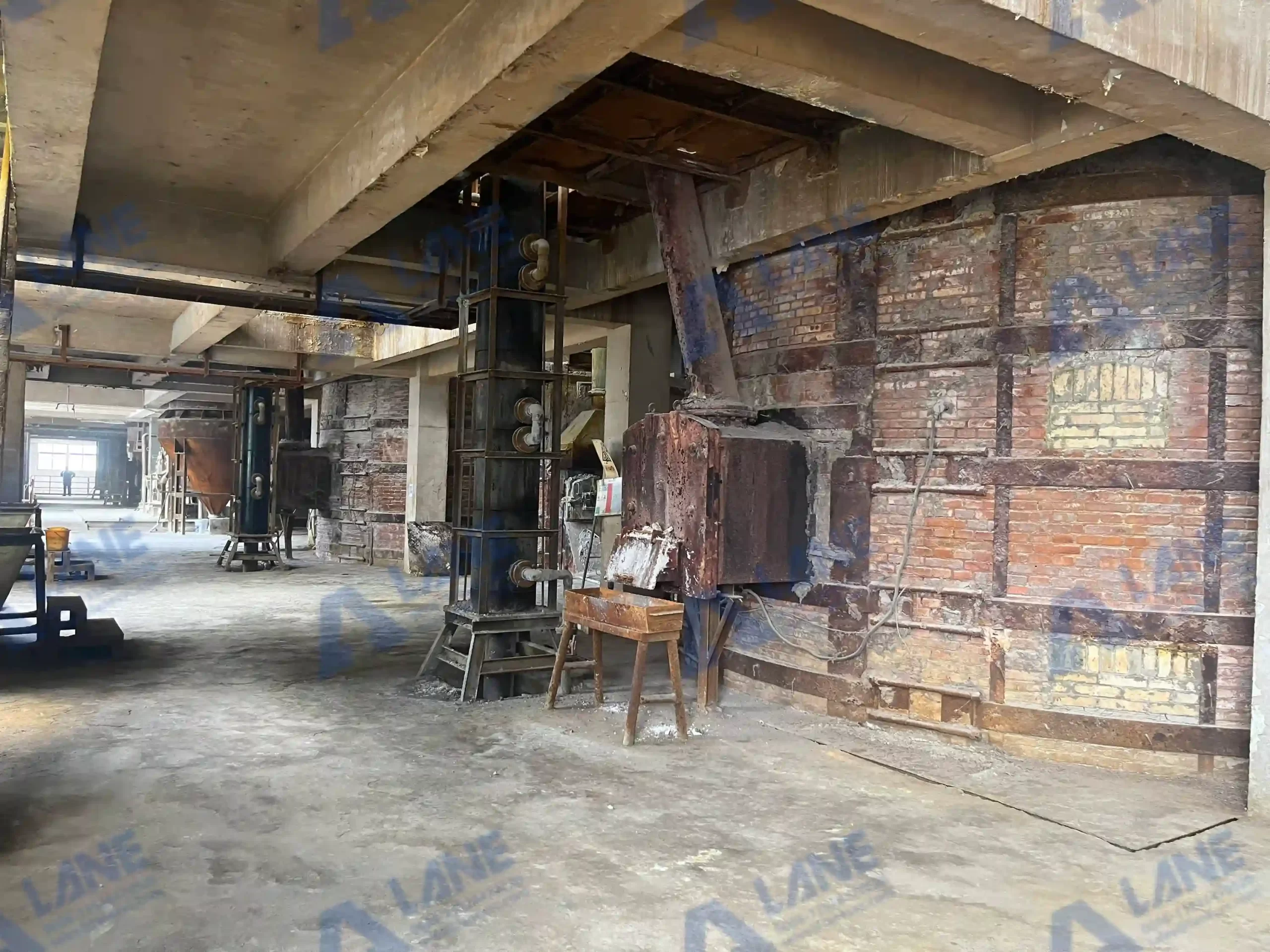
- The Solution:The reaction chamber must be maintained uniformly at 520°C to 560°C. The distribution of the heats must be managed properly. Poor heat distribution inside the reaction chamber creates “cold spots” inside the furnace. In these hotspots unreacted MOP passes through untouched. Advanced furnace designs utilize high-velocity burners and optimized refractory brick lining to eliminate temperature gradients. This ensures every zone of the bed reaches the required activation energy for total dechlorination.
Mechanical Agitation and Bed Renewal
The liquid slurry inside the Mannheim furnace transition from a liquid slurry to a sticky, paste like state before processing into a solid powder. If the material is not turned properly in the reactor the HCI gas becomes trapped inside localized pockets of the product bed, forcing the chemical equilibrium backward.
- The Solution:Heavy-duty, continuous mechanical agitation is mandatory. Specially angled mixing rakes must continuously plow, turn, and push the material across the hearth. This continuous agitation exposes fresh surface areas to the heat source and allow HCl gas to break free from the solid matrix and vent smoothly into the gas collection system.
LANE Heavy Industry SOP Production Line Integration
After learning how to lower chloride content in SOP production, we understood that the success of chloride reduction strategies depends heavily on equipment design and process integration.
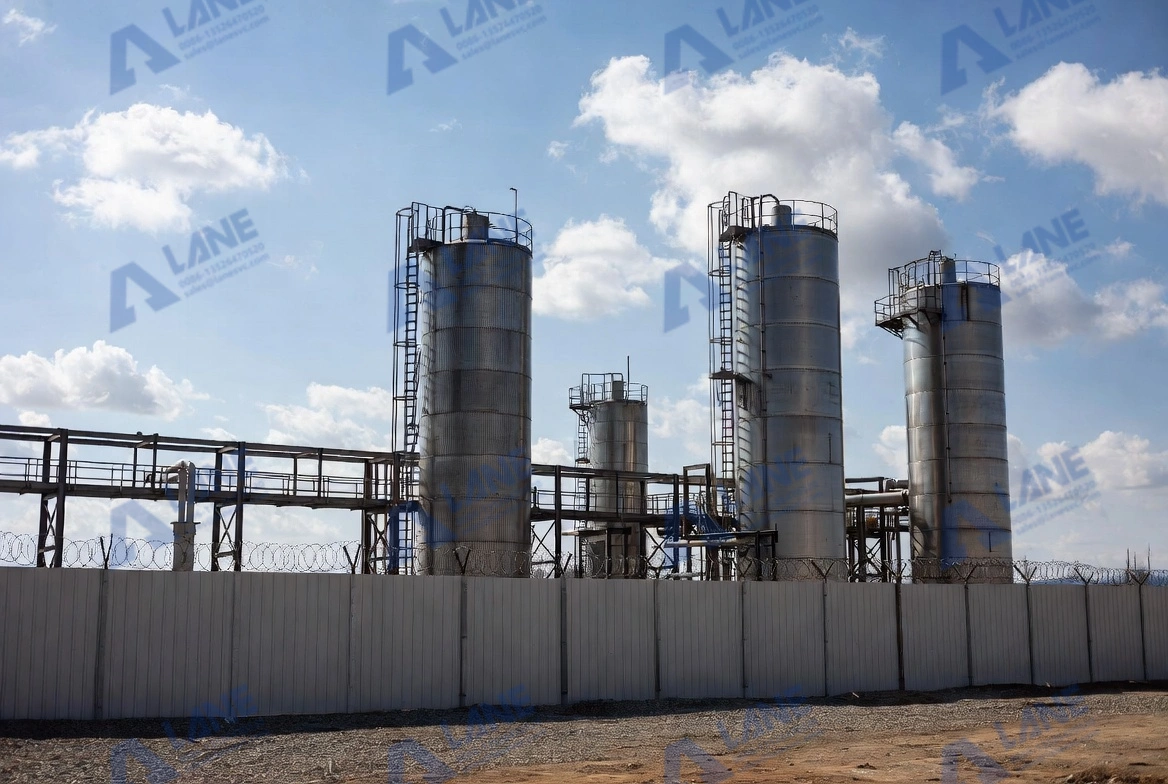
Henan LANE Heavy Industry Machinery Technology Co., Ltd. has over two decades of experience in heavy duty and fertilizer production machinery manufacturing. We provide turnkey service for complete SOP fertilizer production systems designed for high efficiency and purity control.
Core Equipment in LANE SOP Production Line
- Mannheim furnace reactor system
- Raw material crushing and feeding unit
- Acid gas absorption and scrubbing tower
- Crystallization and separation system
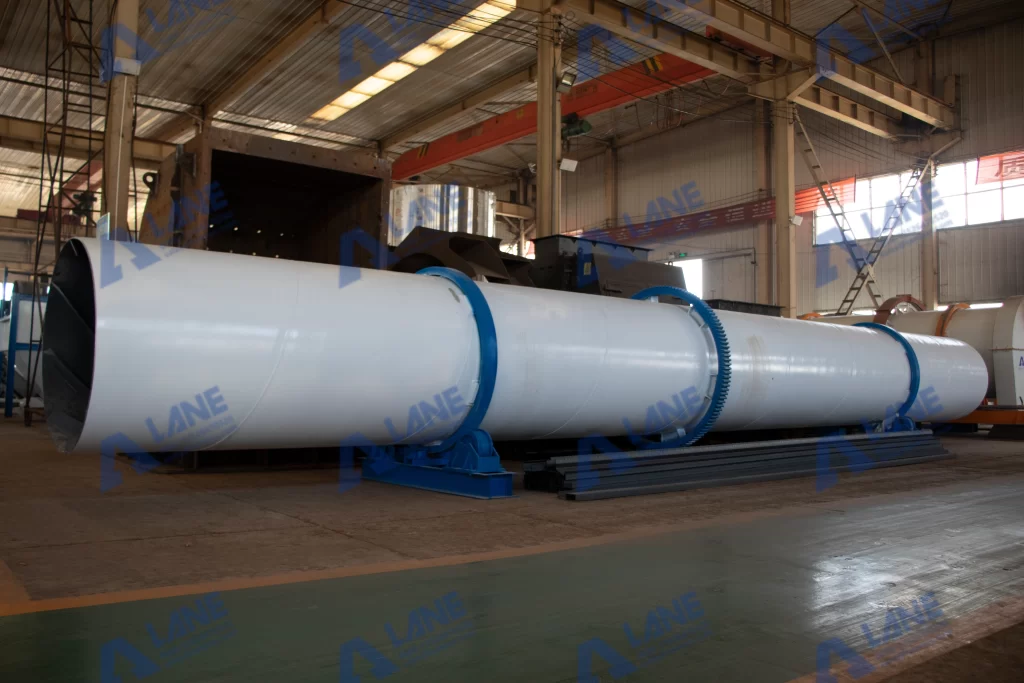
- Rotary drying and cooling equipment
- Automated packaging system
Each system is engineered to support how to lower chloride content in SOP production through stable reaction control and high-efficiency purification.
Industry Best Practices for SOP Production Plants
Even after learning about how to lower chloride content in SOP production, your production process might fail if you don’t implement some practices for producing consistent producing low-chloride SOP. Implement the following best practices in your facility will help you achieve your goal:
| Operational Focus Area | Best Practice Strategy | Direct Benefit to SOP Quality |
| Raw Material Control | Enforce strict purity standards for raw MOP input ≥ 60% K2O content, minimal initial moisture). | Eliminates excess thermal demands and safeguards acid-to-base molar calculations. |
| Off-Gas Monitoring | Install Continuous Emissions Monitoring Systems (CEMS) on HCl absorption stacks. | Serves as an early indicator of drop-offs in furnace-level dechlorination efficiency. |
| System Maintenance | Implement rigid, preventive schedule for inspecting and replacing furnace rake teeth. | Eliminates bed “dead zones” where unreacted, high-chloride pockets of MOP escape. |
FAQ: Lowering Chloride Content in SOP Production
Q1: What is the most effective single step to lower chloride content in SOP production?
The most impactful step in addressing how to lower chloride content in SOP production is thorough countercurrent washing of the SOP cake immediately after solid-liquid separation. When performed with well-designed equipment like LANE Heavy Industry’s multi-stage centrifuges, this step can remove the majority of surface-bound chloride.
Q2: Can chloride be removed completely from SOP?
Complete chloride removal is impractical, but levels below 1% are achievable through proper process control, crystal washing, and advanced purification techniques.
Q3: What temperature is optimal for lowering chloride in SOP production?
Reaction temperatures between 180-220°C minimize HCl formation while ensuring complete KCl conversion to K₂SO₄.
Q4: How does crystal washing reduce chloride content?
Washing SOP crystals with purified water dissolves residual chloride salts from crystal surfaces, reducing chloride levels through repeated rinsing cycles.
Q5: How does LANE Heavy Industry’s machinery specifically help lower chloride content?
LANE Heavy Industry’s fertilizer production line addresses how to lower chloride content in SOP production through integrated pusher centrifuges with precision wash systems, vacuum crystallizers that minimize chloride occlusion, and automation that continuously adjusts parameters to keep chloride at target levels.
Of course, we also offer other types of products for your different needs, you can click to view.
For more information, please contact us by sending an inquiry today! We can help you!



Write a Reply or Comment