
The ultimate guide to potassium sulfate production lines: Technology, costs, and ROI
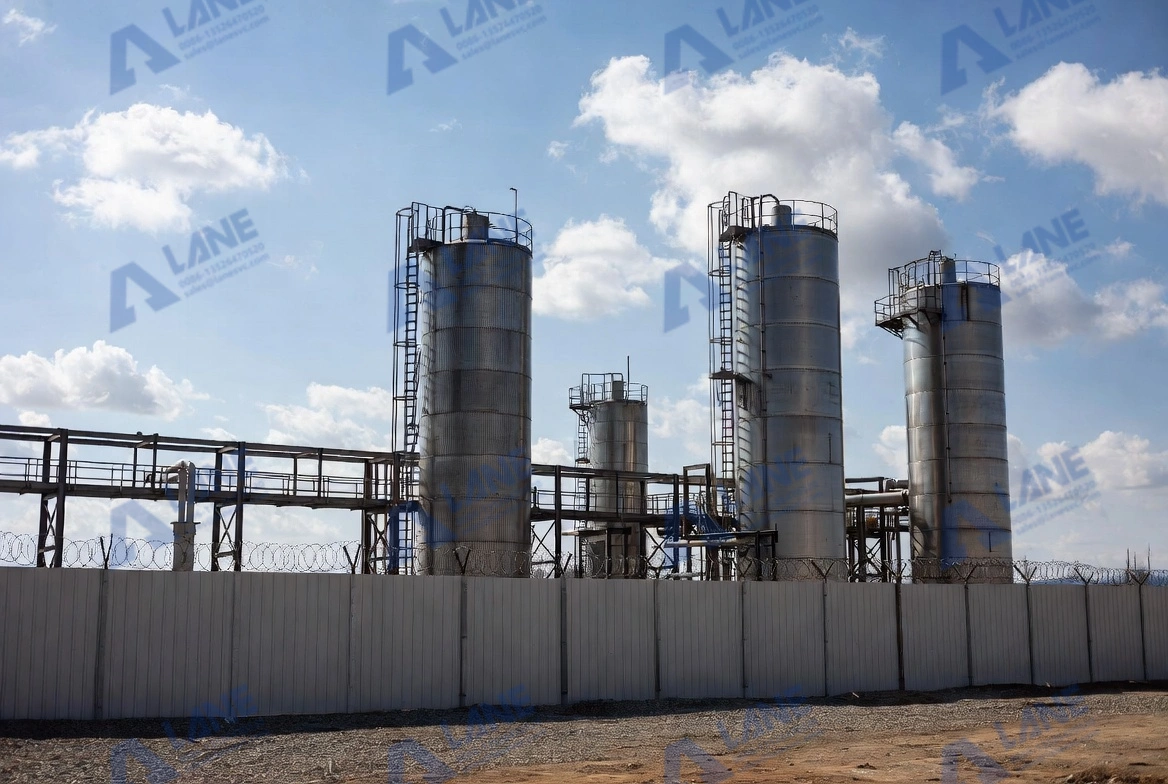
Chloride-free fertilizers: The shift in global agriculture
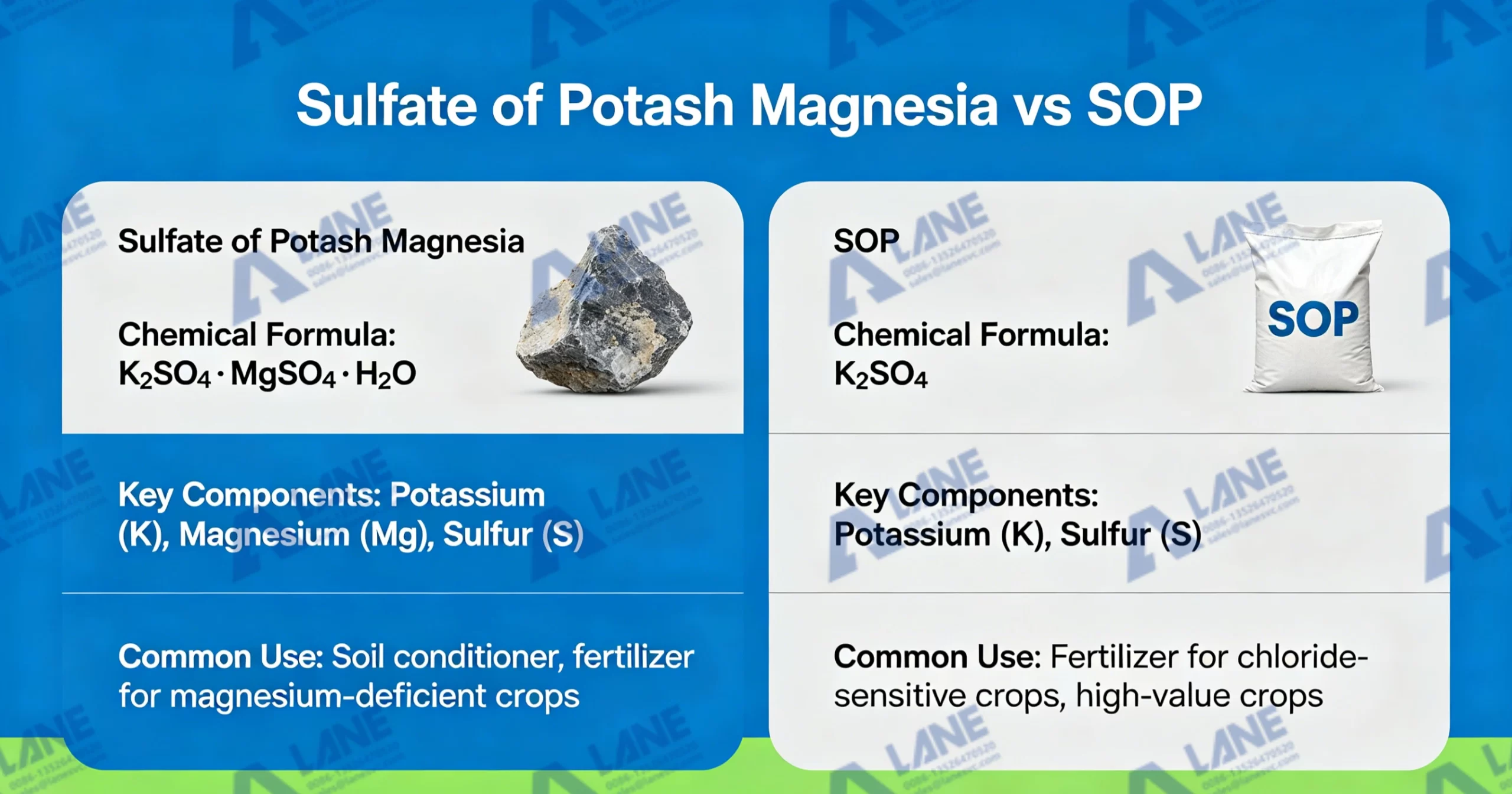
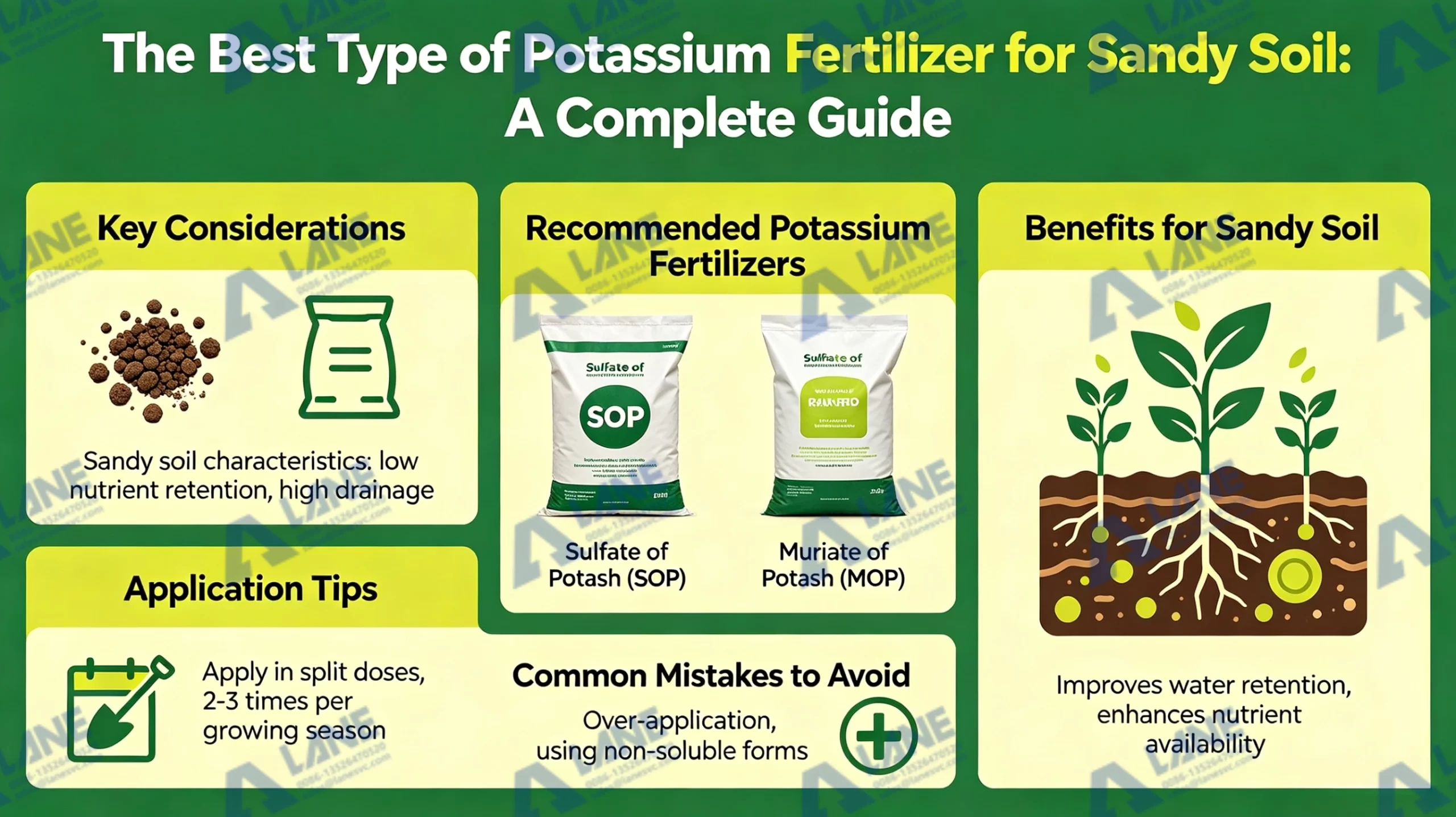
Global agriculture is changing. Soil salinity is a major problem for growers of high-value crops, which has led to a spike in demand for potassium sulfate (SOP). Unlike muriate of potash (MOP), SOP provides potassium and sulfur without the chloride ions that can damage sensitive plants.
For investors and factory owners, building a Mannheim process SOP plant is a strategic move into the specialty fertilizer market. However, success in this industry requires more than buying machines. You need to understand the process kinetics, the materials involved, and the economic variables.
How a Mannheim process SOP plant works
The Mannheim method is the most common and reliable way to produce potassium sulfate (K2SO4) through a thermochemical route.
The chemical reaction
The process relies on a reaction between potassium chloride (KCl) and concentrated sulfuric acid (H2SO4). This reaction happens in two stages. First, the ingredients react at lower temperatures to form potassium bisulfate. In the second stage, the temperature rises above 500°C to finish the conversion to potassium sulfate.
The full chemical formula is: 2KCl + H2SO4 → K2SO4 + 2HCl
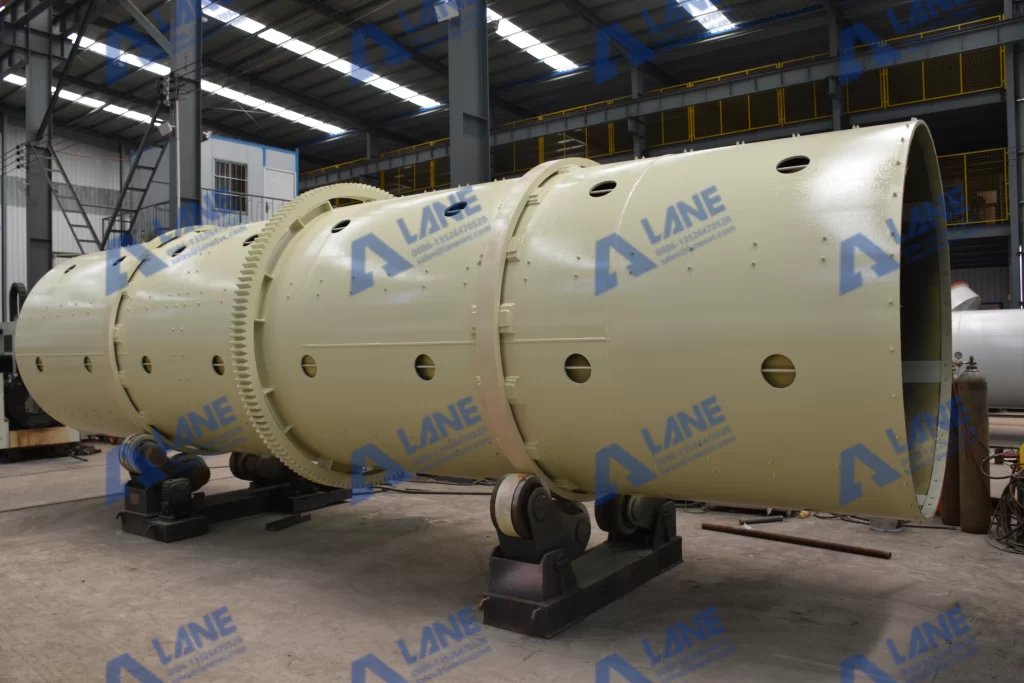
Engineering the Mannheim furnace
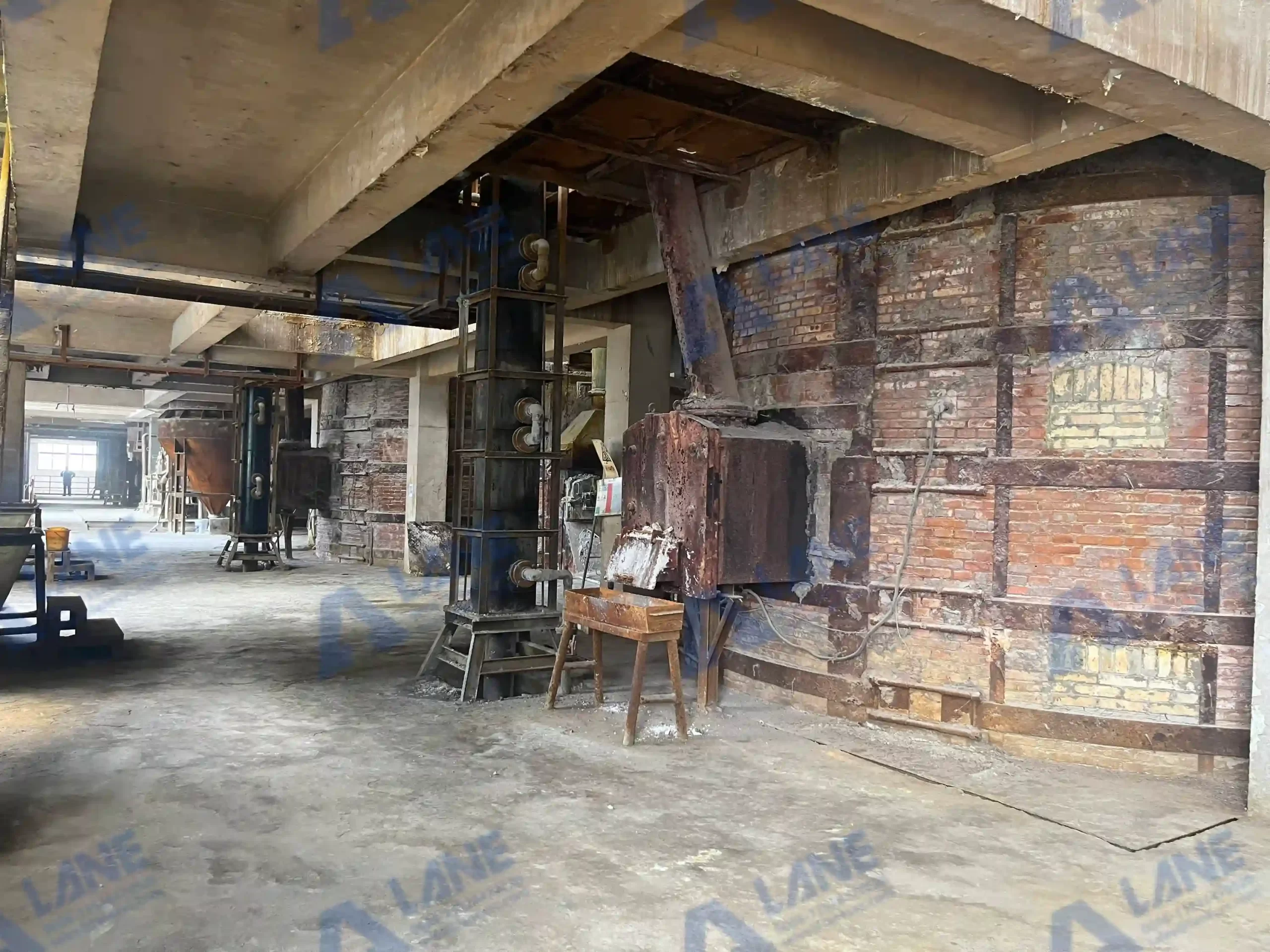
The furnace is the center of the production line. At LANE Machinery, we focus on thermal efficiency and corrosion resistance.
- Refractory lining: The furnace operates at temperatures over 600°C with corrosive HCl gas. We use silicon carbide and alumina-based bricks that typically last 5 to 8 years before they need a major overhaul.
- Raking system: The internal agitator moves corrosive slurry under heavy torque. We build the raking arms from high-nickel alloy steel to prevent the equipment from failing early.
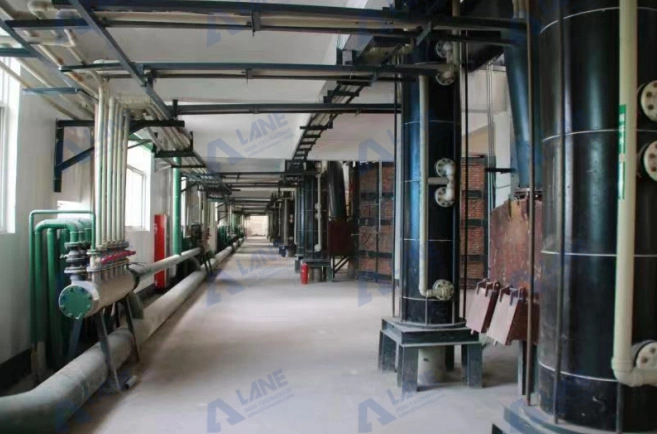
Potassium sulfate manufacturing costs
Investors always ask about the actual production cost per ton.
Raw material costs
Raw materials usually make up 70% to 80% of your operating expenses.
- Potassium chloride (KCl): Using 95% or 98% purity KCl will determine the grade of your final product.
- Sulfuric acid (H2SO4): Most plants use standard 98% industrial-grade acid.
Energy and utilities
The reaction requires constant heat from natural gas, fuel oil, or coal. We design our lines with heat recovery systems that preheat the incoming acid. This can lower your energy bills by about 15%.
Revenue from HCl byproducts
A standard production line makes about 1.1 to 1.2 tons of 31% hydrochloric acid for every ton of SOP. In areas where steel pickling or oil well acidizing is common, you can sell this acid to offset up to 20% of your production costs.
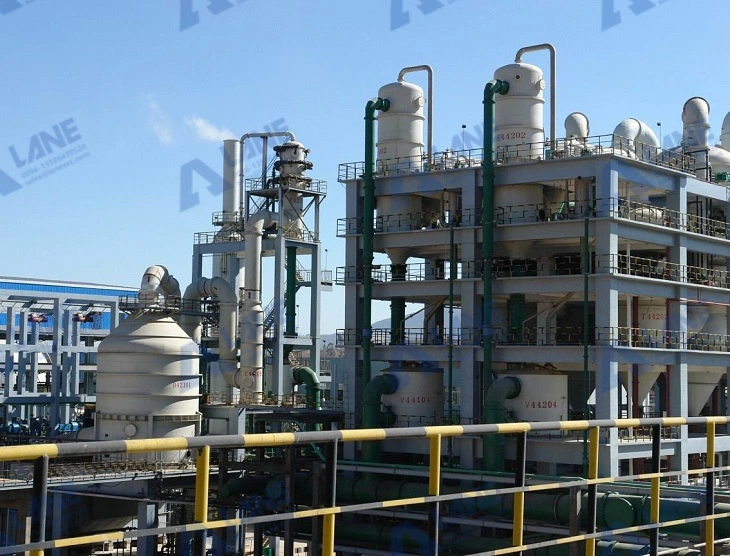
Equipment in a potassium sulfate production line
A professional line is a set of units that must work together perfectly.
Feeding and dosing
Precision is the priority here. If the ratio of KCl to acid is off, the final product will be too acidic or contain unreacted salts. We use digital feeders to maintain quality.
Reaction and calcination
This happens inside the Mannheim furnace. The process must stay continuous to keep the temperature stable.
Recovering HCl gas
The hydrogen chloride gas must be captured. Our absorption towers reach 99.5% efficiency. This meets environmental rules and produces high-purity industrial acid that you can sell.
Finishing the product
After the reaction, the SOP is a hot, acidic cake. The system cools and neutralizes it, then crushes and screens the material to a uniform size.
While some buyers want powder, the global market often prefers granules for bulk blending. We can include an extrusion or drum granulator in the line to meet this demand.
The commercial case for SOP
Why should an investor choose SOP instead of MOP?
- Sensitive crops: Tobacco, grapes, and berries cannot handle the chloride in MOP. SOP is the only option for these high-value exports.
- Sulfur content: SOP provides 18% sulfur in a form that plants can use immediately. This can increase yields by 10% to 20% in certain soils.
- Salt index: SOP has a lower salt index, making it safer for greenhouses and precision farming.
ROI and market strategy
Building a plant usually takes 12 to 24 months from the initial design to the day you start production.
Capital investment
Your initial investment covers the furnaces, gas absorption systems, and factory construction. A dual-furnace setup that produces 20,000 tons per year is usually the best size for mid-sized investors.
ROI expectations
SOP often sells for $200 to $400 more per ton than MOP. When you add the income from selling the byproduct acid, a well-run plant can pay for itself in 3 to 5 years.
Maintaining the equipment for a 20-year lifespan
In a corrosive environment, you need to fix problems before they happen.
- Check the agitator: Inspect the raking teeth every month.
- Monitor the bricks: Use thermal imaging every year to find thin spots in the furnace lining.
- Test the scrubber: Check the pH levels in the exhaust stacks to stay compliant with local laws.
Working with LANE Machinery
We are an engineering partner, not just a vendor.
- Full services: We handle everything from the site survey to operator training.
- Durability: We use high-performance alloys and ceramics to extend the life of the machines and lower your maintenance costs.
- Global experience: We have built plants in Southeast Asia, Africa, and Latin America.
Common questions from SOP investors
What is the purity of the final product?
It is usually 50% to 52% K2O with less than 1% chloride. This meets international standards.
Is the process environmentally friendly?
Yes, as long as you have a high-efficiency absorption system for the gas.
Can I use different grades of potassium chloride?
You can, but any impurities in the raw material will stay in the final fertilizer.
How many people do I need to run the plant?
A typical shift needs 3 to 5 people, depending on how much you automate.
How much space do I need?
A 20,000-ton line needs about 3,000 to 5,000 square meters.
How do you control the heat?
We use a multi-zone system with precision burners to keep the temperature steady without damaging the furnace walls.
Can I sell the hydrochloric acid?
In most industrial areas, there is high demand for HCl in metallurgy and chemical processing.
What is the biggest risk?
The main risks are managing corrosion and price changes in raw materials. High-quality equipment is the best way to handle the corrosion risk.
Conclusion
Building a potassium sulfate production line is a major investment, but it is rewarding. By using Mannheim process technology, you are entering the high-end fertilizer market at the right time.
LANE Machinery provides the engineering and the machines to make sure your factory is efficient from the first day.



Write a Reply or Comment