
Difference Between MOP, SOP, and Potassium Nitrate: Benefits, Costs, and Applications
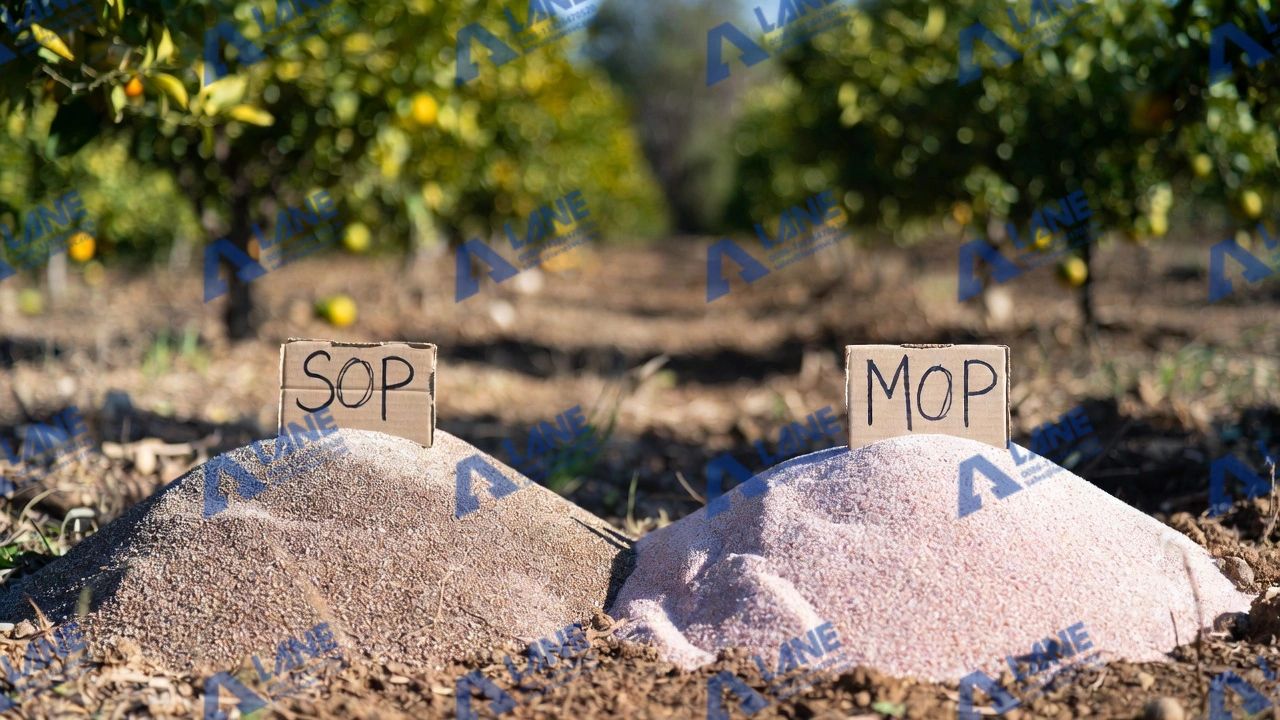
Potassium is one of the three major nutrients alongside nitrogen (N) and phosphorus (P). plant needs to survive. It is essential for crop health, water regulation, activating enzymes, synthesizing, and crop resistance to drought, diseases, and pests. Among the potassium fertilizer in the market, MOP (Muriate of Potash), SOP (Sulfate of Potash), and Potassium Nitrate are most widely used. The choice of the fertilizer can impact yield and quality. Understanding the Difference between MOP, SOP, and Potassium Nitrate is essential for the farmers and manufacturers who wants to produce or use these fertilizers.
The main difference between MOP, SOP, and Potassium Nitrate lies in their chemical composition, chloride content, nutrient profiles, cost, and application methods. Each of these fertilizer plays different role in nutrient management. LANE Heavy Industry provides complete fertilizer production machinery and turnkey solutions for MOP, SOP, compound fertilizer, and potassium nitrate processing projects worldwide.
This article analyses the difference between MOP, SOP, and Potassium Nitrate across different conditions, processing demands, and cost structures.
Understanding the Key Potassium Fertilizers
Muriate of Potash (MOP)
MOP, or potassium chloride (KCl), is the most used and common potassium fertilizer. It is cost-effective and is ideal for chloride-tolerant crops like maize, wheat, and cereals. It contains 60–62% K₂O along with up to 47% chloride and is highly soluble. However, the difference between MOP, SOP, and Potassium Nitrate becomes clearer when it comes to application in chloride-sensitive crops such as potatoes, tobacco, and many vegetables. MOP fertilizer causes toxicity to chloride sensitive crops.
Sulfate of Potash (SOP)
SOP (potassium sulfate) is a premium quality dual-nutrient fertilizer which contains 50% K₂O and 18% sulfur. It is a low-chloride <1.5% fertilizer, which makes it perfect for chloride-sensitive crops and high-value horticulture where chloride contamination can ruin the harvest. The difference between MOP, SOP, and Potassium Nitrate is visible hare as SOP provides sulfur without chloride, while MOP contains chloride and no sulfur, and Potassium Nitrate provides nitrogen plus potassium without sulfur.

Potassium Nitrate
Potassium Nitrate is a soluble fertilizer which contains 13% nitrogen in nitrate form and 46% potassium. It is good for vegetative growth and is ideal for fertigation, foliar feeding, and other precision agriculture. In the difference between MOP, SOP, and Potassium Nitrate comparison, Potassium Nitrate provide nitrogen. It is valuable for crops which needs both nitrogen and potassium during growth stages.
Benefits Comparison
| Feature | MOP | SOP | Potassium Nitrate |
| K₂O Content | 60–62% | ~50% | ~46% |
| Chloride Content | High (~47% Cl) | Virtually free | None |
| Sulfur Content | None | ~18% | None |
| Nitrogen Content | None | None | ~13% (nitrate) |
| Salt Index | High | Lower | Moderate |
| Best For | Chloride-tolerant crops | Chloride-sensitive crops, fruits, vegetables | Fertigation, foliar, high-value crops |
| Solubility | High | High | Very high |
The difference between MOP, SOP, and Potassium Nitrate is very clear, MOP is economical fertilizer, SOP enhances quality in premium sensitive crops, and Potassium Nitrate provides delivers nitrogen along with potassium for vegetative growth.
Agricultural Benefits and Soil Constraints
The primary Difference between MOP, SOP, and Potassium Nitrate is their anion (chloride, sulfate, or nitrate)
- Chloride Sensitivity:Chloride is one of the essential micronutrients for crops, but excessive amount of chloride is toxic to many high-value crops like tobacco, grapes, citrus, and certain berries. MOP fertilizer contains up to 47% of chloride, which can lead to leaf burn and reduce the fruit quality. SOP and Potassium Nitrate are chloride-free fertilizers and they preserve the delicate root structures and soil microbial health.
- Salinity Indexes:In arid or semi-arid agricultural zones, soil salinity is an ongoing challenge. MOP is high chloride fertilizer with salinity index of 114 to 116. whereas SOP has 46 and Potassium Nitrate have 74 salinity which is lower and makes them safer for drought-prone regions.
- Nutrient Synergy:Potassium Nitrate offers a unique advantage because the nitrate ion (NO3) increases the plants uptake of potassium (K), This generates a synergistic effect that promotes fast canopy development and rapid fruit sizing.
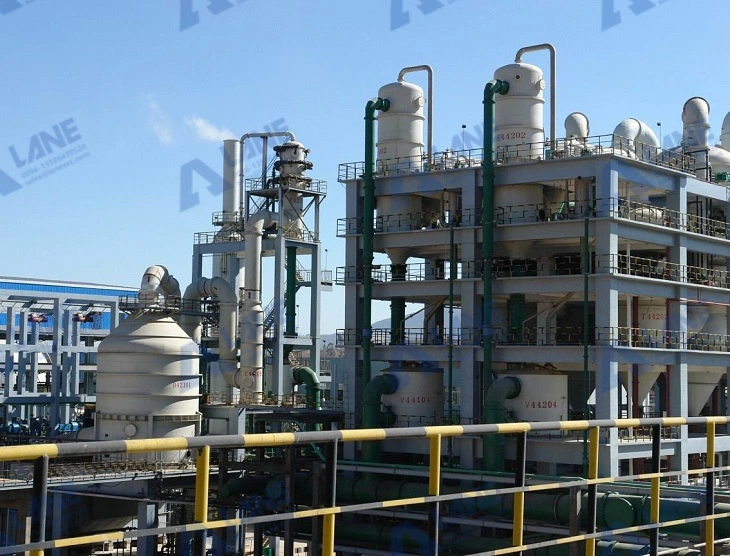
Fertilizer Production Machinery from LANE Heavy Industry
Understanding the Difference between MOP, SOP, and Potassium Nitrate is very important for both farmers and manufactures who are interested in investing in potassium production facilities. LANE Heavy Industry provides complete fertilizer manufacturing equipment for potassium fertilizer production. We provide design, machinery training, commissioning, and 24/7 after sales support so that your production facility can run smoothly.
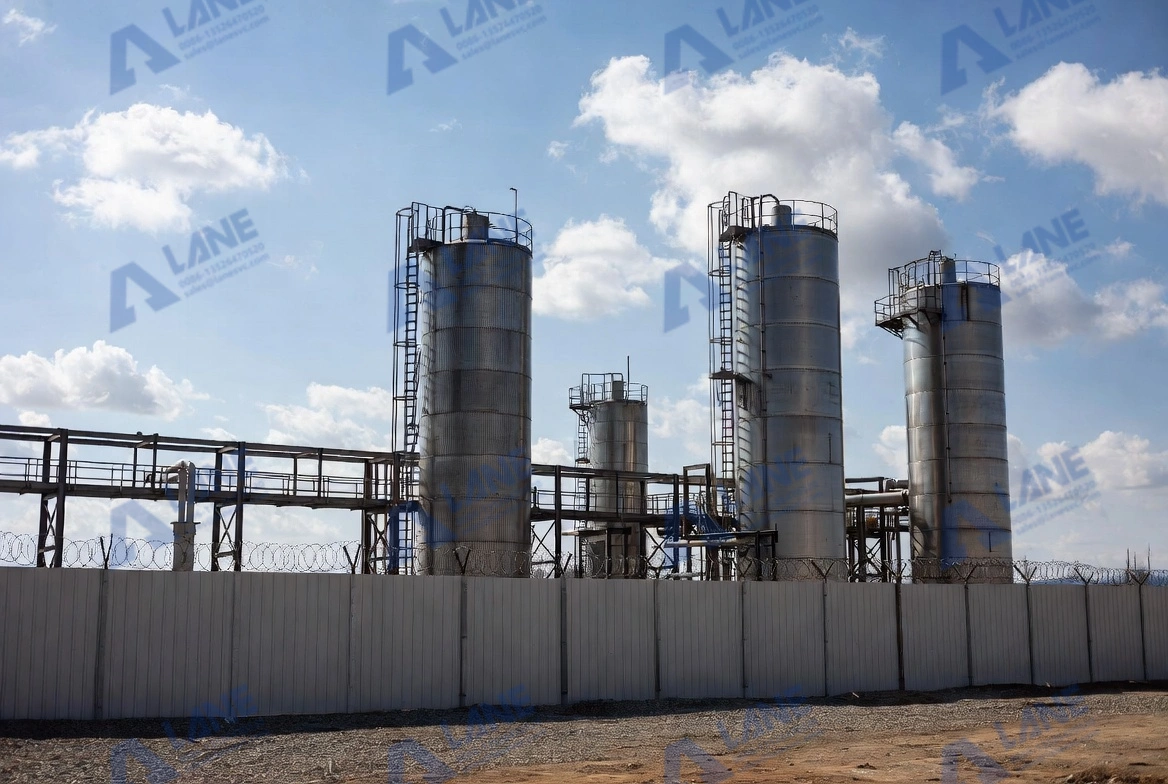
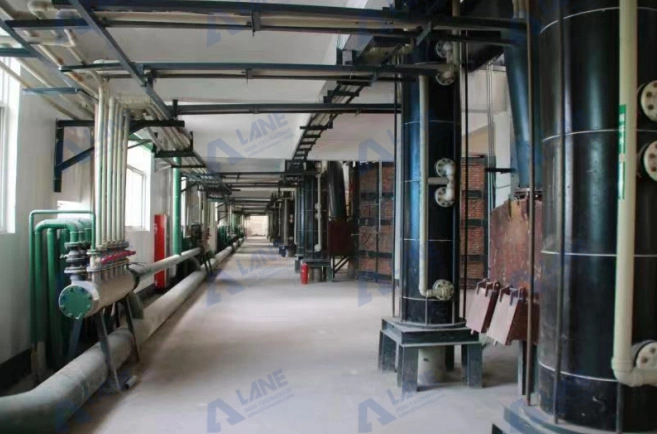
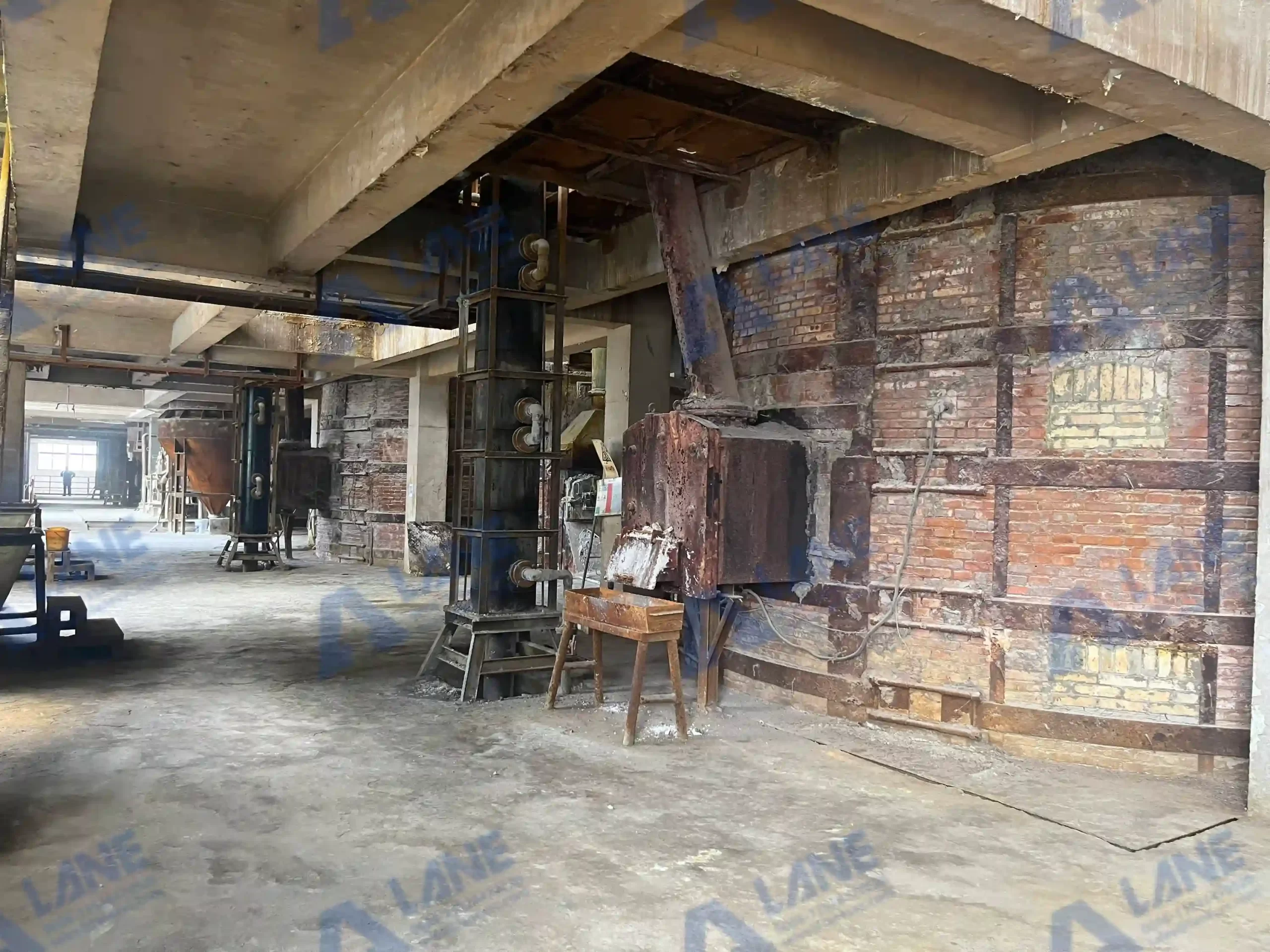
For SOP production, LANE Heavy Industry offers advance system with corrosion resistant materials. Our systems include Mannheim furnace systems, crystallization system, mixing equipment, granulators, rotary dryers, cooling machines, dust collection systems, and automatic packing machines. These machines are designed for stable operation and consistent product quality across the entire manufacturing process.
For potassium nitrate projects, we provide fully automatic machinery which can be controlled from a central location. The machine includes reaction systems, crystallization units, drying systems, granulation equipment, screening systems, and packaging lines. These systems are engineered to support chemical processing and manufacture consistent high purity fertilizer production.
In LANE we understand the Difference between MOP, SOP, and Potassium Nitrate and unique advantage of each fertilizer. We engineer our machines in way that protect the nutrient value of the fertilizer and their advantage. Our corrosion resistant design prevents contamination and our reactor with purification system prevents any unwanted trace metal from interfering with the fertilizer purity.
Blending and Batching Control
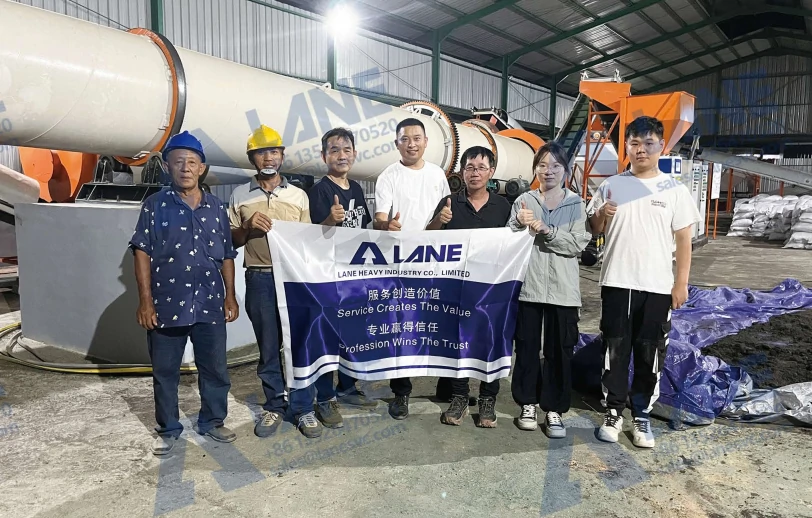
When processing bulk blending or compound fertilizer, manufacturer should know the physical difference between MOP, SOP, and Potassium Nitrate to ensure proper machine configuration. LANE Heavy Industry’s Rotary drum mixing system provides homogeneous mixing. This machine was designed while keeping in mind that Potassium Nitrate particles are lighter or finer than MOP granules. They need batching control to prevent material segregation. Our dynamic batching system is equipped with weighting machine. It accurately provides the raw materials to the production system and prevent nutrient deficiencies. Our chain crushers smash any potassium clumps before blending, guaranteeing uniform particle sizes.
Conclusion
Selecting the right fertilizer is depends on the crop type, soil condition, and desired yield quality. MOP is economical for chloride-tolerant crops, SOP suits chloride-sensitive crops, and Potassium Nitrate is for vegetative growth of the crops. Understanding the difference between MOP, SOP, and Potassium Nitrate gives farmers and industry professionals power to optimize the nutrient management. With advanced fertilizer machinery from LANE Heavy Industry, manufacturers can build efficient SOP fertilizer production lines that meet the growing demand for premium potassium fertilizers.
FAQ
- What is the main difference between MOP, SOP, and Potassium Nitrate?
The difference between MOP, SOP, and Potassium Nitrate is their chloride content, nutrient profile, and cost. MOP contains chloride, SOP is chloride-free with sulfur, and Potassium Nitrate provides nitrogen plus potassium.
- Which fertilizer is best for chloride-sensitive crops?
SOP is best for chloride-sensitive crops like potatoes and tobacco due to its zero-chloride content.
- Is Potassium Nitrate more expensive than MOP?
Yes, Potassium Nitrate is more expensive than MOP but less than SOP in some markets, offering added nitrogen value.
- Can MOP be used in saline soils?
No, MOP can increase soil salinity due to chloride; SOP is preferred for saline conditio
Of course, we also offer other types of products for your different needs, you can click to view.
For more information, please contact us by sending an inquiry today! We can help you!



Write a Reply or Comment