
SOP Fertilizer Demand Is Rising: Why Now Is the Time to Build Your Own SOP Production Line
Introduction: Don’t Just Watch the SOP Market Grow—Be Part of It
When I look at the fertilizer industry, one thing I believe is worth paying attention to is the growing interest in specialty potassium fertilizers. Among these products, potassium sulfate (SOP) has a particularly important position. More growers are paying attention to fertilizer composition, crop requirements, and product quality. For fertilizer manufacturers and investors, the growing SOP Fertilizer Demand creates an opportunity that deserves serious consideration.
SOP Fertilizer Demand is not simply a market trend to observe from a distance. It could be the starting point for a new business, a new product category, or an expansion of an existing fertilizer factory.
Think about your current fertilizer business. Perhaps you already have customers buying compound fertilizer, NPK fertilizer, or other agricultural inputs. Perhaps you have access to raw materials and a distribution network, but your product range is still limited. Or maybe you are considering entering the fertilizer industry and looking for a product with a clear application in specialty agriculture.
In these situations, I would encourage you to take a closer look at SOP and consider how SOP Fertilizer Demand could create new opportunities for your business.
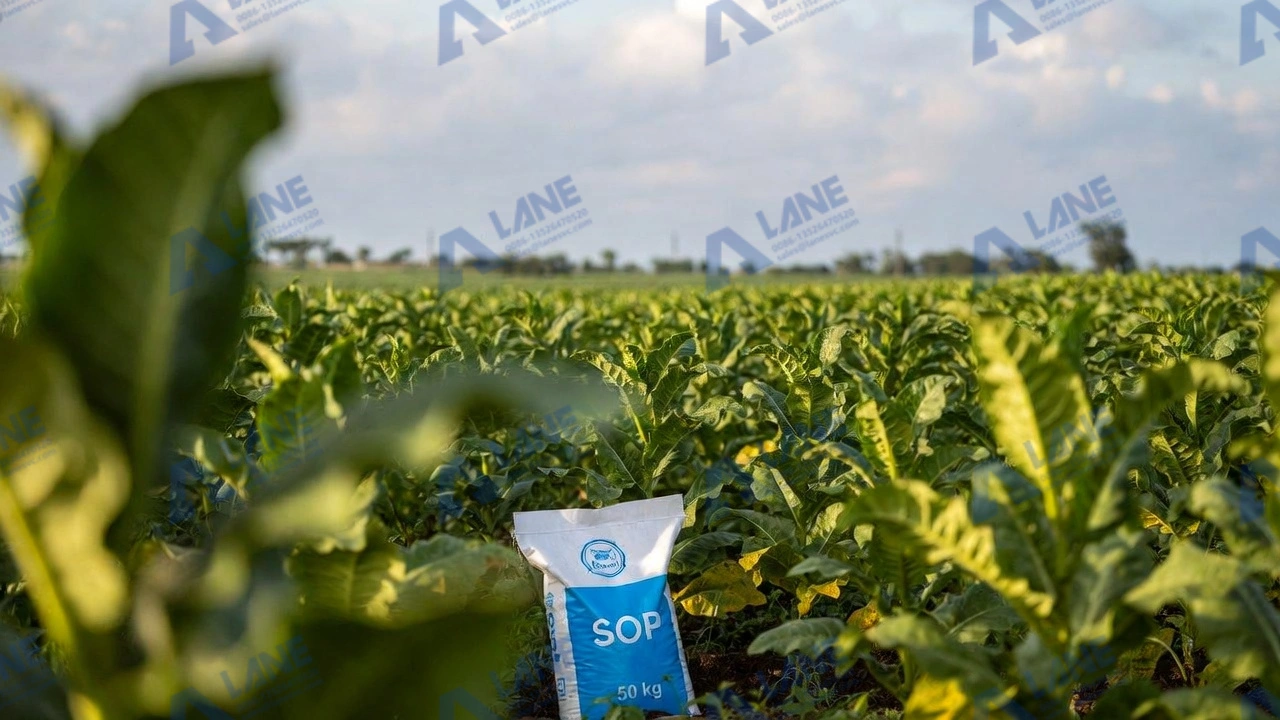
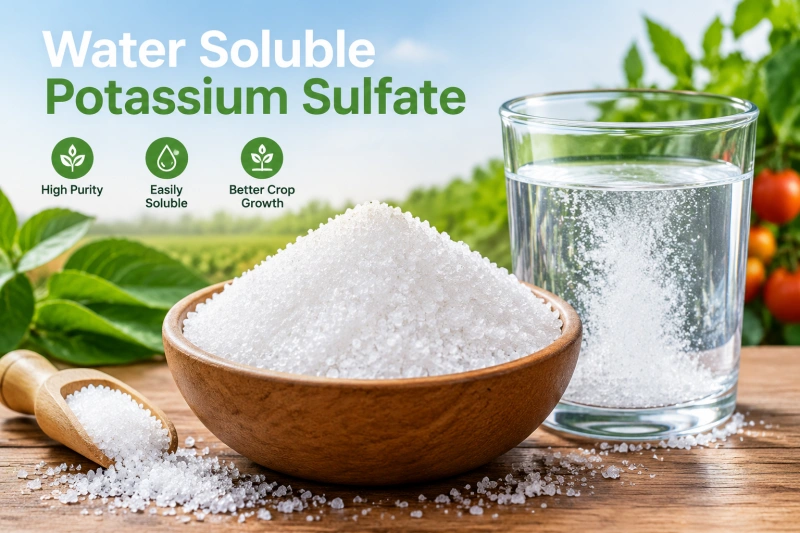
SOP, also known as potassium sulfate, provides potassium and sulfur without adding chloride. This makes it a useful fertilizer option for chloride-sensitive crops and certain higher-value agricultural applications, including fruits, vegetables, tobacco, and other commercial crops.
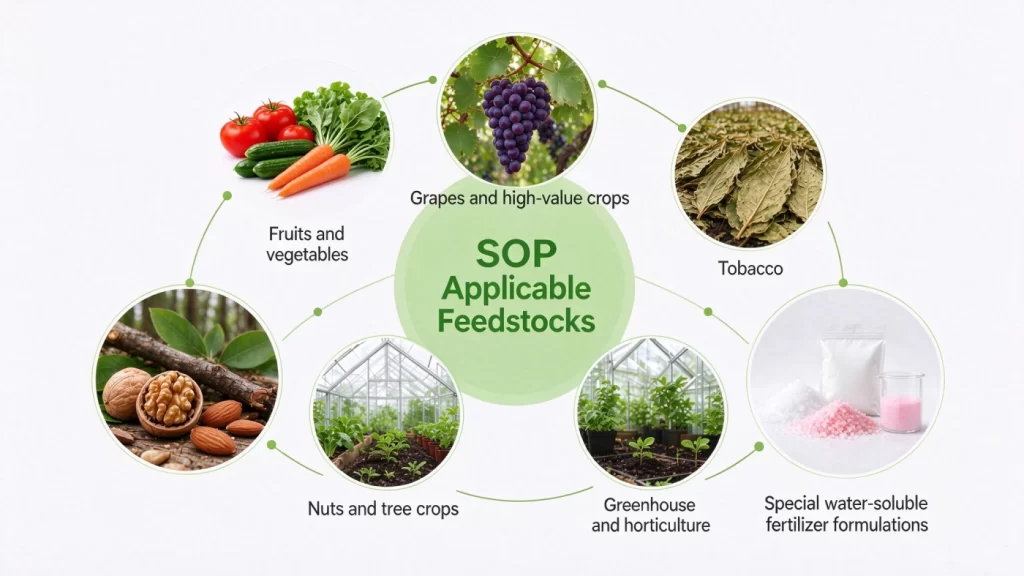
What interests me most is not just the agricultural use of SOP, but the business opportunity behind it. Customers need reliable fertilizer suppliers. Distributors want products they can sell consistently. Fertilizer manufacturers want to offer products that help them stand out from competitors.
If you can connect these needs with your own production capacity, you have a chance to turn SOP Fertilizer Demand into a more competitive fertilizer business.
My suggestion is straightforward: don’t wait until every competitor has started offering SOP products before you consider entering this market. Start evaluating your production project now, understand your customers, and find out what kind of SOP production line fits your business.
Why I Believe Now Is a Good Time to Invest in SOP Production
I don’t believe investors should build a factory simply because a market report predicts growth. A production project needs customers, suitable raw materials, manageable costs, and a realistic business plan.
However, I do believe that the growth of SOP Fertilizer Demand gives fertilizer businesses a good reason to explore SOP production.
The global potassium fertilizer market already has a substantial consumption base. According to the U.S. Geological Survey’s Mineral Commodity Summaries 2026, global potash consumption for fertilizer was estimated at approximately 41.6 million metric tons in 2025, measured as K₂O equivalent, with consumption projected to reach 45.3 million metric tons by 2029. Although SOP represents a smaller segment of the overall potash market, growing SOP Fertilizer Demand shows that it serves a group of customers with specific fertilizer requirements.
That distinction matters.
You do not necessarily need to compete with the largest conventional potash suppliers to benefit from SOP Fertilizer Demand. Instead, you can focus on customers who need potassium sulfate for particular crops, growing conditions, or fertilizer formulations. A more specialized product can give your business another way to reach agricultural customers.
I also think investors should look beyond the question of whether SOP is popular today. The more important question is whether they can build a business that responds to SOP Fertilizer Demand and supplies this product consistently over the coming years.
When evaluating SOP Fertilizer Demand, consider what happens when you rely entirely on purchasing finished SOP fertilizer from external suppliers. You may be able to start selling quickly, but your business still depends on another company’s production schedule, product availability, pricing, and delivery arrangements. If your supplier changes its quotation or cannot deliver on time, you may have little control over the situation.
This becomes especially important when you have regular customers. A distributor or agricultural retailer does not want to keep explaining delayed deliveries to buyers. Farmers also need fertilizer at the right time in their crop cycle. If you cannot maintain a reliable supply, customers may eventually look for another supplier.
Building your own SOP production capacity gives you another option.
Instead of only purchasing and reselling finished products, you can move further into processing or manufacturing. You can plan production around actual orders, manage product specifications, and develop your own product range. For an established fertilizer company, this may mean adding a new product to its existing business. For a new investor, it may mean creating a business around a specific specialty fertilizer market.
There is also a timing consideration that I would not ignore.
Responding to SOP Fertilizer Demand through your own production project takes time. You need to investigate raw material sources, confirm customer requirements, select a suitable production process, arrange the factory space, purchase equipment, install the line, and test production. Even when the project is straightforward, it cannot be completed overnight.
If you only begin planning after customers are already asking for large quantities of SOP products, you may find yourself rushing through decisions that deserve careful attention.
Meanwhile, competitors who started earlier may already have established supplier relationships, production capacity, and distribution channels.
I am not suggesting that every investor must immediately build a large factory. That would be an irresponsible recommendation. My point is that if you can already see the potential behind SOP Fertilizer Demand, have access to customers, or want to expand your fertilizer business, now is a sensible time to evaluate the project rather than postpone it indefinitely.
The opportunity is not just about producing SOP. It is about building the ability to serve a market before you are forced to catch up with others.
What You Can Gain from Building Your Own SOP Production Line
For me, the most attractive part of investing in an SOP production line is the opportunity to turn SOP Fertilizer Demand into a new source of business growth.
You are no longer limited to buying finished fertilizer and selling it at a resale margin. Depending on your chosen production process, you can respond to SOP Fertilizer Demand and create additional value through processing, granulation, product customization, packaging, and brand development.
Let’s look at what this means in practice.
You can have more control over product supply.
When you operate your own production facility to serve SOP Fertilizer Demand, you have greater control over production planning. You can arrange production according to confirmed orders, prepare inventory for busy agricultural seasons, and reduce some of the uncertainty associated with relying entirely on finished-product suppliers.
Of course, your factory will still depend on raw material availability and market prices. Owning equipment does not remove every supply risk. But it gives you more control over the processing stage and the ability to organize production according to your business needs.
You can develop products for different customers.
Not every customer wants the same fertilizer product. Some may prefer powder, while others may require granular fertilizer that is easier to handle, transport, store, and apply.
For example, an agricultural distributor may want granular SOP in a specific particle-size range for local sales. Another customer may be interested in a particular formulation or packaging size. If your production line is designed around these requirements, you have more flexibility to serve different customer groups.
This is one reason I encourage investors to identify their target market before purchasing machinery. Don’t simply ask, “How many tons can this machine produce?” Also ask, “What product do my customers actually want to buy?”
You can expand your existing fertilizer business.
If you already sell NPK fertilizer, compound fertilizer, organic fertilizer, or other agricultural products, SOP may become an additional product category as SOP Fertilizer Demand creates new sales opportunities.
If SOP Fertilizer Demand is growing in your target market, you may already have sales staff, distributors, warehouses, and relationships with agricultural customers that can support this new product category. Instead of building an entirely new sales network, you can investigate whether your existing channels can introduce SOP products to suitable buyers.
This can make the project more practical than starting a completely unfamiliar business from zero.
You can build your own product identity.
When you only resell another supplier’s finished product, your ability to differentiate yourself may be limited. With your own processing capacity, you can work toward developing products under your own brand, choosing packaging that fits your market, and maintaining consistent product specifications.
Over time, this can help your company become more than a fertilizer trader. You can become a manufacturer with its own production capabilities and a more complete product portfolio.
Choosing the Right SOP Production Model
Before discussing equipment, I want to make one important point clear: responding to SOP Fertilizer Demand can involve two different projects—producing SOP from chemical raw materials or processing purchased SOP powder into granular fertilizer.
If you want to manufacture potassium sulfate from upstream raw materials, you need a specialized chemical production process. This involves process engineering, raw material preparation, reaction or conversion systems, separation, and other operations depending on the selected manufacturing route. The investment and technical requirements can be considerably different from those of a granulation project.
However, if you already have access to SOP powder and your goal is to produce granular SOP fertilizer, you may be able to start with a downstream granulation line.
A typical SOP granulation production line can include:
- Raw material feeding: SOP powder and other approved ingredients are delivered into the production system.
- Batching and mixing: Materials are proportioned and mixed according to the required product formulation.
- Granulation: A suitable granulator forms the powder into particles of the required size and shape.
- Drying: The dryer reduces excess moisture to meet the finished-product requirements.
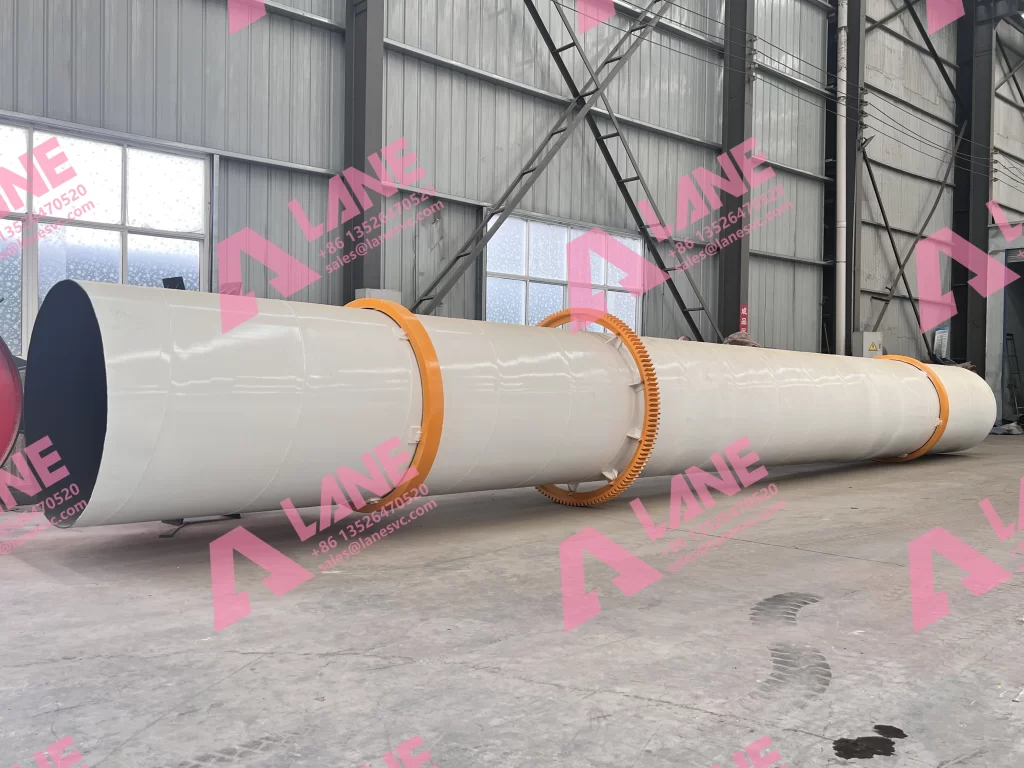
- Cooling: The granules are cooled before screening and packaging.
- Screening: Finished particles are separated by size. Suitable granules move forward, while off-size materials can be returned for reprocessing where appropriate.
- Packaging: The finished SOP fertilizer is weighed and packed for storage, transportation, and sale.
The exact configuration for a project targeting SOP Fertilizer Demand depends on your raw material characteristics, moisture content, formulation, target particle size, and required capacity.
For example, a business planning to supply granular SOP to local distributors may need a different configuration from a manufacturer producing several specialty fertilizer formulations on the same line.
This is why I would not recommend choosing equipment based only on the advertised capacity of a single granulator. The entire production process needs to work together. Feeding, mixing, granulation, drying, cooling, screening, and packaging all affect the final output.
If you are considering this type of project, you can learn more about a SOP fertilizer production line and the equipment options available for establishing a fertilizer processing operation.
At LANE, we believe a production line should be designed around the investor’s actual business plan and SOP Fertilizer Demand, not simply assembled from a list of machines.
Let’s Build Your SOP Production Line with LANE
If you have read this far, you may already be thinking about what an SOP production project could look like for your company. Perhaps you want to add granular SOP to your existing fertilizer product range. Perhaps you have access to SOP powder and want to process it locally. Or perhaps you are still comparing different investment options.
Whatever stage you are at, I would suggest starting with a practical production plan.
At LANE HEAVY INDUSTRY CO., LIMITED, we provide fertilizer machinery and production line solutions for businesses looking to establish or expand fertilizer processing operations. Our goal is to help customers select equipment that matches their raw materials, target capacity, finished product requirements, and factory conditions.
For an SOP granulation project, we can help you evaluate the main processing stages, including batching, mixing, granulation, drying, cooling, screening, and packaging. We can also discuss suitable granulation equipment according to your material characteristics and production requirements.
To help us understand your project, you can share a few basic details:
- Do you plan to process purchased SOP powder or manufacture potassium sulfate from raw materials?
- What is your expected production capacity per hour or per day?
- Do you want powder fertilizer or granular SOP?
- What granule size and packaging specifications do your customers require?
- Do you already have a factory building, or are you planning a new facility?
These details will help us understand what kind of production line you actually need. We can then discuss a suitable equipment configuration instead of recommending machines that may not fit your project.
I also want to emphasize that you do not need to begin with the largest possible production capacity. A well-planned project should match realistic sales expectations, raw material supply, and available investment. You can start with a capacity that fits your current market and consider expansion as your customer base grows.
SOP Fertilizer Demand is creating a reason for fertilizer businesses to look beyond traditional products. If you already have customers, distribution resources, or a plan to enter the specialty fertilizer market, building your own SOP production capacity could be a valuable next step.
Don’t spend another year only watching the market and waiting for the perfect moment. Start investigating your raw materials, production requirements, and equipment options now. The earlier you understand what your project needs, the better prepared you will be when the right business opportunity arrives.
LANE is ready to discuss your SOP fertilizer project and help you take the first step toward your own production line.
Visit our website: https://sopfertilizerproductionline.com/



Write a Reply or Comment