
Optimizing Crop Yield: The Ultimate Guide to SOP Fertilizer Plant Design
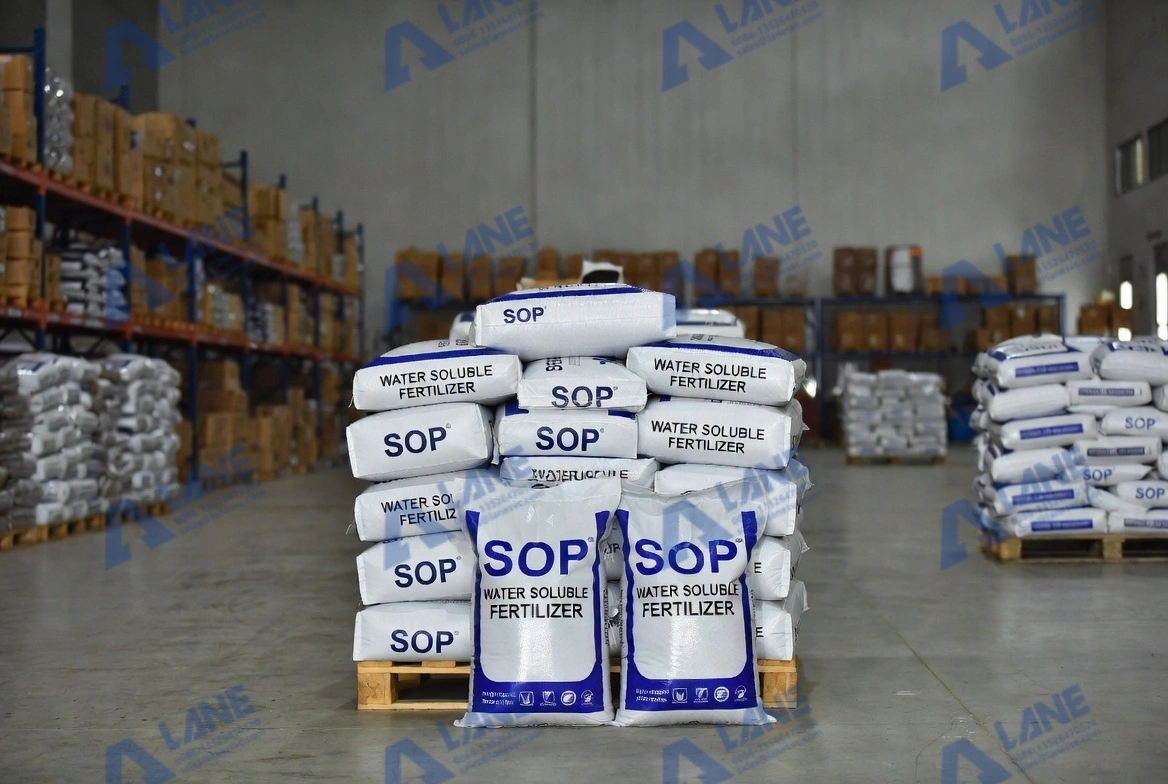
Table of Contents
- The Importance of SOP Fertilizer in Agriculture
- Key Elements of SOP Fertilizer Plant Design
1 Raw Material Sourcing and Storage
2.2 Chloride Separation
2.3 Granulation Process
2.4 Dust Control and Environmental Considerations
2.5 Quality Control and Automation
2.6 Packaging and Distribution
Optimizing Crop Yield: The Ultimate Guide to SOP Fertilizer Plant Design
Optimizing crop yield is a part of food security and sustainable farming practices in today’s agriculture. One of the most effective ways to optimize the crop yield is by utilizing high-quality fertilizers like SOP (Sulfate of Potash). SOP is a premium potassium fertilizer that promotes healthy crop growth, enhances fruit quality, and improves disease resistance.
The demand for SOP fertilizer is growing day by day. To meet this growing demand, it is necessary to have a well-designed SOP fertilizer plant. In this article we will explore the key components of an SOP fertilizer plant design, and how with the help of LANE machinery you can have your own SOP fertilizer Plant.
The Importance of SOP Fertilizer in Agriculture
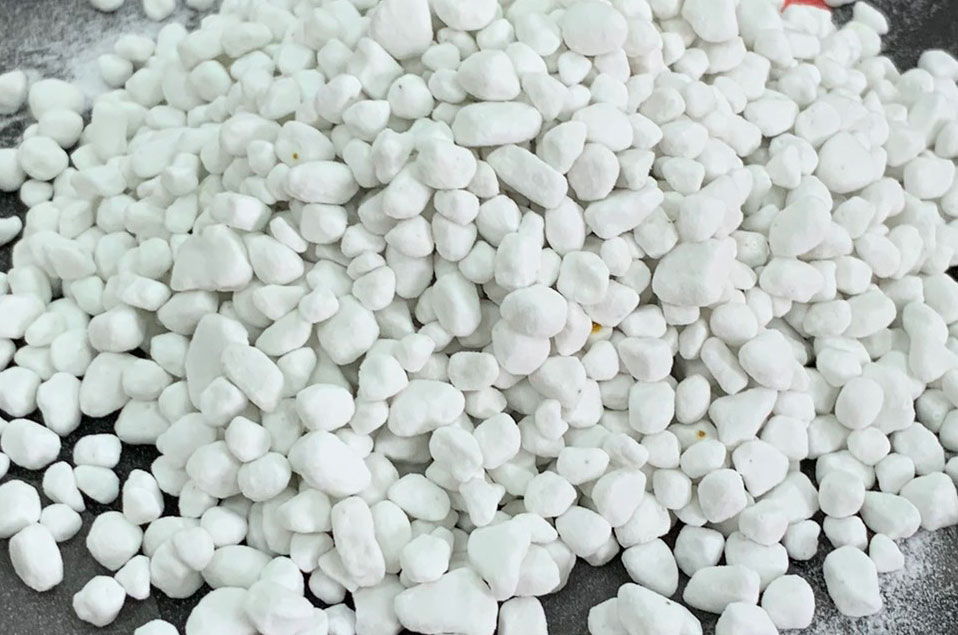
SOP fertilizer is considered the premium potassium fertilizer. It is widely recognized for its ability to deliver a concentrated source of potassium, an essential nutrient for crops. Potassium helps plants in various ways, such as improving water regulation, enhancing photosynthesis, and strengthening the plant’s resistance to diseases and pests. Unlike other forms of potassium fertilizers, SOP contains sulfate, which also benefits soil health by preventing nutrient imbalances and improving soil structure.
SOP fertilizers are beneficial for crops like fruits, vegetables, and certain grains. As demand for high-quality produce rises globally, farmers are turning to specialized fertilizers like SOP to boost productivity and quality. For this reason, investing in a well-structured SOP fertilizer plant is a profitable venture for businesses looking to meet market demands and support agricultural growth.
Key Elements of SOP Fertilizer Plant Design
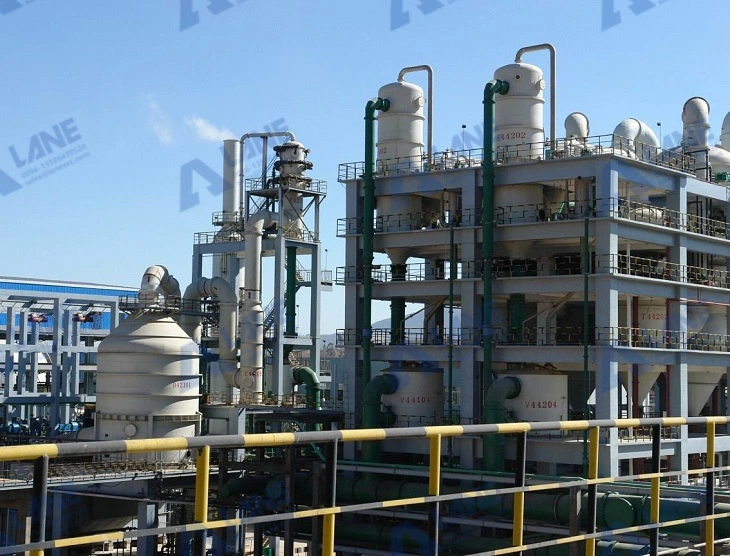
The design of an SOP fertilizer plant involves several key machineries. From raw material handling to granulation and packaging, the SOP fertilizer plant design is a complex process. Let’s break down the major factors that influence the design and operation of an SOP Fertilizer Plant.
2.1 Raw Material Sourcing and Storage
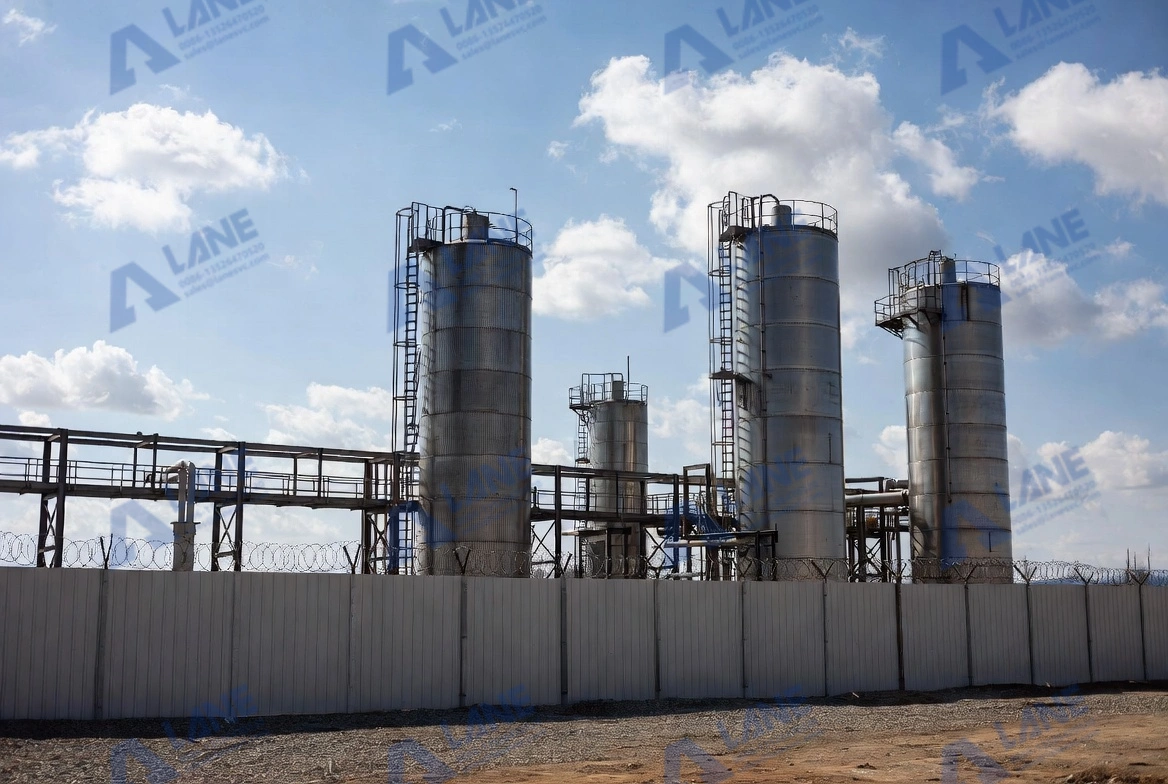
The first step in the fertilizer production process is sourcing the raw materials. To manufacture SOP, you will need potassium chloride (KCl) and sulfuric acid (H₂SO₄). These materials need to be stored in specialized containers to prevent contamination and degradation.
LANE Heavy Industry designs efficient plants which incorporate well-planned storage areas. We make sure that raw materials are easily accessible and can be handled with minimal risk of spillage or safety hazards. LANE’s material handling equipment, such as conveyors and crushers, ensures the seamless transportation and processing of raw materials.
2.2 Chloride Separation
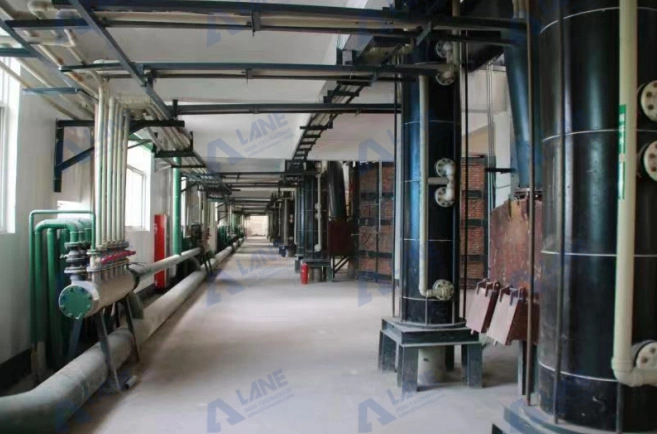
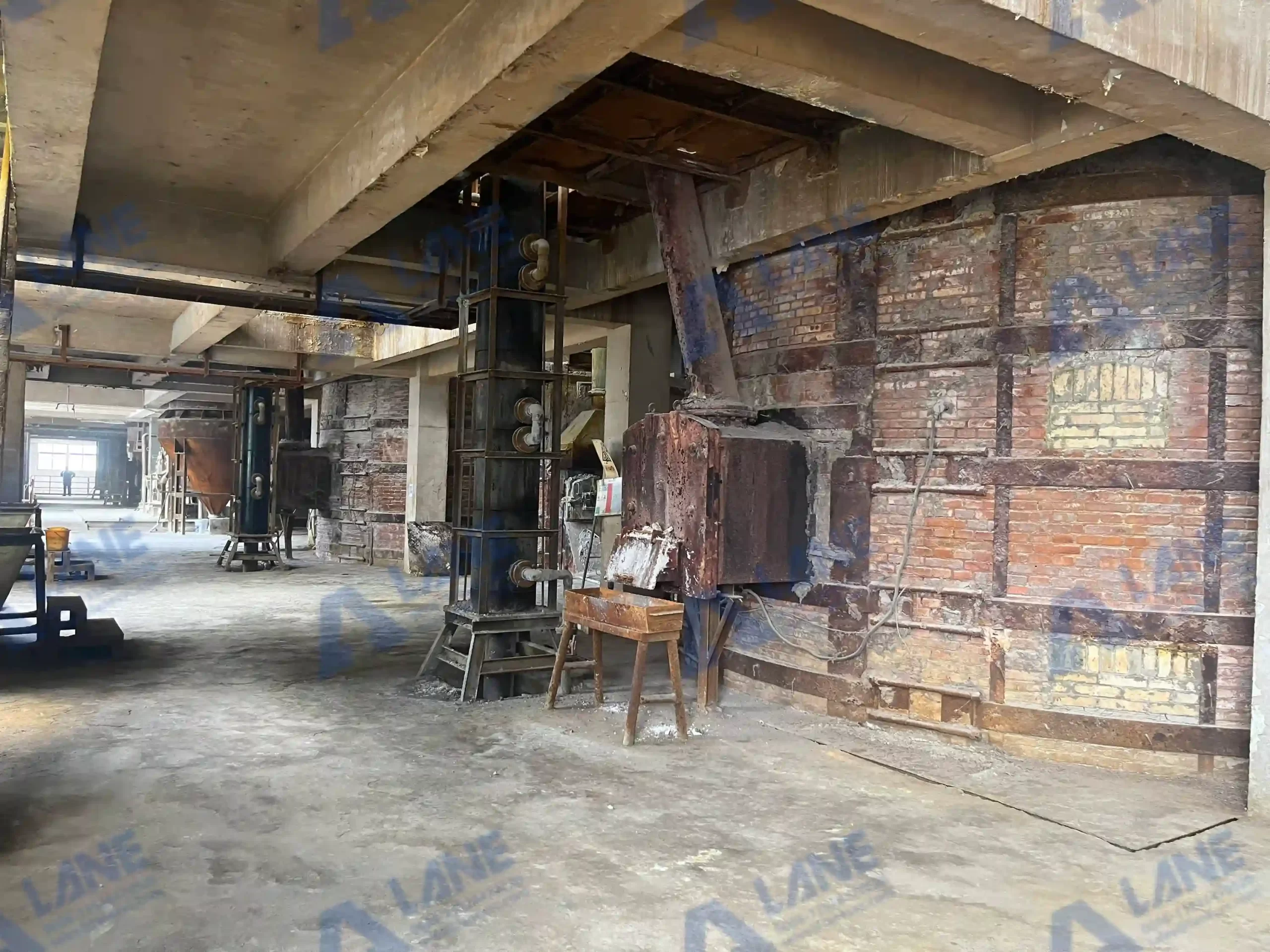
This is the most important process of this production line. We mix solid potassium chloride with concentrated sulfuric acid in a LANE reactor. In the first reactor we heat at a lower temperature, then we use a LANE Mannheim reactor to drive off hydrogen chloride gas. The HCl gas is absorbed in water to produce hydrochloric acid byproducts.
The solid residue is potassium sulfate, which will be dissolved in water, filtered to remove any impurities, and recrystallized before entering the production line.
2.3 Granulation Process
Granulation is the core process in SOP fertilizer production. During this process, the raw materials are mixed, reacted, and shaped into granules. The quality of the granules directly affects the fertilizer’s efficacy. LANE designs this process while ensuring uniform particle size, high density, and controlled moisture content.
The granulation process involves several stages, including:
Mixing: You can mix potassium sulfate with other raw materials to create your custom blend.
Granulation: After mixing, the raw materials are sent to the granulation stage. Here you can granulate the products with LANE Rotary granulator, Double roller granulator, or disk granulator.
Drying and Cooling: After granulation, granules must be dried and cooled to ensure they are solid and free from excess moisture.
LANE’s granulators are designed with precision engineering to ensure optimal particle size distribution and minimize dust formation. The drying and cooling units use LANE rotary dryers and coolers. They use efficient heat exchange systems that reduce energy consumption and maintain the quality of the granules.
2.4 Dust Control and Environmental Considerations
Fertilizer production often generates dust, which can pose safety risks and environmental concerns. LANE SOP fertilizer plant designs incorporate dust collection to capture airborne particles and minimize environmental impact. LANE Pulse Dust collectors ensure that the plant remains clean and safe for workers.
With LANE’s integrated control systems, energy consumption is minimized, and water usage is optimized, contributing to an eco-friendlier production process.
2.5 Quality Control and Automation
In any fertilizer plant, maintaining consistent product quality is essential. The SOP fertilizer plant design by LANE includes quality control measures at every stage of production. Automated systems play a vital role in monitoring the process.
LANE’s PLC system allows real-time monitoring and adjustment of various parameters. This system helps in maintaining product consistency, reducing human error, and optimizing operational efficiency.
2.6 Packaging and Distribution
Once the SOP fertilizer is produced, it must be packaged and prepared for distribution. LANE’s automatic packing machine ensures the weighing, filling, and sealing of fertilizer bags with high precision. Packing ensures that the fertilizer remains in optimal condition during storage and transportation.
Of course, we also offer other types of products for your different needs, you can click to view.
For more information, please contact us by sending an inquiry today! We can help you!



Write a Reply or Comment