
NPK Compound Potassium Granule Production: What You Need to Know

Fertilizers are the backbone of modern agriculture. Without fertilizer, the agriculture sector cannot maintain yields or soil health. Among the most used fertilizers, NPK compound potassium granules hold a crucial place. They provide nutrients essential for plant growth by combining nitrogen (N), phosphorus (P), and potassium (K) in one efficient formulation. For farmers and fertilizer manufacturers, understanding the process of NPK compound potassium granule production is critical.
NPK compound potassium granule production stands as a cornerstone of high-efficiency fertilizer manufacturing. For reliable, large-scale NPK compound potassium granule production, LANE Heavy Industry’s Machinery offers turnkey production lines that optimize every stage of NPK compound potassium granule production with advanced technology. In this guide, we explore the intricacies of NPK compound potassium granule production and how the advanced machinery from LANE Heavy Industry is revolutionizing the manufacturing process.

Understanding NPK Compound Potassium Granule Production
NPK compound potassium granule production is the process of combining three primary nutrients—nitrogen (N), phosphorus (P), and potassium (K)—into a single, uniform granule. It is different from bulk blending where different nutrients are physically mixed as separate pellets. Compound granulation ensures that every single granule contains the exact ratio of N, P, and K required for specific crop needs.
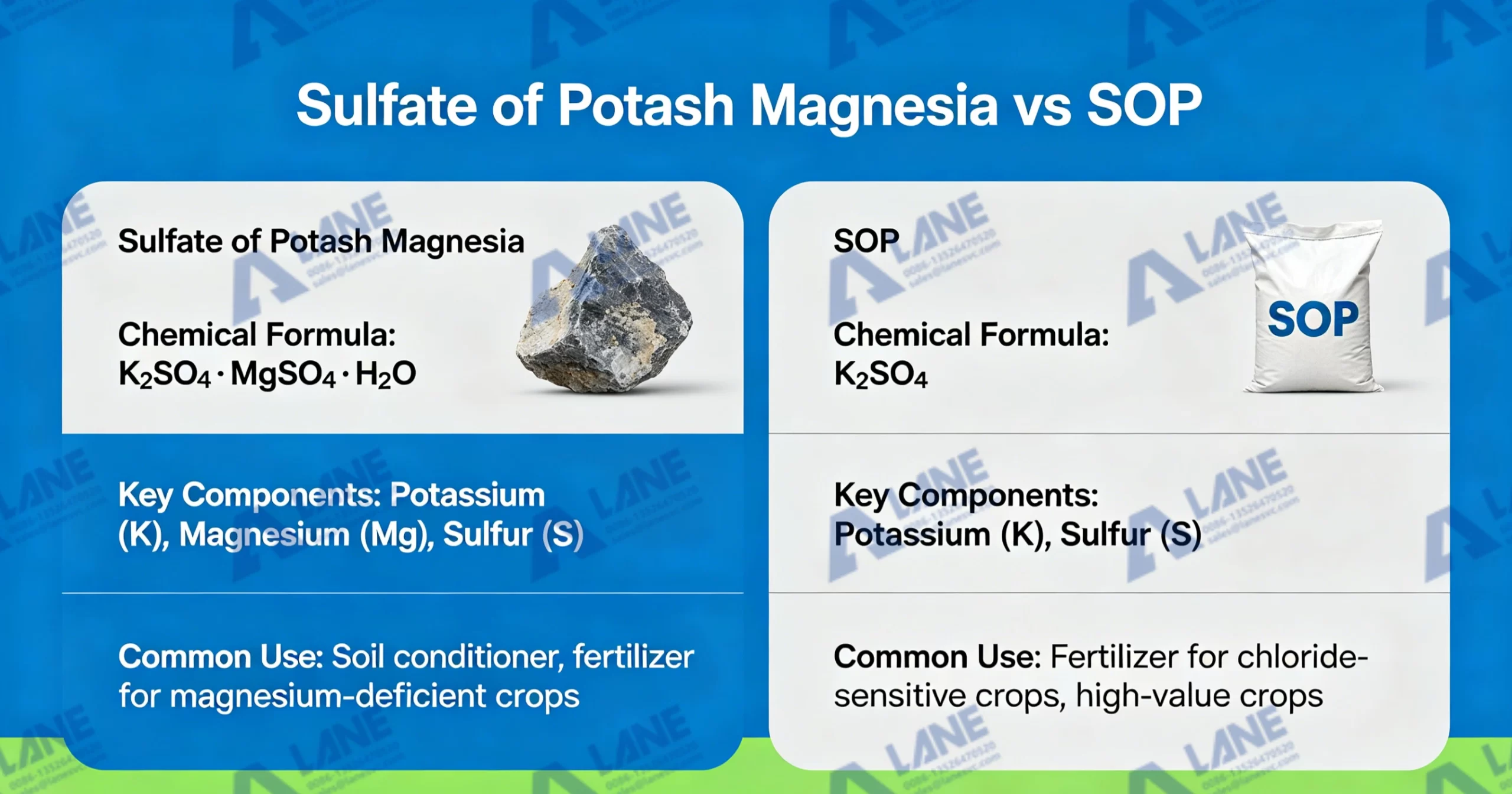
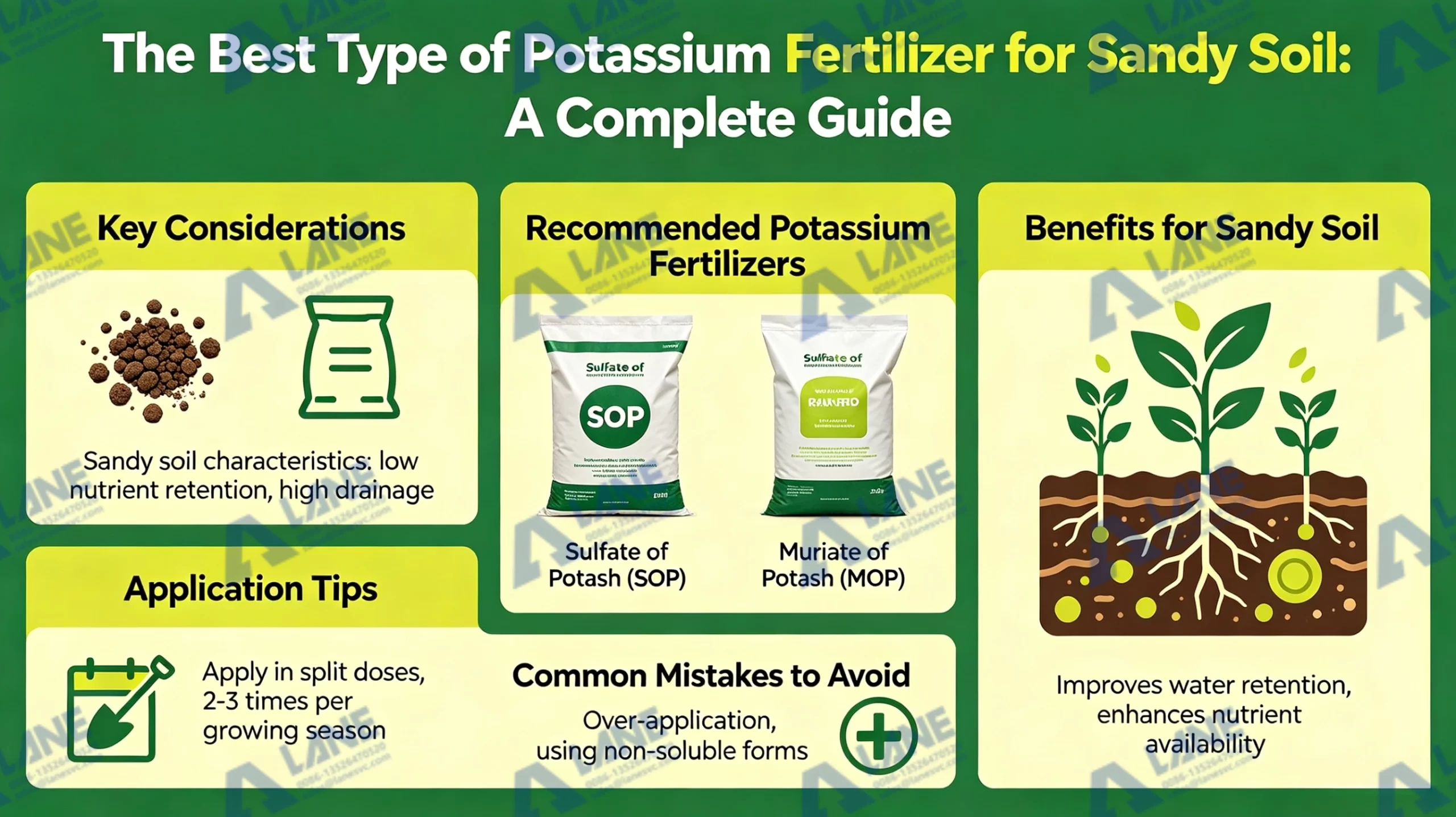
In this fertilizer, potassium can be sourced from Potassium Chloride (MOP) or Potassium Sulfate (SOP). Potassium is vital for enzyme activation, photosynthesis, and water use efficiency in plants. Integrating it effectively into a stable granule requires precision engineering and machinery.
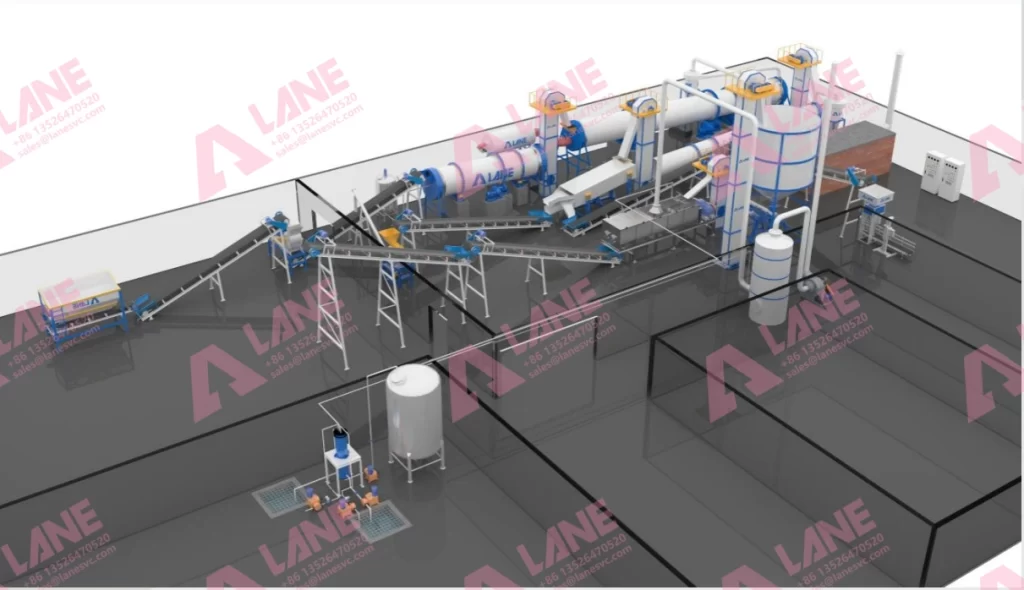
The LANE Heavy Industry Fertilizer Production Line
LANE Heavy Industry has established itself as a leader in the fertilizer machinery sector. Our production lines are designed for energy efficiency, durability, and versatility. You can produce organic-inorganic hybrids or pure chemical compounds with our equipment which streamlines the NPK compound potassium granule production workflow.
- Raw Material Dosing and Batching
The process begins with the measurement of raw materials. Using an automated batching system, nitrogen sources (like urea or ammonium sulfate), phosphorus sources (DAP/MAP), and potassium sources (MOP/SOP) are weighed according to the formula. Users can customize this formula and automate it.
- Crushing and Mixing
Large clumps of raw materials can hinder the granulation process and create uneven granules. LANE’s high-performance cage crushers or vertical crushers break down materials into fine powder. These powders are then moved to a horizontal mixer or a double-shaft mixer. This ensures a homogenous blend. Manufacturers can create their own custom formula by adding micronutrients in this stage.
- The Granulation Process (The Heart of Production)
LANE Heavy Industry offers several high-quality options for the granulation stage of NPK compound potassium granule production:
- Rotary Drum Granulator: Ideal for large-scale production. This machine uses water to turn the powder into spheres through centrifugal force.
- Disc Granulator : Best for specialized or smaller batches, offering high visibility and control over granule size.
- Double Roller Extrusion Granulator: A “dry” granulation method that doesn’t require drying or cooling, saving significantly on energy costs.
In the “wet” granulation method, the granulation contains 15-30% moisture which needs to be dried before it can be packaged. LANE’s rotary dryer uses heat to reduce moisture content, followed by a rotary cooler that brings the temperature down to ambient levels. This prevents granules from caking during storage and ensures structural integrity.
Not all granules come out the same size. A rotary screening machine separates the “oversize” and “undersize” particles from the “on-specification” product. They are sent back to the crushing machine and recycled back into production. Finally, a coating machine applies a thin layer of coating to prevent dust and improve the slow-release properties of the NPK compound potassium granule production output.
The final product is weighed and sealed in bags using an automated packing scale, ready for distribution to farms worldwide.
Why Potassium Matters in the NPK Equation
When discussing NPK compound potassium granule production, it is important to know why potassium is necessary. Proper potassium levels improve water retention, disease resistance, and fruit quality. It regulates the opening and closing of stomata, which manages the plant’s CO₂ uptake. Without sufficient potassium in the NPK granule, crops become more susceptible to drought, frost, and pests. By using LANE Heavy Industry’s machinery, manufacturers can ensure proper potassium distribution throughout the granule. Our machines create premium quality fertilizer that prevents “nutrient hot spots” in the soil that can damage sensitive root systems.
Technical Advantages of LANE Heavy Industry Machinery
Choosing the right equipment for NPK compound potassium granule production is a long-term investment. LANE Heavy Industry provides several distinct advantages:
- Corrosion Resistance: NPK raw materials often contain chemically aggressive substances. LANE uses specialized alloys, coatings, and stainless steel to extend the lifespan of their mixers and granulators.
- Energy Efficiency: Our rotary dryers are designed with optimized inclination to maximize heat transfer, reducing fuel consumption.
- Customization: We create machinery according to customer requirements. Whether you need a capacity of 1 ton per hour or 20 tons per hour, LANE scales the NPK compound potassium granule production line to fit your business model.
- Low Maintenance: Simplified mechanical designs mean fewer breakdowns and easier access for routine servicing.
Environmental Impact and Sustainability
Modern NPK compound potassium granule production must account for environmental footprints. LANE Heavy Industry integrates dust collection systems (like cyclone dust collectors and water curtains) to ensure that the air released from the factory is clean. Furthermore, because of recycling, there is minimal waste.
Market Trends in NPK Compound Potassium Granule Production
The demand for specialized fertilizers is rising. Farmers are moving away from generic 15-15-15 formulas toward “designer” fertilizers tailored to specific soil tests. This shift makes the flexibility of the LANE Heavy Industry production line invaluable. Manufacturers can quickly switch formulas to increase potassium levels for fruit-bearing stages or increase nitrogen for early vegetative growth, all while maintaining the high quality expected from professional NPK compound potassium granule production.
Comparison: Dry vs. Wet Granulation
In the context of NPK compound potassium granule production, choosing between dry and wet methods is crucial:
| Feature | Double Roller Extrusion (Dry) | Rotary Drum (Wet) |
| Moisture Added | None | High (Steam/Water) |
| Drying Required | No | Yes |
| Granule Shape | Slightly angular/pill-shaped | Spherical |
| Investment Cost | Lower | Higher |
| Scale | Small to Medium | Large |
LANE Heavy Industry provides expertise in both, helping you decide which fits your specific NPK compound potassium granule production goals.
Summary of the Production Workflow
To excel in NPK compound potassium granule production, we must view the factory as a synchronized organism.
- Raw materials enter.
- Precision batching ensures formula integrity.
- Crushing and mixing turn raw materials into fine powder and make them ready to be granulated.
- LANE’s granulators transform powder into solid pellets.
- Thermal processing (drying/cooling) stabilizes the product.
- Quality control (screening) ensures uniformity.
- Coating prevents dust and improves slow-release properties.
- Packaging delivers the final result to the end-user.
The reliability of the NPK compound potassium granule production process is only as strong as its weakest link. By using machines from LANE Heavy Industry, you eliminate weak links and ensure a consistent, high-value product.
FAQ: NPK Compound Potassium Granule Production
Q1: What is the ideal NPK ratio for potassium-rich granules?
A: The ideal ratio depends on crop type, but high-potassium formulas often include 10-15% potassium (K₂O) with balanced nitrogen and phosphorus levels.
Q2: Can LANE Heavy Industry machinery handle large-scale production?
A: Yes, their rotary drum granulators and automated lines are designed for large-scale, continuous production of NPK compound potassium granules.
Q3: How do I prevent caking in NPK granules?
A: Proper drying, cooling, and optional coating machines from LANE Heavy Industry help prevent caking during storage.
Q4: Are these production lines environmentally friendly?
A: Yes, modern machinery minimizes dust, waste, and energy consumption, complying with environmental standards.
Of course, we also offer other types of products for your different needs, you can click to view.
For more information, please contact us by sending an inquiry today! We can help you!



Write a Reply or Comment