
Safety and Environmental Protection Standards for Large-scale NPK Compound Potassium Production
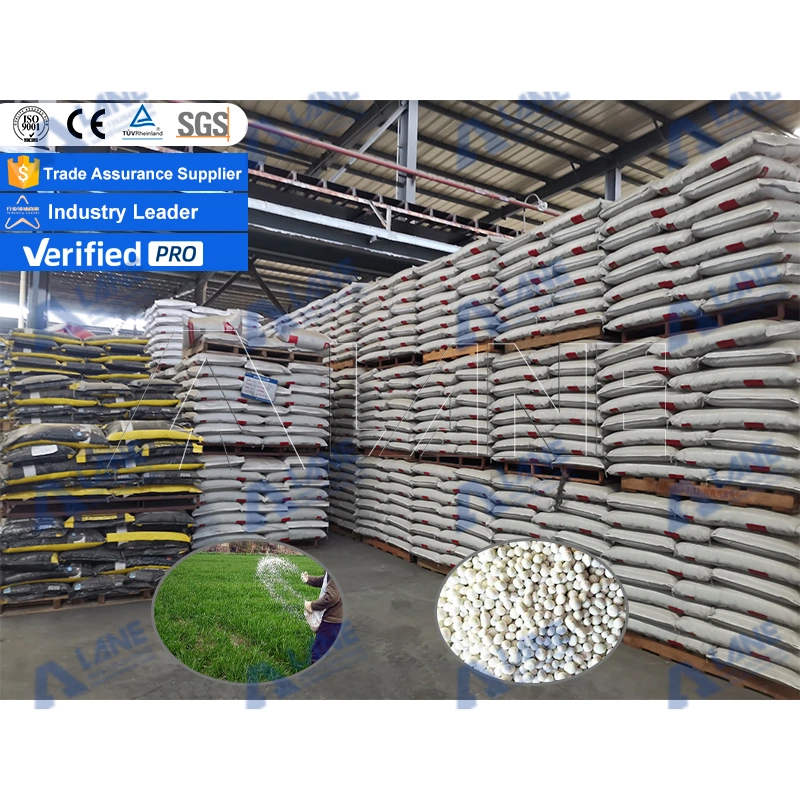
NPK fertilizer is the most popular compound fertilizer worldwide. It is best for providing balanced nitrogen, phosphorus, and potassium nutrients to boost crop yields based on the soil nutrient test. But this process involves chemical raw material handling and potential pollutant emissions. This makes strict safety and environmental protection standards indispensable from the production line. To keep up with the demand and avoid pollution, LANE Heavy Industry has engineered a large-scale NPK compound potassium production system for investors and agribusiness. Our production line fully aligns with global safety norms and environmental regulations, ensuring efficient, safe, and green large-scale NPK compound potassium production.
This article analyzes the key safety and environmental standards for large-scale NPK compound potassium production and how LANE’s production lines implement these standards.
The Industrial Context of NPK Production
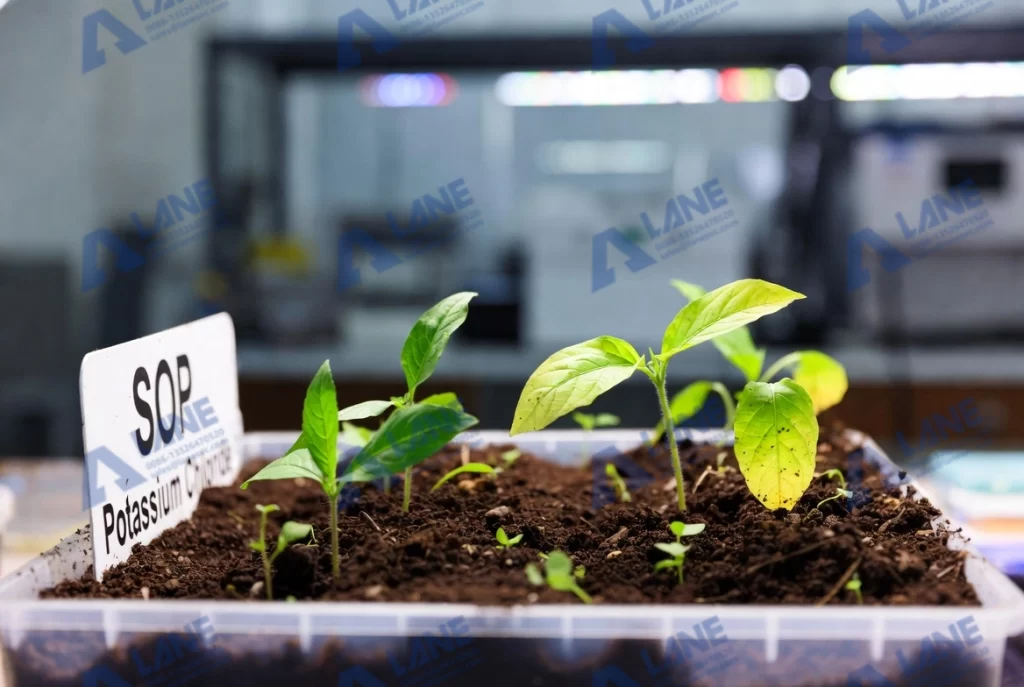
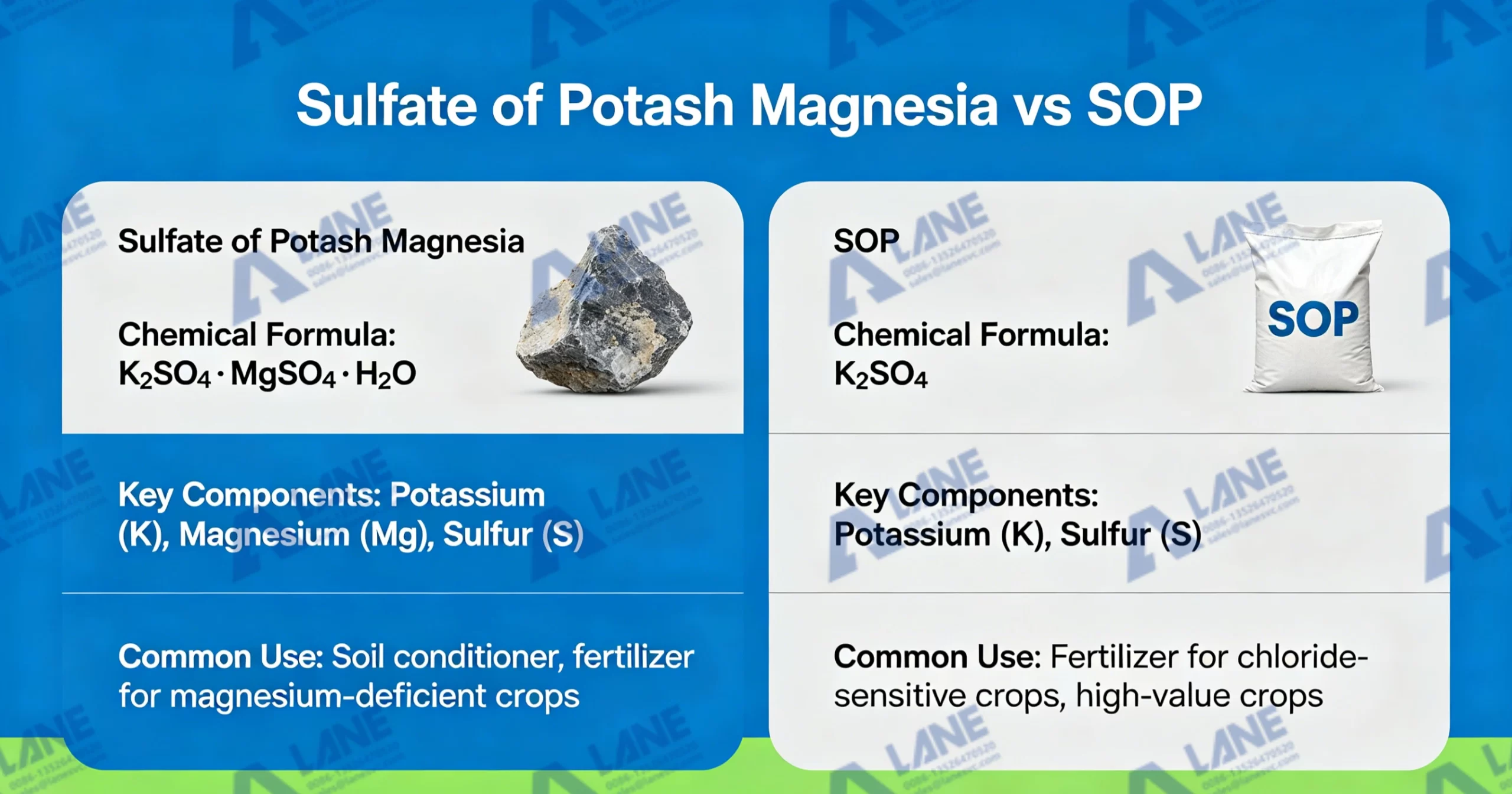
Modern agriculture relies on precision delivery systems. Potassium, often supplied as potassium chloride (MOP) or potassium sulfate (SOP), is essential for plant water regulation and enzyme activation. When we discuss large-scale NPK compound potassium production, we are looking at a chemical engineering feat that requires extreme heat, precise mechanical pressure, and rigorous moisture control.
LANE Heavy Industry’s machinery is specifically engineered to handle these variables. Our production lines are designed for throughput, but also for the resilience required to withstand the corrosive nature of potassium salts and the thermal stress of industrial drying.
Physical and Mechanical Safety Standards
In a factory environment dedicated to large-scale NPK compound potassium production, the equipment size of rotary drums, massive crushers, and high-speed elevators introduces physical risks that must be mitigated through engineering excellence.
1.1 Structural Integrity and Vibration Control
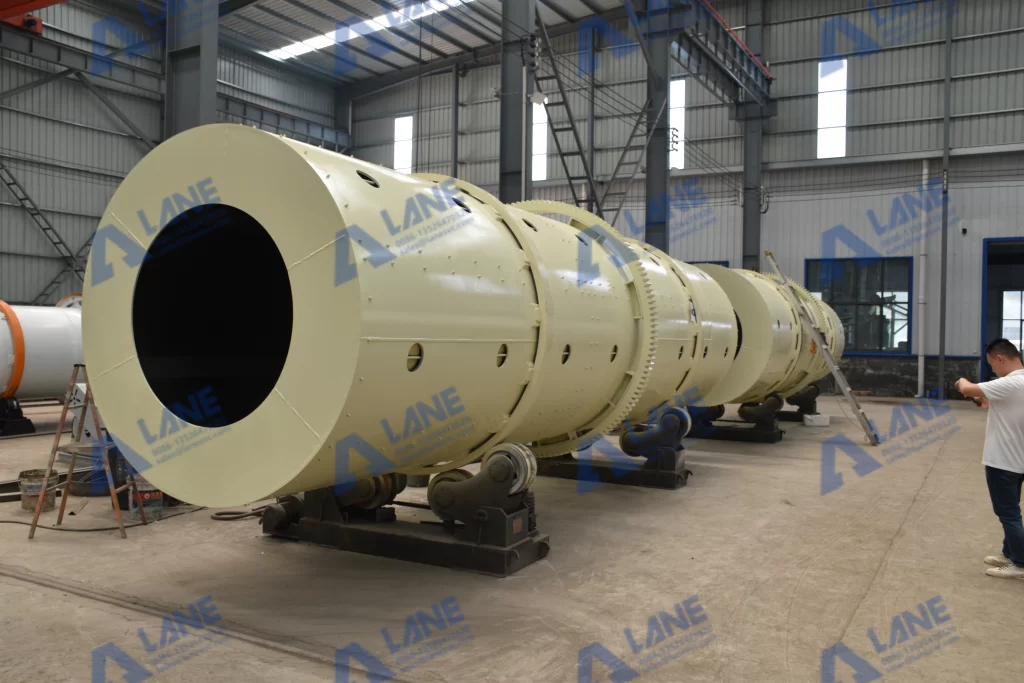
LANE Heavy Industry utilizes industrial heavy-duty carbon steel and specialized alloys in the construction of rotary drum granulators and dryers. For NPK compound fertilizer production, stability is key. Excessive vibration in a machine processing 20 tons of material per hour can lead to structural fatigue. LANE machines feature reinforced bases and precision-aligned gear drives to ensure smooth operation and reduce the risk of mechanical failure. Any negligence in these areas can lead to workplace injuries and fatalities.
1.2 Automated Emergency Protocols
Modern NPK compound production lines are not blind operations. LANE integrates PLC (Programmable Logic Controller) systems which monitor torque, temperature, and rotational speed in real-time. If a blockage occurs in the compound fertilizer crusher or if a bearing exceeds safe temperature thresholds, the system triggers an automatic shutdown. This preventative measure is vital in protecting both the high-value machinery and the personnel operating the line.
Chemical Safety and Hazardous Material Handling
The “K” in NPK—Potassium—introduces specific chemical risks. Whether using the steam granulation or the extrusion method, large-scale NPK compound potassium production involves handling raw materials that can be irritating to the skin and respiratory system, or even reactive under certain conditions.
2.1 Corrosion Resistance
Potassium compounds are very corrosive. Over time, they can damage standard steel and compromise the safety of the vessel. LANE Heavy Industry addresses this by using high-molecular-weight polymer linings or stainless-steel internal components in the mixers and granulators. These protective materials ensure that the equipment used for NPK compound potassium production remains stable over decades of use.
2.2 Dust Explosion Prevention
The fine dust generated during the crushing and screening of NPK compounds poses a dust explosion risk in high-concentration operations. Safety standards dictate that the air-to-dust ratio must be kept well below explosive limits. LANE’s production lines integrate sealed conveying systems and explosion-venting pathways to ensure that even in the event of a pressure spike, the energy is dissipated safely away from operators.
Environmental Protection: The Green Fertilizer Factory
Regulatory bodies worldwide have set strict limits on what a factory can release into the atmosphere and local water tables. Large-scale NPK compound potassium production must be “closed-loop” to prevent any damage to the surrounding environment.
Advanced Dust Collection Systems
To achieve clean NPK compound fertilizer production, LANE Heavy Industry employs a multi-stage filtration strategy:
- Cyclone Dust Collectors: These use centrifugal force to capture 90% of larger particles, which are then fed back into the granulator as raw material.
- Baghouse Filters or Wet Scrubbers: These capture the remaining fine dust and aerosols. By integrating these into the large-scale NPK compound potassium production line, LANE ensures that the exhaust air released into the atmosphere meets or exceeds PM2.5 and PM10 safety standards.
Resource Efficiency and Waste Management
The large-scale NPK compound potassium production line is designed for maximizing every kilogram of raw materials. One of the standout features of LANE Heavy Industry’s machinery is the recycling system during the screening process. The small or oversized particles are automatically routed back to the beginning of the crusher and sent to the granulator to re-enter production. This ensures a 100% material utilization rate and prevents the accumulation of chemical waste that would otherwise require expensive disposal.
Noise and Heat Regulation
A safe working place also considers the “invisible” pollutants: noise and heat. The large-scale NPK compound potassium production lines by LANE also include massive burners and cooling fans.
- Acoustic Insulation: LANE Heavy Industry utilizes low-noise motors and high-precision gearboxes that operate significantly more quietly than older generation models.
- Thermal Efficiency: The drying and cooling drums are insulated to keep the heat where it belongs—inside the machine. This not only protects workers from burns but also makes large-scale NPK compound potassium production more energy-efficient, reducing the overall power consumption of the plant.
The Role of LANE Heavy Industry in Global Compliance
When creating a production system, choosing the right machinery partner is one of the most critical decisions you can make. LANE Heavy Industry has over 20 years of experience in making heavy fertilizer production lines. We don’t just sell machines; we also provide a blueprint for compliance. Our equipment is designed to meet ISO 9001 quality standards and CE safety certifications, which makes us a preferred choice for international markets in Africa, Europe, and Asia.
We integrate smart sensors and IoT (Internet of Things), which give manufacturers the capability to remotely monitor the large-scale NPK compound potassium production lines. This ensures that environmental protection systems are always functioning at peak performance and provides a digital paper trail for environmental audits.
Conclusion
As fertilizer markets mature, large-scale NPK compound potassium production must evolve beyond traditional manufacturing models. Fertilizer production is a high-stakes industry where there is no room for error. By adhering to rigorous safety protocols—from mechanical guarding to chemical dust control—and implementing advanced environmental protection technologies like multi-stage scrubbing and zero-waste recycling, manufacturers can achieve profitability while maintaining environmental protection standards. LANE Heavy Industry Machinery provides complete fertilizer production solutions designed for safe, efficient, and environmentally responsible NPK compound fertilizer production. For manufacturers seeking long-term profitability, investing in safety and environmental protection is investing in plant sustainability.
FAQ (Frequently Asked Questions)
Q1: What are the main hazards in NPK fertilizer production?
The primary hazards in Large-scale NPK compound potassium production include mechanical injury from rotating parts, chemical burns or respiratory irritation from raw materials, and the risk of dust explosions in the screening and crushing areas.
Q2: How does LANE Heavy Industry prevent environmental pollution?
LANE utilizes a combination of cyclone dust collectors, baghouse filters, and wet scrubbers to ensure that air emissions are clean. Additionally, all “waste” material is recycled back into the production loop, ensuring zero solid waste discharge.
Q3: Can these production lines handle different NPK formulas?
Yes. The flexibility of LANE’s Large-scale NPK compound potassium production machinery allows for quick adjustments to the nutrient ratio (N-P-K), accommodating various agricultural needs while maintaining the same safety and environmental standards.
Q4: Is automation necessary for safety?
While not strictly mandatory, automation is highly recommended for Large-scale NPK compound potassium production. It allows for remote monitoring, reducing the time workers spend in high-heat or high-dust areas, and provides instant shutdown capabilities during emergencies.
Of course, we also offer other types of products for your different needs, you can click to view.
For more information, please contact us by sending an inquiry today! We can help you!



Write a Reply or Comment