
Designing a Commercial NOP Fertilizer Granulator Production Plant for Global Export
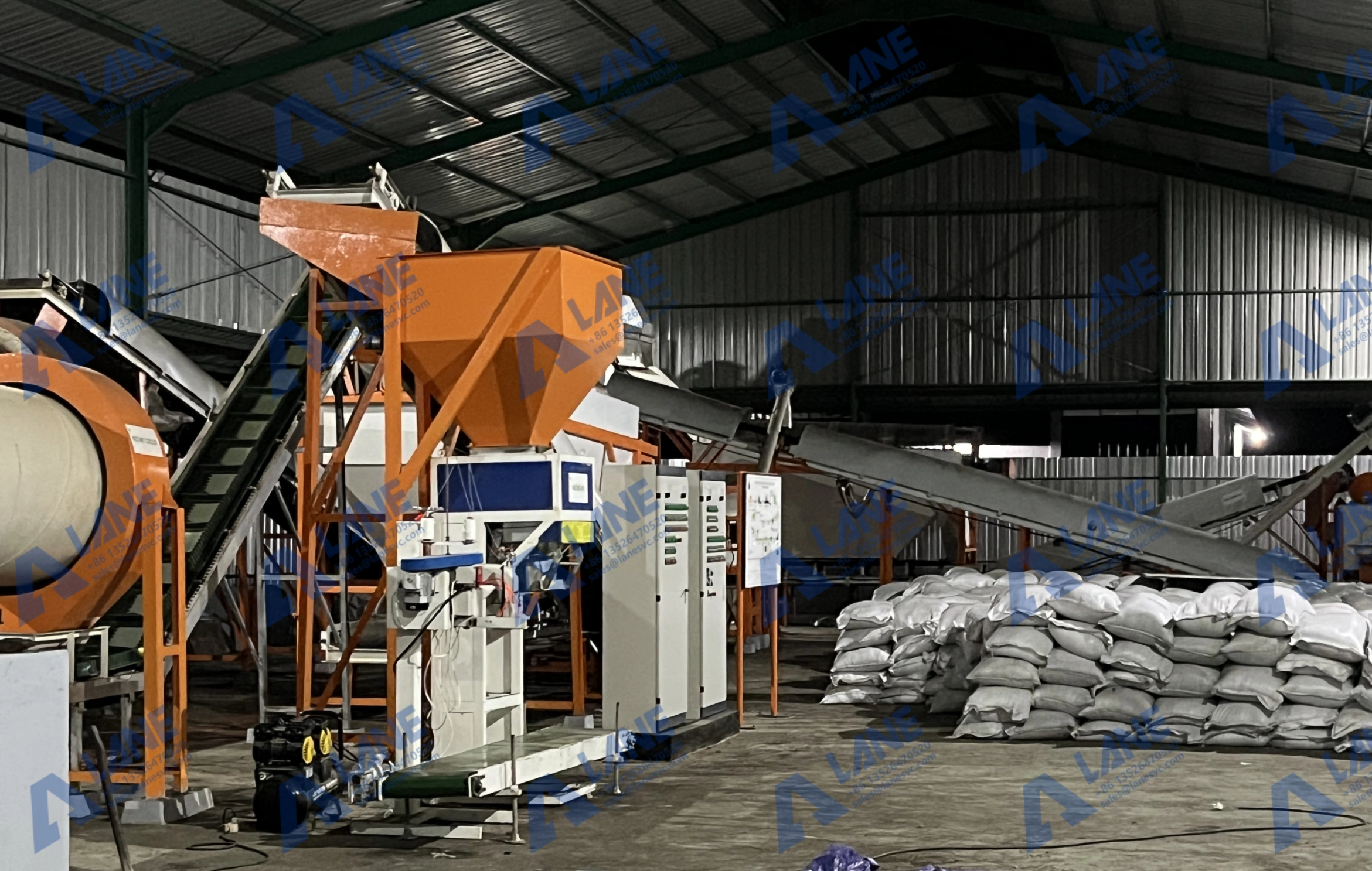
Potassium nitrate (NOP) is one of the most valuable chloride free potassium recognized for supplying nitrogen and potassium without chloride. This is a highly soluble fertilizer and is popular for greenhouse cultivation, fruit production, vegetable farming, and fertigation systems. This fertilizer has demand across Asia, the Middle East, Africa, Europe, and Latin America. They want fertilizers that offer consistent nutrient content, excellent physical strength, uniform particle size, and reliable performance. Investors and manufacturer who wants to capture this international market, setting up a state-of-the-art NOP Fertilizer Granulator production plant engineered for export standard is a must.
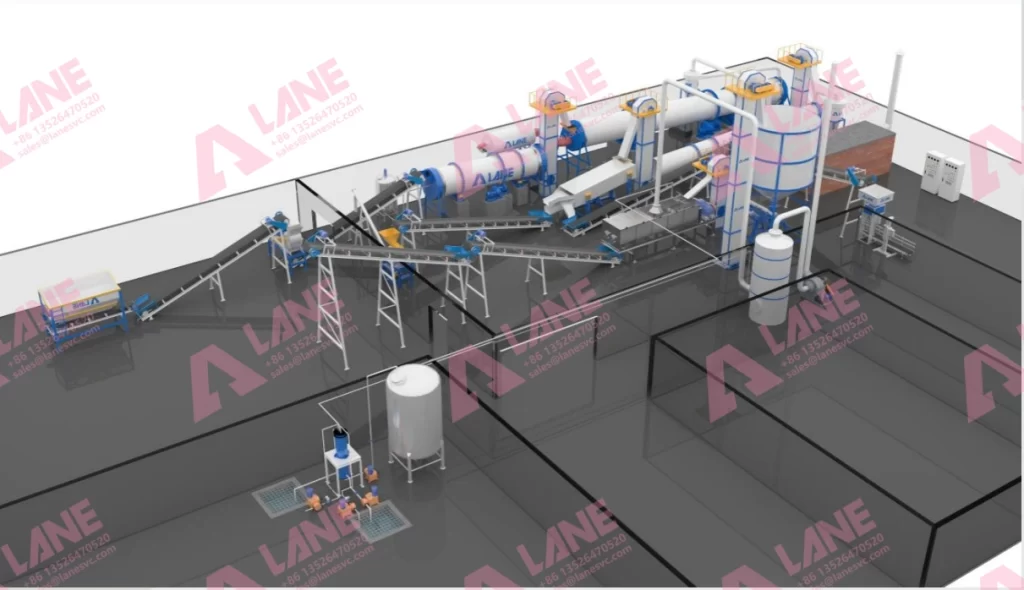
Designing and manufacturing a commercial NOP Fertilizer Granulator production plant requires equipment’s that can handle the corrosiveness of the raw materials. It also requires intelligent batching, advanced granulation technology, drying and cooling systems, and equipment that will protect the worker from the dust and gas. These components must work in unison to ensure stable production, and consistent product quality.
LANE Heavy Industry has over two decades of experience in providing complete turnkey solution for export-oriented fertilizer facilities. LANE helps investors develop a competitive NOP Fertilizer Granulator production plant capable of delivering consistent product quality and help investor capture the international market.
Understanding NOP Fertilizer Granule Production
NOP fertilizer granules use potassium nitrate powder as the main raw material. The goal of the NOP Fertilizer Granulator production plant is to convert the fine powder into uniform, free-flowing granules that are easier to handle, store, and transport.
Granulated potassium nitrate generates less dust during production and application. This led to cleaner work environment and less production loss due to no dust pollution. The granules also have better handling characteristics, making bulk transportation and packaging more efficient.
The granulation production line reduces the moisture of the granules to enhance the storage stability. This drying step also prevents caking of the granules. A well-designed NOP Fertilizer Granulator production plant can produce consistent granules ranging from 2 mm to 5 mm in size, which meet the strict export standard requirement around the world.
Project Overview & Raw Material Preparation
An export quality competitive NOP Fertilizer Granulator production plant must have the capability of handle raw materials with precision. The process starts with the storage and preparation of the high-purity raw materials.
Batching and Crushing
In a standard potassium nitrate production line, the powdered or crystalline potassium nitrate along with other secondary raw materials (if any), is first crushed in a heavy-duty chain crusher or cage mill. This step is important for uniform blending which is the next step. The dynamic batching system releases the raw material in the production line in pin point accuracy. The raw materials are sent to the mixing stage where they are blended with other elements such as phosphorus or micro-elements to create customized blend according to customers requirements.
Core Technology: The Granulation System
The heart of the entire NOP Fertilizer Granulator production plant is the granulation stage. This stage requires controlled mechanical forces and liquid-to-solid to from spherical pellets that can withstand international bulk shipping.
The LANE Rotary Drum Granulator
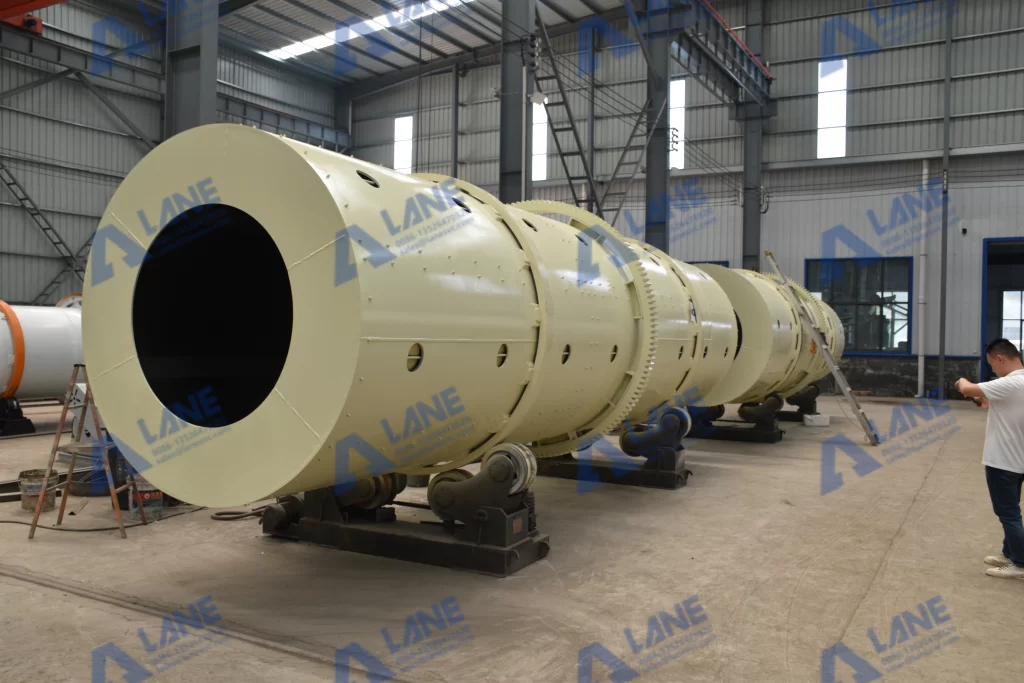
For export grade manufacturing, LANE provides Rotary Drum Granulator which can handle massive volumes (2 to 50+ tons per hour.) This granulator offers superior control over pellet size and density. LANE Rotary Granulator has:
- Corrosion-Resistant Inner Lining:Potassium nitrate exhibit corrosiveness under high moisture and temperature. LANE rotary drum granulator lines the interior of the drum with specialized rubber or high-grade stainless-steel plates. This prevents materials from sticking to the granulator walls, reduces friction, and extends the machinery’s operational lifespan.
- Steam/Liquid Injection System:The granulator is equipped with built in liquid spray system. This control system is used to introduced steam or water to the granulation process. This helps fine powder transform into perfectly spherical granules via rolling friction.
Thermal Processing: High-Efficiency Drying and Cooling
Moisture removing is one of the most important steps of the NOP Fertilizer Granulator production plant. If the moisture content inside the dryer is not brought down to less than 1.5%, the granules will cake, or degrade inside the bags.
The wet granules from the granulator are first conveyed into the LANE Rotary Dryer. An automated blast stove heats the dryer; the dryer passes the hot air across the tumbling NOP granules.
Immediately after drying the granules are sent to the rotary cooler. Hot granules cannot be packaged directly, as it will induce condensation inside the plastic bags. LANE cooler uses ambient counter-flow air to lower the temperature of the NOP granules to the room temperature. This also increase the pellet hardness.
Post-Processing: Screening, Coating, and Final Quality Control
The uniformity of the granules matter in the international markets. The output from NOP Fertilizer Granulator production plant must have perfectly uniform particle size.
The cooled granules are fed into the LANE Rotary Screening Machine. This is a highly precise machine with multi-layer sieving system. This machine divides the raw materials into three different sizes. The oversize and fines are sent back to the crusher to be recycled back to the granulator. the on-size granulator is sent to the coating stage.
Rotary Coating Machine
The manufacturer can use this stage to implement slow release, micronutrient, or anticaking coating to the granules. LANE Rotary Coating Machine can apply micro-layer of oil and water-soluble powder. This process seals the pores of the potassium nitrate granules. This gives the final product a smooth, high-gloss professional appearance preferred by global distributors.
The final stage of the NOP Fertilizer Granulator production plant is the automated packaging section. LANE Heavy Industry supplies integrated Automatic Quantitative Packaging Scales equipped with pneumatic bag-clamping systems, precise PLC controls, and automated sewing/heat-sealing units.
Our 5-100 kg packaging machine or 1-ton jumbo bulk machine bags for commercial farms. The system can adjust weights instantly with the touch of a screen, maintaining a high throughput speed with minimal labor requirements.
FAQ
- What is the ideal capacity for a commercial NOP Fertilizer Granulator production plant?
Typical commercial plants range from 50,000 to 300,000 tons annually, depending on market demand and investment scale.
- Why is granulation important in NOP fertilizer production?
Granulation improves handling, reduces dust, enhances nutrient uniformity, and meets export quality standards.
- Can LANE Heavy Industry provide turnkey solutions?
Yes, LANE offers complete turnkey solutions including design, manufacturing, installation, and commissioning.
- What are the key challenges in NOP production?
Maintaining purity, controlling crystal size, and optimizing energy consumption are primary challenges.
Of course, we also offer other types of products for your different needs, you can click to view.
For more information, please contact us by sending an inquiry today! We can help you!



Write a Reply or Comment