
MKP Foliar Fertilizer Formulation: Benefits, Uses, and Application Rates
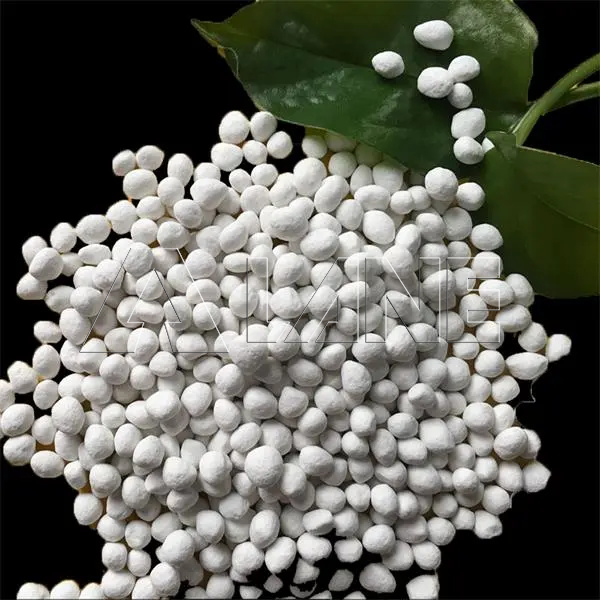
In the past decades the agriculture industry has gone through some major changes. New advance machinery along with nutritional management has enabled farmers to try out methods for farming. Farmers no longer use general bulk fertilizers and moving toward targeted growth stage nutrition management. During flowering and reproductive phases, excess nitrogen can cause rapid, weak vegetative flushing. This degrades fruits quality and attracts pests. This has caused farmers to apply the MKP foliar fertilizer formulation. This fertilizer delivers 52% phosphorus and 34% potassium through foliar application.
A well-engineered MKP foliar fertilizer formulation provides crops with concentrated phosphorus and potassium without chloride toxicity. However, the effectiveness of MKP foliar fertilizer formulation depends on its physical properties like purity, rapid solubility, and granule strength. LANE Heavy Industry has manufactured a production line, that can create consistent MKP foliar fertilizer. This article explores the benefits, uses, application rates, production process, and equipment’s for producing high-quality MKP-based foliar fertilizers with the help of LANE machinery.
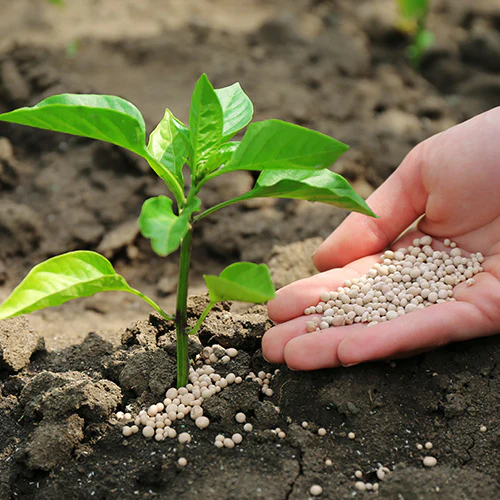
What Is MKP Foliar Fertilizer Formulation?
An MKP foliar fertilizer formulation is a water-soluble mixture of monopotassium phosphate, designed for applying directly into the leaf. The leaf absorbs the liquid fertilizer though the stomata and leaf surface. because of the readily available ions, the plant can directly absorb the nutrients without relaying on root.
Key characteristics of an effective MKP foliar fertilizer formulation include:
| Property | Specification |
| Chemical Formula | KH₂PO₄ |
| N-P-K Ratio | 0-52-34 |
| Purity | ≥98% |
| Solubility | Fully water-soluble |
| Chloride Content | Chloride-free |
| EC Value | 0.7 mS/cm (low burn risk) |
This formulation is very useful during flowering or fruiting stages.
Benefits of an MKP Foliar Fertilizer Formulation
Professional farmers always turn to MKP foliar fertilizer formulation, when they need phosphorus and potassium source for foliar application. Its chemical composition offers several advantages over alternative fertilizer like Monoammonium Phosphate (MAP) or Potassium Chloride.
100% Water Solubility and Low Salt Index: For foliar spray, the granules must have dissolve completely in the water without leaving any residue that can clog spray nozzles or burn sensitive leaf tissues. A premium MKP foliar fertilizer formulation features high water solubility. MKP has low salt index which makes it perfect for applying in greenhouse systems where controlling salt is one of the biggest headaches.
Chlorine-Free and Nitrogen-Free Nutrition: During the growth stage and flowering stage certain crops require tighter control over nutrient due to the risk of root burning and excess vegetative flushing. This can divert energy away from flower and fruits. This fertilizer contains 0% nitrogen; grower can tune the absorption of potassium and phosphorus levels without worrying about excess vegetative flushing. also, completely chlorine-free makes it safe for chloride sensitive crops like tobacco, grapes, potatoes, and various berries.
Disease Suppression and Powdery Mildew Control: Regular application can strengthen the plant’s cuticle layer. This structural integrity helps suppress the spread of airborne fungal pathogens like mildew and reduces farms reliance on chemical fungicides.
Low Leaf Burn Risk: MKP foliar fertilizer has an EC value of only 0.7 mS/cm. This makes it safe for leaves. It means farmers can apply this fertilizer at higher concentration without worrying about leaf burning.
Rapid Nutrient Correction: This fertilizer provides immediate phosphorus and potassium supplementation. It is useful for correcting deficiencies within 24–48 hours.
Agricultural Uses and Crop Stages
Understanding the apply method and when to apply MKP foliar fertilizer formulation can alter harvest outcomes.
- Root System Development:When applied on early vegetative cycle, the high phosphorus content stimulates the root architecture. This ensures better anchorage and soil nutrient uptake.
- Flowering and Bud Initiation:Prior to flowering, the MKP foliar fertilizer formulation triggers uniform budding and boosts the energy transfer mechanisms necessary for healthy flowers.
- Fruit Set, Coloring, and Sugar Accumulation:In the fruit expansion and ripening stages, plants need potassium for proper growth. Applying the MKP at this time enhances sugar translocation, improves fruit coloration, optimizes size, and extends the shelf life of the harvested produce.
Application Rates and Guidelines
To ensure maximum nutrient absorption through the stomata, standardized application parameters for your MKP foliar fertilizer formulation is crucial.
| Crop Category | Recommended Concentration | Application Timing |
| Fruit Trees (Apples, Citrus, Grapes) | 0.5% – 1.0% solution (500–1000g per 100L water) | Apply at pre-bloom, fruit set, and every 14 days during fruit coloring. |
| Field Crops (Wheat, Corn, Rice) | 1.0% – 1.5% solution | Apply during tillering, panicle initiation, and grain-filling stages. |
| Vegetables (Tomatoes, Peppers, Cucumbers) | 0.3% – 0.5% solution | Apply starting from early flowering through fruit harvesting cycles every 10 days. |
Best Practices for Foliar Spraying:
- Timing:Spray the fertilizer during early morning or late evening when temperatures are cool and relative humidity is high. This prevents the liquid solution from drying quickly.
- Surfactants:Mixing a non-ionic surfactant with your MKP foliar fertilizer formulation reduces surface tension, ensuring even coverage across waxy leaf cuticles.
- Water pH:Ensure the water source is slightly acidic to neutral (pH 5.5 to 6.5) to maintain maximum solubility of the compound.
Production Process of MKP Foliar Fertilizer Formulation
The first step of the production is selecting and preparing the high purity raw materials for the production. The raw materials include, Mono Potassium Phosphate (MKP), purified water, micronutrients, wetting agents, and other additives according to your formulation. The purity of the raw material is essential for water-soluble fertilizer.
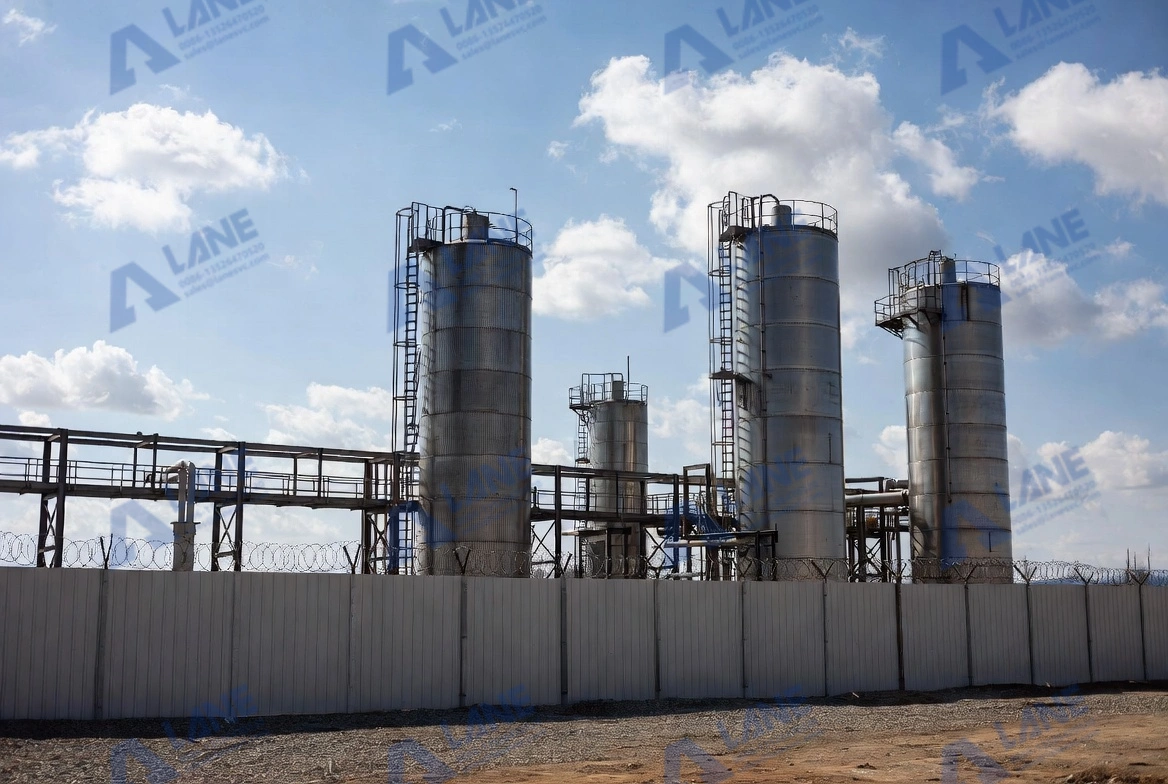
Once the raw materials are prepared, the MKP is introduced into a stainless-steel mixing tank equipped with an agitator. The purified water and continuous mixing ensure complete dissolution of the MKP fertilizer. Industrial production facility designed by LANE uses automatic batching system to accurately control the raw material dosing and reduce production errors.
After the MKP has fully dissolved, it is moved on to the main mixing tank, where additional ingredients such as micronutrients, surfactants, spreading agents, and pH regulators are added according to the desired MKP foliar fertilizer formulation. This is a critical stage and operator must monitor every parameter such as nutrient concentration, pH value, and solution stability to ensure the formulation meets quality specifications and crop requirements. LANE provide intelligent PLC system which helps operator with the continuous data from the sensors in the machines.
The next is filtration where, a dual stage filter is used to remove impurities and insoluble from the liquid solution. It improves product clarity, prevents blockage during spraying, and increase the product value.
After filtration the, the finished MKP foliar fertilizer is transferred to storage tanks before it is transferred to the packaging line. Automated filling machines package the product into bottles, drums, IBC tanks, or other containers based on customer requirements.
With help if modern advance mixing, filtration, and packaging equipment from LANE Heavy Industry, investors can achieve premium liquid fertilizer production while maintaining product quality.
FAQ
- What is MKP foliar fertilizer formulation?
MKP foliar fertilizer formulation is a water-soluble fertilizer solution containing Mono Potassium Phosphate that supplies phosphorus and potassium directly through plant leaves.
- What nutrients are found in MKP?
MKP typically contains about 52% phosphorus pentoxide (P₂O₅) and 34% potassium oxide (K₂O).
- Which crops benefit most from MKP foliar fertilizer formulation?
Fruit trees, vegetables, greenhouse crops, cereals, and many field crops benefit from MKP foliar applications.
- How often should MKP foliar fertilizer formulation be applied?
Applications are commonly made every 10–15 days during active growth and reproductive stages.

Of course, we also offer other types of products for your different needs, you can click to view.
For more information, please contact us by sending an inquiry today! We can help you!



Write a Reply or Comment