
What Is Dipotassium Phosphate Fertilizer and Why Does Your Crop Need It?
In the agriculture community, every progressive farmers know that tossing generic NPK at a high-value crop is an outdated farming practice. The difference between average harvest and a record-breaking premium yield often comes down to a few points of pH and nutrient value. Modern farming requires pinpoint accuracy in nutrient delivery and nutrient that won’t clog drip systems. Standard NPK blends gets the job done but when you are farming high-value crops, traditional inputs can feel like a blunt weapon to a gunfight. Dipotassium Phosphate fertilizer is a hyper soluble fertilizer that delivers immediate bio-availability without risk of any soil salinity.
Dipotassium Phosphate fertilizer (DKP) has excellent water solubility, high nutrient content, and can be used across many cropping systems. To produce and leverage the DKP fertilizer, producers and agribusiness should know how the molecule behaves under the leaves, and its advance manufacturing systems. LANE Heavy Industry has engineered advance Dipotassium Phosphate production line that can create both fertilizer and food grade Dipotassium Phosphate without compromising its moisture sensitive structure.
In this guide we will explore what Dipotassium Phosphate fertilizer is, how it works, and its agricultural benefits with the help of LANE Heavy Industry’s technology and research.
What Exactly Is Dipotassium Phosphate Fertilizer?
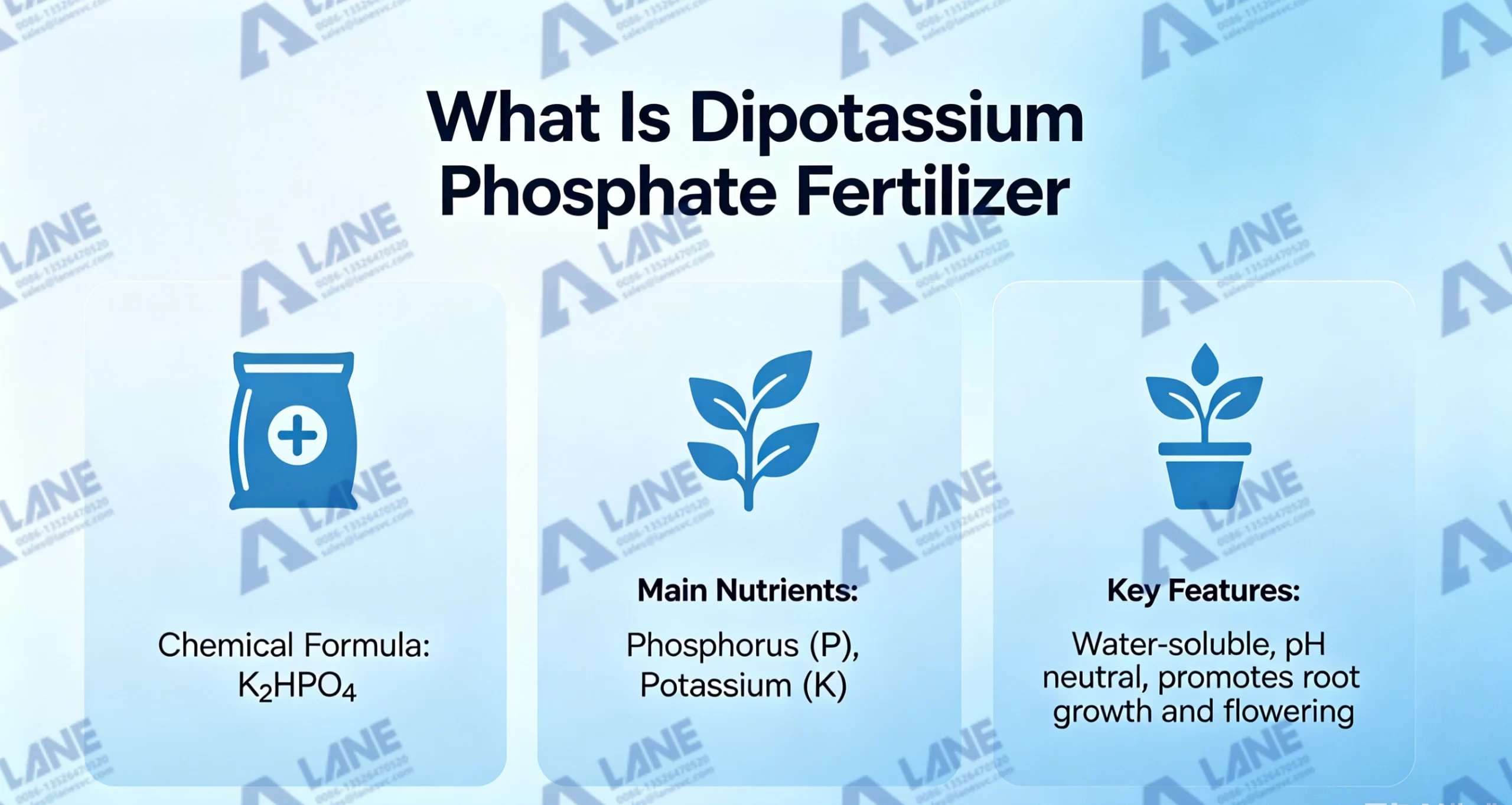
Dipotassium Phosphate (K2HPO4) is a hyper water-soluble chemical salt, which contains phosphorus (P) and potassium (K). In the commercial fertilizer industry, it is priced for its concentrated chloride free source of phosphorus (P) and potassium (K). These nutrients play the critical roles in plant growth, root development, flowering, fruit formation, and stress resistance.
This fertilizer is formed through the neutralization of phosphoric acid with potassium hydroxide. The process follows the following chemical equation:
H3PO4 + 2 KCl → K2HPO4 + 2 HCl
Monopotassium Phosphate (MKP, KH2PO4), has almost the same nutrient profile as Dipotassium Phosphate. But while Monopotassium Phosphate creates acidic solution, Dipotassium Phosphate is alkaline with a pH of around 9.0 in a 1% aqueous solution. This alkaline characteristic makes it a vital tool for specific soil profiles and crop nutrition plants.
| Characteristic | Dipotassium Phosphate (DKP) | Monopotassium Phosphate (MKP) |
| Chemical Formula | K2HPO4 | KH2PO4 |
| Nutrient Ratio | High Potassium, Moderate Phosphorus | Moderate Potassium, High Phosphorus |
| 1% Aqueous pH | Approximately 8.5 – 9.3 (Alkaline) | Approximately 4.2 – 4.7 (Acidic) |
| Water Solubility | Extremely High (~1,600 g/L at 20°C) | Moderate-High (~226 g/L at 20°C) |
Why Do Crops Need Dipotassium Phosphate Fertilizer?
- Promotes Strong Root Development:Phosphorus is one of the most essential nutrients during early stage of crop growth. It stimulates rapid root branching and healthy energy transport (ATP synthesis) with in the plant. Potassium on the other hand work as regulator. It regulates stomatal opening, improves water-use efficiency, and is a quality driver. It delivers sugar and starches into fruits, tubers, and grains. Applying DKP during early root development gives plant an immediate, bio-available surge of energy. A stronger root system gives plants access to more water and nutrients throughout the growing season.
- Enhances Flowering and Fruit Formation:Potassium plays major role in flowering and fruiting of the crop. Dipotassium Phosphate fertilizer supplies potassium in a soluble form. This helps plant transition from vegetative growth to flowering and fruit production at a rapid pace. Proper amount of potassium helps flower initiation, improves fruit set, helps seed development, and contributes to larger and more uniform fruits.
- Improves Crop Quality:Potassium contributes directly to crop quality. It helps improve the sugar and starches of fruits, tubers, and grains. This influences the market value of the crops. Proper potassium nutrition helps enhance fruit color, improve sugar accumulation, increase sweetness, and extend shelf life after harvest.
- Increases Stress Resistance:Plants with higher potassium levels are more resilient to environmental stresses. Dipotassium Phosphate fertilizer helps strengthen plant tissues and regulate physiological processes. This improves the stress tolerance of drought, high temperatures, cold conditions, and certain diseases.
- Supports Efficient Nutrient Management:Dipotassium Phosphate fertilizer is a ultra water-soluble fertilizer. Once the nutrient is dissolved, it becomes fully available for plant uptake. Plant can easily absorb the available nutrient, which reduces nutrient loss. This characteristic make is suitable for fertigation (applying fertilizer through irrigation lines) and foliar feeding. When sprayed directly into leaves, the crop absorbs the potassium and phosphorus within hours, bypassing cold or locked-up soils.
- Ultra-Low Salt Index for Sensitive Crops:High-salinity fertilizers scorch delicate seedlings and degrade soil structures. Dipotassium Phosphate fertilizer has remarkable low salt index compared to most other potassium fertilizer. This low salt index makes it ideal for high-value, salt-sensitive crops such as strawberries, avocados, leafy greens, and tobacco.
Industrial Production Challenge: Making High-Purity Water-Soluble Fertilizers
While the benefit of Dipotassium Phosphate fertilizer is clear, producing it at an industrial scale requires advance machinery capable of extreme precision. This fertilizer is soluble and hygroscopic which means it can easily absorb moisture from the air. A poorly designed production system will cause caking, uneven blending, and clotted equipment.
This is where the decades of engineering experience of LANE Heavy Industry Machinery Technology Co., Ltd. comes into play. As a global leader in fertilizer manufacturing machinery, LANE Heavy Industry designs automated, high-output production systems tailored for compound, liquid, and water-soluble fertilizers.
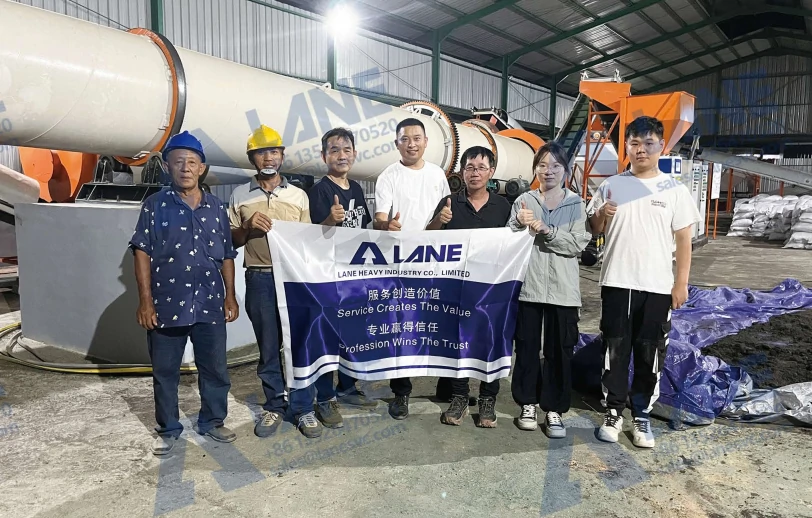
How LANE Heavy Industry’s Machinery Optimizes DKP Production
Manufacturing high-value water soluble fertilizers like DKP requires customized equipment that can handle raw material preparation, precise batching, homogeneous blending, and moisture-controlled packaging.
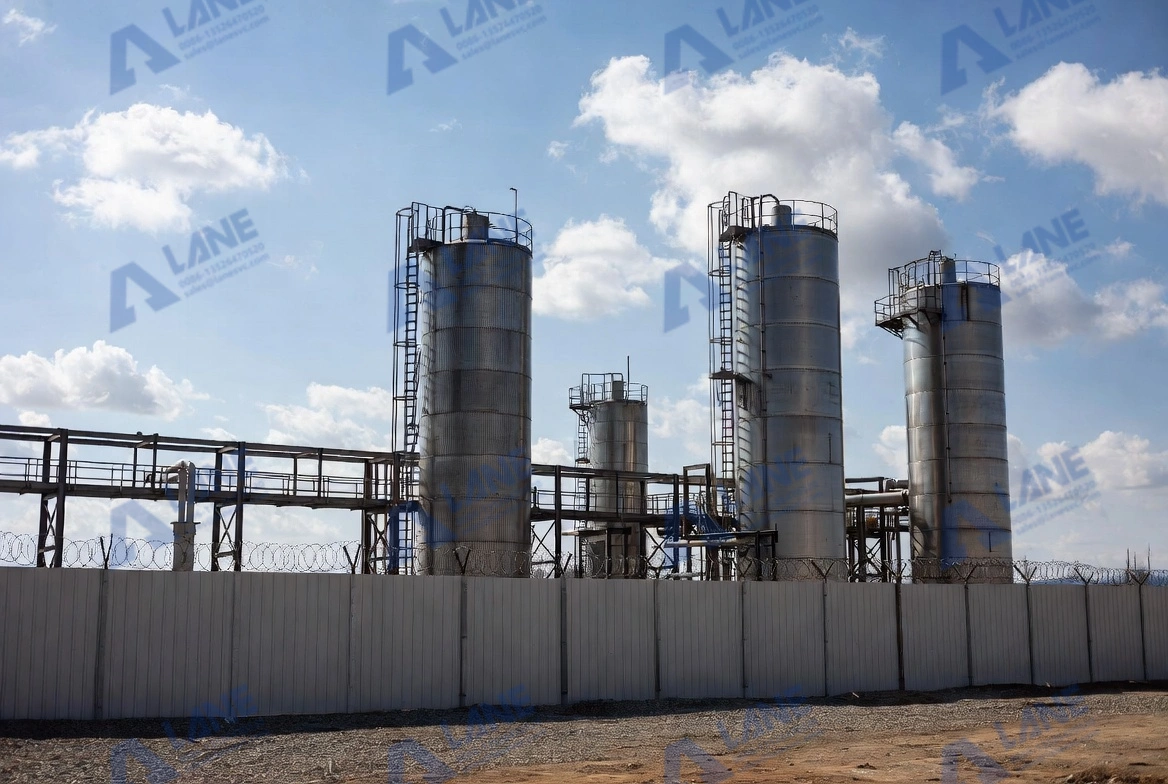
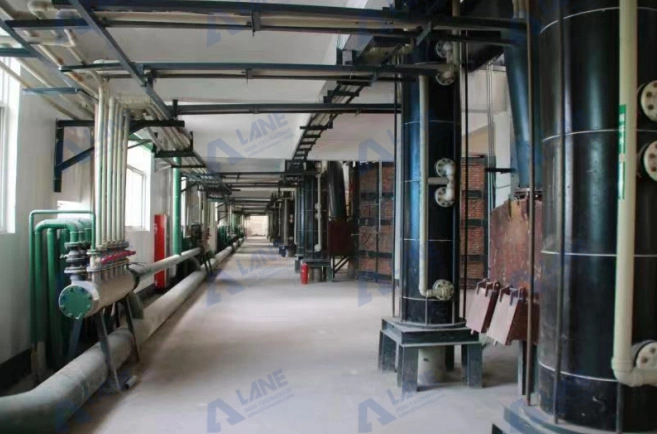
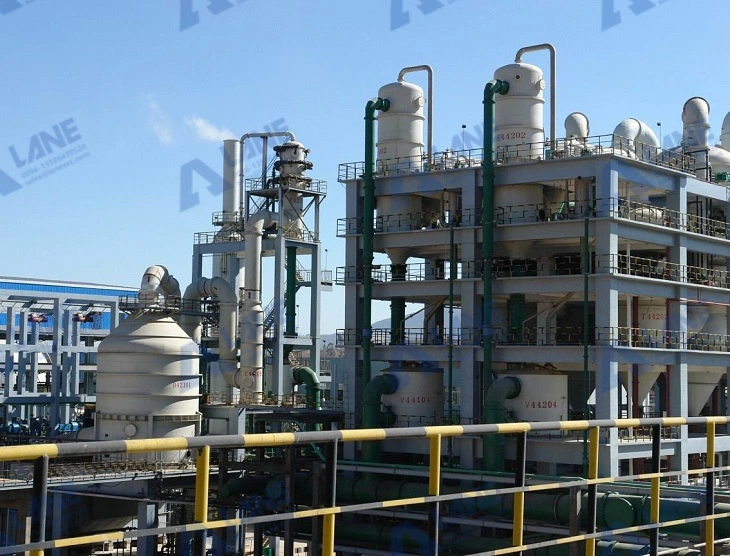
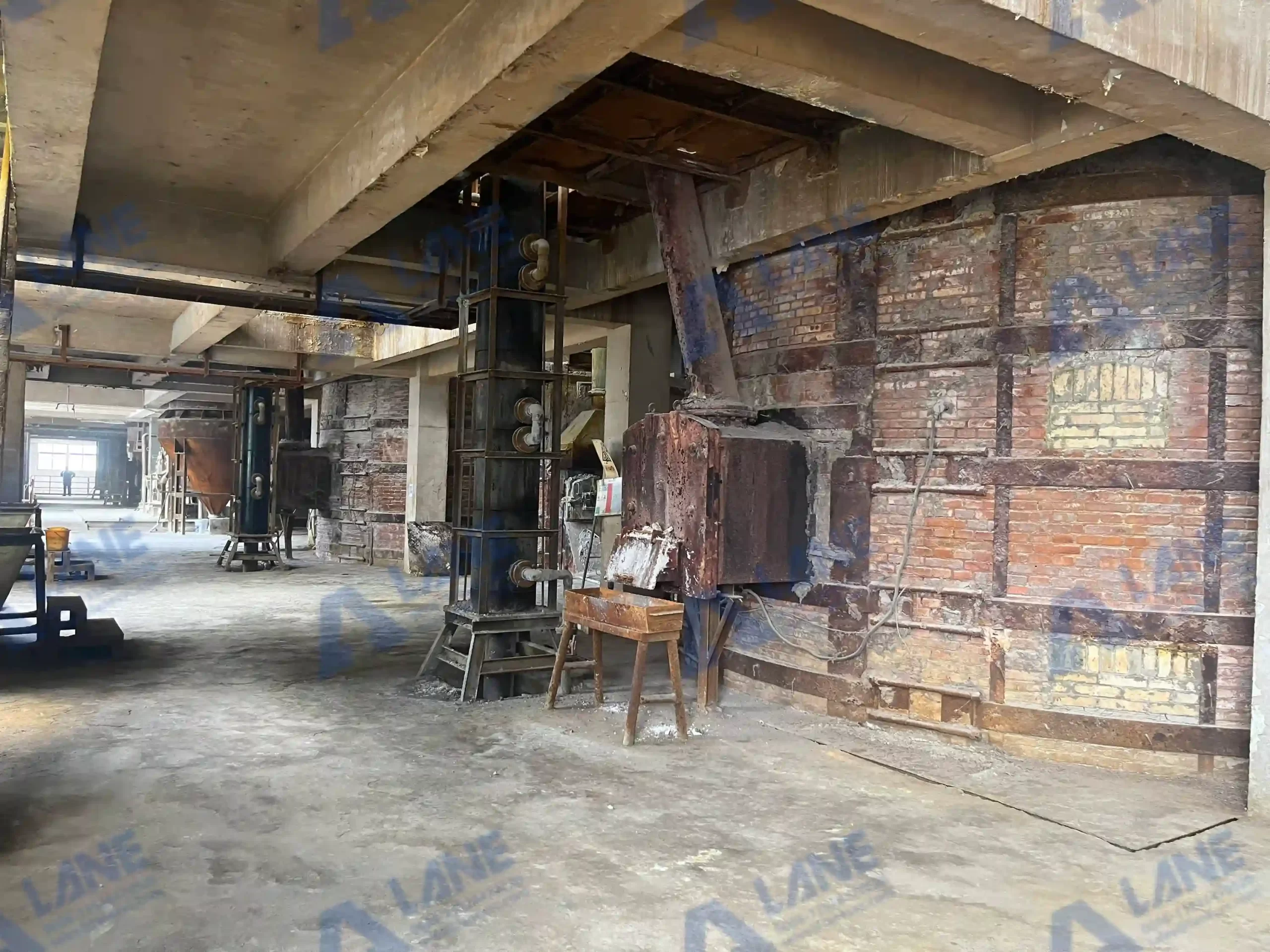
LANE Heavy Industry’s 3-50 T/H Dipotassium Phosphate fertilizer production line can produce 7,200 to 360,000 Tons/Year (we also manufacture production line capable of producing millions of tons per year). We us intelligent, fully enclosed system designed to overcome common processing challenges.
- Precision Automated Batching:Dipotassium Phosphate requires strict ratio control. LANE’s computer-controlled multi-hopper batching system ensures raw materials are measured with a high degree of accuracy, minimizing chemical variance. This system includes storage tanks, conveyors, screw feeders, weighing equipment, and automated dosing units.
- Reaction Equipment: This is the most critical stage of the whole production line. Our engineered reactors are designed to facilitate the controlled neutralization reaction between phosphoric acid and potassium hydroxide. The reactor is implemented with advanced temperature, pressure, and pH monitoring system. The efficient design of the reactor improves stability, purity, and raw material utilization.
- Crystallization Systems: Our crystallization equipment produces uniform, high purity Dipotassium Phosphate fertilizer crystals. Its control evaporation improves product quality, solubility, and storage performance.
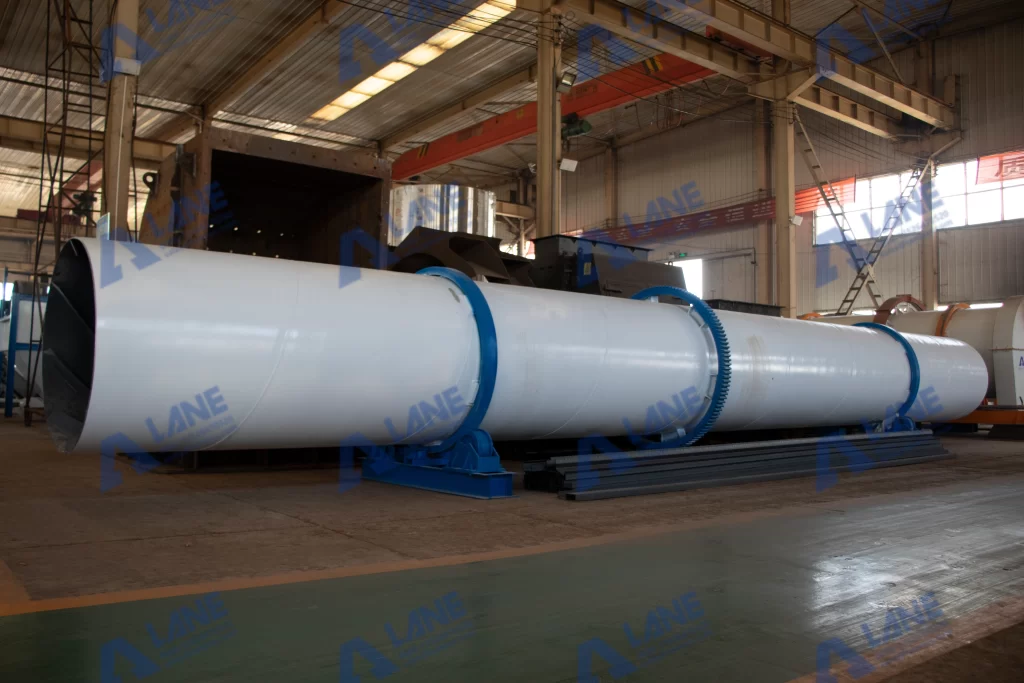
- Drying Equipment: Our drying equipment removes excess moisture from the fertilizer while maintaining quality. Proper drying improves product stability and prevents caking during storage and transportation.
- Screening and Classification Systems: our precision screening equipment separates particles according to size specifications. This ensures a consistent and marketable final product while allowing oversized materials to be recycled.
- Packaging Solutions: Our packing system provides accurate weighting, filling, and sealing of the fertilizer bags. It can be extended to pelletizing machine.
FAQ
What is the main nutrient value of DKP?
DKP supplies phosphorus and potassium in a water-soluble form.
Is DKP suitable for foliar spray?
Yes, it is commonly used in foliar fertilizer programs because it dissolves easily and is rapidly available to plants.
Which crops benefit most from DKP?
High-value crops such as fruits, vegetables, ornamentals, and cereal crops can benefit, especially during flowering and fruit development.
Can DKP help with pH management?
DKP has a mildly alkaline solution behavior and can help buffer growing solutions in some formulations.
Is DKP used in fertilizer manufacturing?
Yes, it is used as a raw material for water-soluble fertilizers and compound fertilizer production.
Of course, we also offer other types of products for your different needs, you can click to view.
For more information, please contact us by sending an inquiry today! We can help you!



Write a Reply or Comment