
How to Choose the Right Equipment Needed for Sulphate of Potash Plant
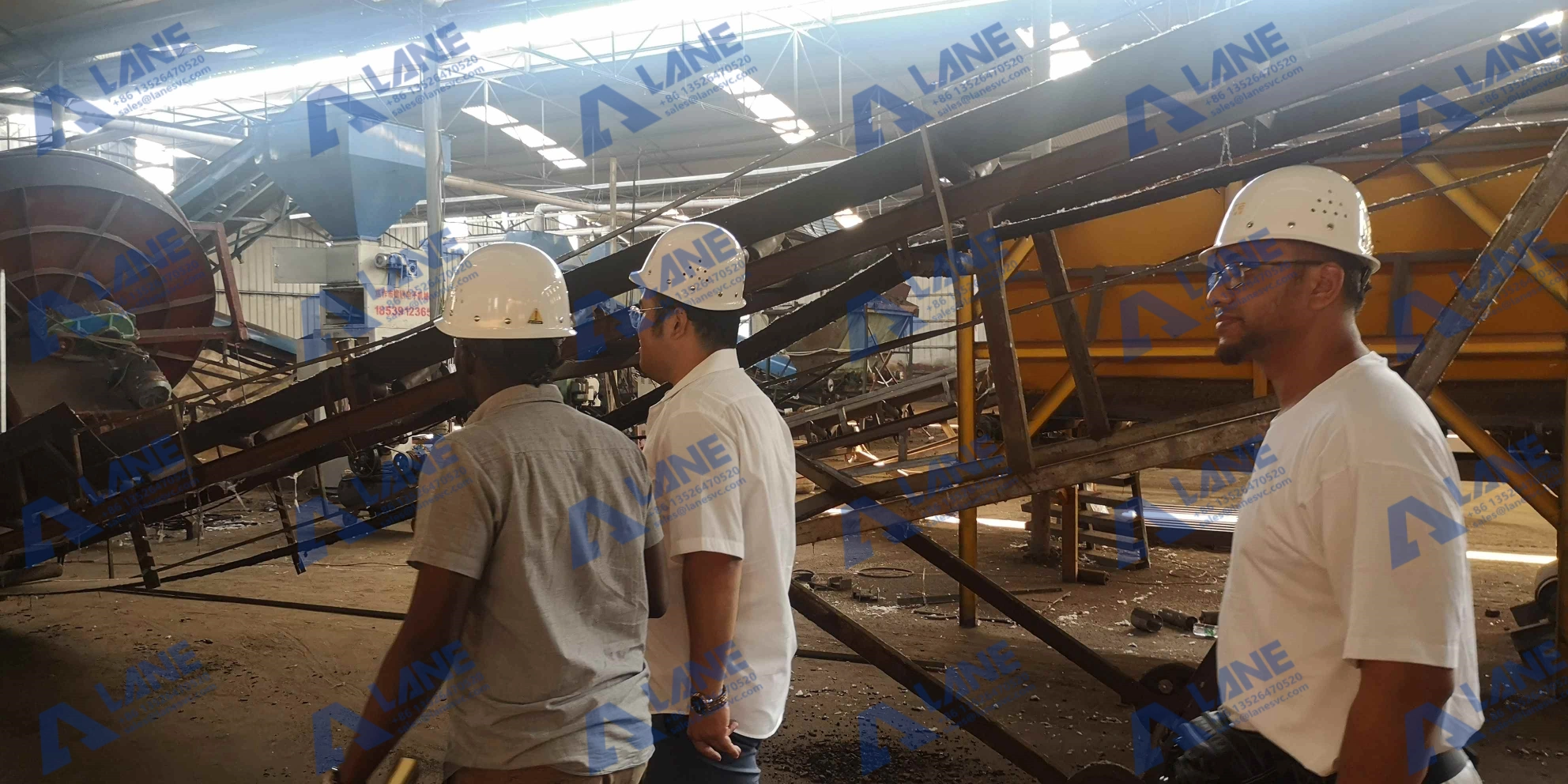
Sulphate of Potash (SOP) one of the most valued spatiality fertilizers in the market. It provides highest potassium per molecule among low salt index potassium. It is popular among fruits, vegetables, tobacco, tea, and other high-value crop farmers. But the quality of a SOP fertilizer depends on its production process. Industrial SOP fertilizer manufacturer manages an aggressive environment where temperatures hover at 600°C alongside corrosive Hydrogen Chloride gas. Choosing the wrong equipment needed for sulphate of potash plant production in these scenarios leads to costly downtime, structural corrosion, and lost revenue.
Selecting the proper equipment needed for sulphate of potash plant is one of the most critical decisions for investors who wants to create SOP fertilizer production plant. LANE Heavy Industry has engineered a production line which will help producers achieve 98.5% conversion rate when processing SOP fertilizer. We designed the production system for constant performance. It has advanced thermal control and synchronized downstream processing system. In this article we explain how to synchronize Mannheim furnaces with high-performance granulation loops to ensure maximum operational yield from day one.
Understanding Sulphate of Potash Production
Before selecting machinery, manufacturer must first understand the production process. There are several production methods for Sulphate of Potash including Mannheim Process, conversion processes, and recovery from natural brines.
Mannheim Process is the most used process because of its high purity and control over the SOP fertilizer. In this process, potassium chloride is reacted with sulfuric acid under high temperatures. This reaction produces potassium sulfate and hydrochloric acid gas. This process requires temperature control, raw material handling, and filtration system.
The equipment needed for sulphate of potash plant must be capable of handling corrosive materials, high temperature, and continuous production.
Key Factors to Consider When Choosing Equipment
The choice of right equipment needed for sulphate of potash plant begins in the evaluation stage.
Production capacity: It is the first consideration. A production plant producing 5 tons per hour requires a different equipment configuration than a facility producing 30 or 50 tons per hour.
Raw material quality: The quality of raw material also affects the decision of equipment selection. The purity of sourced Raw material quality and sulfuric acid concentration might require additional processing steps.
Environmental regulations: Modern SOP plants must abide environment rules. They must have means to control the emission and take care of workers safety. The plant must be built with compliance with strict environmental standards.
Automation: Automation is also one of the major considerations of the modern plant. It can improve production consistency and reduce labor costs.
LANE Heavy Industry provides tailored equipment needed for sulphate of potash plant according to customer’s production goals, budget, and local regulatory requirements.
Processing & Granulation Systems
Option A: Heavy-Duty Compaction Granulation Production Lines
Dry roller compaction is highly recommended for standard agricultural grade SOP. This mechanical compression technique requires zero liquid binding agents, preserving the dry purity of the potassium compound. LANE Heavy Industry’s heavy-duty double-roller extrusion granulators apply massive hydraulic pressure to press raw SOP powder into dense, durable structural flakes, which are then crushed and sized into uniform granules.
Option B: Rotary Drum Granulator Units
For multi-nutrient compound formulations (such as premium NPK mixtures featuring an SOP base), a rotary drum system is ideal. LANE Heavy Industry’s high-capacity rotary drum granulators utilize a precise water-steam injection mist to agglomerate materials smoothly. This delivers exceptionally spherical granules with superior physical integrity, making them excellent for global export shipping and extended warehouse storage.
Core Equipment Needed for Sulphate of Potash Plant Production
The right equipment needed for sulphate of potash plant is determined by the production stage and process. Machinery provided by LANE Heavy Industry is made for achieving high production efficiency, stable product quality, and long-term profitability. We customized machinery based on each stage of the process and how that process effect the next stage.
Raw Material Handling Equipment: The production process begins with efficient raw material preparation. The equipment needed for an industrial sulphate of potash plant includes:
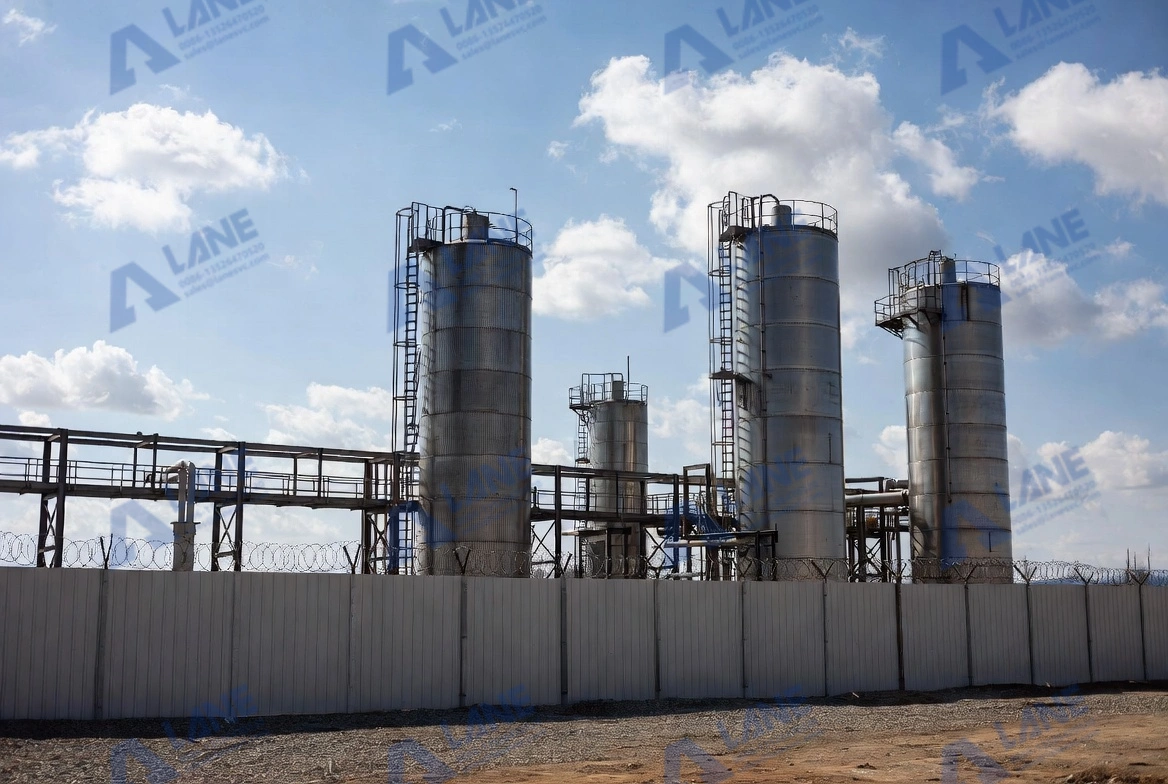
- Storage silo and tank for potassium chloride and sulfuric acid.
- weighing systems
- conveyors
- feeding hoppers
- Dynamic batching system
The dynamic batching system ensures that proper ratio of raw material enter the reaction stage. This automated system controls the weighting system, feeding hoppers and conveyors to accurately dose the raw material into the Mannheim furnace.
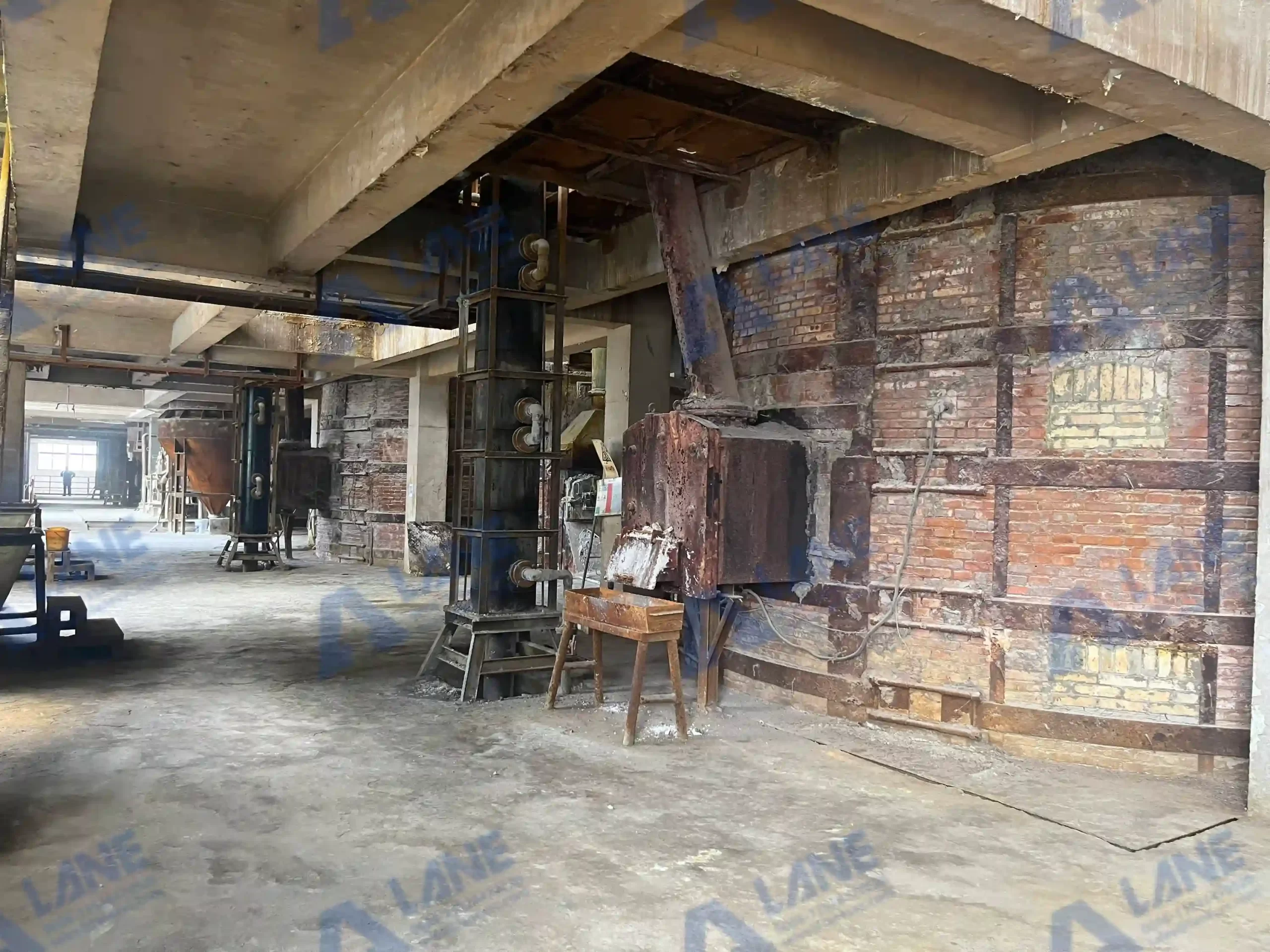
Mannheim Furnace System: It is the most used system in the SOP fertilizer production. This equipment enables the reaction between potassium chloride and sulfuric acid at temperatures above 600°C. This process creates Potassium sulfate and Hydrochloride gas.
A high-performance furnace must have the capability of excellent heat distribution, corrosion resistance, stable operating conditions, and a long service life.
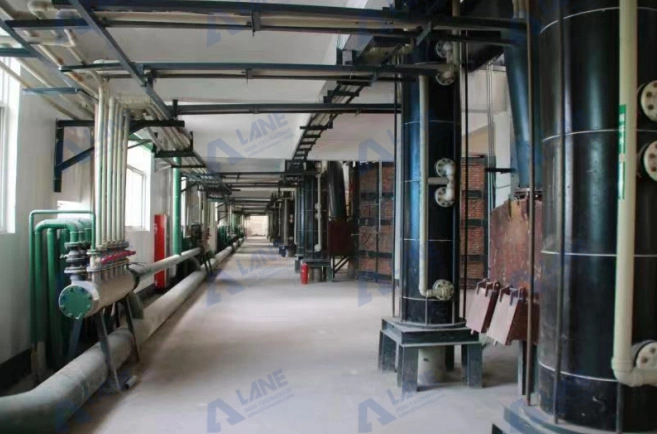
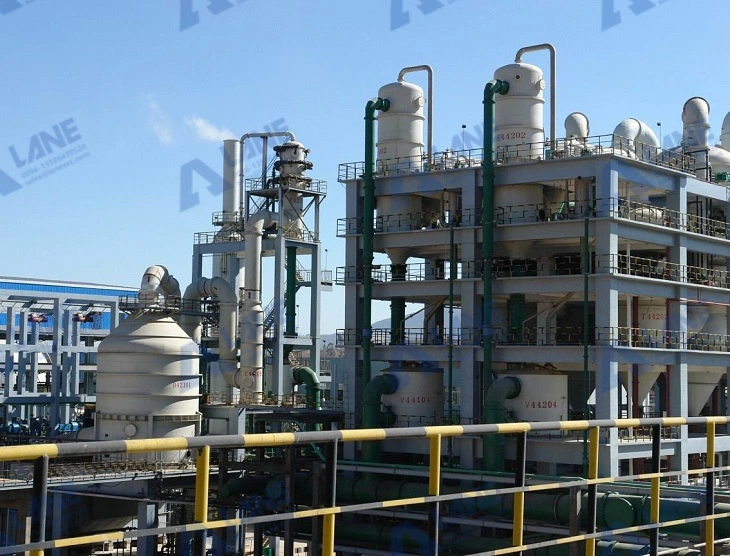
Gas Treatment and Cooling Systems: The hydrochloric acid gas generated from the reaction must be treated for workers safety and environmental protection. LANE Heavy industry system includes gas absorption towers, scrubbers, acid recovery systems, and dust collection units. These systems help manufacturers meet environmental regulations while recovering valuable by-products.
Crushing, Screening, and Granulation Equipment
Raw potassium sulphate after exiting the furnace forms molten chunk. It is cooled and crushed before it can be used for granulation. The international agricultural markets overwhelmingly prefer dust-free, free-flowing granules for automated field spreaders. The crushed before it enters the granulator.
LANE Heavy Industry provides two primary choices for granulation. Rotary drum granulator and Double roller granulator.
| Granulation Technology | Primary Mechanical Benefit | Best Applied Product Grade |
| LANE Roller Compactor | Low energy consumption; requires no drying phase | Standard 0-0-50 / 0-0-52 Agricultural SOP |
| LANE Rotary Drum Granulator | High throughput; smooth spherical finish | Premium NPK+SOP Blends & Soluble Grades |
LANE Heavy Industry offers customized granulation solutions for various production capacities.
Drying, Packaging, and Automation Systems
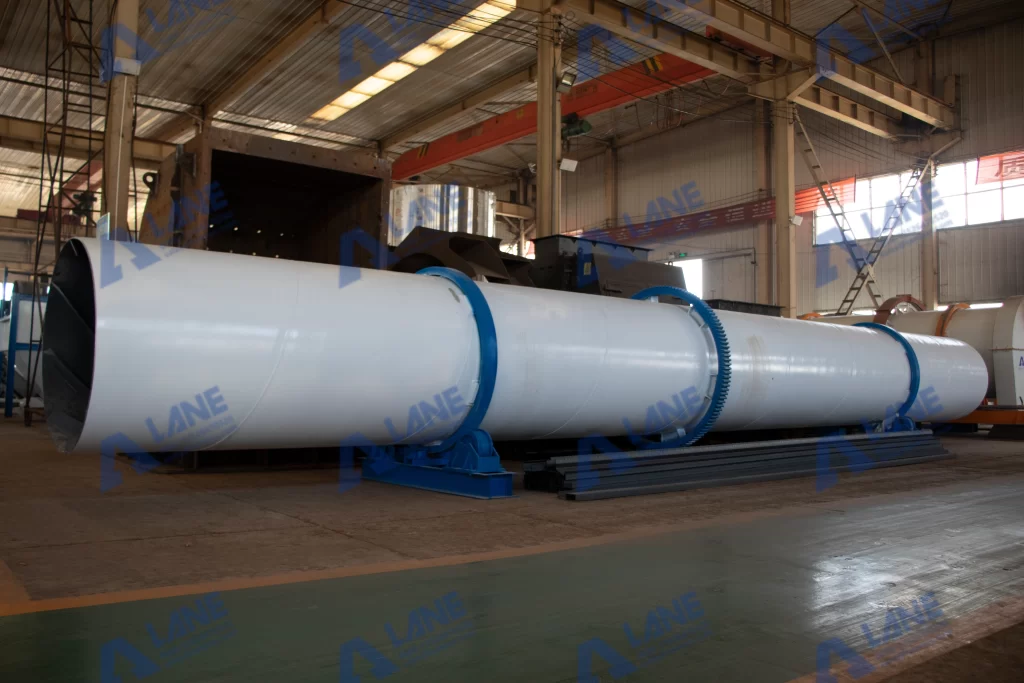
After granulation stage the SOP product requires drying and cooling before it can be stored. Our rotary dryer reduces the moisture of the granulator to below 1.5%. It improves the product stability and extends shelf life. The cooling hardens the granules and makes them ready for packaging. The granules go through screening system to filter on size granules from oversize granules and particles. The oversized and particles are crushed and sent back to the granulator. Our Automatic packaging line ensures accurate weighing, bagging, and palletizing of finished products.
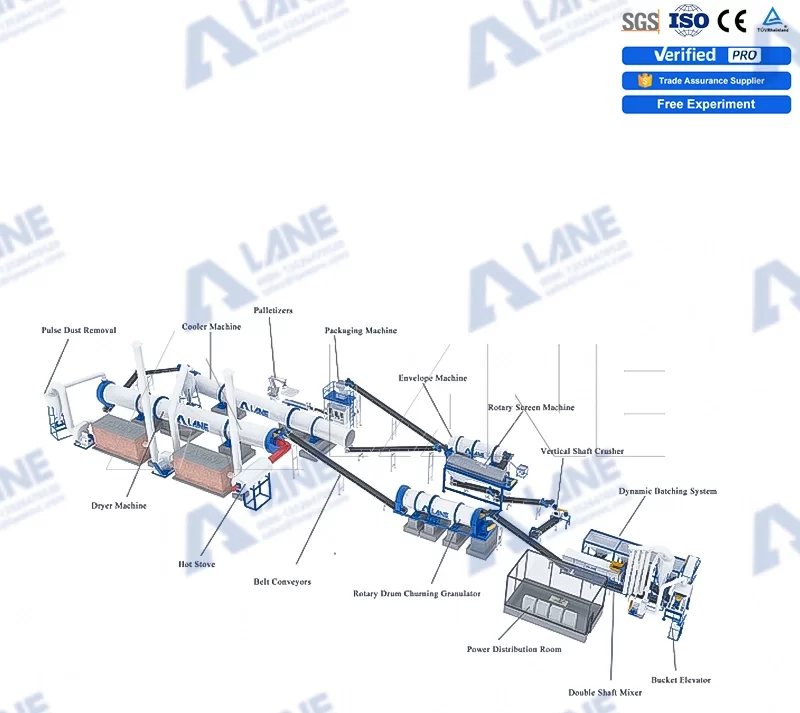
Key Process Sections and Corresponding Equipment
A complete SOP production line includes eight core stages. Below is the critical equipment needed for sulphate of potash plant for each section, based on LANE Heavy Industry’s configuration:
| Process Section | Key Equipment | Function |
| Raw Material Feeding | Belt Conveyor, Hopper, Feeder | Continuous feeding and proportioning of KCl and H₂SO₄ |
| Reaction System | Mannheim Furnace / Reactor | Chemical conversion of KCl + H₂SO₄ → K₂SO₄ + 2HCl |
| Crystallization | Cooling Crystallizer | Crystal formation and purification of potassium sulfate |
| Granulation | Rotary Drum Granulator | Shaping and densifying product into uniform particles |
| Drying & Cooling | Rotary Dryer, Cooler | Moisture removal and temperature reduction to prevent caking |
| Screening | Vibrating Screen | Classify particle size for consistency |
| Coating | Coating Drum | Prevents caking and improves flow stability |
| Packaging | Automatic Packaging Machine | Final product bagging (25kg–1000kg) and sealing |
FAQ: Equipment Needed for Sulphate of Potash Plant
Q1: What is the most important equipment needed for sulphate of potash plant?
The Mannheim furnace/reactor is critical—it drives the chemical reaction converting KCl and H₂SO₄ into K₂SO₄. Without it, SOP production cannot occur.
Q2: How much capacity can LANE’s SOP production line handle?
LANE customizes lines for 1–10 T/H or higher, depending on your investment scale.
Q3: What environmental equipment is needed for sulphate of potash plant?
Cyclone dust collectors capture fine particles, and waste heat recovery systems reuse drying heat. Acid recovery systems handle HCl gas from the Mannheim process.
Q4: Is the equipment needed for sulphate of potash plant corrosion-resistant?
Yes. LANE uses stainless steel components designed for harsh chemical environments involving sulfuric acid and hot solutions.
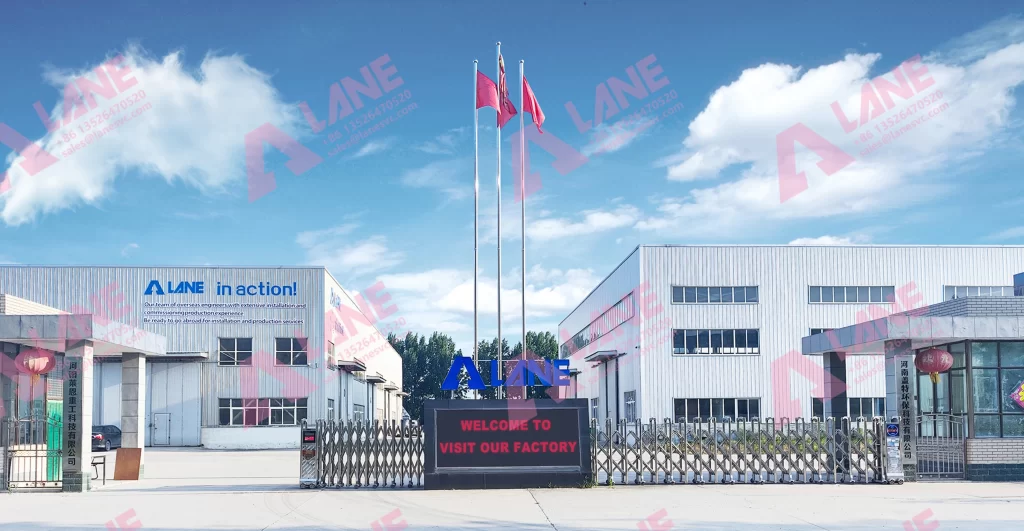
Of course, we also offer other types of products for your different needs, you can click to view.
For more information, please contact us by sending an inquiry today! We can help you!



Write a Reply or Comment