
SOP Fertilizer Process Optimization: Best Practices for Manufacturers
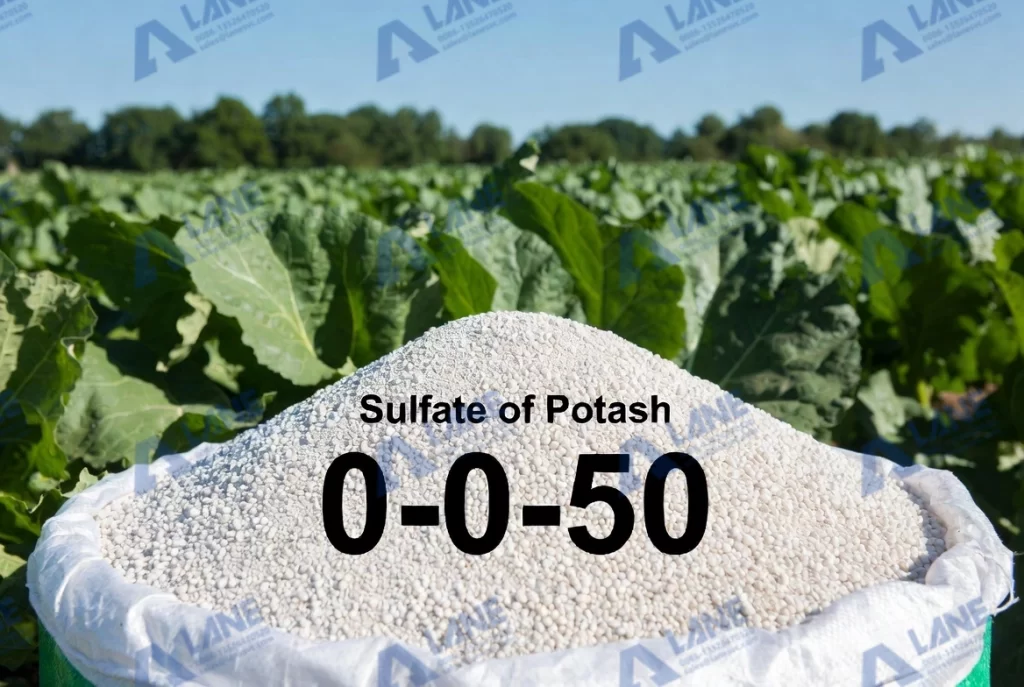
Sulphate of Potash (SOP) is a high-value chloride-free potassium fertilizer, famous for its dual nutrient value and low chloride content. It is an essential potassium nutrient source for chloride-sensitive crops like fruits, vegetables, and tobacco, and for regions with high salt index. SOP fertilizer provides 50% K₂O and 18% sulfur to crops in sulfate form. To create high-quality fertilizer, SOP fertilizer process optimization is a strategic necessity to enhance production efficiency, reduce operational costs, ensure product consistency, and gain a competitive edge.
The higher global demand for high-grade SOP fertilizer, manufacturers are turning to advanced production line solutions from industry leaders like LANE Heavy Industry to implement a comprehensive SOP fertilizer production line. This article explores the best practices that manufacturers can adopt to maximize efficiency, product quality, and profitability through systematic SOP fertilizer process optimization.
Understanding the Core of SOP Production
The foundation of any effective SOP fertilizer production lies in the understanding of the production process. While the conventional Mannheim process reacts potassium chloride with sulfuric acid to produce SOP, modern, automated production lines have redefined operational excellence. A modern SOP fertilizer production line focuses on seamlessly integrating several critical stages: raw material preparation, precision dosing, mixing, granulation, drying, cooling, screening, coating, and packaging. The goal is not only synthesis but to transform the SOP fertilizer raw materials into uniform, dust-free, and easy-to-handle granules that deliver consistent performance while maintaining the brand’s trust and agronomic value.
Best Practices for SOP Fertilizer Process Optimization with LANE Heavy Industry
LANE Heavy Industry has pioneered an equipment-centric approach to the SOP fertilizer production process. Our fully automated turnkey production lines integrate crushing, storing, dosing and batching, Mannheim process, cooling process, crushing and screening, mixing, granulation, drying, and packaging into one cohesive system.
Here are the best practices for achieving superior SOP fertilizer using advanced machinery from LANE Heavy Industry.
Pre-Production Material Preparation and Precision Dosing
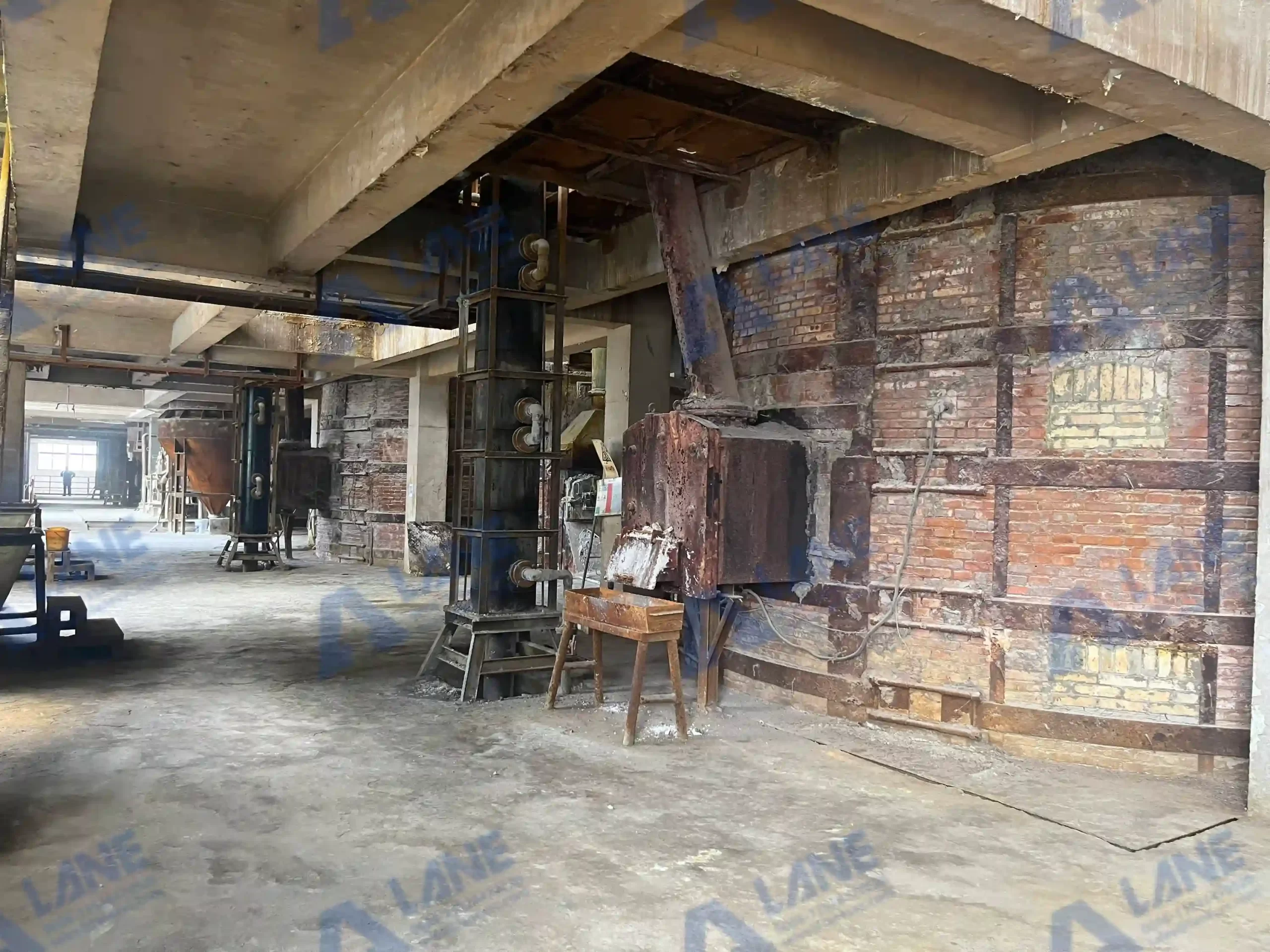
SOP fertilizer optimization process begins long before any material enters the production line. LANE uses its vertical crushers and roller screens to reduce MOP and any additives like humic acid to a uniform fine powder. This creates an ideal surface area for blending and binding, preventing downstream inconsistencies. MOP and sulfuric acid are reacted in the Mannheim process reactor.
This process reacts potassium chloride (KCl) with concentrated sulfuric acid (H₂SO₄) at high temperatures (typically 520–600°C) in a specialized Mannheim furnace, following the overall reaction formula 2KCl + H₂SO₄ → K₂SO₄ + 2HCl. This two-stage exothermic-endothermic reaction first forms potassium bisulfate (KCl + H₂SO₄ → KHSO₄ + HCl) before converting to SOP and additional HCl gas, with the byproduct HCl recoverable for industrial use or hydrochloric acid production.
After that, SOP is cooled using LANE’s rotary cooler. The cooled SOP chunks are crushed and screened before they are sent to the granulation production line. LANE’s Dynamic Batching System, equipped with high-precision load cells, ensures that the exact formulation of SOP and any additives is delivered to the mixer. This meticulous control of input proportions is the bedrock of all subsequent SOP fertilizer process optimization efforts.
Advanced Mixing for Homogeneous Blending
In this stage, SOP fertilizer is mixed with other additives according to the formulation to create a custom fertilizer formula. True homogeneity is non-negotiable in SOP fertilizer process optimization. After dosing, LANE’s double-shaft horizontal mixer employs a forceful, three-dimensional mixing action that achieves a perfectly homogeneous blend in just 2-3 minutes and effectively prevents any nutrient segregation. This uniform distribution ensures that each granule will carry the guaranteed NPK ratio and micronutrients, which is the very definition of successful SOP fertilizer process optimization at the micro level.
Precision Granulation: The Cornerstone of Quality
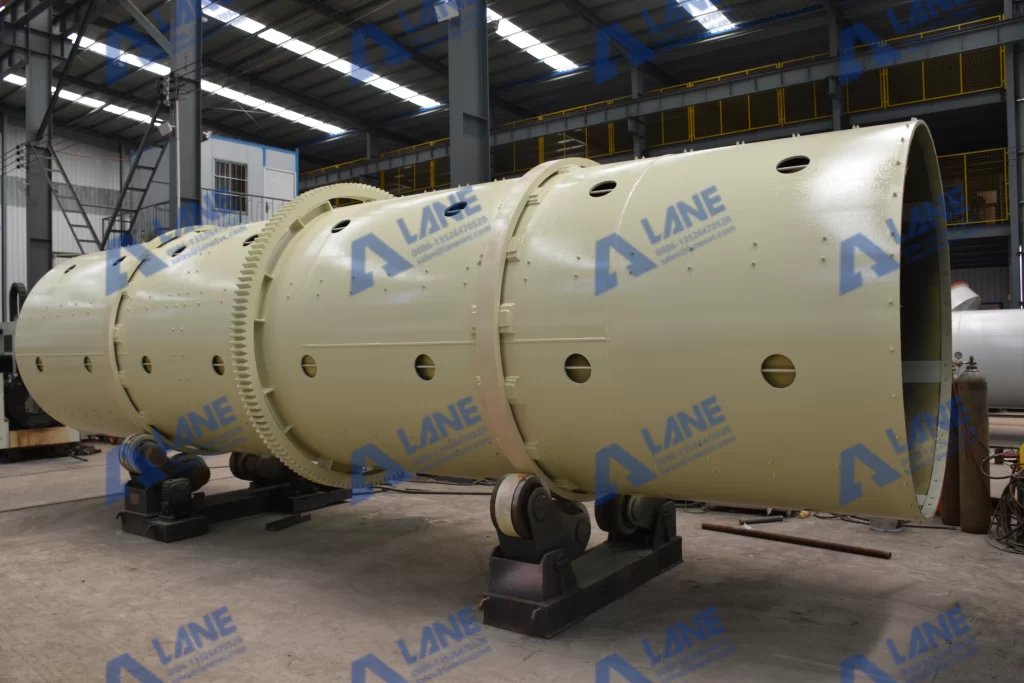
The granulation process is where the mixed SOP powder is made into spherical form. Inconsistent granule size or density leads to nutrient segregation, which undermines product integrity. LANE’s Double Roller Granulator and Rotary Drum Granulator are engineered to overcome these challenges. The Double Roller is a dry granulator which uses compression to create dense, uniform granules without the need for water or binders. This process simplifies the workflow and reduces energy consumption.
For wet granulation, LANE’s Rotary Drum Granulator integrates advanced spray systems with controlled droplet size, ensuring uniform moisture distribution and creating perfectly round, consistent 2-4 mm granules where all components are locked together.
Energy-Efficient Drying and Cooling
The drying process is the largest energy consumer in the production line; it accounts for 40-60% of the plant’s total energy usage. This makes this process the prime target for impactful SOP fertilizer process optimization. After granulation, wet granules from a rotary drum can contain 25-35% moisture. LANE’s rotary dryers are designed to rapidly reduce this to the optimal 2-3% level. However, LANE uses an energy recovery system: by installing a heat exchanger in the flue, the 80-100°C waste heat can preheat the cold air entering the dryer, raising its temperature by 10-15°C and slashing fuel consumption by 8-12%. After that, the rotary cooler is used to reduce the granule temperature to ambient levels.
Final Screening, Coating, and Automated Control
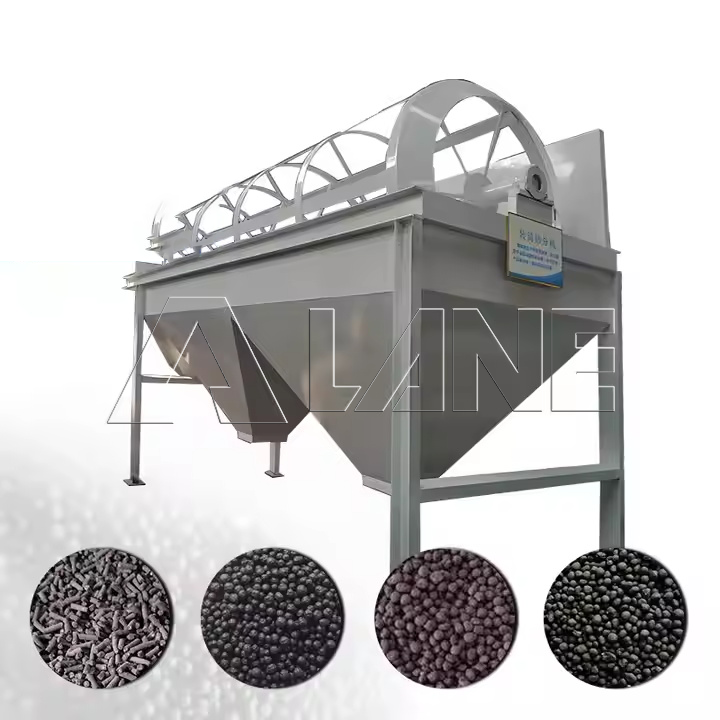
The final stage of the SOP fertilizer process optimization is about refinement and protection. LANE’s rotary screening machine separates qualified on-size granules from fines and oversized particles. The off-spec material is sent to the crushing machine and sent back to the granulator. With off-spec material being efficiently returned for re-crushing and re-granulation, a precision coating is then applied, sealing the nutrient core to prevent moisture absorption and dust loss. You can add coating to make your fertilizer last longer or add controlled release features.
The entire SOP fertilizer production process is orchestrated by a PLC-based automated control system. This provides precise, real-time management of temperature, humidity, and material flow, ensuring consistent output and minimal energy consumption across the entire line.
The Measurable Impact of Process Optimization
The compelling economic and operational case for SOP fertilizer process optimization is best illustrated through quantifiable results. A LANE Heavy Industry case study revealed that after implementing a systematic optimization program, a fertilizer production line increased its production efficiency by 35% and reduced energy consumption per ton of product by 25%.
FAQ: SOP Fertilizer Process Optimization
Q1: What are the main benefits of focusing on SOP fertilizer process optimization?
A1: The primary benefits are a significant reduction in energy consumption (especially in drying), increased production throughput and efficiency, improved and more consistent product quality (granule size, hardness, nutrient uniformity), lower operating costs, and ultimately, enhanced profitability.
Q2: How does LANE Heavy Industry’s equipment specifically contribute to SOP fertilizer process optimization?
A2: LANE’s equipment contributes through precision engineering at every stage: their dynamic batching systems ensure exact formulation, double-shaft mixers create a homogeneous blend, advanced granulators produce uniform-sized particles, and their energy-efficient drying and cooling systems incorporate waste heat recovery. The entire line is integrated and controlled by a PLC system for real-time SOP fertilizer process optimization.
Q3: Can SOP fertilizer process optimization be achieved on an existing production line without a complete overhaul?
A3: Yes. Many best practices, such as retrofitting a heat exchanger for waste heat recovery, improving equipment interconnections with belt conveyors, and switching to a dry granulation method for suitable formulations, can be implemented on existing lines to achieve substantial gains in SOP fertilizer process optimization with minimal investment.
Q4: What is the single most critical stage for quality control in SOP fertilizer process optimization?
A4: The precision dosing and mixing stage is arguably the most critical. Accurate proportioning of raw materials and achieving a perfectly homogeneous blend is the fundamental prerequisite for delivering a consistent, high-quality SOP product, making it the central focus of initial SOP fertilizer process optimization efforts
Of course, we also offer other types of products for your different needs, you can click to view.
For more information, please contact us by sending an inquiry today! We can help you!



Write a Reply or Comment