
Industrial SOP Fertilizer from Brine: A Green Alternative for Chloride-Free Farming
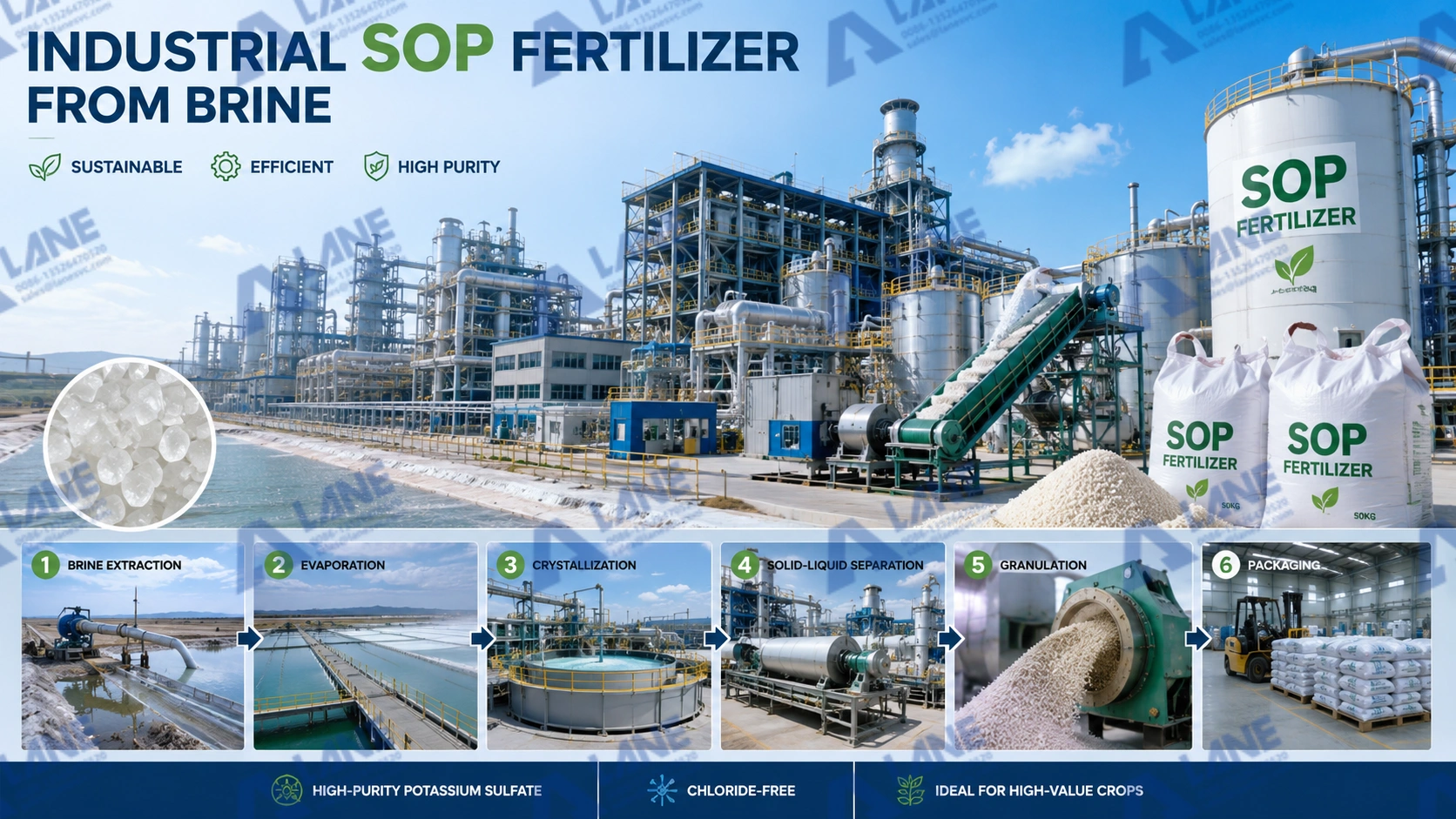
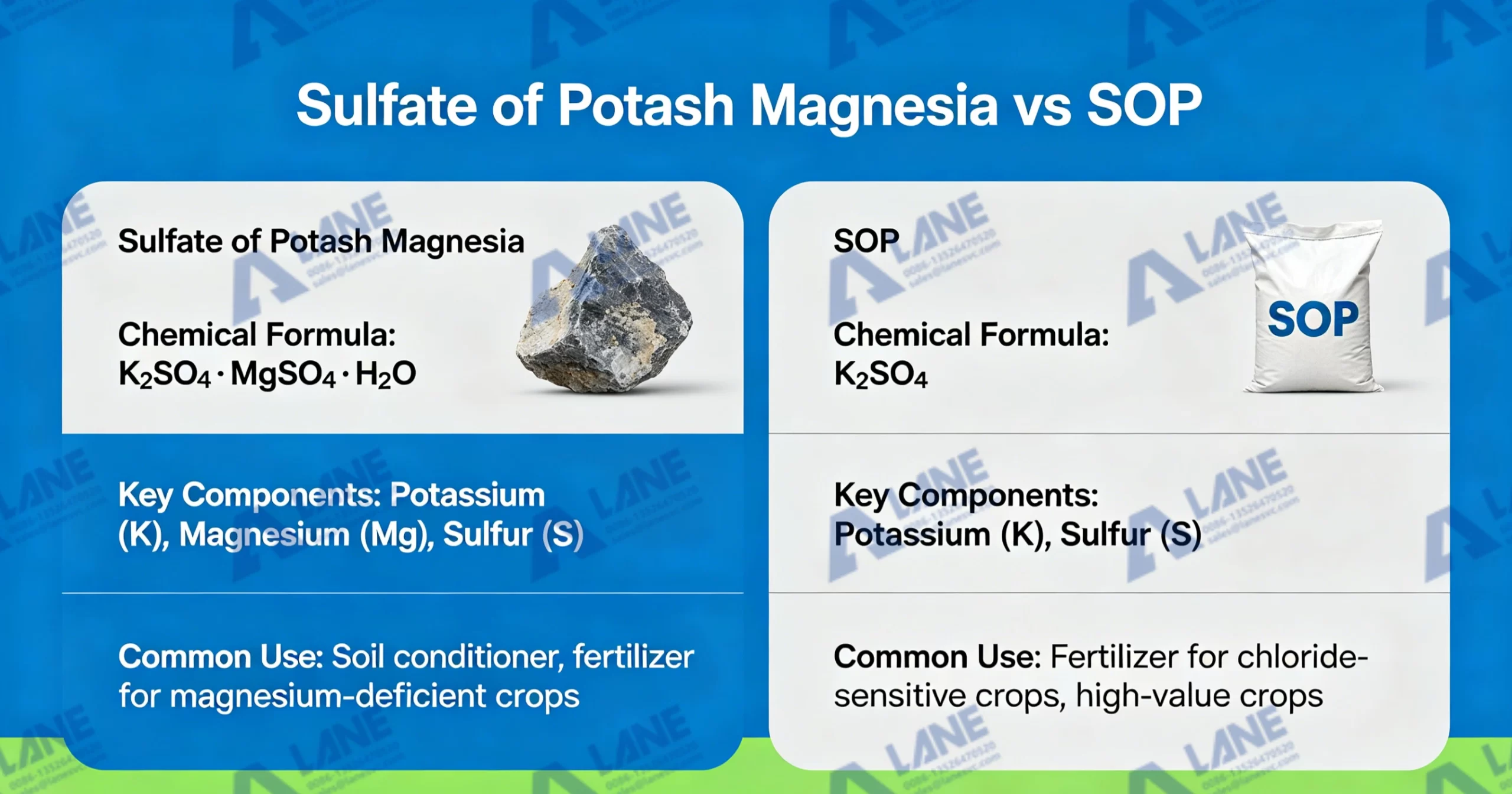
Sulfate of Potash (SOP), also chemically known as potassium sulfate (K₂SO₄), is the preferred choice for chloride-sensitive premium crops such as tobacco, potatoes, fruits, vegetables, tea, and coffee. Farmers and agribusinesses always seek fertilizer that improves crop quality while minimizing soil salinity risks. One of the best solutions is industrial SOP fertilizer from brine. Traditional potassium fertilizers accumulate chloride on the farmland. SOP fertilizer is a chloride-free potassium fertilizer which can be used in soil with the risk of salt accumulation.
Historically, the Mannheim process dominated production, but industrial SOP fertilizer from brine is gaining attention as a cleaner, more efficient way to produce potassium sulfate for premium agriculture. By using the advanced production system from LANE Heavy Industry, the extraction of SOP from salt lake brines becomes a resource-recovery strategy. This article explores the technical nuances of this green alternative and how specialized machinery transforms raw salt into the premium chloride-free fertilizer.

The Critical Need for Chloride-Free Agriculture
Understanding Chloride Sensitivity
Potassium Chloride (MOP) is a common potassium source, and its chloride ion is detrimental to many high-value crops. There are many sensitive plants such as tobacco, grapes, citrus, berries, and various greenhouse vegetables which suffer “chloride toxicity” if soil chloride levels are high. Chloride toxicity manifests as leaf burn, stunted growth, and reduced fruit quality. Furthermore, excessive chloride can lead to soil salinization, a silent killer of arable land.
This is where SOP fertilizer becomes indispensable. With a chloride content below 1%, it provides the necessary potassium while delivering sulfur, a vital secondary macronutrient essential for protein synthesis and enzyme activation. For farmers targeting the organic and premium markets, this dual-nutrient fertilizer is a gold standard.
The Environmental Advantage of Brine Sources
Salt lake brines are naturally occurring reservoirs of potassium, magnesium, and sulfate ions. This method differs from traditional ore mining, which requires heavy excavation. Industrial SOP fertilizer from brine utilizes natural solar energy for initial concentration. This method reduces the carbon footprint of fertilizer production by bypassing the harsh chemical reactions of the Mannheim process.
How the Process Works
The industrial SOP fertilizer from brine route begins with purification of the brine feedstock. The brine must be treated to remove calcium, magnesium, suspended solids, and other impurities that could interfere with crystallization and product quality. After purification, the solution is processed through controlled reaction, concentration, crystallization, separation, drying, and screening to produce potassium sulfate.
In a practical plant design, industrial SOP fertilizer from brine depends on precise process control. Temperature, concentration, residence time, and impurity control all affect crystal size, purity, and final usability. When the system is stable, manufacturers can produce SOP with consistent sulfate and potassium levels while keeping chloride content low enough for premium crop applications.
LANE Production Line Features
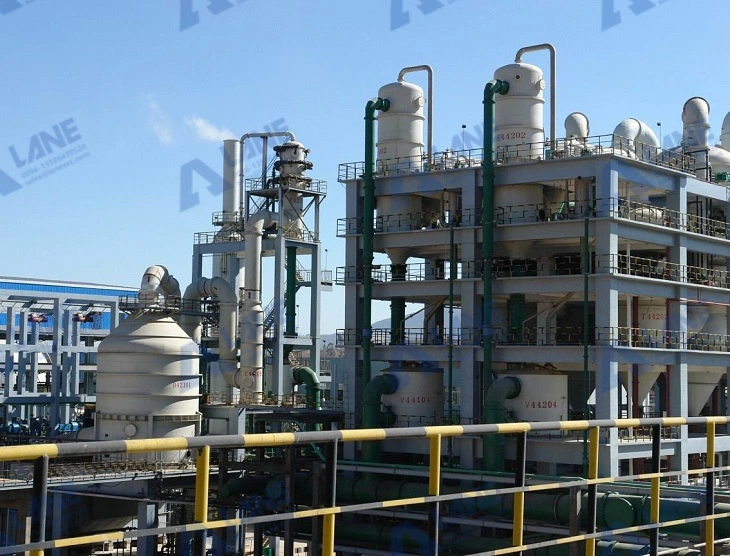
LANE Heavy Industry’s machinery is engineered for modern industrial SOP fertilizer from brine. Our customizable production-line design emphasizes automation, corrosion-resistant components, scalable capacity, and energy-efficient operation. We provide turnkey solutions to manufacturers and investors, building production plants suited to different output targets, from smaller lines to industrial-scale facilities.
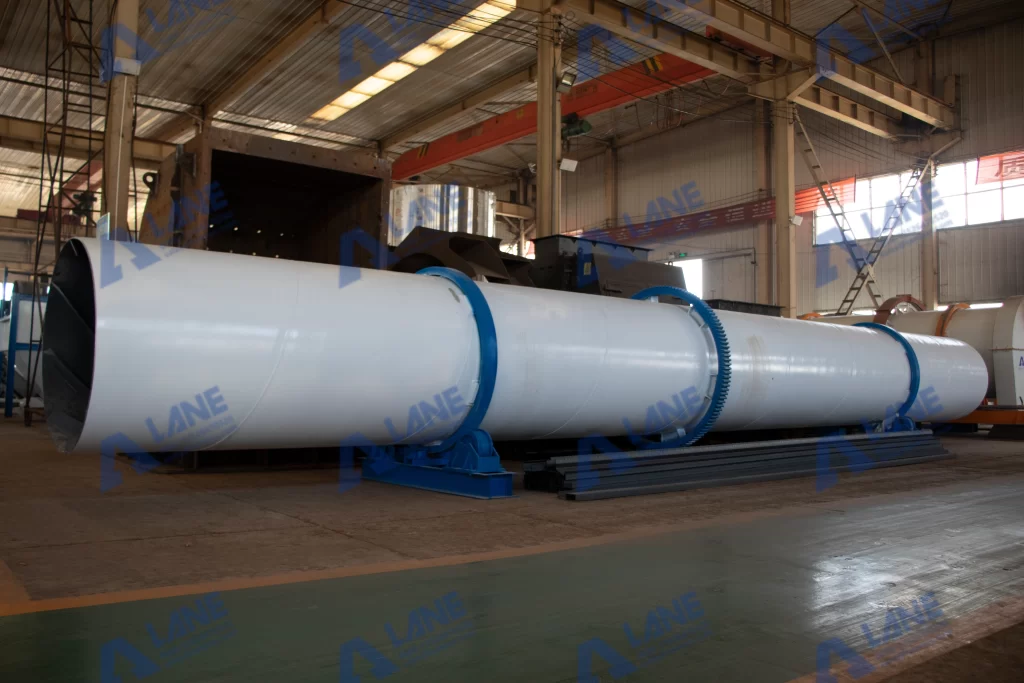
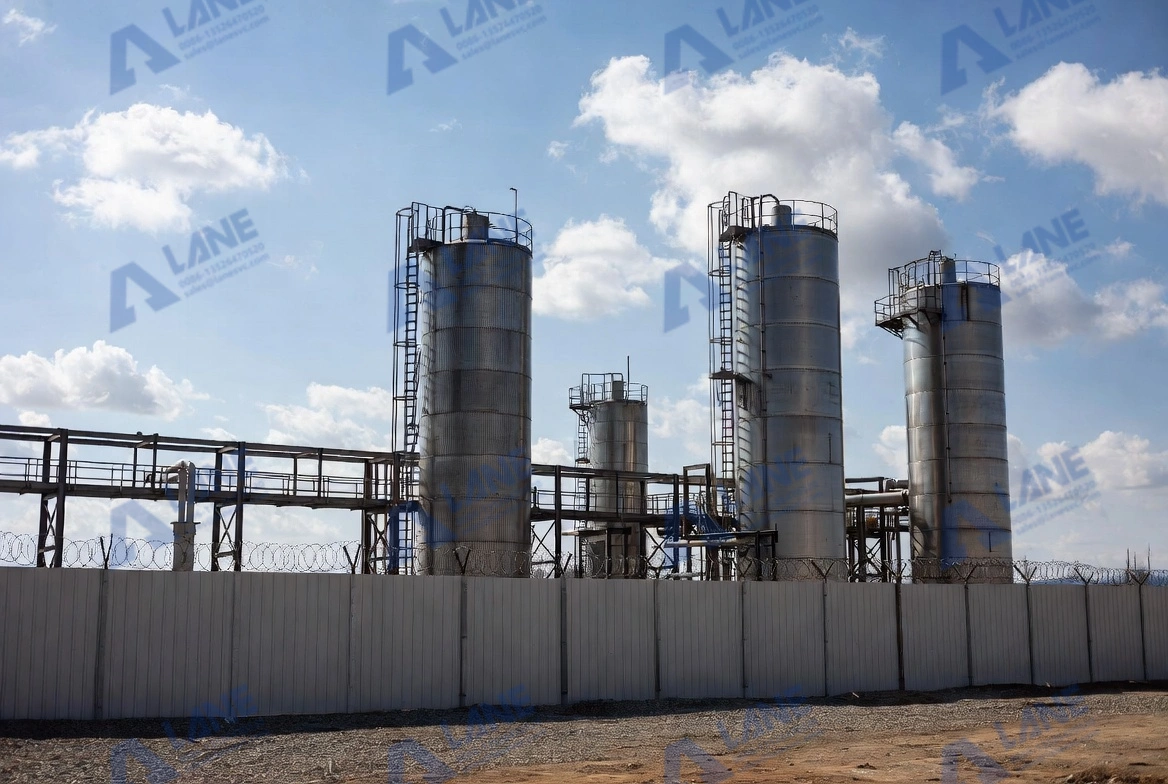
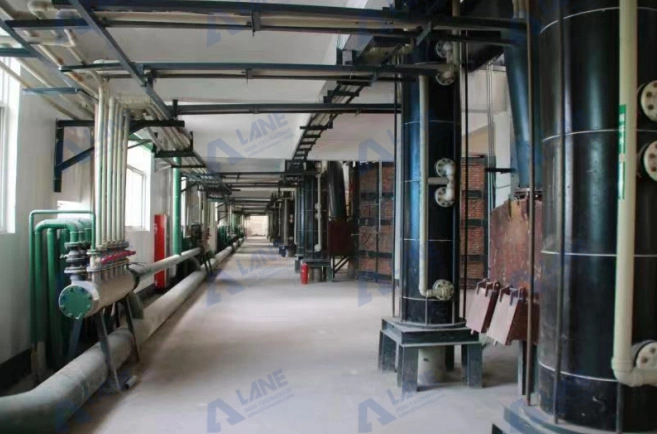
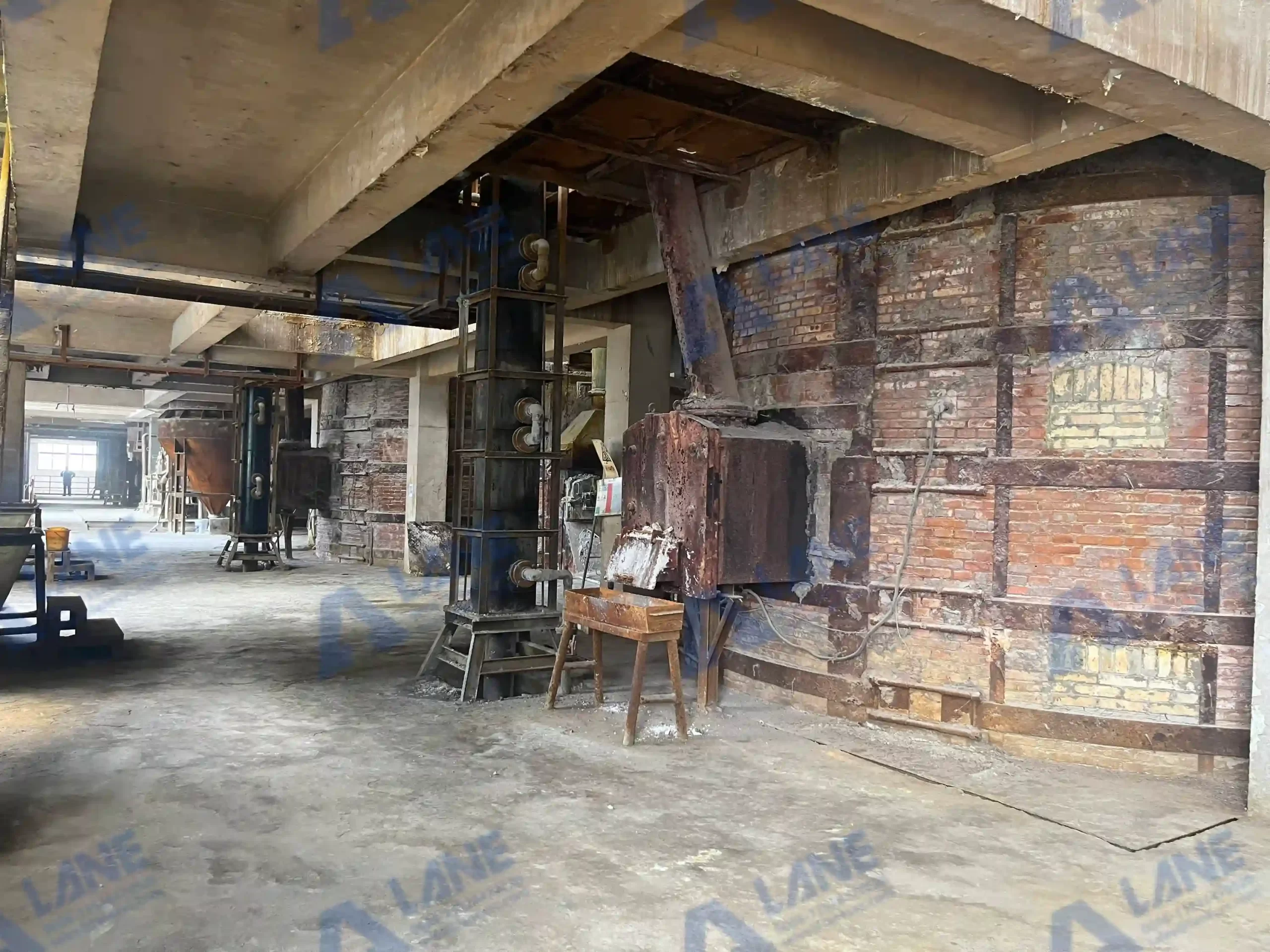
A typical industrial SOP fertilizer from brine line includes raw-material storage and feeding systems, reactors or conversion units, crystallizers, dryers, coolers, screening machines, coating systems, and automatic packaging machines. Our machines and design also focus on chloride control, closed-system handling, and quality testing as important technical points for maintaining fertilizer purity. For investors and producers, that means LANE’s production line is a coordinated system for stable output and product consistency.
Environmental and Agronomic Benefits
Industrial SOP fertilizer from brine supports chloride-free farming, which is especially valuable for high-value crops and protected cultivation. SOP does not carry the chloride burden associated with MOP; it helps farmers protect crop quality while meeting nutritional needs. This is one reason industrial SOP fertilizer from brine is often positioned as a premium fertilizer for fruit, vegetable, and specialty crop markets.
Brine-based processing can be a greener alternative when compared with older, energy-intensive processing methods. Brine-based SOP production has higher profit margins with lower energy consumption and emissions than traditional alternatives. This increases the long-term competitiveness of the production line.
Quality Control Points
The quality of industrial SOP fertilizer from brine depends heavily on controlling chloride levels and impurity carryover. We provide guidance on raw-material selection, pre-treatment, controlled reaction conditions, and post-crystallization washing as ways to reduce chloride contamination. These controls matter because chloride-sensitive crops can react negatively if product quality slips.
A strong industrial SOP fertilizer from brine line should include routine testing during production and before final packing. Monitoring chloride, potassium, sulfur, moisture, and particle size helps keep the product within spec. In practice, this is what separates a reliable industrial SOP fertilizer operation from a plant that struggles with inconsistent output.
Business Value for Producers
For investors, industrial SOP fertilizer from brine offers a premium product category with clear market demand. Chloride-free fertilizers have higher demand and command higher prices in specialty agriculture because they serve crops where quality matters more than commodity pricing alone. If the plant is designed effectively, industrial SOP fertilizer can support attractive margins through both product value and process optimization.
LANE’s production line also supports modular scaling; this is useful for producers planning phased expansion. The flexibility makes industrial SOP fertilizer from brine suitable for new entrants with salt brine resources.
Conclusion
The transition toward industrial SOP fertilizer from brine is a win-win for the environment and the agricultural economy. It represents the convergence of environmental sustainability, agronomic excellence, and economic opportunity. By utilizing the earth’s natural saline resources and processing them with high-efficiency machinery from LANE Heavy Industry, we can ensure a future of fertile soils and high-quality food production. As global agriculture pivots toward chloride-free, precision nutrition, the demand for premium potassium sulfate will only intensify. If you are looking to tap into the lucrative chloride-free fertilizer market, a brine-based SOP line is the most sustainable and profitable path forward.
FAQ
- What is industrial SOP fertilizer from brine?
Industrial SOP fertilizer from brine is potassium sulfate fertilizer produced using mineral-rich brine resources instead of traditional mining-based raw materials.
- Why is SOP fertilizer chloride-free?
SOP contains potassium sulfate rather than potassium chloride, making it safe for chloride-sensitive crops.
- Which crops benefit from SOP fertilizer?
Potatoes, tobacco, grapes, fruits, vegetables, tea, coffee, and citrus crops benefit most.
- What machinery is needed for SOP production?
Typical equipment includes crystallizers, granulators, dryers, coolers, screeners, conveyors, and packaging machines.
Of course, we also offer other types of products for your different needs, you can click to view.
For more information, please contact us by sending an inquiry today! We can help you!



Write a Reply or Comment