
A Comprehensive Breakdown of the Cost of SOP Fertilizer Brine Production Line Operations
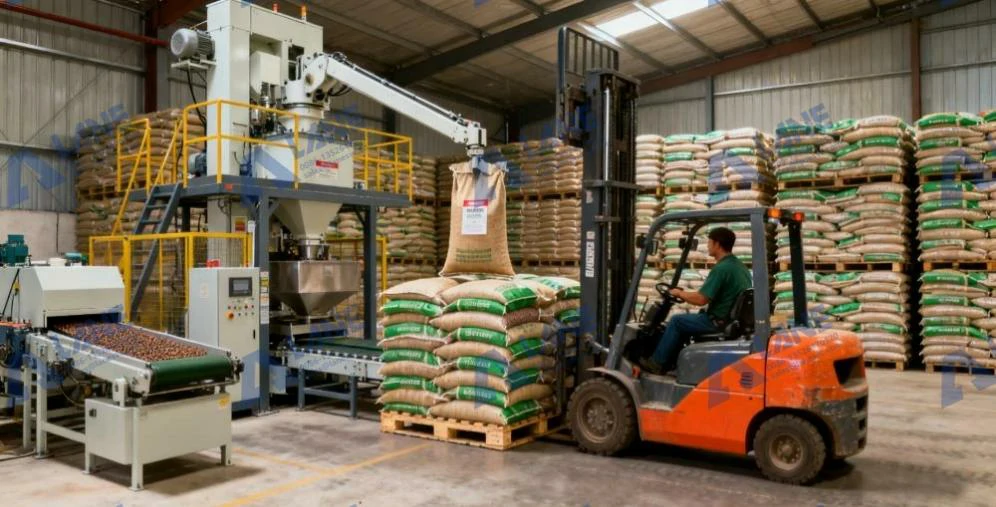
Sulphate of Potash (SOP) is one of the most profitable and critical premium fertilizers in the world. It is valued for its chloride-free process and is essential for chloride-sensitive crops such as fruits, vegetables, and tobacco. The most popular industrial method for SOP production is the energy-intensive Mannheim process. However, the manufacturing landscape is rapidly shifting toward the brine process, where potassium sulfate is extracted from natural salt lakes, underground brine sources, or recycled industrial liquid streams. But manufacturers need to know the cost of SOP fertilizer brine production line operations before they commit.
Establishing an industrial facility requires an understanding of the economics. A well-designed SOP brine production line can generate stable profits, but only if capital investment and operational costs are carefully managed. LANE Heavy Industry Machinery provides complete SOP fertilizer brine production solutions, including crystallization systems, filtration equipment, drying units, screening systems, automatic packaging lines, and intelligent control systems.
This article provides a full breakdown of the cost of SOP fertilizer brine production line, including capital expenditure, operating costs, and strategies to improve profitability.
What Is an SOP Fertilizer Brine Production Line?
An SOP fertilizer brine production line converts potassium-rich brine or salt lake resources into potassium sulfate fertilizer through chemical reaction, crystallization, separation, drying, and packaging.
Typical raw materials include:
- Potassium chloride brine
- Sodium sulfate
- Salt lake brine
- Sulfur-containing compounds
Main production methods:
- Mannheim process
- Brine conversion process
- Salt lake crystallization process
Among these, the brine method is preferred in regions with natural brine resources because it offers:
- Lower raw material cost
- Lower energy consumption
- Reduced emissions
- Higher scalability
Therefore, many investors focus on the cost of SOP fertilizer brine production line to evaluate project feasibility.
CAPEX Breakdown: Equipment and Core Machinery Elements
A major portion of the fixed capital expenditure in the cost of SOP fertilizer brine production line development lies in specialized chemical and mechanical equipment. The machines provided by LANE Heavy Industry are tailored to withstand the corrosive environments inherent in salt-brine processing.
| Production Stage | Core Equipment (LANE Heavy Industry Portfolio) | Estimated CAPEX Allocation (%) |
| 1. Brine Reaction & Crystallization | Acidulation Vessels, Stainless Steel & Glass-Lined Reactors | 25% – 30% |
| 2. Dewatering & Separation | Industrial Centrifuges, Thickener Tanks, Vacuum Filters | 15% – 20% |
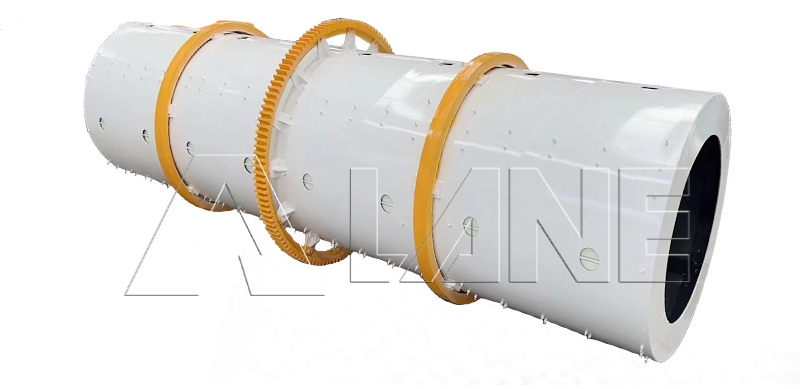
| 3. Compounding & Granulation | LANE High-Capacity Rotary Drum Granulators / Pan Granulators | 20% – 25% |
| 4. Thermal Processing | LANE Heavy-Duty Rotary Drum Dryers & Rotary Cooling Units | 15% – 20% |
| 5. Finishing & Environmental | Screening Machines, Cyclone Dust Collectors, Wet Scrubbers | 10% |
- Core machinery and modular systems:The production line for a brine-to-SOP line includes evaporators/crystallizers, brine pre-treatment units, ion-exchange or solvent-extraction modules (if required), centrifuges or filters, drying systems, and packing lines; LANE Heavy Industry supplies integrated modules optimized for continuous operation to reduce footprint and start-up time.
- Cost range and factors:A turnkey brine SOP production line’s equipment cost varies with capacity (t/hour), automation level, and materials of construction (corrosion-resistant alloys add cost). Manufacturer-supplied systems from established vendors typically represent the largest portion of upfront investment and can range widely based on scale and customization.
- Civil works and utilities:Plant foundations, chemical-resistant flooring, utility hookups (steam, electrical, cooling water), and storage tanks are necessary and often add 10–25% to equipment CAPEX depending on local site conditions.
- Engineering, procurement, and construction (EPC):LANE provides packaged solutions for manufacturers. EPC overhead can be lower due to standardized modules and shortened commissioning time, which reduces early-stage cost overruns.
OPEX — Raw Materials, Energy, Labor, and Maintenance
- Raw materials and reagents: Brine sources (natural brine or concentrated process streams), sulfuric acid or sulfating agents (if converting chloride-based K sources), flocculants, anti-scaling chemicals, and neutralizing agents are recurring costs and scale with tonnage produced; efficient reagent dosing and high brine purity reduce the unit cost of SOP.
- Energy consumption: Evaporation, crystallization, and drying are energy-heavy steps in brine SOP production. Energy efficiency measures (heat recovery, multi-effect evaporators) found in modern LANE systems materially lower the cost of SOP fertilizer brine production line operations by reducing steam and electrical loads.
- Labor and operating staff: Skilled operators, process engineers, and maintenance technicians are required for continuous brine operations; staffing levels depend on automation and shift patterns. Labor contributes a steady monthly expense that must be budgeted as part of the cost of SOP fertilizer brine production line operations.
- Routine maintenance and spares: Corrosion and scaling wear on heat exchangers and piping in brine systems make preventive maintenance and strategic spares inventory essential; allocate a percentage of annual turnover toward planned maintenance to avoid costly shutdowns.
- Waste treatment and byproduct handling: Brine operations often generate saline effluents and solid rejects that require treatment or disposal; regulatory-compliant treatment increases operating costs but prevents fines and operational interruptions.
Per-Ton Cost Drivers and Benchmarks
- Material yield and brine grade:High-quality potassium brine or improved extraction yields reduce per-ton raw material cost; conversely, low-grade brine increases reagent usage and energy per ton, raising the cost of SOP fertilizer brine production line operations.
- Energy per ton:With modern multi-effect evaporators and heat recovery available from LANE, energy intensity per ton can be reduced significantly compared with older systems, directly lowering per-ton operating costs.
- Labor and overhead allocation:Distributing fixed monthly overhead (management, site costs, insurance) over higher production volumes reduces per-ton cost; thus, plant capacity utilization is a critical lever for reducing the cost of SOP fertilizer brine production line operations.
Total Machinery Capital Investment Estimate
Depending on plant capacity, the total machinery cost of SOP fertilizer brine production line varies significantly.
| Equipment Section | Main Equipment Included | Estimated Cost (USD) | Function / Benefit |
| Raw Material Storage and Feeding System | Storage tanks, feeding pumps, metering systems, conveyors | 20,000–80,000 | Ensures stable raw material feeding and minimizes production fluctuations |
| Reaction System | Reaction tanks, agitators, heating system, dosing system | 30,000–120,000 | Improves conversion efficiency and product purity in SOP production |
| Crystallization System | Vacuum crystallizer, forced circulation crystallizer, cooling crystallizer, crystal growth tanks | 100,000–500,000 | Core process for SOP crystal formation; largest cost component due to technical complexity |
| Solid-Liquid Separation Equipment | Centrifuge, vacuum filter, pressure filter | 40,000–150,000 | Separates solids from liquid efficiently and reduces moisture before drying |
| Drying and Cooling System | Rotary dryer, rotary cooler, hot air furnace, dust collector | 40,000–200,000 | Reduces moisture content and cools final product for storage stability |
| Screening and Packaging System | Vibrating screen, automatic weighing machine, bagging machine, palletizer | 30,000–100,000 | Improves packaging efficiency and reduces labor cost through automation |
| Electrical Control System | PLC automation, touch screen controls, monitoring sensors, smart alarms | 10,000–80,000 | Enables intelligent process control, lowers labor intensity, and reduces operational risk |
This is an estimate. The price changes depending on capacity, raw materials, and shipping price.
| Plant Capacity | Total Investment Range (USD) |
| Small Scale (5,000 tons/year) | 250,000 – 450,000 |
| Medium Scale (10,000–30,000 tons/year) | 400,000 – 1,500,000 |
| Large Scale (50,000+ tons/year) | 1,500,000 – 3,000,000 |
Larger plants have higher upfront investment but lower unit production cost.
Operating Costs Breakdown
| Cost Category | Main Expenses | Estimated Cost | Impact on Production |
| Raw Material Costs | Potassium chloride, sodium sulfate, brine transportation, water treatment chemicals | USD 120–250 per ton SOP | Largest operating expense, typically 50%–65% of total cost |
| Electricity Consumption | Pumps, crystallizers, agitators, conveyors, packaging systems | 50–120 kWh/ton (USD 8–20 per ton) | Affects process stability and continuous equipment operation |
| Fuel and Thermal Energy | Reaction heating, drying, evaporation; natural gas, coal, biomass, diesel | USD 20–45 per ton | Major contributor to drying and crystallization costs |
| Labor Cost | Operators, maintenance technicians, quality inspectors, packaging workers | USD 3,000–8,000/month (small plant); USD 10,000–30,000/month (large plant) | Directly impacts plant efficiency and daily operations |
| Maintenance & Spare Parts | Pump replacement, filter cloth replacement, bearing maintenance, corrosion protection | 3%–7% of equipment value annually | Ensures equipment lifespan and minimizes downtime |
| Environmental Compliance | Wastewater treatment, dust collection, emission monitoring, waste salt disposal | USD 5–20 per ton | Necessary for legal compliance and sustainable production |
Maximizing ROI with LANE Heavy Industry Solutions
When computing the total cost of SOP fertilizer brine production line architectures, looking solely at the cheapest purchase price often leads to catastrophic operational failures due to rapid equipment wear. True return on investment (ROI) is achieved by balancing reasonable capital costs with high-efficiency, durable machinery.
LANE Heavy Industry brings decades of heavy machinery expertise, certified under international ISO9001 quality management systems. Our engineering approach minimizes the lifecycle cost of SOP fertilizer brine production line projects through:
- Customized Internal Design: Maximizes heat transfer within the dryer, drastically curbing fuel consumption metrics.
- Highly Configurable Granulation Loops: Our flexible setups accommodate both wet drum granulation and dry compaction, adapting to the exact crystalline output of your brine fields.
- Integrated Emissions Control: Advanced multi-cyclone dust collectors and wet scrubbers capture airborne SOP fines and return them directly to the granulator, achieving nearly zero product waste.
By choosing LANE Heavy Industry machinery, operators achieve an accelerated amortization period, turning a volatile brine processing venture into a highly stable, high-margin asset.
FAQs
Q: What is the main contributor to the cost of SOP fertilizer brine production line operations?
A: Energy and raw brine/reagent consumption are typically the two largest contributors to operational cost.
Q: Can modern LANE equipment reduce ongoing costs?
A: Yes — LANE’s heat-recovery and modular automation features are designed to lower energy intensity and labor needs, reducing the cost of SOP fertilizer brine production line operations.
Q: How should I estimate per-ton operating cost?
A: Build a model that includes energy (kWh/GJ per ton), reagent consumption per ton, allocated labor, maintenance, and waste treatment; energy and reagent efficiencies from supplier data are essential inputs.
Q: Are there hidden costs to watch for?
A: Permitting, effluent treatment, corrosion-related replacements, and logistics can materially increase total cost if not planned for.
Of course, we also offer other types of products for your different needs, you can click to view.
For more information, please contact us by sending an inquiry today! We can help you!



Write a Reply or Comment