
The Beginner’s Guide to the SOP Fertilizer Double Decomposition Production Process
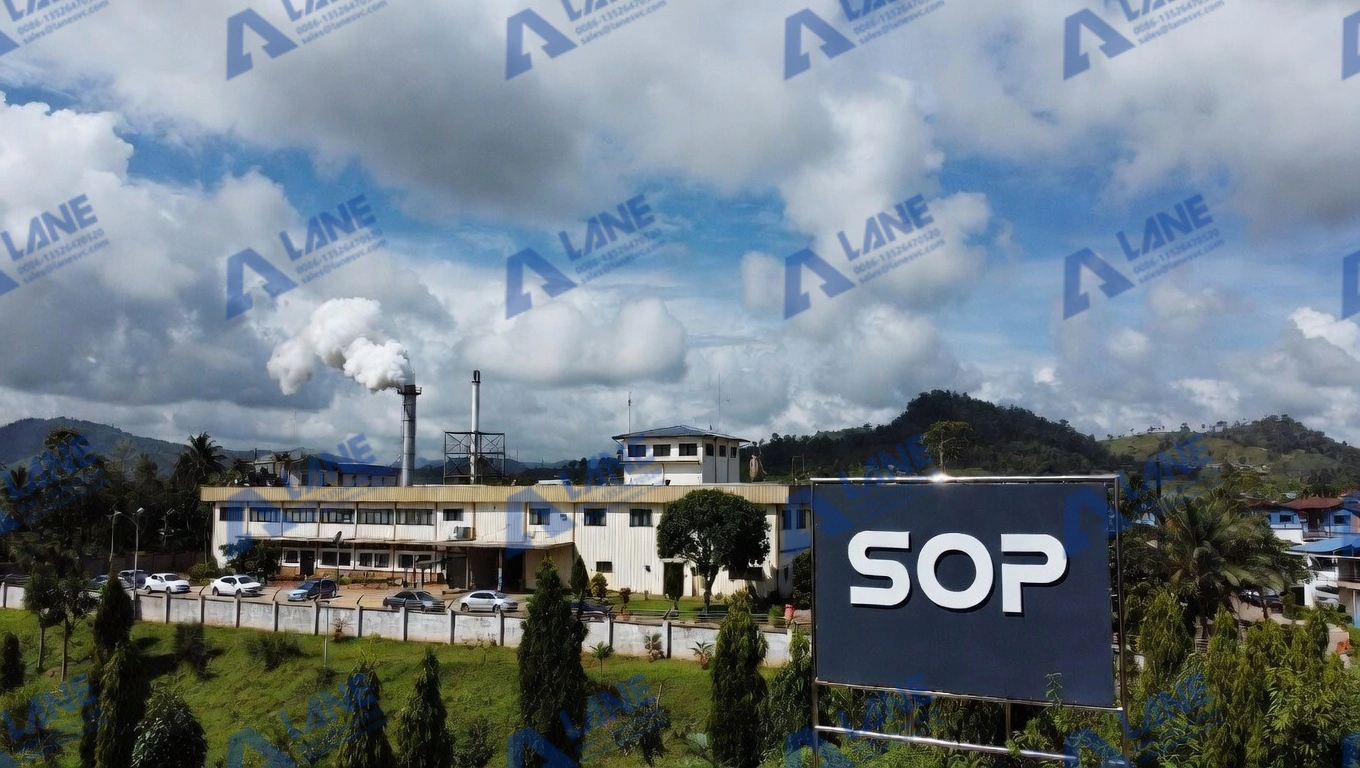
Fertilizer is one of the most important factors for crop yield and quality. It directly influences soil health and overall farm profitability. Among the potassium fertilizers, potassium sulfate, widely known as Sulfate of Potash (SOP), stands out as an elite input. Industries producing premium crops such as fruits, vegetables, tea, tobacco, and potatoes prefer SOP because of its low salt index and excellent potassium and sulfur content. One of the most advanced methods for manufacturing is the SOP fertilizer Double Decomposition production process.
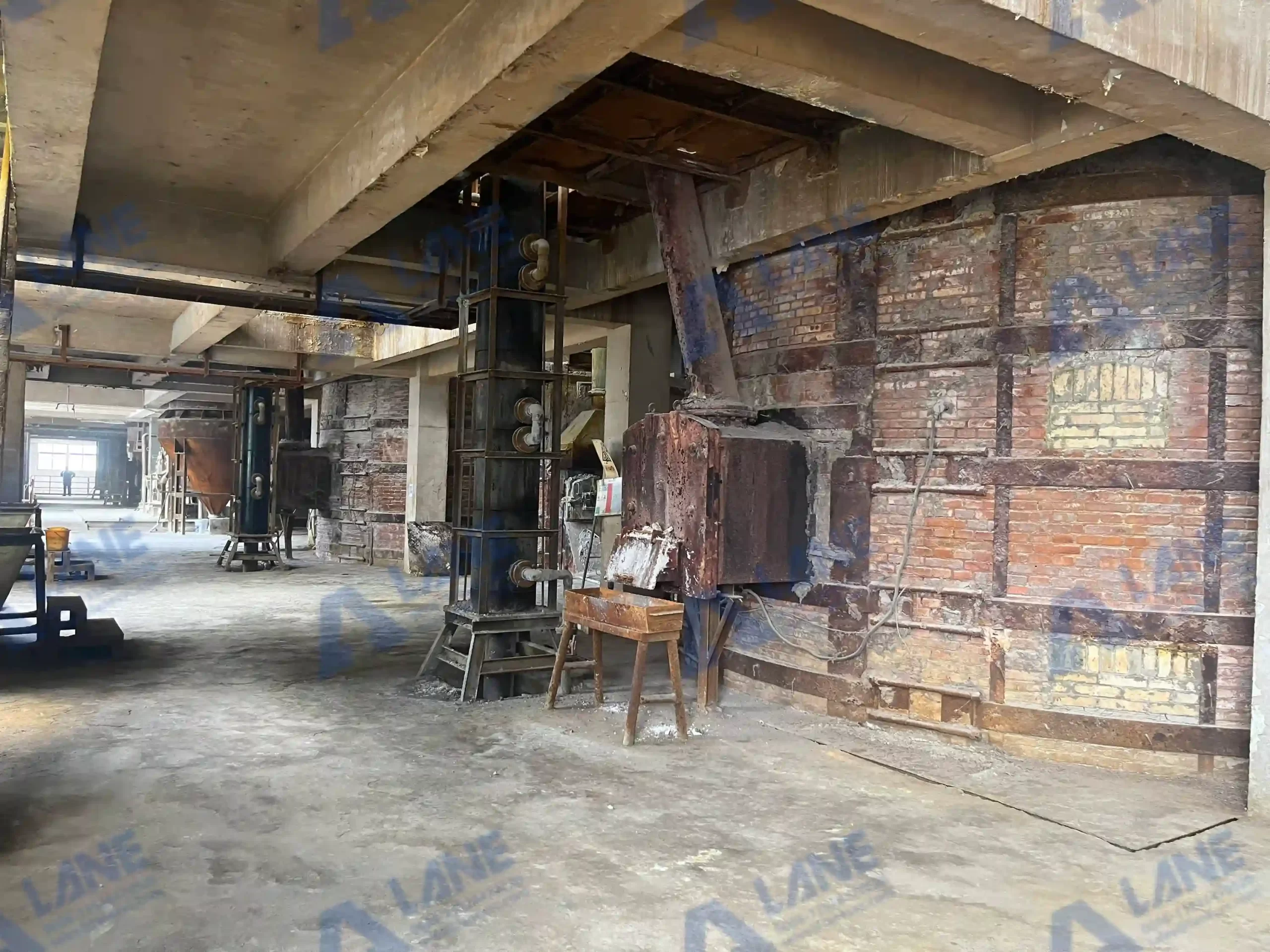
In regions with abundant raw materials, the SOP fertilizer Double Decomposition production process has become one of the most widely adopted methods for producing SOP. The traditional high-temperature Mannheim furnace process demands intense thermal energy and generates corrosive hydrogen chloride gas as a byproduct. This beginner’s guide explains the complete SOP fertilizer Double Decomposition production process, including raw materials, equipment, workflow, advantages, and investment considerations.
What Is the SOP Fertilizer Double Decomposition Production Process?
The SOP fertilizer Double Decomposition production process relies on a reversible ionic reaction carried out within aqueous solutions. It involves reacting potassium chloride (KCl) with sulfate-containing compounds such as magnesium sulfate (MgSO₄) or ammonium sulfate ((NH₄)₂SO₄). The core reaction typically follows:
MgSO₄ + 2KCl → MgCl₂ + K₂SO₄
This reaction is an equilibrium process, and managing it requires strict adherence to phase diagrams and solubility curves across varying temperatures. The SOP fertilizer Double Decomposition production process is strategically divided into two distinct crystallization stages to overcome intermediate salt formation, specifically Glaserite.
This process is widely used because it offers:
- Stable production quality
- Lower operating cost
- High product purity
- Continuous industrial production capability
- Suitable large-scale manufacturing
Compared with other SOP manufacturing technologies, the SOP fertilizer Double Decomposition production process is considered efficient and environmentally friendly when combined with modern recycling systems and automation equipment.
Raw Materials Used in the SOP Fertilizer Double Decomposition Production Process
The efficiency of the Double Decomposition production process depends heavily on raw material quality. The primary raw materials include:
- Potassium Chloride (KCl):Potassium chloride is the main potassium source used in the Double Decomposition process.
- Sodium Sulfate or Ammonium Sulfate:These sulfate materials react with potassium chloride to form potassium sulfate.
- Water:Water is used during dissolution, reaction, crystallization, and purification stages.
- Additives:Additives are added to improve crystal quality and reduce impurities.
The quality of raw materials directly affects the efficiency of the Double Decomposition process and the final SOP product quality.
Main Equipment and Process of the SOP Fertilizer Double Decomposition Production Process
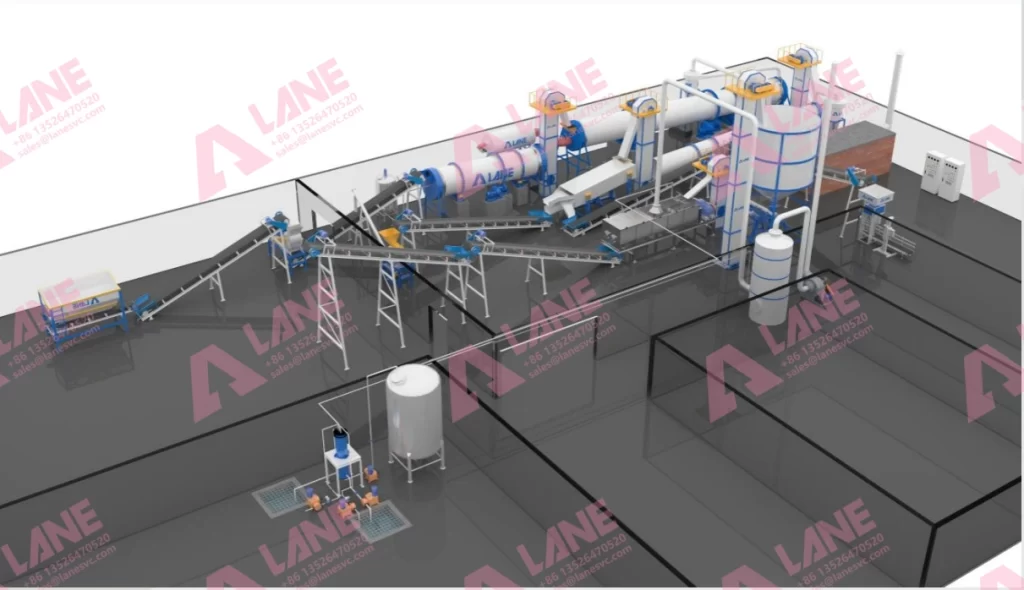
Modern SOP production lines from LANE Heavy Industry include fully integrated systems designed for automated operation and energy efficiency.
- Raw Material Preparation:Raw materials are crushed, screened, and proportioned. LANE Heavy Industry provides automated batching systems that ensure accurate feeding ratios.
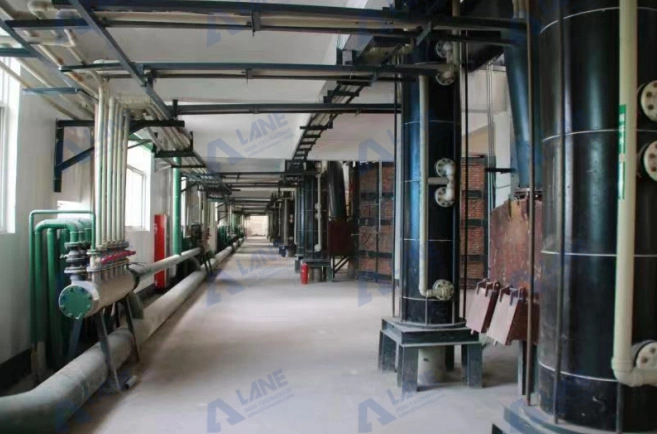
- Reaction System:The reactor is the core machine of the Double Decomposition process. The prepared materials are fed into a reactor where the double decomposition reaction occurs under controlled temperature and agitation.
- Dissolving Tank:This is used for dissolving raw materials before entering the reaction stage.
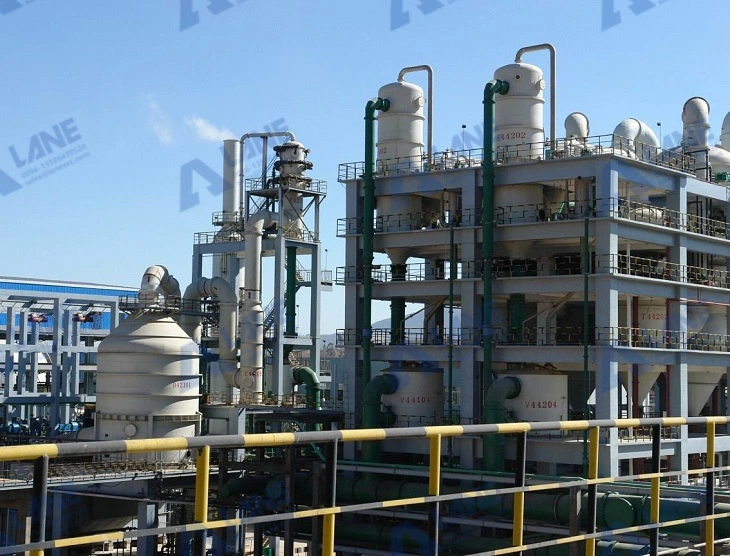
- Crystallization System:After the reaction, the solution enters a crystallization unit where potassium sulfate crystals begin to form. Proper temperature control is crucial in this stage. The crystallizer separates potassium sulfate crystals from the reaction solution.
- Filtration Equipment:The slurry is processed using centrifuges or vacuum filters to separate SOP crystals from the mother liquor. LANE’s advanced filtration equipment ensures higher recovery rates.
- Drying Machine:The wet SOP crystals are dried using rotary drum dryers or fluidized bed dryers. LANE provides advanced energy-efficient dryers which minimize moisture content while preserving product quality.
- Cooling System:After drying, the product is cooled to stabilize the final SOP fertilizer product for storage and packaging.
- Screening Machine:Screening ensures the desired uniform particle size and improves product appearance.
- Automatic Packaging Machine:Automated packaging systems improve efficiency and reduce labor costs. It weighs and bags the fertilizer automatically.
All these machines work together and create a workflow which makes the SOP fertilizer Double Decomposition production process suitable for industrial fertilizer production plants.
Technical and Environmental Advantages
Adopting the modern SOP fertilizer Double Decomposition production process using machinery from LANE Heavy Industry delivers several advantages compared to other methods:
- Substantial Energy Savings:Unlike the Mannheim process, this liquid-phase process operates at temperatures between 15°C and 80°C, significantly reducing fuel expenditure.
- Eco-Friendly Footprint:The process produces zero hazardous air pollutants like gaseous hydrogen chloride.
- Low Capital Expenditure:Machinery operates under lower thermal stress, eliminating the need for costly high-temperature refractory materials.
- High Product Quality:The process produces high-purity potassium sulfate suitable for premium agricultural applications.
- Flexible Plant Capacity:Production lines can be customized for capacities ranging from small-scale to large industrial operations.
- Environmental Protection:Advanced dust collection and wastewater recycling systems help reduce environmental impact.
Equipment Configuration with LANE Heavy Industry
A modern SOP fertilizer Double Decomposition production process relies heavily on well-integrated machinery. LANE Heavy Industry provides complete production line solutions, including:
- Automatic batching systems for precise raw material dosing
- High-efficiency reactors with corrosion-resistant materials
- Crystallizers designed for optimal crystal growth
- Centrifuges and filtration units for effective separation
- Energy-saving drying equipment
- Intelligent control systems for real-time monitoring
These systems are designed to streamline the SOP fertilizer Double Decomposition production process, reduce downtime, and improve product consistency.

Investment Considerations for SOP Fertilizer Plants
Before building an SOP fertilizer factory, investors should evaluate:
- Raw material availability
- Local fertilizer demand
- Plant capacity requirements
- Energy consumption
- Environmental regulations
- Equipment automation level
- Labor costs
A properly designed SOP fertilizer Double Decomposition production process can deliver strong long-term returns while supporting sustainable agriculture development.
Conclusion
The SOP fertilizer Double Decomposition production process is one of the most effective methods for producing high-quality potassium sulfate fertilizer. This process has the advantages of stable operation, lower costs, scalable production, and excellent product quality. This process is being adopted by fertilizer manufacturers worldwide.
By using advanced machinery from LANE Heavy Industry, investors can establish efficient SOP fertilizer plants which cover every stage of the SOP fertilizer Double Decomposition process. From raw material preparation to crystallization, drying, screening, and packaging, this production line provides a reliable foundation for profitable fertilizer manufacturing.
FAQ
What is the SOP fertilizer Double Decomposition production process?
The SOP fertilizer Double Decomposition production process is a chemical manufacturing method used to produce potassium sulfate fertilizer by reacting potassium chloride with sulfate-containing materials.
What are the advantages of the Double Decomposition production process?
The process offers high product purity, lower operating costs, stable production, and suitability for large-scale industrial manufacturing.
What equipment is needed for the SOP fertilizer Double Decomposition production?
Key equipment includes reactors, dissolving tanks, crystallizers, filters, dryers, coolers, screening machines, and packaging systems.
Why is SOP fertilizer important?
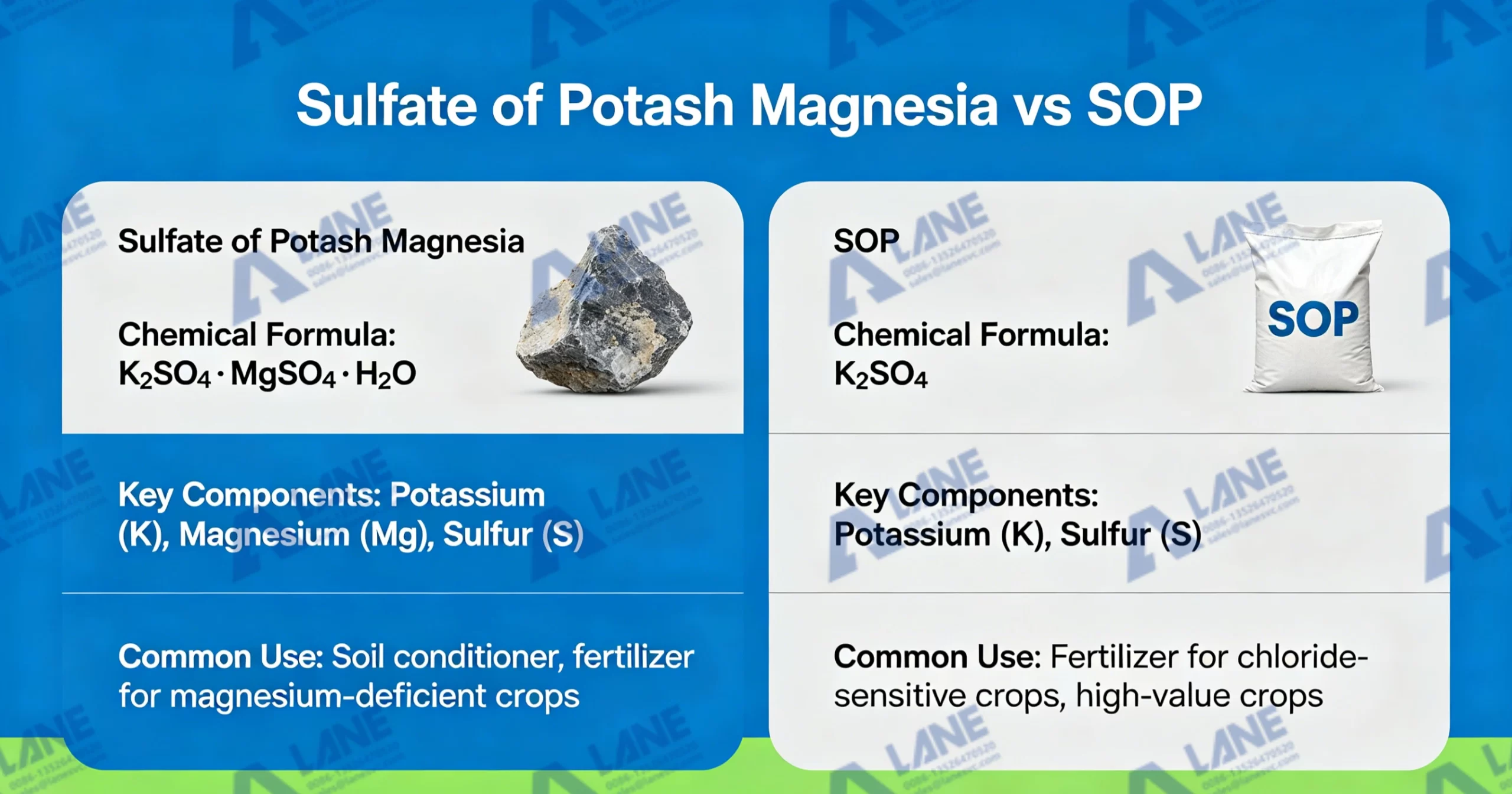
SOP fertilizer provides potassium and sulfur without chloride, making it ideal for chloride-sensitive crops such as fruits, vegetables, and tobacco.
Of course, we also offer other types of products for your different needs, you can click to view.
For more information, please contact us by sending an inquiry today! We can help you!



Write a Reply or Comment