
Mannheim Process vs Double Decomposition: Choosing the Best Potassium Fertilizer Production Method
Mannheim Process vs Double Decomposition: Choosing the Best Potassium Fertilizer Production Method
Potassium is one of the three major macro nutrient which is necessary for optimal crop growth. Potassium Sulfate or Sulfate of Potash (SOP) is a premium potassium fertilizer which provide the potassium and sulfur without the harmful chloride. This fertilizer provides higher yields, better crop quality, and stress resistant. Among the various production method for new facility, the debate invariably centers on Mannheim process vs double decomposition. Manufacturers, investors, and fertilizer plant owners compare these two technologies before start a new SOP production facility.
The differences between the Mannheim process vs double decomposition are technical and they both offers unique advantages in terms of raw materials, production cost, energy consumption, environmental impact, and product quality. LANE Heavy Industry is a leading manufacturer of heavy agriculture machinery and has over 20 years of experience of manufacturing and designing SOP fertilizer production line. In this article, we will compare Mannheim process vs double decomposition with the help of LANE’s expertise.
The Mannheim Process
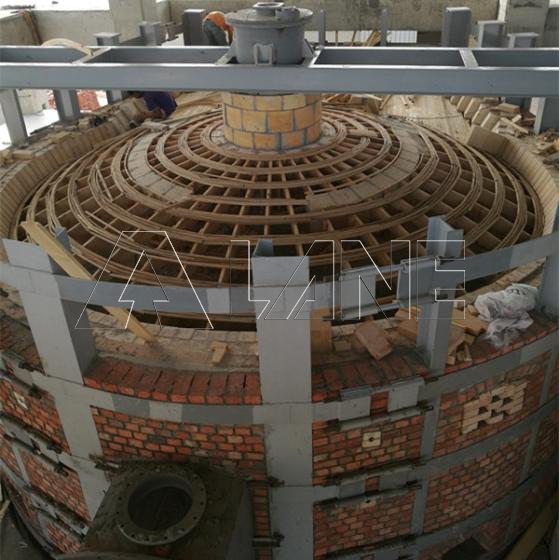
Mannheim process is one of the oldest and most tested method. It is also most used industrial method. It synthesizes Potassium Sulfate directly from Potassium Chloride (KCI) and Sulfuric Acid (H2SO4). This two stage rection process happens inside a highly specialized high-temperature brick lined furnace:
- KCl + H₂SO₄ → KHSO₄ + HCl (Exothermic; occurs rapidly at lower temperatures)
- KCl + KHSO₄ ⇌K₂SO₄ + HCl (Endothermic; requires temperatures between 500°C and 600°C)
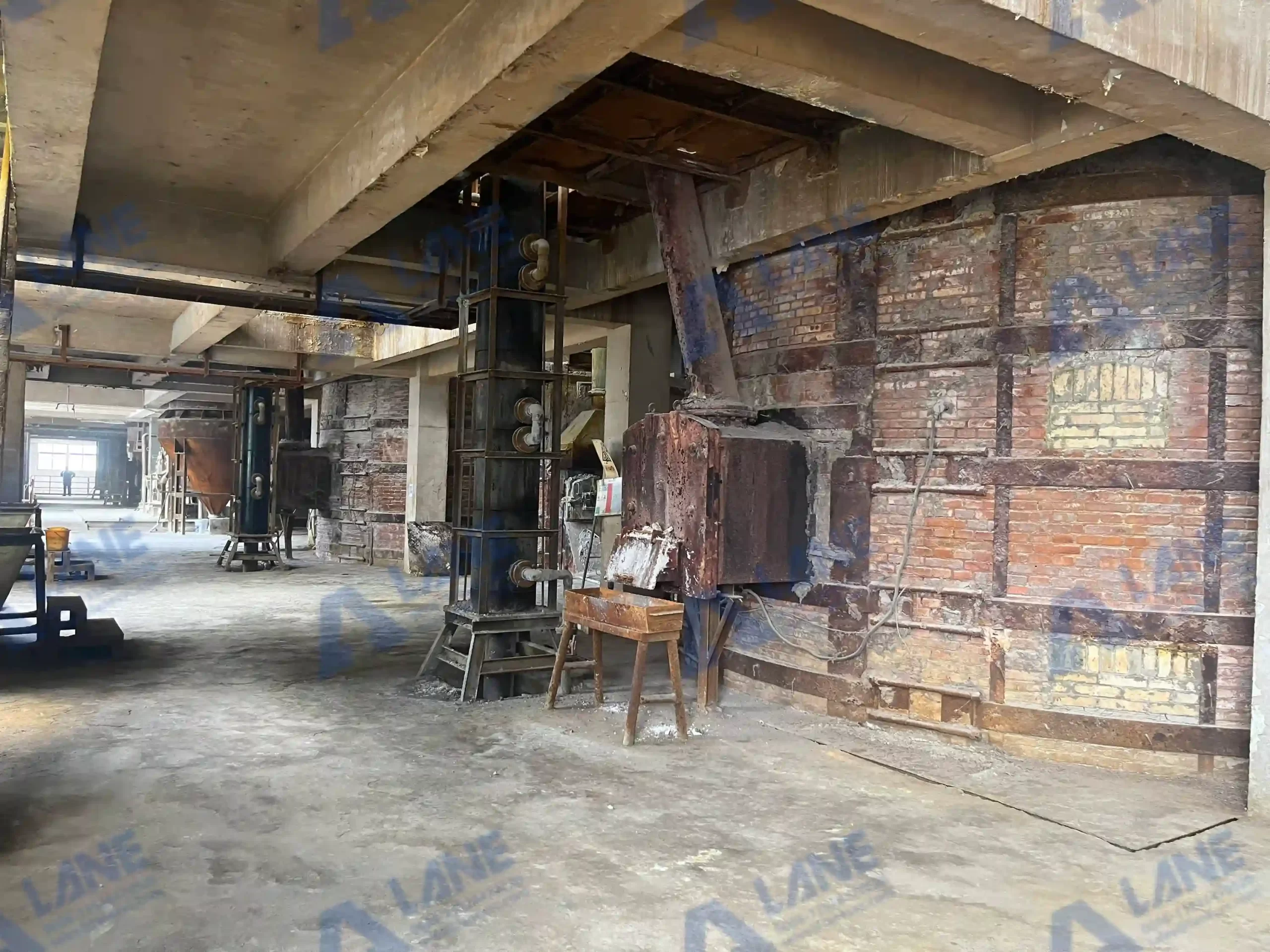
The core reactor must made with material which is resistant to high temperature and corrosion.
The Double Decomposition Method
The double decomposition method is often referred to as the metathesis. It is a lower temperature chemical conversion method with crystallization-based separation. It involves reacting Potassium Chloride (KCI) with Ammonium Sulfate ((NH4)2SO4) or Sodium Sulfate (Na2SO4). The solution-phase chemical reactions are followed by crystallization and separation. This process relies on differences in solubility between the reaction raw materials across different temperatures.
The reaction with Sodium Sulfate as secondary raw material is:
2KCl + Na₂SO₄ → K₂SO₄ + 2NaCl
By carefully manipulating the chemical reaction, Potassium Sulfate precipitates out as a crystalline solid. The Sodium Chloride remains dissolved in the mother liquor and can be recovered later through multi effect evaporation as secondary raw material.
This method is preferred in regions with sodium sulfate resources and has high energy costs.
Technical & Economic Comparison: Mannheim Process vs Double Decomposition
A structured Mannheim process vs double decomposition analysis reveals the difference between efficiency, cost, and scalability of the both processes.
- Product Quality & Purity:
The Mannheim process delivers SOP with K₂O content ≥52% and low impurities with chloride content is less then 1.5%. This high temperature conversion ensures consistent quality and meets premium agricultural and industrial standards.
The Double decomposition produces SOP with K₂O ≥50%, but the purity depends on the raw material quality. Sometimes this method needs extra purification for meeting the quality.
For premium markets, Mannheim process vs double decomposition tilts toward Mannheim for quality consistency.
- Raw Material & Energy Requirements
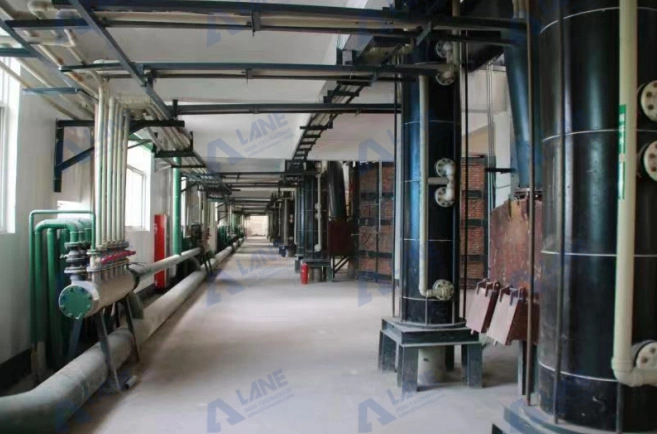
Mannheim process needs pure KCl and concentrated H₂SO₄. The process also requires high energy thermal fuel for the furnace heating. LANE’s Mannheim furnaces use refractory, acidresistant materials to withstand 700°C- 1200°C temperature.
Double decomposition uses cheaper, widely available sulfate byproducts like industrial ammonium sulfate or sodium sulfate. This production line can operate at ambient/moderate heat which cuts energy use by 30–40% compared to Mannheim process.
This makes the double decomposition process attractive in the regions where energy cost is higher and, sulfuric acid is costly or HCl markets are limited.
- Equipment & Investment
LANE’s Mannheim process lines are centered around the custom designed Mannheim furnaces, HCI recovery systems, and granulation production line. This system requires high upfront investment due to hightemp, corrosionresistant alloys like Hastelloy, acidproof bricks. LANE’s can design production line for 5–50+ t/h capacity with 5year warranties and onsite installation support.
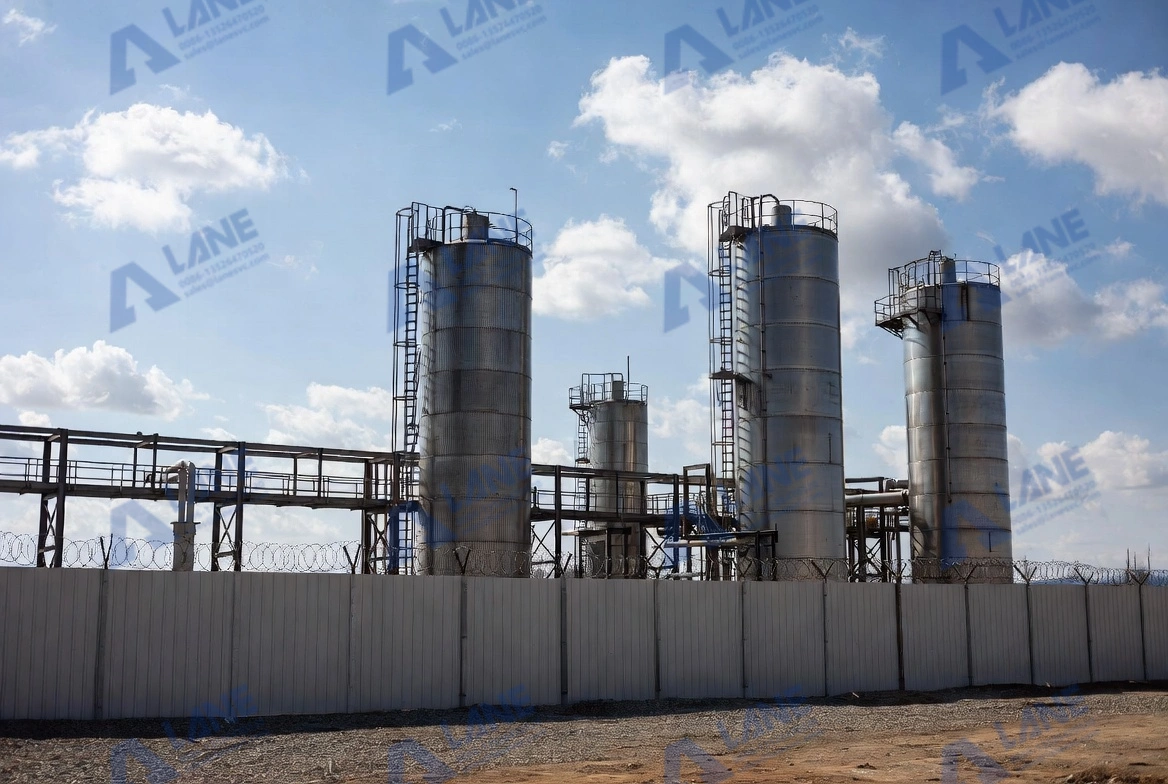
LANE’s double decomposition lines include continuous stirredtank reactors (CSTRs), crystallizers, centrifuges, and evaporators. These machines are simple and easier to operate. They are made with stainless steel to resist mild corrosion. Producer can get custom capacity from 1 t/h to 100 t/h with lower CAPEX.
For small to medium size producers, Mannheim process vs double decomposition favors double decomposition for faster ROI.
- Potassium Recovery & Byproduct Management
Mannheim process achieves 95%+ potassium recovery, with high purity. The main byproduct of this process is HCI. Hydrochloric Acid is a very sought after industrial chemical and can generate secondary income source for the production line. LANE’s HCl absorption systems capture 99% gas which meets emission standards.
Double decomposition recovers 78–85% potassium with two-stage process, which is lower than Mannheim. The byproducts include MgCl₂, NaCl, and are often low-value and requires disposal which adds costs. LANE’s closedloop mother liquor recycling boosts recovery to 85%+, mitigating this gap.
- Operational & Maintenance Costs
Mannheim process equipment is made for operating under harsh conditions and requires frequent maintenance. The producer must regularly do furnace lining repairs, acidresistant part replacement, and regular safety checks.
The reactors of Double decomposition run at mild temperatures/pressures. The raw materials have lower corrosion effect which increase the lifespans of the machines. LANE’s automated control systems (PLC/DCS) cut labor needs, lowering OPEX by 20–25% vs Mannheim.
Side-by-side comparison
| Factor | Mannheim process | Double decomposition |
| Main raw materials | Potassium chloride + sulfuric acid | Potassium chloride + ammonium sulfate/ sodium sulfate |
| Reaction style | High-temperature thermal conversion | Two-stage solution conversion |
| Main equipment | Furnace, acid dosing, gas recovery | Reactors, crystallizers, coolers, filters |
| By-product value | HCl can be recovered | Salt-containing liquor/by-products need handling |
| Product quality | High-purity SOP is achievable | Good product quality with proper control |
| Operating focus | Heat, corrosion, gas recovery | Liquor balance, crystallization, washing |
| Best fit | Dedicated SOP plants | Integrated fertilizer plants |
This comparation shows why Mannheim process vs double decomposition is not a one-size-fits-all decision.
Which Method Should You Choose?
There is no final winner in Mannheim process vs double decomposition assessment. The production line should be ideally matched with your geographical and economic ecosystem.
Choose the Mannheim Process if:
- You have access to low-cost Sulfuric Acid and Potassium Chloride.
- There is a strong, profitable regional market for Hydrochloric Acid (HCl).
- You want a highly concentrated, premium-grade Potassium Sulfate (K2SO4) product with the lowest possible residual chlorine content.
- You prefer a time-tested, industry-standard dry process line with minimal liquid discharge complexities.
Choose the Double Decomposition Method if:
- Your plant is physically integrated with or close to an industrial supplier of Ammonium Sulfate or Sodium Sulfate byproducts.
- Your local agricultural market actively purchases Ammonium Chloride fertilizer for crops like paddy rice.
- You have an abundance of low-cost industrial steam or co-generation waste heat available on-site.
- Your local government and environmental regulations prohibit the production or handling of gaseous/liquid Hydrochloric Acid.
LANE Heavy Industry designs, manufactures, and commissions world-class fertilizer production machinery for both Mannheim and double decomposition process. Our custom reactors, heavy-duty mixers, centrifuges, and granulators ensure exceptional mechanical uptime, optimized material consumption, and long-term asset profitability.

FAQ
- What is the main difference in Mannheim process vs double decomposition?
The main difference is the reaction method. The Mannheim process uses sulfuric acid and high-temperature reactions, while double decomposition uses sodium sulfate and solution-phase reactions.
- Which process produces higher purity SOP fertilizer?
In most industrial applications, the Mannheim process produces more consistent high-purity potassium sulfate fertilizer.
- Which process consumes less energy?
In the Mannheim process vs double decomposition comparison, the double decomposition method usually consumes less thermal energy.
- Is the Mannheim process environmentally friendly?
It can be environmentally compliant when equipped with proper hydrochloric acid gas treatment and dust collection systems.
Of course, we also offer other types of products for your different needs, you can click to view.
For more information, please contact us by sending an inquiry today! We can help you!



Write a Reply or Comment