
MKP vs Monoammonium Phosphate (MAP): Differences, Uses, and Benefits
Water-soluble fertilizer allows farmers to deliver nutrient directly to plant root by irrigation systems. Phosphorus and potassium are two of the most important nutrients for optimal plant growth. From greenhouse to broad application Phosphorus remains most used plant nutrient. Among the most used Phosphorus fertilizers are MKP and MAP. when selecting the phosphorus base fertilizers, growers and manufacturers compare (Monopotassium Phosphate) MKP vs Monoammonium Phosphate (MAP) fertilizer. Both fertilizers are used in water-soluble fertilizer production, fertigation systems, hydroponics, and foliar applications. However, their nutrient composition, application methods, crop suitability, and manufacturing system are different from each other.
Investors and manufacturers who wants to invest in fertilizer production, understanding the differences between MKP vs Monoammonium Phosphate (MAP) is essential. The success of manufacturing of these fertilizers depends on the raw material purity and technical precision. LANE Heavy Industry has engineered specialized processing systems required to turn raw chemical reactions into, premium quality fertilizers.
What Are MKP and MAP?
Both MKP vs Monoammonium Phosphate (MAP) fertilizers are concentrated water-soluble phosphorus fertilizers. But their secondary nutrient is different from each other.
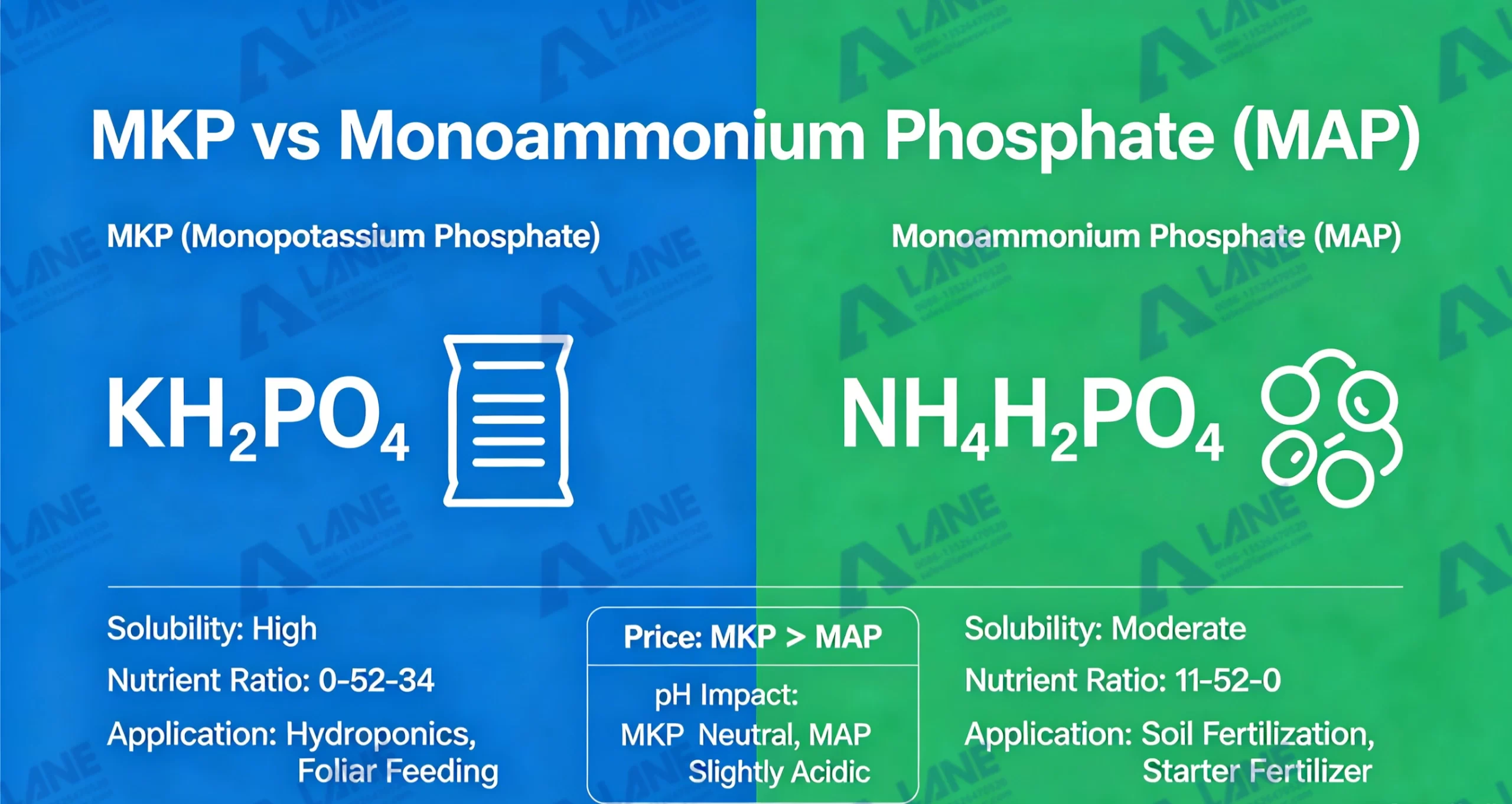
MKP (Monopotassium Phosphate) is a premium chloride free fertilizer which delivers both phosphorus and potassium without nitrogen. Its manufacturing formula is 0-52-34 (0% nitrogen, 52% P₂O₅, 34% K₂O). It is produced through the reaction between phosphoric acid and potassium carbonate or potassium chloride. Potassium regulates water, enhances disease resistance, and improves fruit quality while Phosphorus supports root development, energy transfer, flowering, and seed production.
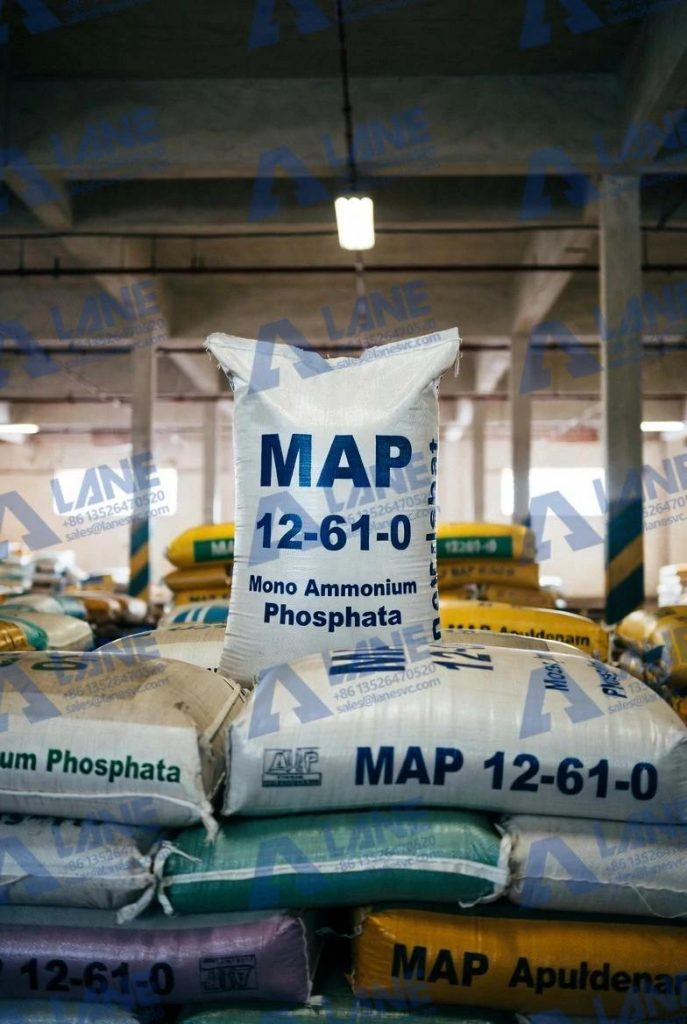
MAP (Monoammonium Phosphate) provides phosphorus and nitrogen but contains no potassium. Its manufacturing formula is 11-52-0 or 12-61-0 (11–12% nitrogen, 52–61% P₂O₅, 0% potassium). It is produced through the exothermic reaction between phosphoric acid and anhydrous ammonia gas. Nitrogen helps chlorophyll production and vegetative growth. This makes MAP ideal for early-stage development.
Investors who are considering MKP vs Monoammonium Phosphate (MAP), the primary difference between them is the presence of nitrogen versus potassium. MAP drives vegetative growth while MKP act as quality and structural enhancing tool.
Key Differences: Comparing MKP and MAP
The MKP vs Monoammonium Phosphate (MAP) comparison reveals five critical differences that guide fertilizer selection:
| Attribute | MKP (0-52-34) | MAP (11-52-0 / 12-61-0) |
| Nitrogen Content | 0% | 11–12% |
| Potassium Content | 34% K₂O | 0% |
| Phosphorus Content | 52% P₂O₅ | 52–61% P₂O₅ |
| pH Level | Neutral to slightly alkaline | Moderately acidic |
| Solubility | High (excellent for foliar/hydroponics) | High (rapid soil dissolution) |
- Nitrogen vs. Potassium:The MKP vs Monoammonium Phosphate (MAP)shows the difference in nitrogen and potassium content. MAP’s nitrogen content promotes leafy, vegetative growth, while MKP’s potassium enhances fruit quality, stress tolerance, and overall plant structural health.
- pH Influence:MAP creates acidic zone around granules which makes it ideal for soil with neutral to high-pH where phosphorus availability is limited. MKP’s natural pH suits hydroponic systems and foliar applications where pH stability is critical.
- Solubility and Application Method:In MKP vs Monoammonium Phosphate (MAP)solubility differences matter for specific systems. MKP is preferred choice for foliar sprays and hydroponics due to its salt free formulations. MAP on the other hand is preferred for starter fertilizer for root development.
Agricultural Uses and Stage-Specific Benefits
The physical and chemical variations of MKP vs Monoammonium Phosphate (MAP) determines when and where they should be deployed in a crop’s lifecycle.
When to Deploy Monoammonium Phosphate (MAP)
- Early-Stage Root and Shoot Development:The combination of nitrogen and phosphorus in MAP is ideal for seed placement, transplanting, and early vegetative phases. The ammonium ion acidifies the rhizosphere; this improves the plant’s capability to unlock and absorb fixed phosphorus in alkaline soils.
- Foliar Buffering:MAP can be used in specialized foliar spray to correct phosphorus deficiencies early in the season.
When to Deploy Monopotassium Phosphate (MKP)
- Flowering and Fruiting Phases:Excess nitrogen during late-stage development can cause late vegetative flushing, which lowers fruit quality and promotes soft tissue vulnerable to disease. MAK fertilizer helps growers provide phosphorus and potassium without risking nitrogen overload.
- Salt-Sensitive Environments & Hydroponics:MKP has extremely low salt index of 8. This makes this fertilizer preferred water-soluble option for sensitive crops, greenhouse hydroponics, and intense fertigation programs where soil salinity buildup is a continuous threat.
- Disease Suppression:Regular foliar applications of MKP have been demonstrated to suppress powdery mildew and other fungal pathogens in crops like grapes and cucurbits.
Benefits of Each Fertilizer
Benefit of MAP Fertilizer:
- Highest Phosphorus Content: It contains the most amount of phosphorus than any common solid fertilizer.
- Rapid Nutrient Uptake: This fertilizer quickly dissolves in moist soil.
- Cost-Effective for Vegetative Growth: It provides both Nitrogen and Potassium for early growth development.
- Acidification Effect: This fertilizer lowers rhizosphere pH, improving phosphorus availability in alkaline soils
Benefits of MKP Fertilizers:
- Potassium Without Nitrogen: This fertilizer is ideal for scenarios where nitrogen is excessive or undesired.
- High Purity: Low salt index, safe for foliar application
- Enhanced Fruit Quality: Improves size, color, and shelf life
- Chloride-Free: Unlike many potassium sources, MKP contains no chloride
The MKP vs Monoammonium Phosphate (MAP) benefit comparison shows MAP excels in early growth economics, while MKP delivers superior quality during reproductive phases.
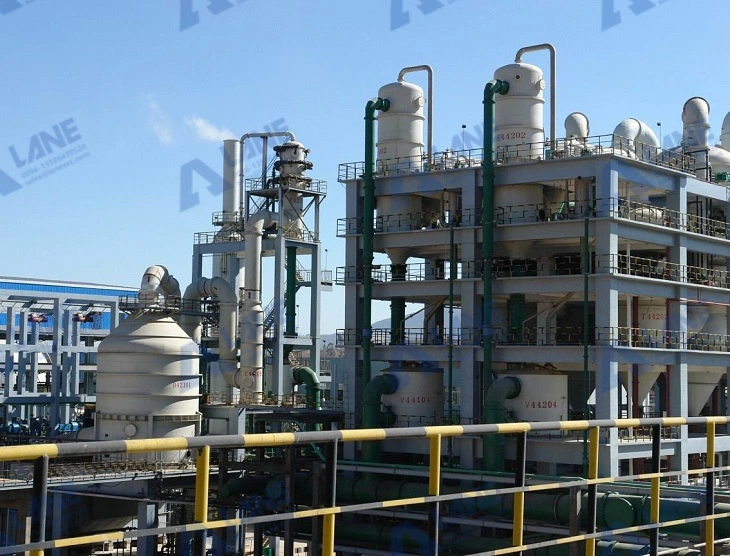
LANE Heavy Industry Machinery for MKP and MAP Production
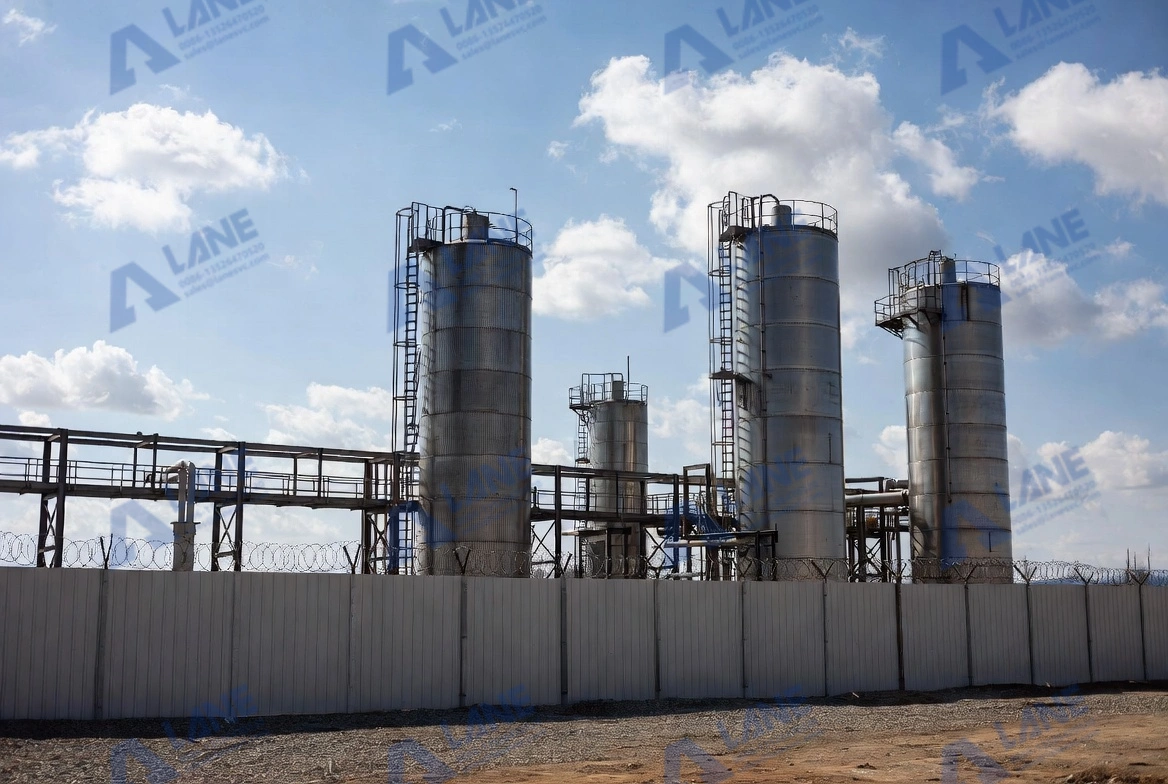
LANE Heavy Industry provides complete turnkey production line solution for both MKP vs Monoammonium Phosphate (MAP) manufacturing. Our engineered solution is designed to ensure high product purity, stable operation, and efficient production.
MAP Production Line:
MAP production line follows the neutralization reaction between phosphoric acid and anhydrous ammonia gas. LANE provides customized reactor with automated controls to maintain accurate temperature and pH levels.
After the reaction stage, the reacted slurry is granulated using rotary drum or disk granulator. The granules than pass through drying, cooling, and screening systems to achieve the required particle size and moisture content. On-size granules are sent to the packaging stage and off-spec granules are sent to crusher and recycled back to the granulator.
MKP Production Line:
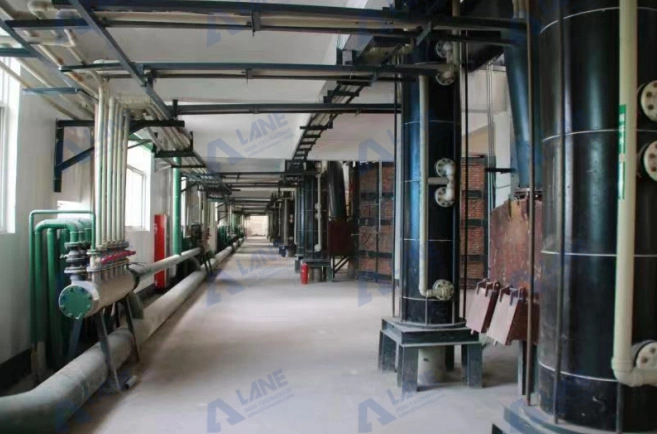
MKP production line require industrial crystallization technology along with reactor to achieve the desired purity and excellent water solubility. LANE’s production line includes reaction tanks, crystallization equipment, centrifuges, dryers, and packaging systems.
The crystallization process is carefully controlled to produce uniform MKP crystals. After separation and drying, the final product meets the standards required for fertigation, hydroponics, and water-soluble fertilizer applications.
Intelligent Automation System:
We integrate PLC and AI-assisted control systems throughout the production process. These systems monitor temperature, pressure, moisture, and reaction conditions of the production process. Every machine is implemented with sensors that provide data to the control system. This helps manufacturers improve efficiency, reduce energy consumption, and maintain stable product quality.
FAQ: MKP vs Monoammonium Phosphate (MAP)
Q1: What is the main difference between MKP and MAP?
The MKP vs Monoammonium Phosphate (MAP) main difference is nutrient composition: MKP contains potassium (0-52-34) while MAP contains nitrogen (11-52-0 or 12-61-0).
Q2: Can MKP and MAP be used together?
Yes. The MKP vs Monoammonium Phosphate (MAP) combination is common—MAP at planting for root development, followed by MKP during flowering for fruit quality.
Q3: Which fertilizer is better for hydroponics?
MKP is superior for hydroponics due to its neutral pH and chloride-free formulation. The MKP vs Monoammonium Phosphate (MAP) solubility comparison favors MKP for soilless systems.
Q4: Is MAP suitable for acidic soils?
MAP’s acidic pH makes it ideal for neutral to alkaline soils, not naturally acidic soils. For MKP vs Monoammonium Phosphate (MAP) in acidic conditions, MKP’s neutral pH is often preferred.

Of course, we also offer other types of products for your different needs, you can click to view.
For more information, please contact us by sending an inquiry today! We can help you!




Write a Reply or Comment