
Potassium Nitrate vs Monopotassium Phosphate: The Ultimate Comparison Guide for Modern Agriculture
Potassium Nitrate vs Monopotassium Phosphate: The Ultimate Comparison Guide for Modern Agriculture
Modern agriculture relies on planned nutrient management. Farmer and agribusiness no longer use one broad bulk fertilization techniques. Now the nutrient is managed according to the plant’s growth stage. If you ask any growers or agribusiness about their late season nutrient strategy, they will say that the choice leads to potassium nitrate vs monopotassium phosphate. Both of these fertilizers are chloride-free, water-soluble options. But using the wrong fertilizer at the wrong timing can lead to compromised root structure and late fruit maturity. They have different composition, agronomic benefits, application timing, and production technology.
Potassium nitrate and monopotassium phosphate have different manufacturing techniques and create different problem for manufacturers. Understanding the differences between Potassium nitrate vs monopotassium phosphate helps farmers select the right fertilizer and manufacturers the knowledge to manufacture them. LANE heavy Industry provides, manufacturing plant for both fertilizer and trains manufacturer on how to produce the premium-grade water-soluble fertilizers for global markets.
Understanding Potassium Nitrate
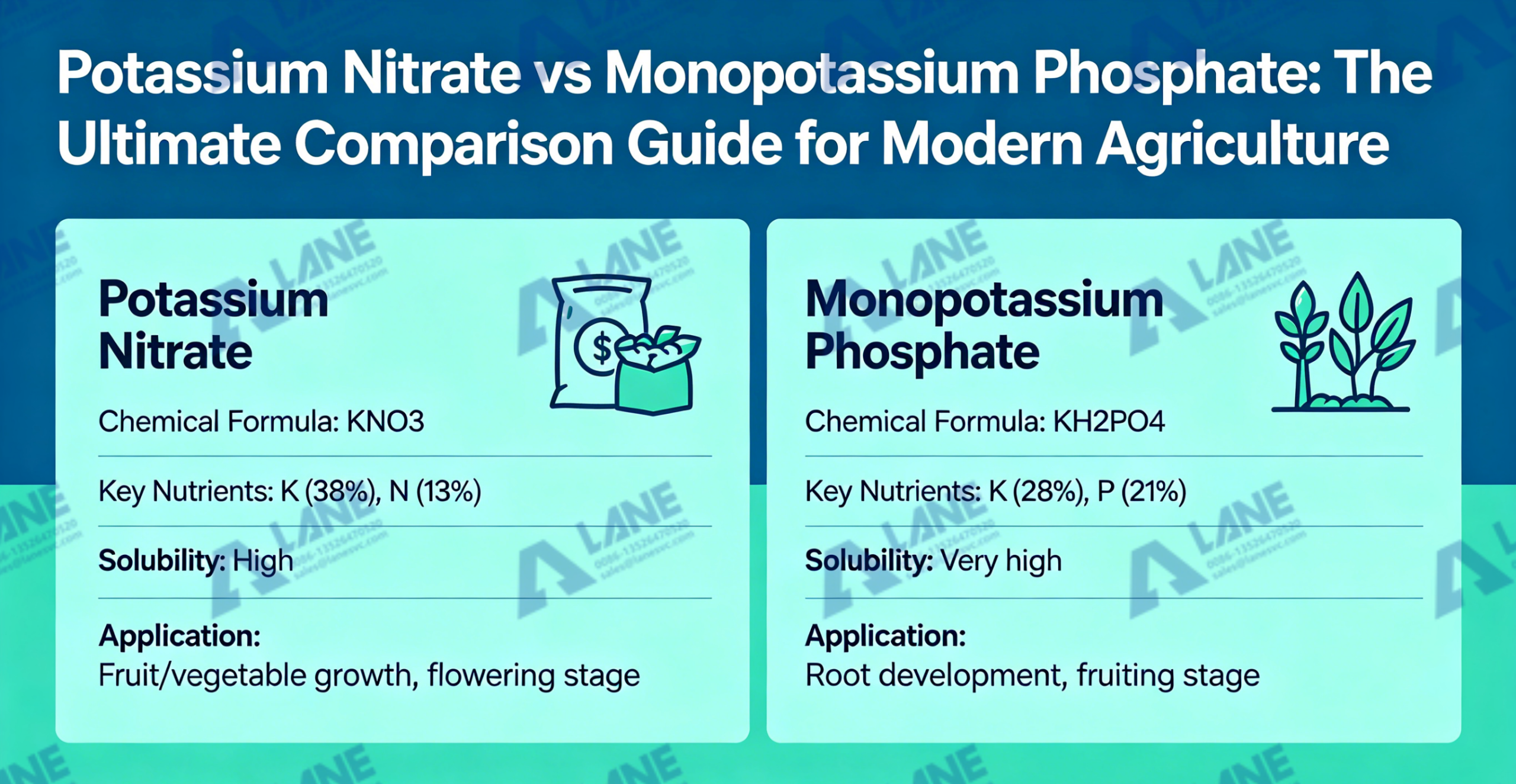
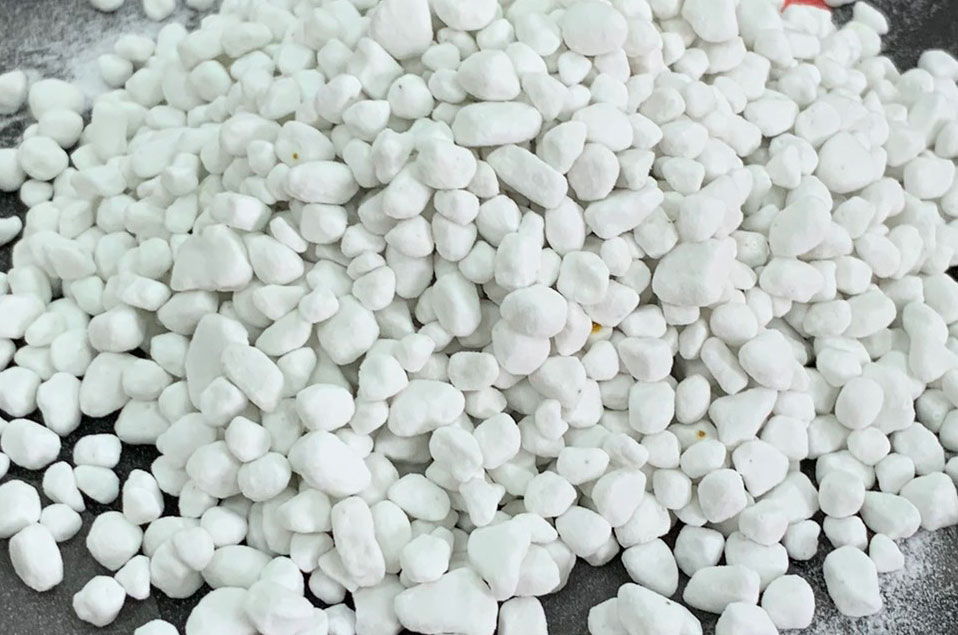
Potassium nitrate (KNO₃) is a water-soluble fertilizer which contain potassium (K) and nitrate nitrogen (N). It is used for modern fertigation systems, hydroponics, greenhouse cultivation. It contains 13% nitrogen and 46% Potassium Oxide (K₂O).
The nitrate nitrogen in potassium nitrate is immediately available to plants. It doesn’t produce ammonia gas like other nitrogen fertilizer. This makes it an excellent and safe fertilizer during vegetative growth. When evaluating Potassium nitrate vs monopotassium phosphate, potassium nitrate stands out because of ammonia free nitrogen which is readily available.
Understanding Monopotassium Phosphate
Monopotassium phosphate (MKP), chemically represented as KH₂PO₄, is another highly soluble potassium fertilizer used around the world. This fertilizer delivers Phosphorus instead of Nitrogen. It delivers 52% Phosphorus (P₂O₅) and 34% Potassium Oxide (K₂O).
This fertilizer contains no nitrogen. instead, it provides phosphorus and potassium which makes it very useful during flowering, fruit development, root growth, and reproductive stages.
The discussion of Potassium nitrate vs monopotassium phosphate often centers on what does crop needs. whether crops require the nitrogen or phosphorus at a specific growth stage.
Potassium Nitrate vs Monopotassium Phosphate: Nutrient Comparison
The most significant difference in Potassium nitrate vs monopotassium phosphate lies in their nutrient value and composition.
| Attribute | Potassium Nitrate (KNO₃) | Monopotassium Phosphate (KH₂PO₄) |
| NPK Label | 13-0-46 | 0-52-34 |
| Nitrogen (N) | 13–14% (nitrate form) | 0% |
| Phosphorus (P₂O₅) | 0% | 52% |
| Potassium (K₂O) | 46% | 34% |
| Potassium (K elemental) | ~38% | ~28% |
| pH (1% solution) | ~7 (neutral) | 4.0–5.0 (acidic) |
| Salt Index | Higher | Lower (8.4) |
| EC Value | Higher | 0.7 mS/cm (1g/L) |
In the above Potassium nitrate vs monopotassium phosphate comparison, potassium nitrate provides higher amount of potassium and nitrogen, while MKP delivers high amount of phosphorus and potassium.
Manufacturing Challenges of Premium Soluble Fertilizers
Process NOP and MKP fertilizer presents some technical challenges. Both fertilizers need highly refined, premium commodities. When raw powders are blended or granulated into commercial products, producers face some primary risks.
- High Hygroscopicity:Both NOP and MKP compounds absorb moisture from the air when they are mixed with other materials. Poor humidity control or improper granulation leads to caking during storage and transport.
- Thermal Sensitivity:The producer must be careful during the drying process as excess heat during the drying phase can alter the crystalline structure of the compounds, degrading their quick-dissolving nature.
- Corrosive Wear:The acidic nature of MKP blends can rapidly degrade carbon steel equipment. This can be avoided by implementing corrosion resistant durable machinery.
Optimizing Production with LANE Heavy Industry Machinery
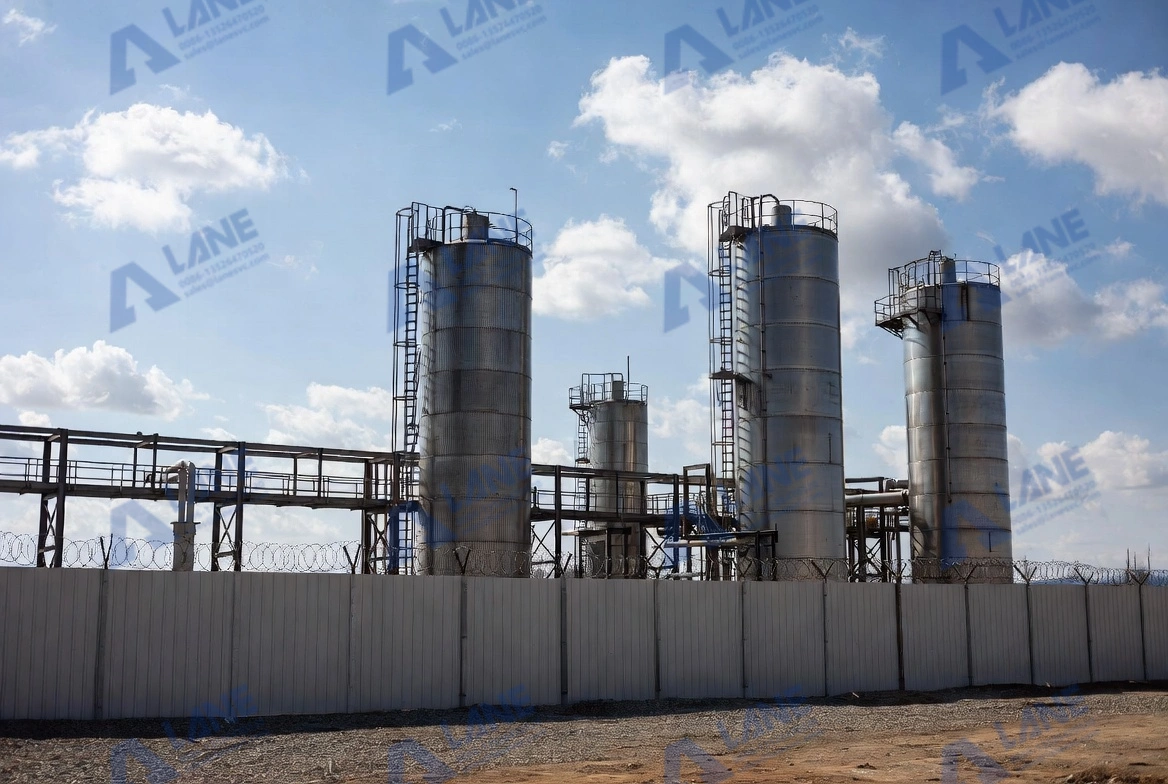
To overcome the manufacturing challenges in Potassium nitrate vs monopotassium phosphate, fertilizer manufacturer relies on dedicated processing lines. LANE Heavy Industry designs and customized fertilizer production line which can achieve consistent granule uniformity. Our production line is made for precision and durability and it can handle high-purity chemical salts. Our production line gives you the necessary structural control for producing water-soluble NPK blends or granules for bulk distribution.
Precision Batching and Mixing: A stable compound fertilizer production requires precision and flawless homogeneous distribution. Our automated batching system feed raw NOP or MKP crystals into heavy-duty Double-Shaft Horizontal Mixers. They use continuous paddle arrays to rapidly blend the materials without generating frictional heat.
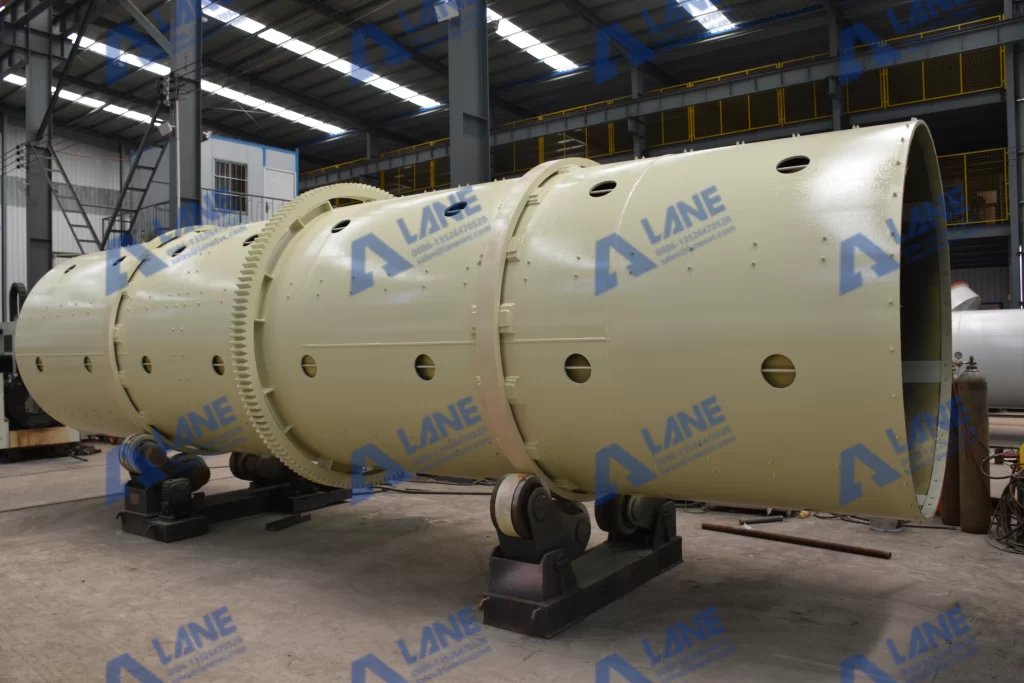
Advanced Granulation: Powder fertilizer is not suitable for transport and long-term storage. For commercial retail, powder fertilizers are transformed into spherical granules to eliminate dust and improve shelf-life. Our Rotary Drum Granulator utilizes a wet-granulation method. Producers can carefully control the internal moisture spray and rotational speed of the drum. The machine coaxes fine NOP or MKP particles into dense, uniform granules.
Low-Temperature Drying and Cooling: Water soluble fertilizers can easily dissolve under high temperature. The drying process requires strict temperature regulation. We give operator the control over the dynamic airflow of the rotary drum. The airflow configuration gently evaporate moisture without overheating the core fertilizer compounds. This is immediately followed by a Rotary Drum Cooling Machine, which drops the granule temperature down to ambient levels. It locks in structural stability before the packaging phase.
Anti-Caking Coating Solutions: This is an important step for safeguarding the finished product against humid environments. Granules pass through LANE’s Rotary Coating Machine, where a microscopic oil or powder layer is applied uniformly over the granules. It prevents moisture bridges and ensuring the product remains free-flowing until it reaches the end user.
Compatibility and Safety
| Factor | Potassium Nitrate | Monopotassium Phosphate |
| Chloride content | Virtually free | Free of chlorine |
| Mixability | Mixes with all water-soluble nutrients | Mixes with any soluble fertilizer except calcium |
| Pesticide compatibility | Compatible with most pesticides | Increases pesticide effectiveness when mixed |
| Salt stress | Higher salt index | Low salt index (8.4) |
Summary: Which Should You Choose?
In the comparison of Potassium nitrate vs monopotassium phosphate, there is no universal better fertilizer. The choice depends on crop stage and nutritional needs:
Choose potassium nitrate when crops require large amounts of nitrogen. normally during swelling period or leafy vegetable growth.
Choose monopotassium phosphate when crops require more phosphorus. This fertilizer is very important during flowering, fruiting, and coloring period.
To get the maximum yield, it is recommended to use both fertilizers strategically based on your crop, season, and growing period.
FAQ: Potassium Nitrate vs Monopotassium Phosphate
Q1: Can I mix potassium nitrate and monopotassium phosphate?
Yes. They are compatible and can be used together for balanced N-P-K nutrition. This approach is often better than using either alone.
Q2: Which fertilizer is better for foliar application?
Both work well, but MKP has lower leaf-burning risk due to its low EC value (0.7 mS/cm) and low salt index. MKP also prevents fungi growth when applied via leaves.
Q3: Why is potassium nitrate not recommended for paddy fields?
Nitrate nitrogen in potassium nitrate is easily lost through rain and waterlogging, making it inefficient in paddy fields.
Q4: Can MKP be used with calcium fertilizers?
No. MKP should not be used together with calcium (Ca) fertilizers due to precipitation reactions.

Of course, we also offer other types of products for your different needs, you can click to view.
For more information, please contact us by sending an inquiry today! We can help you!




Write a Reply or Comment